
meghalaya
Meghalaya
Northeast Indian state known for living root bridges, rain-rich regions, and the traditions of Khasi, Jaintia, and Garo tribes.
Explore
Destination Overview
About Meghalaya
The abode of clouds and sacred groves, where matriarchal traditions thrive, waterfalls cascade endlessly, and the world's wettest place whispers ancient stories.
Meghalaya, the "Abode of Clouds," is a premier northeast India tourism destination. Steeped in tribal culture, the state preserves the unique matriarchal society of the Khasi, Garo, and Jaintia hills, where indigenous traditions and sacred groves flourish alongside colonial history. Meghalaya offers an unparalleled blend of adventure travel, eco-tourism, and rich heritage sites for modern travelers.
Best TimeOct - May
CurrencyINR (₹)
ClimateTropical Humid Subtropical
Time ZoneIST (UTC+5:30)
LanguageKhasi, Garo, English
Travel PassIndian Passport / Visa
CapitalShillong
Population3.0M
Best Time
Oct - May
Currency
INR (₹)
Climate
Tropical Humid Subtropical
Time Zone
IST (UTC+5:30)
Language
Khasi, Garo, English
Travel Pass
Indian Passport / Visa
Capital
Shillong
Population
3.0M
Why Choose meghalaya?
Matriarchal Society & Unique Gender Traditions
Meghalaya unique: matriarchal Khasi and Garo societies. Property, inheritance through mother (youngest daughter = Ka Khyndai inherits ancestral home). Men maintain paternal family but reside in wife's home (Khyndai system). Marriage sacred; divorces rare; women economically independent. Gender equality embedded cultural DNA. Khasi women merchants, farmers, property owners. Sacred role: mother venerated. Modern society balances tradition-modernity tension.
Sacred Groves & Environmental Stewardship
Meghalaya preserves 1,500+ sacred groves (law kyntang, sacred forests). Community-managed; illegal logging forbidden. Biodiversity hotspots: endemic species, medicinal plants. Animistic tradition: spirits protect forests. Conservation model: indigenous peoples = environmental guardians. Climate regulation; water source protection. UNESCO recognition pending; global significance. Living legacy: traditional ecological knowledge.
Waterfall Paradise & Geological Wonder
Meghalaya world's wettest place: Cherrapunji (10,794mm annual rainfall). 1,000+ waterfalls; Living Root Bridges (Khasi engineering marvel). Jaintia Hills limestone karst terrain; underground rivers, caves. Geological diversity: plateaus, cliffs, valleys. Tourism boom: adventure activities (caving, climbing, trekking, waterfalls). Natural beauty attracts international visitors; sustainability challenges emerging.
Khasi & Garo Tribal Heritage
Khasi language (Austro-Asiatic); Mon-Khmer origin. Garo language (Sino-Tibetan). Oral traditions preserve mythology, folklore. Traditional music: bamboo instruments (Shynta, Suitnia), drum beats. Traditional dress: Khasi Jainsen (traditional attire). Tribal festivals: Nongkrem Dance (sacred Khasi ceremony), Wangala (Garo harvest festival). Crafts: bamboo weaving, pottery, handloom textiles. Indigenous knowledge systems; herbal medicine traditions.
Must-Experience Attractions
Living Root Bridges (Double-Decker, Riwai, Nonbaregh)
Cherrapunji Waterfalls (Seven Sisters, Rainbow, Nohkalikai)
Shillong—Music Capital, Ward's Lake, Police Bazaar
Mawlynnong—Cleanest Village in Asia, Living Root Bridge
Khasi Monoliths, Ancient Stone Structures, Sacred Groves
Tribal Homestays, Traditional Cuisine, Khasi Culture
Meghalaya—India's Misty Heart
Meghalaya is one of the most refreshing and scenic domestic getaways for Indian travellers. It offers rolling hills, living‑root bridges, waterfalls, clear rivers, and quaint villages in a compact, cool‑climate state. With Bayard Vacations, your Meghalaya holiday can be planned around the style you want — a compact Shillong–Cherrapunji route, a Shillong–Dawki–Mawlynnong loop, or a longer Northeast‑blended trip (for example, Assam–Meghalaya–Arunachal as part of a “3‑Sisters”‑style circuit).
Meghalaya feels like a “mini‑European hill‑country in India”: mist‑covered hills, moss‑lined rocks, slow‑moving rivers, and quiet villages. It’s very well‑suited for families, couples, honeymooners, nature lovers, and photographers.
Why Meghalaya Is a Strong Choice for Indian Travellers
Meghalaya is ideal if you want a hill‑station holiday that feels fresh and green, yet easy to reach from major Indian cities. It offers:
Strong mix of hills, waterfalls, caves, rivers, and village culture
Cool climate and scenic drives most of the year
Good vegetarian food and family‑friendly homestays/root‑bridge treks
Key reasons to choose Meghalaya:
Perfect for short hill‑station breaks (4–6 days)
Great for couples, honeymooners, and photographers
Works well for families who enjoy slow‑pace sightseeing and gentle treks
Very photogenic: waterfalls, root bridges, rivers, and viewpoints
Usually visited as a 4–6 day trip from Guwahati, making it easy to plan around weekends
Quick Overview
Category | Details |
Ideal duration | 4–5 days for Shillong–Cherrapunji; 5–6 days for Shillong–Dawki–Mawlynnong; longer if combined with Assam–Arunachal |
Best season | October to April (cool, clear skies, good for sightseeing; monsoon June–September is lush but wet and travel‑unfriendly at times) |
Best for | Families, couples, honeymooners, nature lovers, photo‑travellers |
Entry for Indians | Domestic trip; no visa; only valid ID required |
Main entry cities | Guwahati (Assam) by air/rail, then 2.5–3.5 hours drive to Shillong; this is the usual gateway for most Meghalaya packages |
Popular Meghalaya Itineraries
Shillong & Cherrapunji – 4–5 Days / 3–4 Nights
This is one of the most popular Meghalaya formats for Indian travellers, especially first‑timers and families.
Typical pattern (4–5 days):
Day 1: Arrive in Guwahati, drive to Shillong, evening around Ward’s Lake or Shillong Peak.
Day 2: Shillong sightseeing – viewpoints, markets, local cafés, Umiam Lake.
Day 3: Day trip to Cherrapunji (Sohra) – Nohkalikai Falls, Seven Sisters Falls, Double‑Decker Root Bridge trek.
Day 4: Optional nearby spots (Mawsynram or caves) or relaxed return to Shillong.
Day 5: Departure via Guwahati after breakfast.
Best for: First‑time Meghalaya visitors, families, and couples who want a classic hill‑and‑waterfall experience.
Shillong–Dawki–Mawlynnong – 5–6 Days
This route adds Dawki (crystal‑clear Umngot River) and Mawlynnong (“Asia’s cleanest village”), making it a more nature‑and‑village‑focused trip.
Highlights:
Shillong – hill‑town vibe, viewpoints, lakes, and music‑friendly cafés.
Dawki – river‑boating on incredibly clear water, optional snorkelling or kayaking‑style experiences.
Mawlynnong – clean village, skywalk, walking trails, and a quieter, slower pace.
Best for: Couples, mature travellers, and nature lovers who want village‑plus‑river experiences beyond just Shillong.
Extended Meghalaya – Part of a 3‑Sisters or Northeast Circuit (7–10 Days)
Meghalaya often appears as the “hill‑station leg” in broader Northeast packages such as Assam–Meghalaya–Arunachal.
Typical pattern:
Start in Guwahati (Assam)
Drive to Shillong–Cherrapunji–Dawki (Meghalaya)
Optionally continue to Arunachal Pradesh (Tawang / Bomdila)
This setup is excellent for travellers who want both wildlife and hills in one trip.
Trip Cost from India
Meghalaya is usually affordable compared to many hill‑country‑style destinations. Current market data indicates:
A 4–5 day Shillong–Cherrapunji trip commonly costs around ₹10,000–₹20,000 per person (land only), depending on hotel category and inclusions.
Many 5–6 day packages (Shillong–Dawki–Mawlynnong‑type) fall in a similar or slightly higher range, roughly ₹15,000–₹25,000 per person (land only).
Premium or longer‑duration trips (added to Assam–Arunachal loops) can be ₹25,000–₹45,000+ per person, depending on duration and inclusions.
Travel Style | Typical Duration | What’s Included | Approx Price Range (per person, land only) |
Budget | 4–5 days | 3–star hotels / homestays, breakfast, basic transfers, key sights | ₹10,000 – ₹15,000 |
Budget–mid | 5–6 days | 3–4 star / better homestays, some meals, more sightseeing | ₹15,000 – ₹20,000 |
Mid‑range | 5–6 days | Better hotels, more activities, river‑boating and trek‑inclusions | ₹20,000 – ₹28,000 |
Premium / Honeymoon | 6–8 days | 4–5 star / resort stays, private transfers, more inclusions | ₹28,000 – ₹45,000+ |
Best Time to Visit Meghalaya
For most Indian travellers, the best time to visit Meghalaya is October to April, when the weather is cool, skies are clearer, and road‑travel is safer.
October–March – ideal for Shillong, Cherrapunji, Dawki, and Mawlynnong; pleasant temperatures and good visibility for photography.
Monsoon (June–September) – lush greenery and fuller waterfalls, but heavy rains can make some routes and treks risky or closed, so it’s more suited for experienced travellers and off‑season‑budget seekers.
If you want clear views, relaxed driving, and safer trekking, winter and early spring are the safest and most comfortable months.
Top Places to Include in Your Meghalaya Package
Shillong – “Scotland of the East”
Shillong is the capital of Meghalaya and the usual base for most Meghalaya itineraries.
Best for: Families, first‑time visitors, couples, and photo‑travellers.
Highlights:
Shillong Peak and viewpoints
Umiam Lake (Barapani) and nearby viewpoints
Ward’s Lake and local markets
Music‑friendly cafés and hill‑town vibe
Cherrapunji (Sohra) – Waterfalls and Living Root Bridges
Cherrapunji is famous for heavy rainfall, huge waterfalls, and the living‑root bridges, including the Double‑Decker Bridge.
Best for: Adventure‑minded couples, families with older children, and trekkers.
Highlights:
Nohkalikai Falls and Seven Sisters Falls
Trek to the Double‑Decker Living Root Bridge
Nearby caves and viewpoints
Dawki – Crystal‑Clear River and Boating
Dawki is known for its Umngot River, whose water is so clear that the boat‑bottom seems to float in mid‑air.
Best for: Couples, photographers, and travellers who enjoy river‑boating and calm scenery.
Highlights:
Boating on the Umngot River
Optional river‑side walks and photography
Mawlynnong – Asia’s Cleanest Village
Mawlynnong offers a quiet, eco‑friendly village experience with clean streets and a skywalk overlooking the valley.
Best for: Families, senior travellers, and those seeking a slow‑pace, village‑based break.
Highlights:
Mawlynnong skywalk and walking trails
Living‑root‑bridge‑style ambiance and village walks
Laitlum Canyons, Caves, and Other Nature Spots
Depending on the package, you can include Laitlum Canyons, Mawsmai‑type caves, and other nature spots:
Laitlum Canyons – sweeping canyon views and nature walks.
Mawsmai / other caves – short cave‑exploration experiences.
Mawphlang Sacred Forest – guided walks through an ancient forest linked to Khasi traditions.
How to Reach Meghalaya from India
Meghalaya is accessed mainly through Assam:
Nearest airport: Lokpriya Gopinath Bordoloi International Airport, Guwahati (GAU), with direct flights from Delhi, Mumbai, Bengaluru, Chennai, Hyderabad, and many other Indian cities; flight time is usually 2–3 hours from these metros.
Rail: Guwahati railway station is well‑connected; from there, Shillong is roughly 2.5–3.5 hours by road.
Road: Shillong–Cherrapunji, Shillong–Dawki, and Shillong–Mawlynnong routes are regular tourist routes, subject to weather and road‑conditions in monsoon.
For most travellers, Guwahati is the practical entry point, from which Bayard can design a Shillong–Cherrapunji–Dawki–Mawlynnong‑style package or a longer Northeast‑circuit stop.
Entry Requirements and Permits
Meghalaya is a domestic India state:
You only need a valid government ID (Aadhaar, voter ID, or passport) for check‑in and local travel.
No special permits are required for most tourist spots like Shillong, Cherrapunji, Dawki, and Mawlynnong for Indian citizens.
Some trek areas or specific eco‑zones may have local restrictions or small entry fees, which are usually handled by the operator in the package.
What Is Included in Bayard Meghalaya Packages
Most Meghalaya packages from Bayard can include:
Hotel or homestay stays in Shillong, Cherrapunji, Dawki, Mawlynnong, and other nearby towns, depending on the itinerary.
Daily breakfast; many packages include some lunches and dinners.
Guwahati–Shillong transfers and local sightseeing transfers.
Key sightseeing inclusions (Shillong viewpoints, Cherrapunji waterfalls, Dawki boating, Mawlynnong skywalk, and related entries).
On‑trip assistance and local guides for popular treks and viewpoints.
Typical exclusions:
Domestic airfare to/from Guwahati (unless bundled).
Some optional paid activities (extra trek charges, cave‑entry, special guided‑forest walks).
Personal expenses such as shopping, tips, and mini‑bar.
Why Book Meghalaya with Bayard Vacations
Meghalaya is a destination where good route‑planning, transfer timing, and trek‑style choices improve the experience a lot. The right hotel location (Shillong with easy access to viewpoints), the right mix of waterfalls, rivers, and villages, and smooth road‑transfers from Guwahati can make the holiday feel relaxed and safe instead of rushed and travel‑weary.
Bayard can help you build a Meghalaya trip that fits your style:
A compact 4–5 day Shillong–Cherrapunji escape.
A 5–6 day Shillong–Dawki–Mawlynnong route for more nature and river‑boating.
A longer Northeast‑blended circuit (for example, Assam–Meghalaya–Arunachal) if you want a deeper 3‑Sisters‑style experience.
The goal is to make the holiday easy, comfortable, and good value for money, while giving you the mists, waterfalls, root bridges, and river‑views that Meghalaya is famous for
meghalaya Packages


Signature Collections
Handpicked signatures and top-rated escapes in meghalaya

We Are Bayard Vacations
Not just another travel company. We're dreamweavers, adventure architects, and memory makers.
Explore
Now Featuring
Thailand

Highlight
Meet Bayard Buddy – Advanced AI Chatbot for Everyday Help
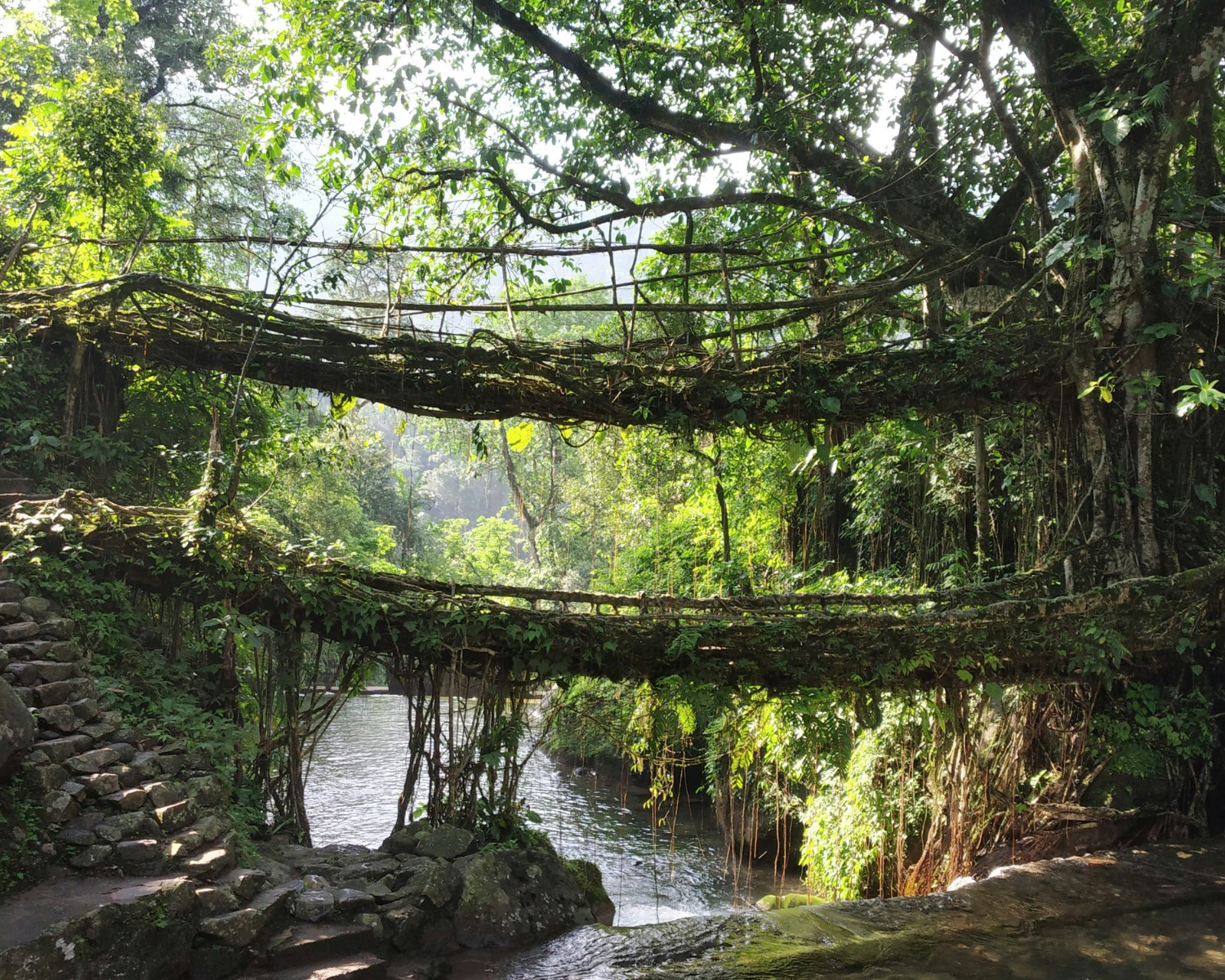
Experience 01
Riwai Living Root Bridge and forest surroundings
Explore HighlightExplore
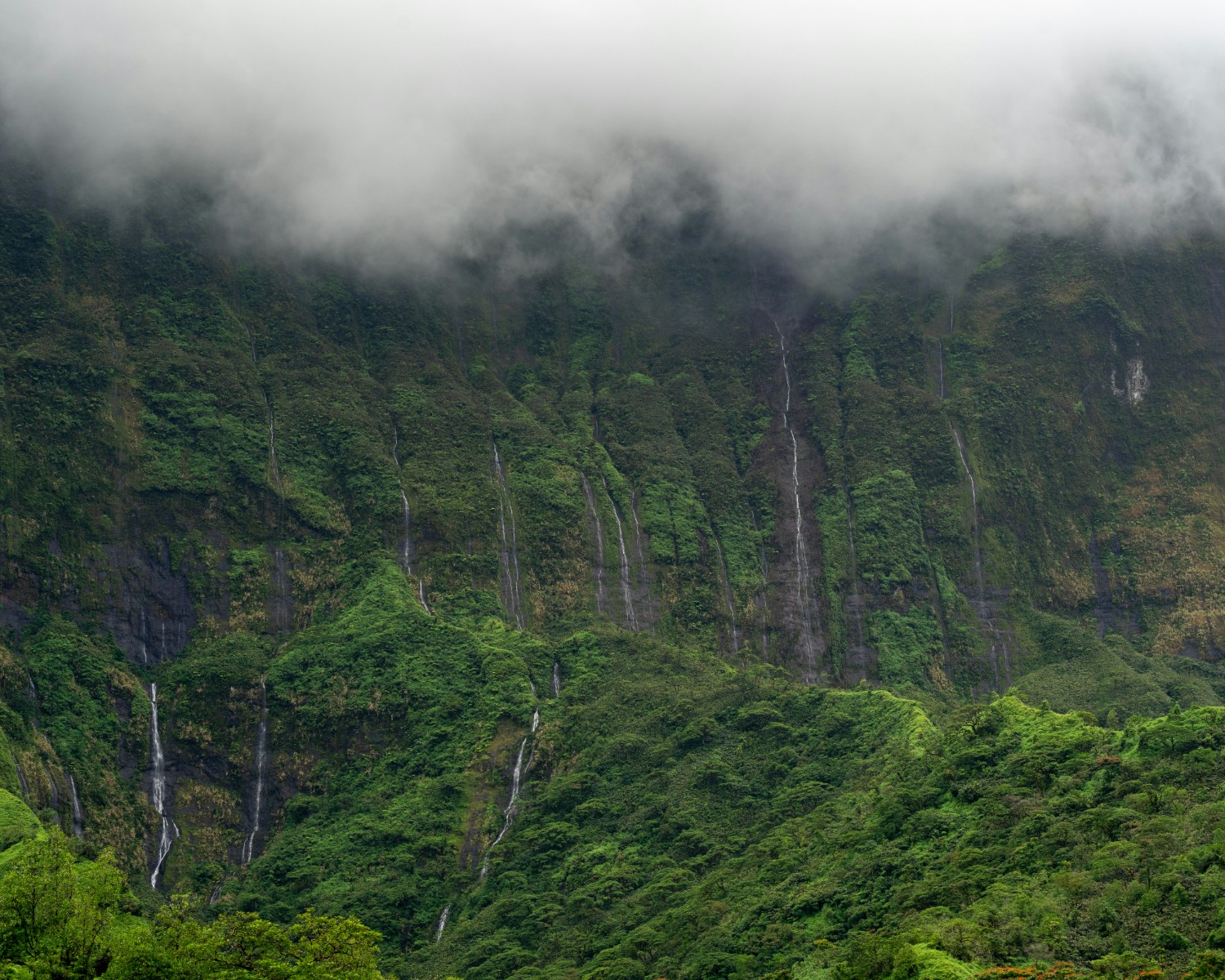
Experience 02
Seven Sisters Falls cascading through monsoon mist
Explore HighlightExplore

Experience 03
Shillong cityscape and Ward's Lake serene environment
Explore HighlightExplore
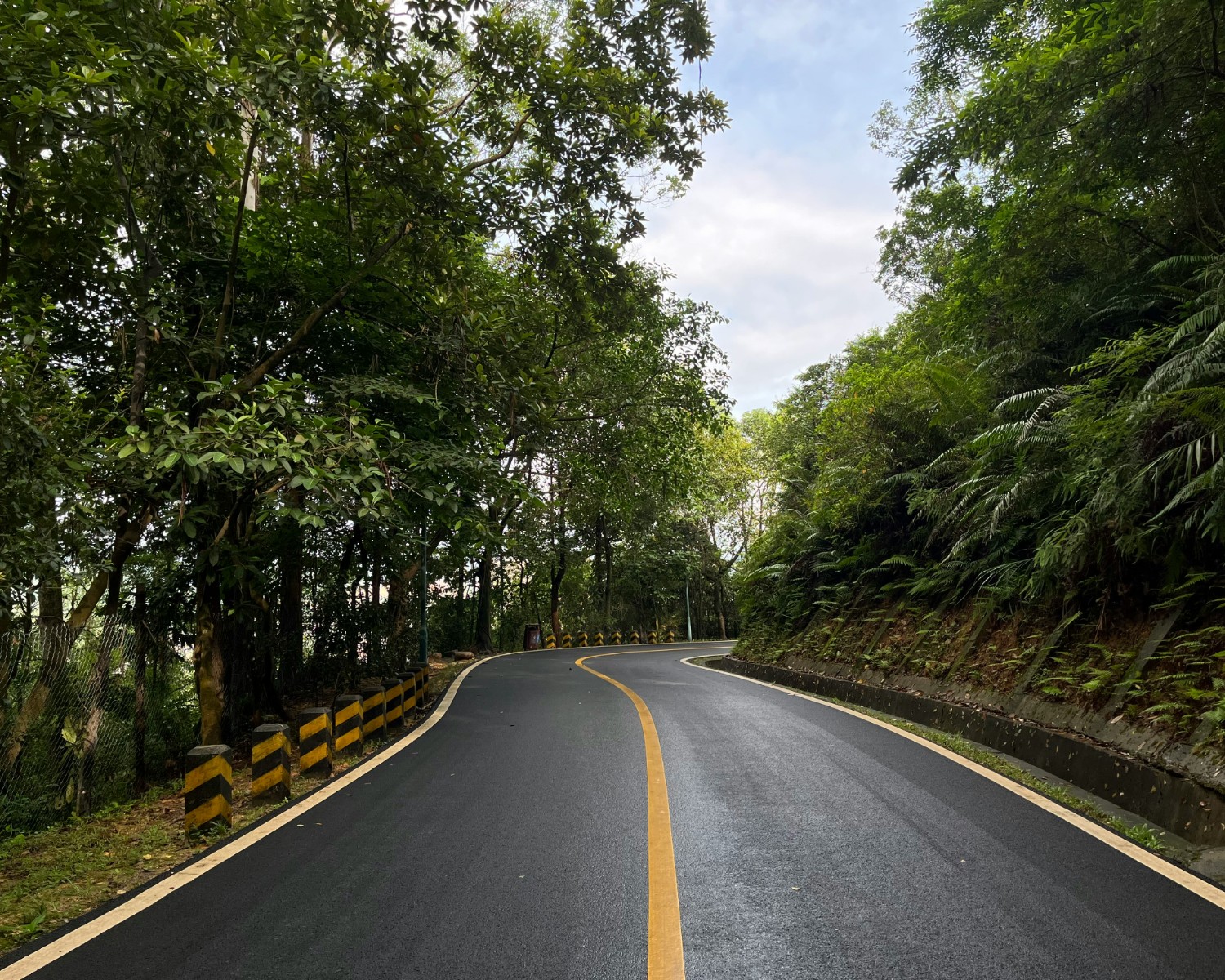
Experience 04
Mawlynnong village pristine streets and community spaces
Explore HighlightExplore

Experience 05
Khasi traditional village life and community gathering
Explore HighlightExplore
Image Unavailable
Experience 06
Explore HighlightExplore
Guest Stories
Authentic Experiences
Read All Reviews Join 25,000+ happy travelers who explored meghalaya with us.
You Might Also Like
Discover more incredible destinations and experiences tailored for you

Why Choose Bayard Vacations?
100%
Secure Booking
8+
Years Experience
25K+
Happy Travelers
24/7
Support Available
Best Price
Guaranteed
Personalized
Customized Trips
Expert
Local Guides
100+
Destinations Covered