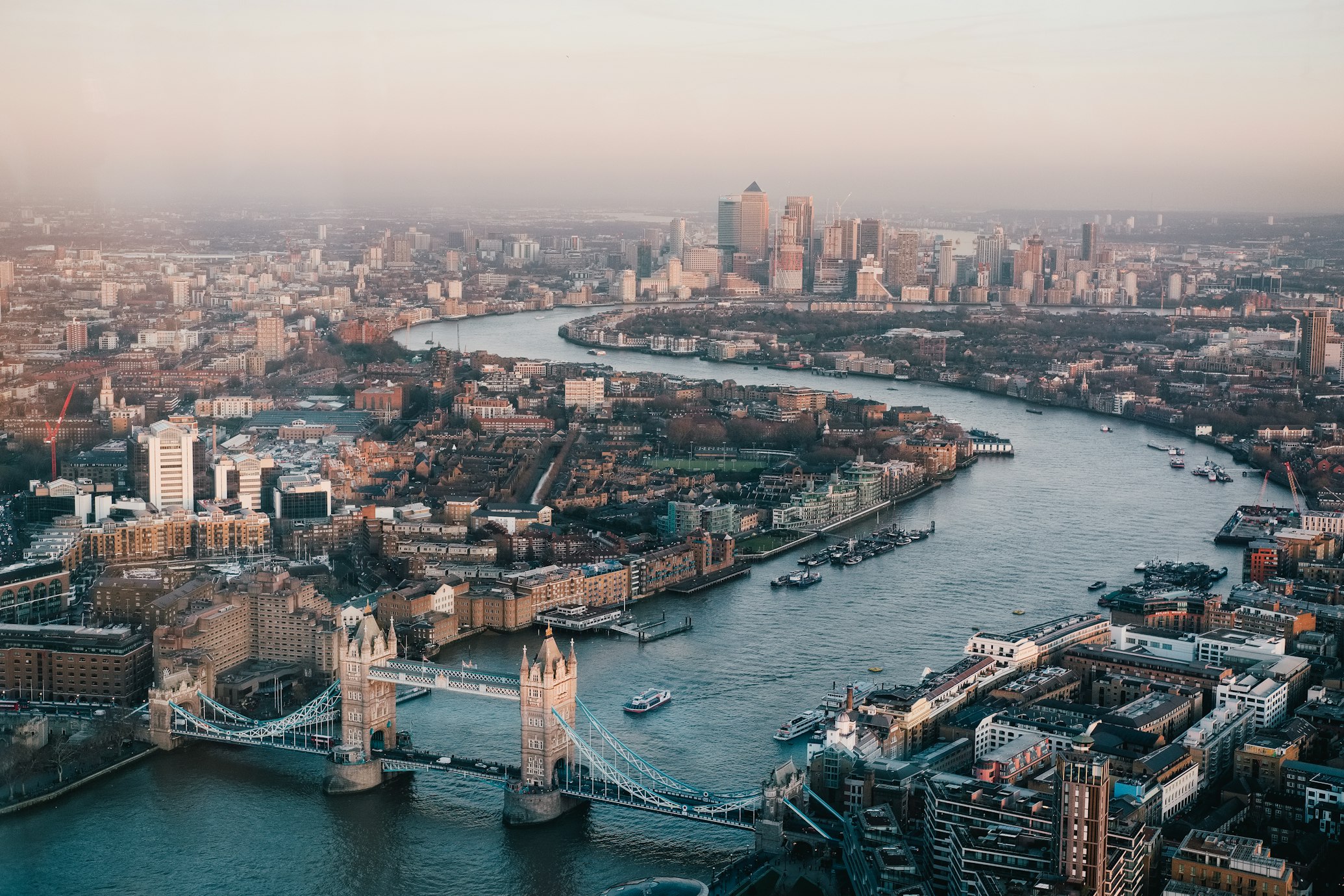
United Kingdom
factsheet
Where royal heritage meets modern innovation, medieval castles coexist with vibrant cities, and centuries of history pulse through charming villages and bustling metropolises.
UK facts: visitor visa Indians, best time, climate, GBP, culture, castles, London & heritage tips.
The Essentials
Best Time
May - Sep
Currency
GBP (£)
Climate
Temperate Maritime
Time Zone
UTC+0 (GMT)
Language
English
Visa
Visitor Visa (post-Brexit)
Capital
London
Population
67.2M
Calling Code
+44
Power Plug
Type G (230V)
Tipping
10-15% standard (often included)
Emergency
999
History & Heritage
United Kingdom—England, Scotland, Wales, Northern Ireland—shaped world history through empires, revolutions, industrial transformation, and democratic innovation. From Anglo-Saxon kingdoms through Norman conquest, Tudor monarchy, empire-building, industrial revolution, to modern constitutional democracy, Britain's influence remains global.
Anglo-Saxon & Medieval Periods (5th–15th Centuries)
Anglo-Saxon kingdoms dominated post-Roman Britain. Norman Conquest (1066) unified England. Medieval kingdoms: chivalry, feudalism, cathedrals (Canterbury, York). Magna Carta (1215) pioneered constitutional limits on monarchy. War of Roses (1455–1487) ravaged England. Richard III, Henry VII established Tudor dynasty.
Tudor & Stuart Eras (1485–1714)
Henry VIII broke with Rome; Church of England established (1534). Renaissance flourished: Shakespeare, Marlowe literature titans. Elizabeth I's reign (1558–1603) golden age; defeated Spanish Armada (1588). Stuart dynasty brought conflicts (English Civil War 1642–1651). Oliver Cromwell's Commonwealth briefly abolished monarchy.
British Empire & Industrial Revolution (1714–1901)
Georgian & Victorian eras saw British Empire peak: India, Africa, Americas dominated. Industrial Revolution (1760–1840) transformed Britain into world's leading industrial power. Railways, factories, cities exploded. British scientific, technological, cultural dominance global. Queen Victoria (1837–1901) reign symbolized imperial expansion.
World Wars & Decline of Empire (1901–1945)
Edward VII, George V navigated imperial decline. WWI devastated Britain; Empire weakened. George VI faced WWII (1939–1945); Britain survived but economically exhausted. Churchill led wartime resistance. Victory cost: empire dissolution began. India independence (1947) marked end of imperial era.
Post-War Welfare State & Transformation (1945–1979)
Labour government created NHS (National Health Service, 1948), welfare state. Elizabeth II accession (1952) symbolized modern monarchy. Decolonization: empire dissolved into Commonwealth. 1960s cultural revolution (Beatles, Rolling Stones, fashion). Economic challenges emerged; inflation, unemployment 1970s.
Modern Britain & Global Influence (1979–Present)
Thatcher era (1979–1990) transformed economy; Conservative dominance. Blair government (1997–2007) modernized Britain; devolution (Scotland, Wales), minimum wage, civil partnerships. EU membership (1973–2020); Brexit referendum (2016) shocked world. Today: constitutional monarchy, parliamentary democracy, global soft power through culture, media, finance.
Climate & Weather
Temperate maritime climate: mild, wet. North Atlantic Gulf Stream moderates temperatures. Unpredictable weather (4 seasons in one day cliché). Rain frequent year-round; snow rare except Scotland, Wales. Southern England warmest; north cooler, wetter.
Time Zone
UTC+0 (GMT); UTC+1 (British Summer Time - BST, late Mar–late Oct)
5.5 hours behind IST (India Standard Time) in winter; 4.5 hours in summer
Best Months
May–September (warmest, sunniest)
Spring (Spring)
Mar – May
8–15°C
Cherry blossoms, daffodils, gardens bloom. Easter holidays. Longer daylight (6 PM sunsets). Weather unpredictable. Perfect for countryside walks. Easter markets, festivals.
Summer (Summer)
Jun – Aug
15–23°C
Warmest, driest season. Festival season (Glastonbury, Edinburgh Fringe). Outdoor cinema, Henley Regatta, cricket. Seaside holidays. Long daylight (9–10 PM sunsets, midnight twilight north). Peak tourism.
Autumn (Autumn)
Sep – Oct
10–18°C
Golden foliage, harvest season. Back-to-school, Halloween. Shorter daylight (7–8 PM sunsets). Mild, crisp weather perfect for hiking. Fewer crowds. Cozy cafés trend.
Winter (Winter)
Nov – Feb
2–8°C
Christmas markets, festive atmosphere, ice-skating. Early darkness (4–5 PM sunsets). Occasionally snowy (rare, brief). Cold, damp. Indoor attractions (museums, theatres). Budget-friendly; fewer tourists.
Seasonal Packing List
Language Guide
Official Language
English
English global lingua franca; 67.2 million native speakers in UK. Regional accents (Cockney London, Scottish, Welsh, Northern Irish, West Country) strong but standard English understood nationwide. Scots Gaelic, Welsh, Irish Gaelic minority languages; English dominant.
Local Signage
Useful Phrases
Hello
huh-LOH / HY / HY-uh
Hello / Hi / Hiya
Thank you
THANK yoo / THANKS / CHEERS
Thank you / Thanks / Cheers
Goodbye
good-BYE / BY / CHEER-ee-oh
Goodbye / Bye / Cheerio
Yes / No
YES / NOH
Yes / No
Please
PLEEZ
Please
Excuse me
ik-SKYOOZ mee / SAR-ee
Excuse me / Sorry
How much?
HOW MUCH iz it
How much is it?
Where is...?
WARE iz
Where is...?
Also Commonly Spoken
English
Native language; universally spoken. British English spellings, vocabulary differ from American (colour vs color, lift vs elevator, flat vs apartment).
Scottish Gaelic, Welsh
Minority languages; official in Scotland, Wales. Road signs bilingual (Wales). Not widely spoken; English sufficient.
French
Taught in schools; some speakers among educated population. Not widely spoken on streets.
Spanish, German
Limited; not common except in business, tourism sectors.
Currency & Money
Official Currency
Pound Sterling
£ (GBP) — £ 1 ≈ ₹104–110 (variable)
Banknotes
£ 5, 10, 20, 50
Coins
1p, 2p, 5p, 10p, 20p, 50p, £1, £2
Cash & ATMs
ATMs abundant in cities; accept international Visa/Mastercard. Cash becoming less necessary (contactless society). Some small shops, rural areas cash-only. Exchange offices in tourist areas; banks best rates.
Credit & Debit Cards
Preferred payment method. Contactless universal (tap card/phone). Apple Pay, Google Pay widespread. Most establishments accept cards. Tourism infrastructure excellent; very card-friendly.
Tipping Culture
Tipping customary but not mandatory (10–15% restaurants, taxis). Service charge sometimes included (check bill). Rounding up appreciated. Card tipping option (chip & pin); can add percentage. Discretionary; not expected like North America.
Daily Budget Estimates
Budget Traveler
£ 80–120 (~USD$102–153)
Mid-Range Traveler
£ 160–240 (~USD$204–307)
Luxury Traveler
£ 400+ (~USD$510+)
Visa & Entry
Apply online at UK Visas & Immigration website (gov.uk).
Create immigration account; fill application form (30 mins).
Upload required documents (see requirements below).
Pay visa fee (£ 100–115) online.
Book appointment at visa application center (VAC) in India.
Attend appointment; provide biometrics (fingerprints, photo, iris scan).
Await decision (typically 3 weeks); collection from VAC or courier delivery.
Registration
Immigration stamps passport upon arrival; entry recorded.
No separate registration required for tourist stays under 6 months.
Penalty: Overstays incur fines, visa ban, deportation.
Visa Extension
Apply through UKVI online 7–10 days before expiration. Provide justification, documents.
Cost: Extension fees approximately £ 80–100.
Requirements
- • Valid passport (6+ months validity beyond intended stay; data page clear).
- • Passport photos (digital copy; UK specifications: 45x35mm, light background, frontal).
- • Completed visa application form.
- • Travel insurance (optional but recommended; £ 10–20 per week).
- • Flight itinerary (confirmed or tentative acceptable).
- • Hotel bookings/accommodation proof (entire stay; Booking.com confirmable).
- • Bank statements (last 3–6 months; showing sufficient funds—approx. £ 50–70 per day).
- • Employment proof (leave approval letter) or student ID.
- • Cover letter (purpose, itinerary, ties to India).
- • Proof of relationship if visiting family (birth certificates, marriage certificates).
Getting There & Around
Intercity Travel
High-Speed Trains (Eurostar, Pendolino)
London–Edinburgh (5.5h, £ 30–100), London–Manchester (2h, £ 25–80), London–Paris (2h15, £ 50–150 Eurostar). Comfortable, frequent. Book via Trainline, National Rail.
Regional Trains & Coaches
Slower but scenic. Cheaper than Pendolino. Perfect for countryside, villages. £ 15–50 depending on distance.
Buses (National Express, Megabus, Flixbus)
Budget option. London–Edinburgh (8h, £ 10–30), London–Manchester (4h, £ 10–25). Comfortable coaches; WiFi common. Slower; saves money.
Car Rental & Driving
Drive on left. EU/International license required. Roads excellent. Tolls (M25, Dartford Crossing). Rental: £ 40–100 daily. Scenic routes: Lake District, Scottish Highlands.
Getting Around
London Underground (Tube)
12 lines covering city. Modern, efficient. Runs 5 AM–midnight (24-hour weekends). £ 1.75–3 single (contactless), Oyster Card cheaper.
Buses & Trams
Extensive coverage; scenic routes (Routemaster heritage buses). Frequent, affordable. £ 1.75 (contactless). 24-hour night buses.
Taxis (Uber, Bolt, Black Cabs)
Licensed black cabs iconic (knowledgeable drivers). Apps transparent, safe. £ 15–40 city journeys. Surge pricing peak hours.
Walking & Cycling
Central London walkable (1–2 hours covers downtown). Bike rental (Santander Cycles) abundant. Infrastructure improving; cycling safe.
Culture & Local Life
Formal Reserve with Dry Humor & Queuing Culture
British culture emphasizes politeness, understatement, dry wit, queuing, and 'stiff upper lip' (emotional restraint). Class consciousness persists historically. Modern Britain culturally diverse, multicultural. Respect for tradition, institutions paramount. Humility valued; bragging frowned upon.
Afternoon Tea & High Tea Culture
Afternoon tea (3–5 PM): tea, finger sandwiches, scones with jam & cream, pastries. High tea (5–7 PM): working-class dinner (cooked meal, tea). Ritual, leisurely. Fortnum & Mason (London) iconic. Traditional hotels offer proper afternoon tea experience.
Royal Pageantry & Ceremonies
State Opening of Parliament, Trooping the Colour (Queen's Birthday Parade), Changing Guard (Buckingham Palace) rituals. Coronations, royal weddings state events. Tradition, pageantry, ceremony deeply valued. Tourist attractions drawing millions.
Christmas & Boxing Day
Christmas elaborate; decorations, pantomimes (theatrical tradition), Christmas crackers (paper tubes, prizes). Boxing Day (December 26) shopping tradition, hunts. New Year's Eve (London's Big Ben countdown) celebrated. Winter traditions rooted in centuries-old customs.
Pub Culture & Drinking
Pubs social institutions; more than bars (community gathering). Real ale, ciders popular. Sunday roasts, fish & chips traditional pub food. Drinking culture significant but responsible (binge drinking criticized). Pub gardens, fireplaces, character define British hospitality.
Gifting Etiquette
Flowers (odd numbers, no chrysanthemums—funerals), wine, chocolates, books appropriate. Avoid knives (cutting friendship). Open gifts immediately; express gratitude. Wrapping quality matters.
Business Etiquette
Handshakes firm. Business cards exchanged casually. First names used after invitation. Formality decreases with relationship building. Punctuality critical. Meetings agenda-driven; small talk minimal.
Dining Etiquette
Wait for host to say 'Enjoy your meal' or begin eating. Hands on table (visible). Finish everything (shows appreciation). Use cutlery outside-in (multiple forks proper). Knife & fork together (finished signal). Bill: ask 'Can we have the bill?' Tipping 10–15% or round up; card option available.
Food & Drink
British cuisine evolved from simple comfort food (fish & chips, roasts) to Michelin-starred innovation. Traditional: Sunday roasts, full English breakfast, afternoon tea. Modern British restaurants celebrated globally. Regional specialties: Scottish haggis, Welsh lamb, Northern Irish stew.

Fish & Chips

Sunday Roast

Full English Breakfast
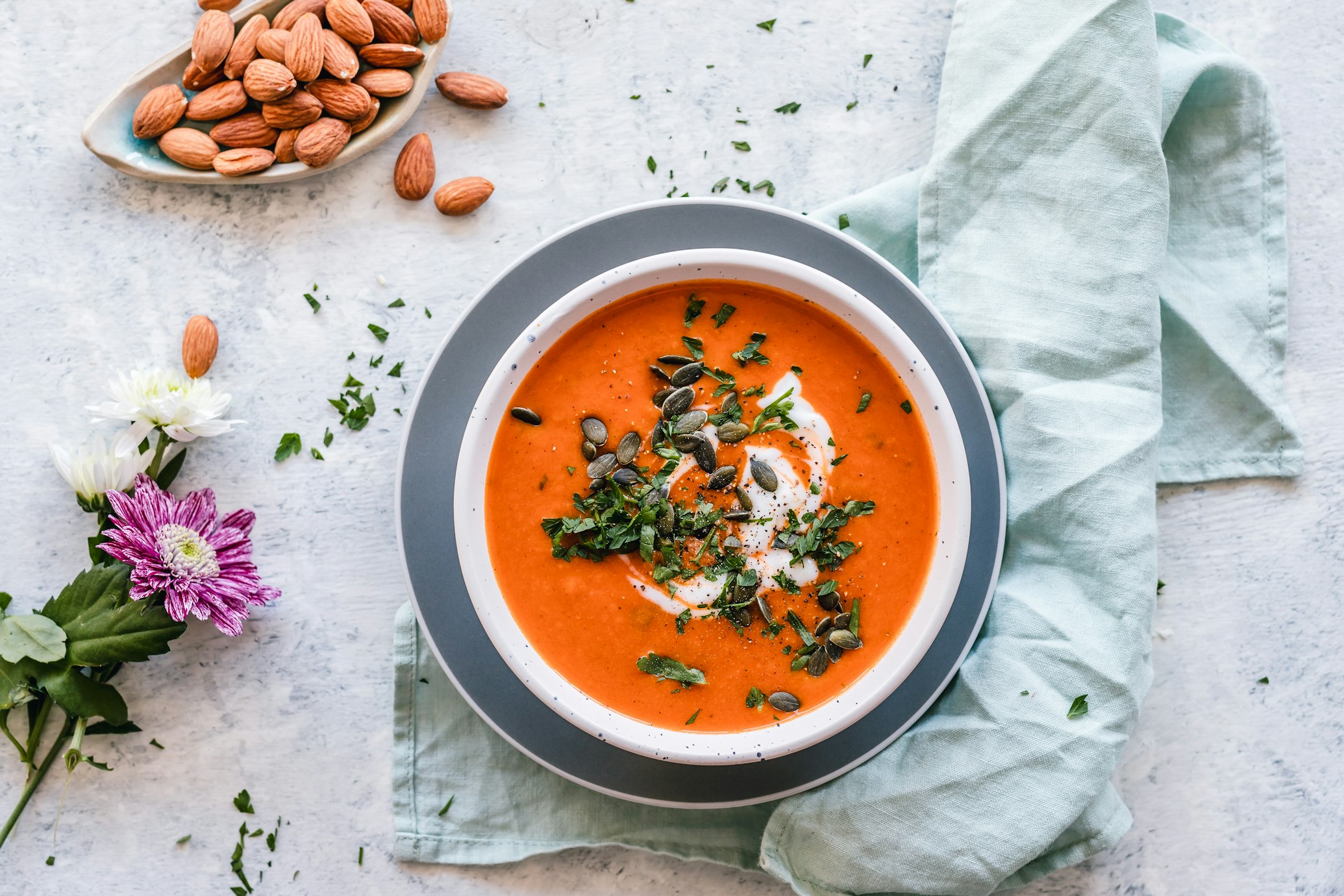
Shepherd's Pie / Cottage Pie

British Afternoon Tea
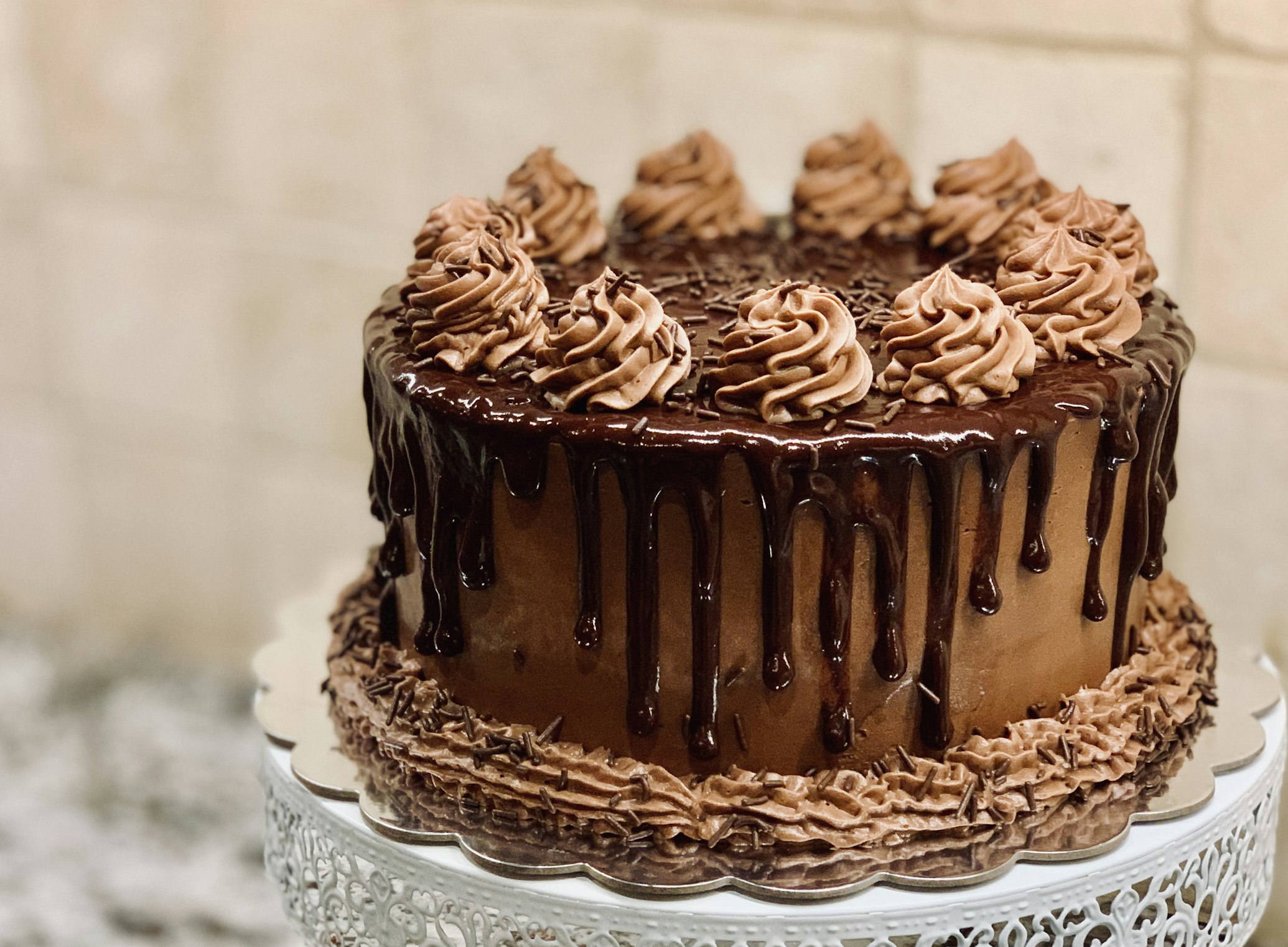
Sticky Toffee Pudding
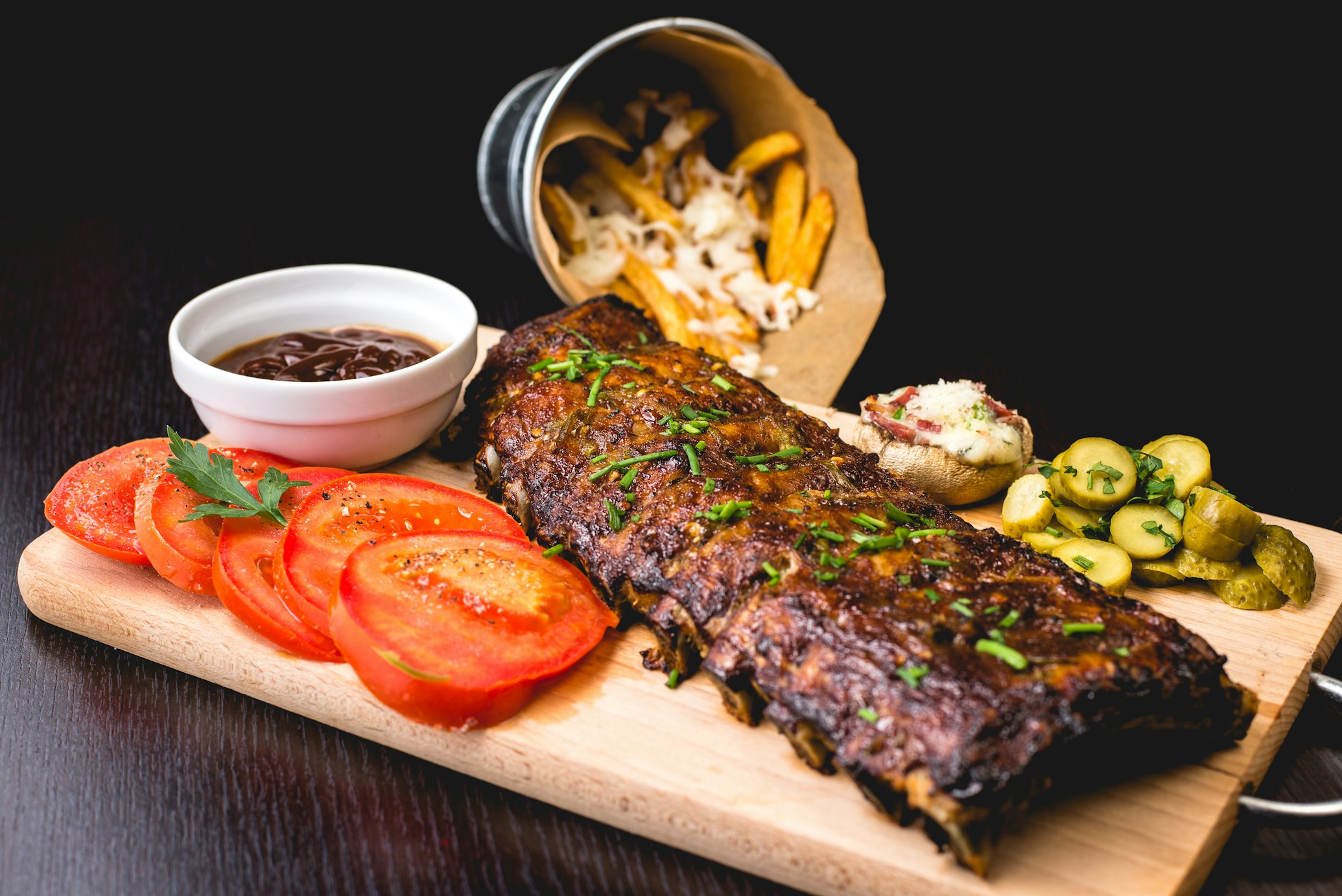
Bangers & Mash
Dining Etiquette
- • Say 'Enjoy your meal' before eating; others reciprocate or nod.
- • Wait for host to begin (formal dinners).
- • Hands on table (visible).
- • Finish everything (shows appreciation).
- • Use cutlery outside-in (multiple forks, proper technique).
- • Knife & fork together on plate signals finished.
- • Bill: ask 'Can we have the bill / check?'
- • Tipping: 10–15% restaurants, discretionary.
Signature Drinks
Shop & Bring Home
UK shopping world-class: luxury brands (Harrods, Selfridges), British heritage (Burberry, Aquascutum), design boutiques, vintage markets. London fashion capital; Oxford Street, Covent Garden major hubs. Duty-free shopping, VAT refunds attractive for international visitors.
Fashion & Designer Brands
£ 50–1,000+
- Burberry, Aquascutum (British heritage)
- Mulberry, Radley (luxury leather)
- Vivienne Westwood, Alexander McQueen (British designers)
- Marks & Spencer, Reiss (accessible)
London fashion capital. British designers globally respected. Department stores (Harrods, Selfridges) luxury flagships. High street fashion affordable.
British Heritage & Crafts
£ 20–500+
- Royal Doulton (Porcelain)
- Wedgwood (Pottery)
- Edinburgh Crystal (Glassware)
- Tweed, Tartan (Scottish heritage)
- Artisan crafts
British craftsmanship world-renowned. Heritage items collectible. Museums sell reproductions, originals.
Books, Literature & Souvenirs
£ 5–100+
- British literature (Shakespeare, Austen, Dickens)
- Royal memorabilia
- History, travel books
- Tea, biscuits, preserves
- Postcards, magnets
Bookstores (Waterstones, Foyles) iconic. Literary souvenirs; Harry Potter merchandise (Platform 9¾ King's Cross). Tea heritage items.
Antiques, Vintage & Collectibles
£ 20–10,000+
- Antique furniture, silverware
- Vintage fashion, records
- Collectible coins, stamps
- Architectural salvage
Portobello Road Market (London), Bath Antique Fair. Vintage culture thriving. Investment pieces available.