Thailand
factsheet
The Land of Smiles—where ornate temples, pristine beaches, vibrant nightlife, and legendary hospitality create Asia's most welcoming destination.
Planning a trip to Thailand? Get the latest on visa requirements, the best time to visit, and a complete packing list for your next tropical adventure trip.
The Essentials
Best Time
Nov - Feb
Currency
THB (฿)
Climate
Tropical Monsoon
Time Zone
UTC+7 (ICT)
Language
Thai, English Widely Spoken
Visa
60-Day Visa-Free / TDAC
Capital
Bangkok
Population
72.8M
Calling Code
+66
Power Plug
Type A, B & C (220V)
Tipping
5-10% optional (50-100 THB small amounts)
Emergency
191 (Police), 1669 (Tourist Police)
History & Heritage
Thailand, the undeniable champion of Southeast Asia's tourism industry, grants Indians visa-free access to experience the nightlife of Bangkok, the luxurious resorts of Phuket, and the beautiful beaches of Krabi. With its unique combination of historical Buddhist temples, Chiang Mai culture, and Pattaya island-hopping, Thailand is destined to become the most preferred travel destination from India 2026.
Early Kingdoms (13th–18th Century)
Thai civilization emerged with the Sukhothai Kingdom (1238–1438), often called the 'Golden Age of Thai culture.' The famous phrase 'In the reign of Ramkhamhaeng the Great, there is abundance in the water and rice in the fields' reflects this era's prosperity. Art, literature, and Theravada Buddhism flourished, establishing foundations for modern Thai identity.
Ayutthaya Empire (1351–1767)
Ayutthaya became one of the world's largest cities, rivaling London and Paris in size and wealth. Strategic location enabled trade with China, Japan, Persia, and Europe. The city's sophistication, architecture, and diplomatic networks made it a beacon of the Southeast Asian world until its fall in 1767.
Thonburi Period (1767–1782)
After Ayutthaya's destruction by Burmese forces, King Taksin established a new capital in Thonburi, revitalizing Thai power and rejecting foreign dominance. This era demonstrated Thai resilience and determination to remain independent.
Chakri Dynasty & Bangkok Era (1782–Present)
King Rama I established the current Chakri Dynasty and founded Bangkok in 1782. The dynasty has guided Thailand through modernization while preserving Buddhist traditions and royal reverence. Kings Rama IV and Rama V negotiated with British and French colonial powers to maintain independence—a unique achievement in colonial-era Asia.
Absolute to Constitutional Monarchy (1932–Present)
In 1932, Thailand transitioned from absolute monarchy to constitutional governance, though politics have remained turbulent with multiple constitutions. Despite challenges, Thailand emerged as a modern nation with a booming economy and tourism industry.
Tourism Powerhouse (1980s–Present)
Thailand transformed into Southeast Asia's undisputed tourism leader, hosting 35.5 million international tourists in 2024, generating over $60 billion in revenue. Indian tourists have surged dramatically, with 2.1 million in 2024 and 1+ million by mid-2025, making India Thailand's 3rd largest source market.[web:750][web:753]
Climate & Weather
Thailand has three distinct seasons: cool-dry (Nov–Feb), hot (Mar–May), and rainy/monsoon (Jun–Oct). The cool-dry season is peak tourism with pleasant temperatures and minimal rainfall. The hot season brings intense heat and humidity but fewer crowds. The rainy season offers lush landscapes and discounted rates but unpredictable weather. Regional variations matter: northern Thailand differs from southern islands.[web:752][web:755][web:758][web:761][web:764]
Time Zone
UTC+7 (ICT - Indochina Time)
2.5 hours behind IST (India Standard Time)
Best Months
November, December, January, February, March
Cool-Dry Season (Nov–Feb)
Nov – Feb
18–32°C (coolest in Dec–Jan)
Peak season: ideal weather nationwide. Cool mornings, warm afternoons, clear skies, minimal rain. Perfect for temples (Chiang Mai), beaches (Phuket, Krabi), trekking. High tourist numbers, premium prices.[web:752][web:758][web:761]
Hot-Dry Season (Mar–May)
Mar – May
30–38°C (Apr hottest, 40°C+ possible)
Very hot and humid. March still pleasant; April–May extremely hot. Songkran Festival (Thai New Year, Apr 13–15) brings water celebrations. Fewer tourists, lower prices. Shoulder season appeal for festival seekers.[web:752][web:758][web:764]
Rainy/Monsoon (Jun–Oct)
Jun – Oct
23–32°C
Southwest monsoon brings heavy rainfall, especially Jul–Sep. Lush green landscapes, dramatic waterfalls. Tourist numbers plummet; deep discounts on accommodation, flights, tours (30–50% off). Less crowded, authentic experience. Weather unpredictable; flights/ferries sometimes cancelled.[web:752][web:758][web:761]
Shoulder Seasons (May & Oct)
May & Oct
25–32°C
Transition months. May: end of cool season, heat rising. October: monsoon ending, skies clearing. Moderate crowds and prices. Weather variable but improving (Oct) or deteriorating (May). Good compromise for budget travelers seeking decent weather.[web:752][web:758]
Seasonal Packing List
Language Guide
Official Language
Thai (ไทย)
Thai is a tonal language with 5 tones (Mandarin has 4, Thai has 5), making it challenging for non-native speakers. English is widely spoken in Bangkok, tourist areas, hotels, restaurants, and among younger generations (under 35). Thai tourism is exceptionally English-friendly compared to other Asian destinations. Learning basic Thai phrases earns immense gratitude from locals.[web:750]
Local Signage
Useful Phrases
Hello
sa-WAH-dee KRAP/KAH
Sawasdee krap/ka
Thank you
KHOP-khoon KRAP/KAH
Khop khun krap/ka
Goodbye
lah KOR nah
La kor nah
Yes / No
CHAI / MY
Chai / Mai
Excuse me
KOT-thod KRAP/KAH
Khot thod krap/ka
How much?
tao RY
Tao rai?
Where is...?
you SY
...yu sai?
Please
choo-AY doo-AY
Chuay duay / Karunatham
Also Commonly Spoken
English
Widely spoken in Bangkok, tourist destinations, hotels, restaurants, tour companies, shopping malls. Southeast Asia's highest English proficiency. Most signs bilingual (Thai/English). Very convenient for Indian travelers.[web:750]
Thai
Official language; Thais deeply appreciate foreigners attempting basic Thai phrases. Tonal language; pronunciation matters. Most Thais forgiving of mispronunciation.
Regional Languages
Isaan (northeastern), Northern Thai (Chiang Mai region), Southern Thai dialects. Understanding varies widely; English and Thai usually understood universally.
Chinese
Mandarin increasingly spoken due to Chinese tourists and business ties, but English still primary lingua franca for international communication.
Currency & Money
Official Currency
Thai Baht
฿ (THB) — 1 THB = 100 Satang
Banknotes
20, 50, 100, 500, 1,000 THB
Coins
1, 5, 10 baht; 25, 50 satang (rarely used)
ATMs & Cash Withdrawal
ATMs abundant in Bangkok, tourist areas, and major cities. Most accept Visa/Mastercard. Withdrawal fees typically 150–200 THB per transaction (paid locally). Withdraw adequate cash; rural areas have limited ATMs. Bangkok Airport offers excellent exchange rates.
Credit & Debit Cards
Accepted in upscale hotels, malls, restaurants, and tourist attractions in Bangkok and cities. Cash essential for street food, local eateries, taxis, temples, and small villages. Digital payments (GCash, Alipay) growing but not universal. Many local businesses cash-only.
Tipping Culture
Tipping not mandatory but appreciated. Rounding up bills or leaving 5–10% in restaurants is polite. Hotel staff, tour guides, and tuk-tuk drivers appreciate tips (20–100 THB). Street food vendors rarely expect tips. Thai people never refuse tips gracefully.
Daily Budget Estimates
Budget Traveler
800–1,500 THB (~$23–43)
Mid-Range Traveler
1,500–3,000 THB (~$43–86)
Luxury Traveler
4,000+ THB (~$114+)
Visa & Entry
Visit official TDAC website (tdac.immigration.go.th) within 72 hours before departure.
Fill online form with passport details, flight information, accommodation address.
Receive confirmation email; take screenshot or print.
Arrive at airport with passport, completed TDAC confirmation, and return/onward ticket.
Present to immigration; receive 60-day entry stamp (instantaneous).
Keep stamp copy safe; required for departure and in-country transactions.
Registration
TDAC automatically registers you upon submission and arrival.
No mandatory registration for 60-day tourists.
Penalty: Overstays incur fines (500 THB/day), deportation for serious violations, future entry bans.
Visa Extension
Visit Immigration Bureau in Bangkok or provincial offices. Submit extension form, photos, fees.
Cost: Extension typically costs 1,900 THB for 30-day extension.
Requirements
- • Valid Indian passport (6+ months validity beyond return date)
- • Completed Thailand Digital Arrival Card (TDAC) confirmation
- • Return or onward flight ticket
- • Hotel booking or contact address in Thailand
- • Proof of sufficient funds: ₹20,000–40,000 equivalent (no exact amount specified)
- • Travel insurance (recommended but not mandatory)
Getting There & Around
Intercity Travel
Trains (State Railway)
Connects major cities (Bangkok–Chiang Mai: 12 hrs, ฿500–2,000). Comfortable sleeper options. Scenic journeys; book in advance.
Buses & Coaches
Extensive network; cheapest option. Air-con buses connect all cities. 500–2,000 THB for long distances. VIP/sleeper options available.
Budget Airlines
Thai AirAsia, Thai LionAir, Nok Air offer cheap flights (500–3,000 THB). Fast (1–2 hours) but book early. Include island hopping in itineraries.
Ferries (Island Hopping)
Essential for southern islands (Phuket, Krabi, Koh Samui). Daily ferries, varying comfort/speeds. 400–1,500 THB depending on route. Scenic, social experience.
Culture & Local Life
Respectful Hospitality with Buddhist Values & Royal Reverence
Thailand is renowned as the 'Land of Smiles' for its warm, welcoming culture rooted in Theravada Buddhism and deep respect for the Thai monarchy. Thai values emphasize harmony, respect for elders and hierarchy, spiritual devotion, and 'sabai sabai' (take it easy). The concept of 'kreng jai' (consideration for others) permeates social interactions. Thai society is hierarchical yet egalitarian in spirit; elders and monks receive utmost respect. Despite modernization, Buddhism and royal reverence remain cornerstones of Thai identity.
Songkran (Thai New Year)
Celebrated April 13–15 with water-throwing festivals symbolizing purification and renewal. Temple visits, family gatherings, and water fights dominate. Travelers are enthusiastically 'attacked' with water in good spirits—a joyful, inclusive celebration.
Loy Krathong Festival
In November (full moon), Thais float small decorated baskets (kratongs) on rivers/lakes to honor the water goddess and release bad luck. Magical, spiritual experience reflecting Thai reverence for nature and spiritual gratification.
Wai Kru (Teacher Appreciation)
Students honor teachers with traditional wai ceremony, showing gratitude and respect for education. Reflects Thai values of respect, hierarchy, and gratitude—deeply ingrained in society.
Spirit Houses
Small shrines (spooky houses) outside homes and businesses honor household spirits. Daily flower and food offerings reflect animistic beliefs blended with Buddhism—unique to Southeast Asia.
Gifting Etiquette
Gifts appreciated but not mandatory. Avoid knives (cutting friendship), clocks (associated with death), or cutting tools. Wrap gifts neatly; opening immediately shows appreciation. Gifts presented/received with both hands. Fresh flowers, chocolates, or quality items always welcome.
Business Etiquette
Business cards exchanged with both hands and studied respectfully. Meetings often start with pleasantries; jumping to business is abrupt. Hierarchy important; respect positions and age. Firm handshakes appropriate; avoid excessive touching. Punctuality valued in modern Bangkok; rural areas more relaxed.
Dining Etiquette
Wait for elders or most honored guest to begin eating. Meals shared communally; take small portions initially. Use spoon as primary utensil; fork guides food onto spoon (never put fork in mouth). Never waste rice (sacred). Compliment the cook. Slurping noodles/soups shows appreciation. Try everything offered; refusing is insulting.
Food & Drink
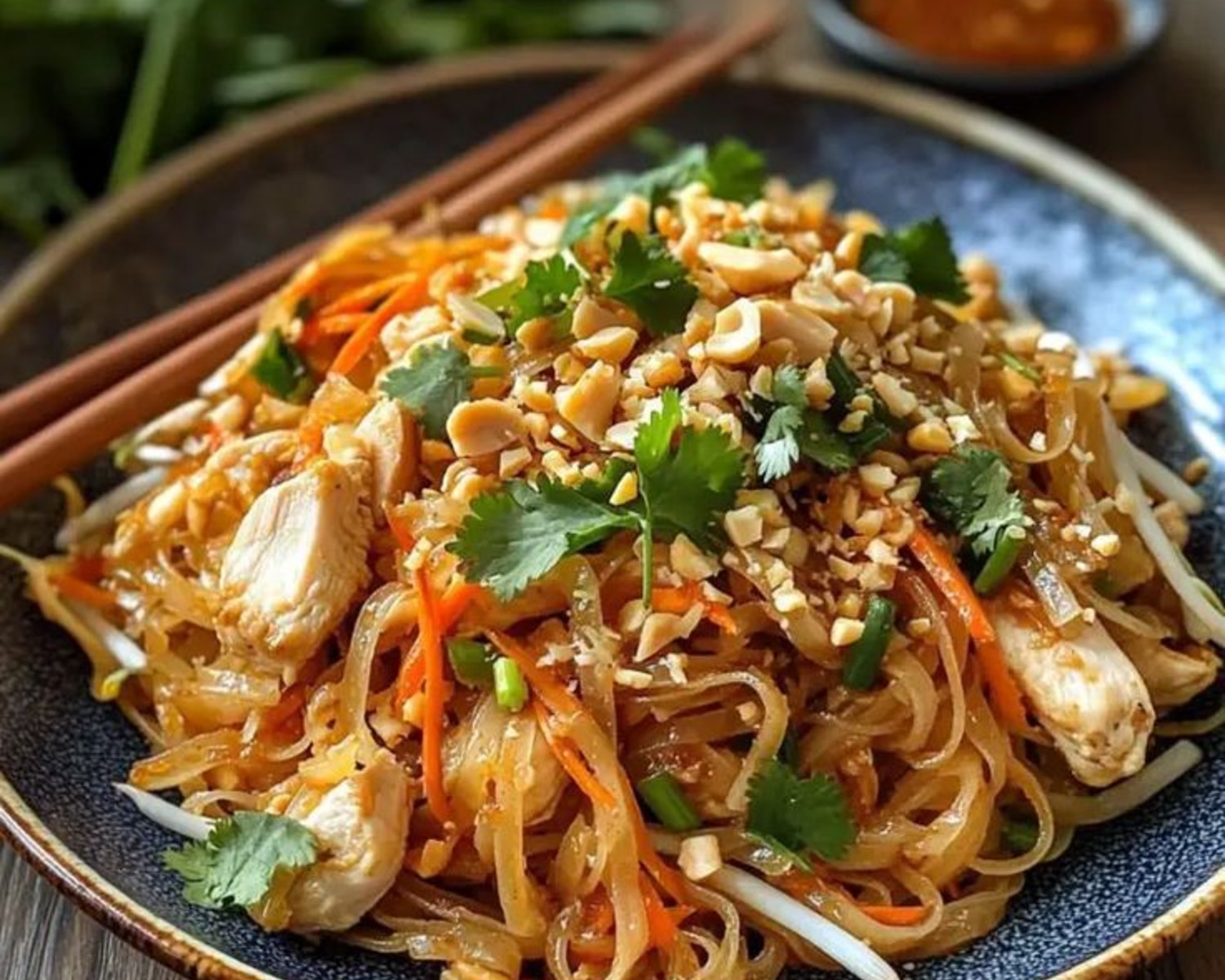
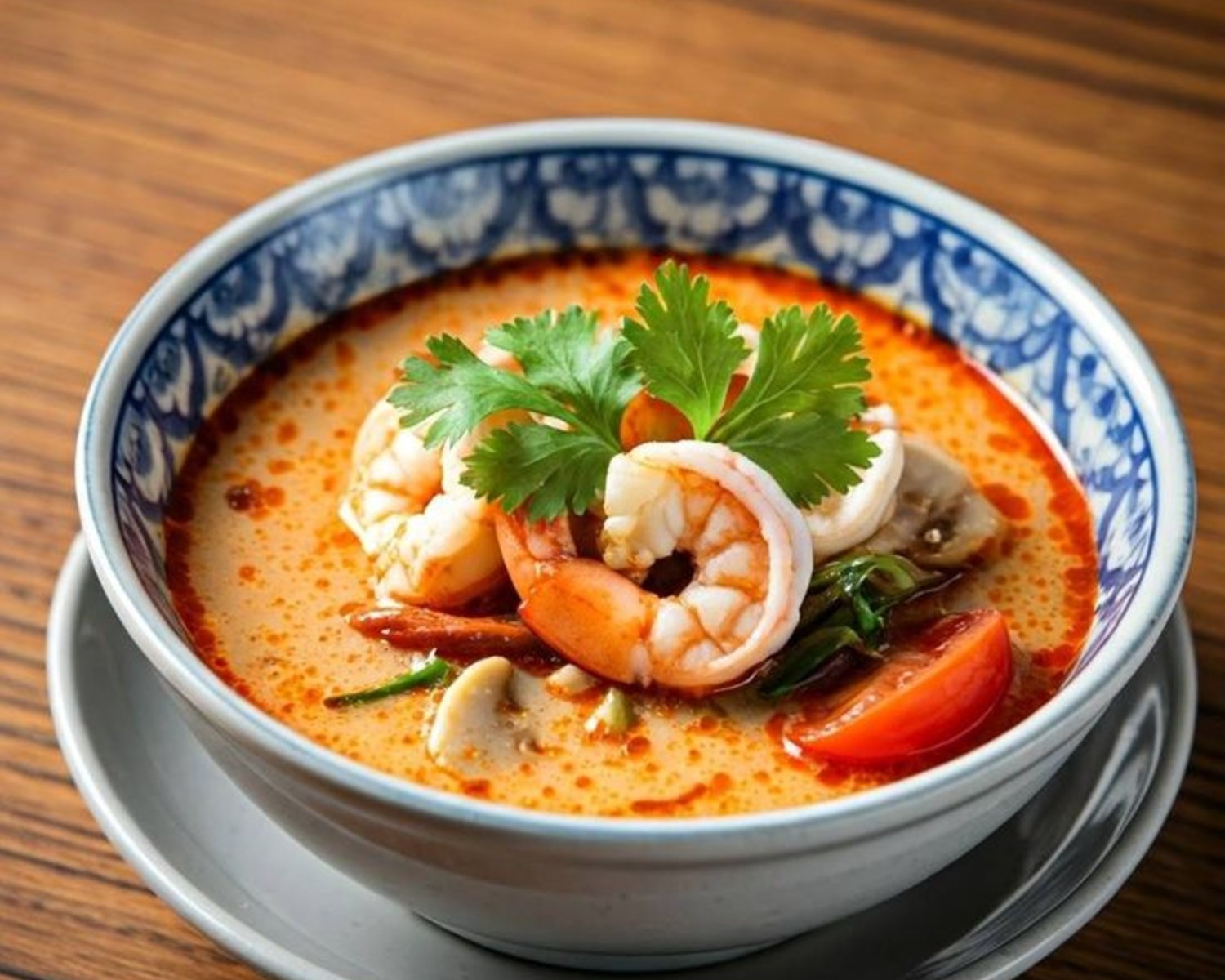
Thai cuisine is a harmonious balance of four core flavors—spicy, sour, sweet, and salty—representing philosophical balance. Meals are communal, meant for sharing, emphasizing togetherness. Fresh herbs, aromatic spices, coconut, and fish sauce define Thai cooking. Rice is sacred, served at every meal. Thai food culture emphasizes natural ingredients, simplicity, and flavor complexity. From street food stalls to fine dining, Thai cuisine offers incredible culinary experiences at all price points, making it immensely popular with Indian travelers familiar with communal dining and spice appreciation.
Pad Thai
Tom Yum Goong
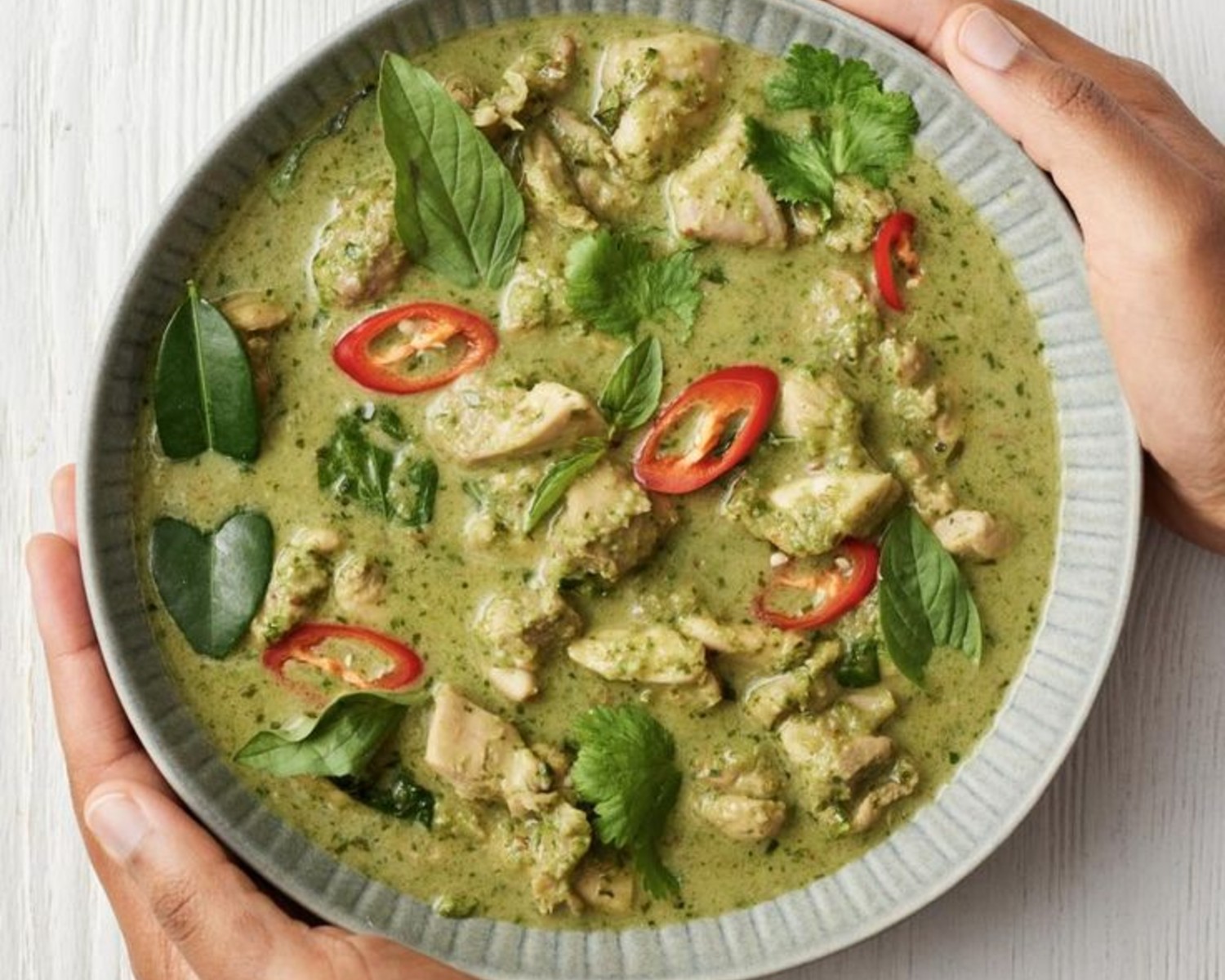
Green Curry (Kaeng Keow Waan)
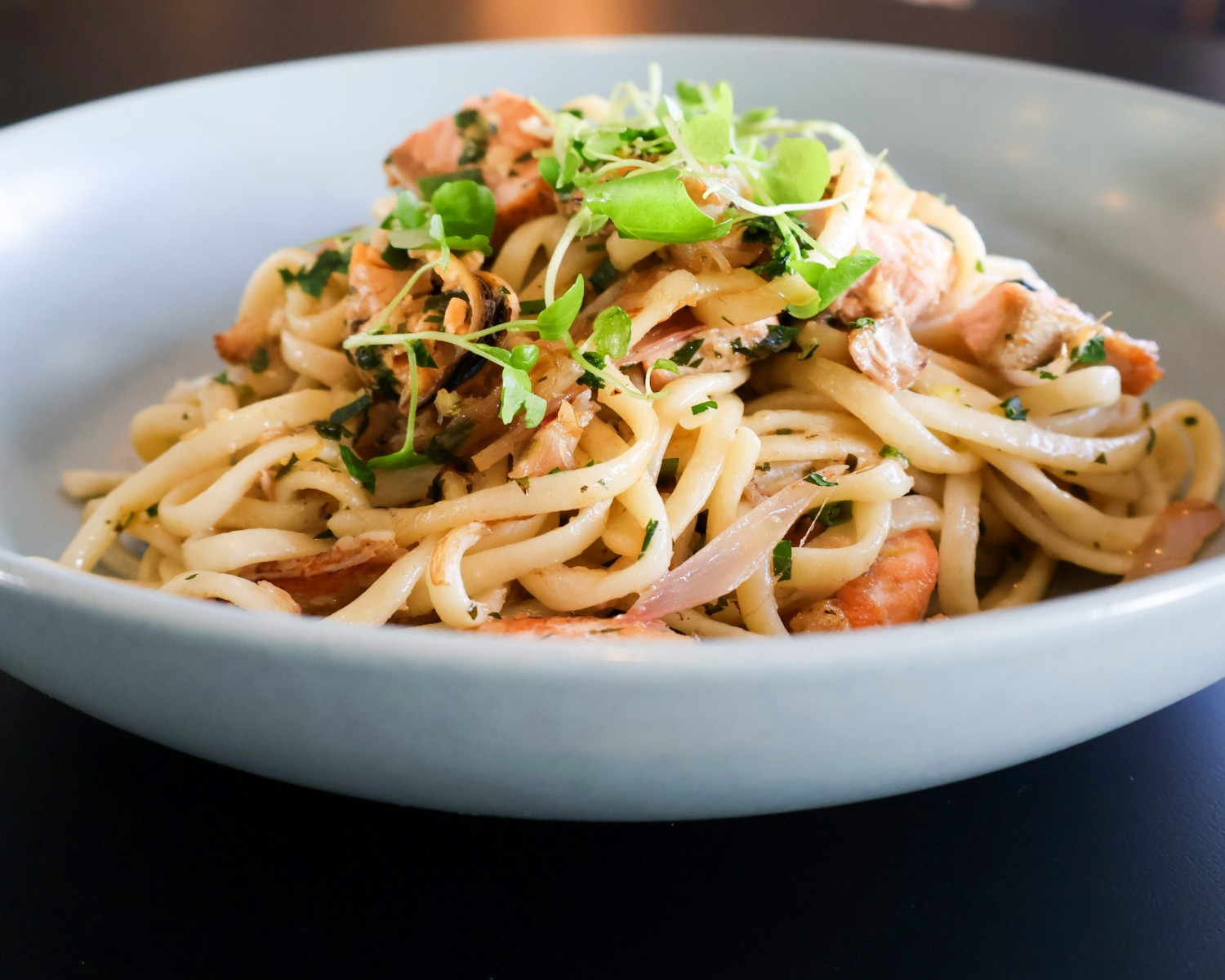
Som Tam
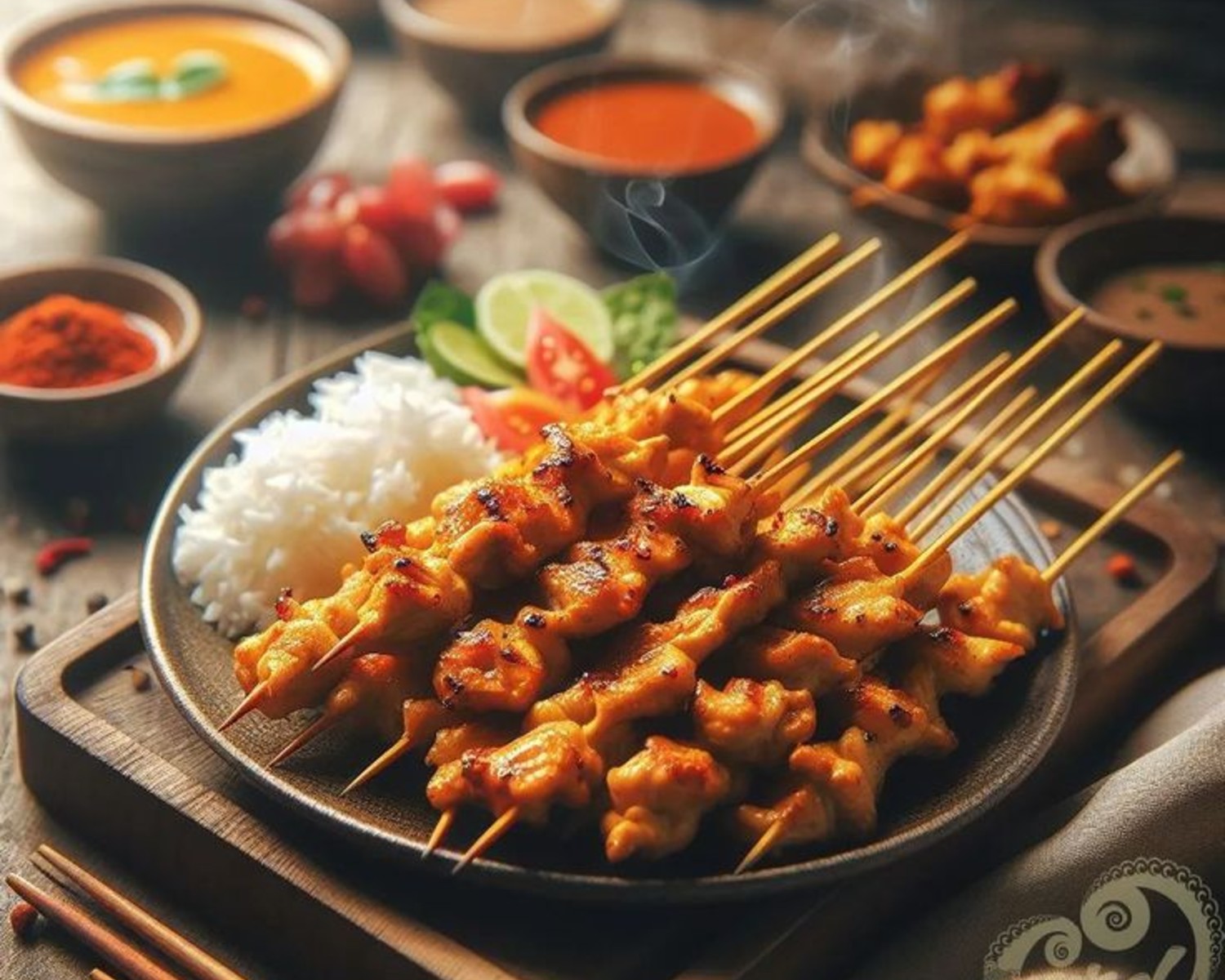
Satay (Sate)
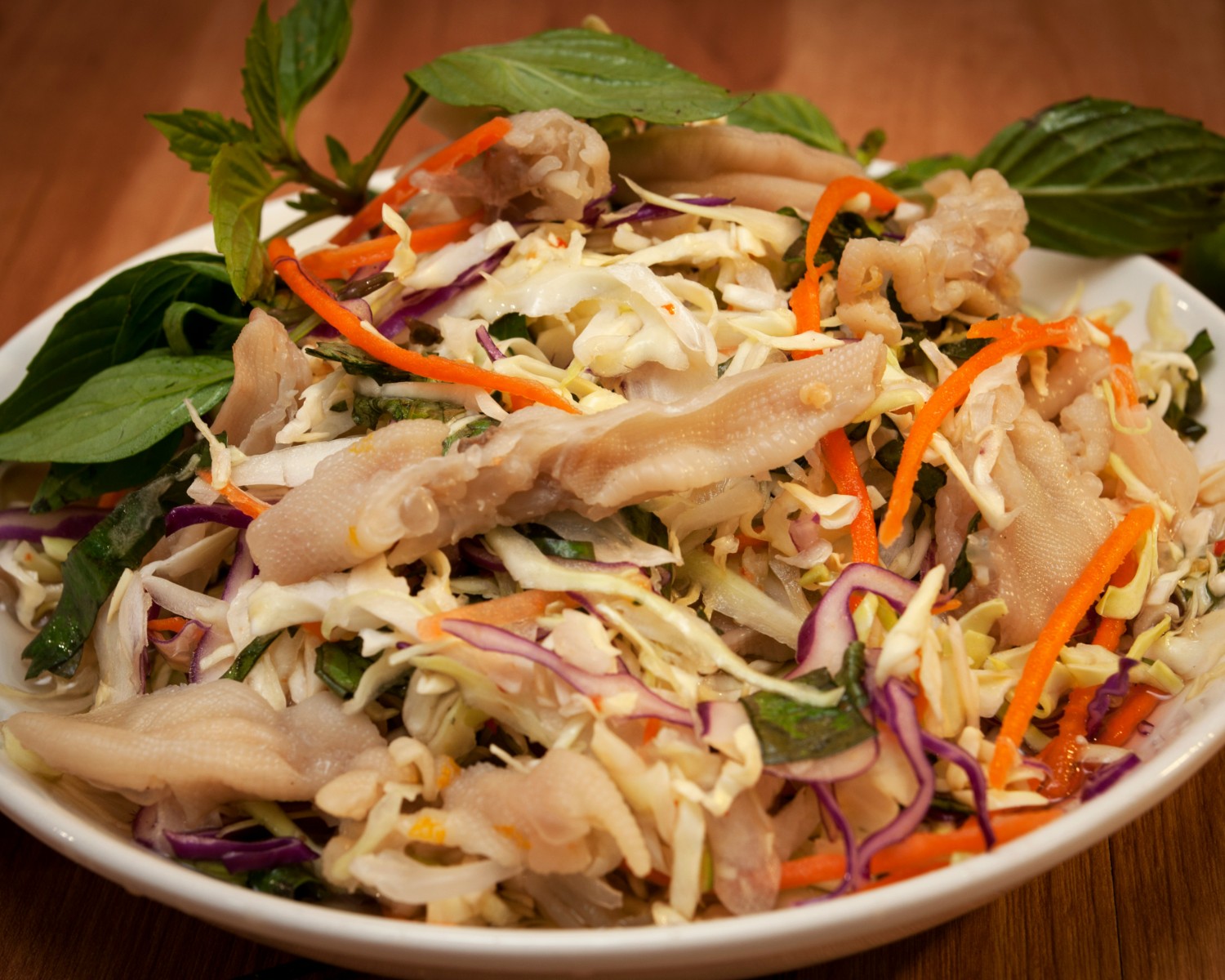
Larb
Dining Etiquette
- • Meals are communal; dishes placed in center for everyone to share from.
- • Rice is sacred—never waste it, place it upside down, or step over it.
- • Use spoon (right hand) as primary utensil; fork (left hand) guides food onto spoon. Never put fork in mouth.
- • Wait for elders or honored guests to begin eating.
- • Slurp soups and noodles audibly—shows enjoyment and appreciation.
- • Try everything offered; refusing is considered insulting.
- • Take small portions initially; you can return for more.
- • Leave small amount of rice on plate if very full (suggests meal quality was abundant).
- • Vegetarian and vegan options readily available; inform vendors of dietary preferences.
Signature Drinks
Shop & Bring Home
Thailand shopping ranges from ultra-modern mega-malls (Bangkok's Emporium, Siam Paragon) to vibrant night markets and artisan workshops. Bangkok is Southeast Asia's shopping capital. Traditional crafts (silk, handicrafts), contemporary goods, luxury brands, and street market finds coexist. Shopping culture is integral to Thai tourism; sales on seasonal goods make deals irresistible. From silk scarves to electronic gadgets, Thailand offers exceptional value for Indian travelers.
Thai Silk & Textiles
500–5,000 THB+
- Hand-woven Thai silk scarves
- Silk clothing & robes
- Woven textiles & home decor
- Embroidered cushions
Jim Thompson Thai Silk Company famous for authentic, premium silk. Support artisan workshops directly.
Handicrafts & Souvenirs
200–2,000 THB
- Wooden Buddha statues
- Ceramic bowls & plates
- Woven baskets & lacquerware
- Silver jewelry from Chiang Mai
Chiang Mai Night Bazaar and Luang Prabang craft villages source authentic pieces.
Thai Spices & Foods
100–500 THB
- Thai curry pastes
- Dried chilies & spices
- Coconut-based products
- Thai snacks & sweets
Or Tor Kor Market (Bangkok) offers premium, fresh products. Great for souvenirs.
Luxury & Designer Goods
₼ Variable (₼100–10,000+)
- International luxury brands
- Local Thai designers
- Fashion & accessories
- Jewelry (including sapphires)
Bangkok malls offer duty-free shopping. Thai sapphires world-famous; verify authenticity.