Switzerland
factsheet
A Land of Alpine Splendor: Where Precision Engineering, Timeless Beauty, and Multilingual Sophistication Define European Excellence.
Plan your Swiss getaway with ease. Discover the ideal trip duration, climate highlights by season, and must-know visa requirements for a seamless journey.
The Essentials
Best Time
May - Oct
Currency
CHF (₣)
Climate
Temperate Alpine
Time Zone
UTC+1/+2
Language
German/French/Italian
Visa
Schengen Visa
Capital
Bern
Population
9.1M
Calling Code
+41
Power Plug
Type C & J (230V)
Tipping
Service included (10-15% appreciated)
Emergency
112 (Police), 117 (Ambulance), 118 (Fire)
History & Heritage
Switzerland is a unique story of the Swiss Alps tradition, mountaineering culture, and national sovereignty, thus being one of the main attractions in Switzerland tourism and European history. In addition, Switzerland became renowned for its high-level banking sector, finance, and precision engineering industry, which includes Swiss watches and luxury products. Combining ancient monuments, picturesque alpine scenery, and innovative technologies, Switzerland is a perfect combination of tradition, democracy, and economic prosperity, thus being one of the best destination for luxury tourism and winter tourism in Europe.
Ancient Helvetii (500 BC - 58 BC)
Celtic tribes known as the Helvetii inhabited present-day Switzerland. When they attempted to migrate westward in 58 BC, Julius Caesar's Roman legions defeated them at Bibracte, leading to Roman occupation that would last 500 years. Roman roads, settlements, and Latin language left indelible marks on Swiss culture.
Roman & Early Medieval Era (15 BC - 1000 AD)
Emperor Augustus completed Roman conquest of Alpine territories in 15 BC. Roman legacies—Lugdunum (Lausanne), Aventicius (Avenches), Augusta Raurica (Basel)—became foundation cities. After Rome's collapse, Germanic tribes migrated, establishing kingdoms. The region fragmented into feudal territories under competing powers: Holy Roman Empire, kingdoms of Burgundy and Lorraine. By the 11th century, territorial fracturation defined the landscape.
The Founding Oath - 1291 (Rütli Oath)
On August 1, 1291, representatives from three mountain cantons—Uri, Schwyz, and Unterwalden (Nidwalden)—swore a perpetual alliance to defend their freedoms and autonomy against foreign powers, particularly the Habsburg dynasty. This Federal Charter (Bundesbrief) is considered Switzerland's founding document and remains the source of Swiss National Day. What began as mutual defense evolved into a confederation that would redefine governance.
Expansion & Renaissance (1300-1515)
Through military victories and strategic alliances, the Swiss Confederation expanded from 3 to 13 cantons by 1513, absorbing territories from Swiss Romand, Ticino, and Germanic regions. The decisive Battle of Marignano (1515) against French-Venetian forces marked the end of Swiss territorial expansion and the beginning of the doctrine of armed neutrality—no longer would Switzerland export conquest, only independence.
Reformation & Religious Turmoil (1523-1648)
Huldrych Zwingli initiated Reformation in Zurich (1523); John Calvin revolutionized Geneva (1536) with stern Protestantism. Religious wars fractured Catholic and Protestant cantons. The Thirty Years' War (1618-1648) devastated neighboring territories, but Switzerland's diplomatic neutrality preserved it from direct involvement. The Peace of Westphalia (1648) formally recognized Swiss independence—a watershed moment.
Enlightenment & Napoleonic Upheaval (1648-1815)
Switzerland evolved into a federation of semi-independent cantons, each pursuing distinct policies. The French Revolution's ideals clashed with conservative rural traditions. Napoleon forcibly united Switzerland into the Helvetic Republic (1798-1803), imposing centralization. After Napoleon's defeat, the Congress of Vienna (1815) restored cantonal independence while guaranteeing Switzerland's 'perpetual neutrality'—a status that would define foreign policy for centuries.
Modern Federal State & Global Influence (1847-Present)
The Sonderbund War (1847), Switzerland's last domestic military conflict, resulted in a new Federal Constitution (1848) establishing a centralized federal state with strong cantonal autonomy. Switzerland industrialized rapidly, leveraging Alpine hydropower, precision engineering, banking, and chocolate production. Today, despite not joining the EU or UN, Switzerland remains a global financial hub, watches leader, and host to international organizations. Its dual identity—fiercely independent yet globally engaged—remains unshaken.
Climate & Weather
Switzerland features temperate Alpine climate with extraordinary regional variation. Lowlands (Zurich, Bern, Geneva) experience moderate four seasons. Alpine regions (Valais, Bernese Oberland, Appenzell Alps) show dramatic temperature drops with altitude. Mediterranean influence affects southern Ticino. Winter ski season (Dec-Mar) is peak for mountain sports; summer (Jun-Aug) dominates hiking and lake tourism. Shoulder seasons (May-June, Sep-Oct) offer mild weather and fewer crowds.
Time Zone
CET (Central European Time) UTC+1, or CEST (Central European Summer Time) UTC+2 late March - late October
4.5 hours behind IST in winter; 3.5 hours behind IST in summer
Best Months
May, June, September & October
Spring (Frühling)
Mar – May
8–15°C (lowlands); 0°C (mountains)
Alpine meadows bloom with wildflowers. Cows begin pasturing (Alpaufzug). Cascading waterfalls from snowmelt. Easter ski season overlaps with spring hiking. Fresh green valleys frame snow-capped peaks. UNESCO-rich Interlaken region awakens. Light crowds, excellent hiking.
Summer (Sommer)
Jun – Aug
18–28°C (lowlands); 5-15°C (mountains)
Peak season: full mountain accessibility, crystal-clear lakes (Zurich, Geneva, Lucerne), hiking without snow, festival season (Montreux Jazz, Lucerne Festival). Extremely long daylight (sunset ~10 PM). Crowded attractions, higher prices. Mountain railways, Alpine pastures, outdoor dining culture at peak.
Autumn (Herbst)
Sep – Oct
15–25°C (lowlands); 0-10°C (mountains)
Golden season: Alpine meadows turn ochre and russet. Vendanges (wine harvest) celebrations in Valais, Lavaux. Fewer tourists than summer; mild hiking weather. Crisp air, brilliant visibility of peaks. Larch trees glow golden. Indian summer in early September, cool nights in late October. Ideal for trekking, photography, regional wine festivals.
Winter (Winter)
Nov – Feb
-2–7°C (lowlands); -10°C+ (mountains with heavy snow)
World-class ski resorts: Verbier, Zermatt, Interlaken. Lowland cities see occasional snow (picturesque but rare). Christmas markets (Basel, Bern, Zurich) with mulled wine and artisan crafts. Cozy indoor culture: fondue, chocolate shops, spas. Budget prices outside ski resorts. Alpine scenery under blankets of white.
Seasonal Packing List
Language Guide
Official Language
Four official languages: German (63%), French (23%), Italian (8%), Romansh (0.5%)
Switzerland is linguistically complex. German dominates central, eastern, northern Switzerland; French dominates west (Romandie) and Geneva; Italian in Ticino (south); Romansh in Graubünden. This multilingual heritage reflects political autonomy—each canton preserves linguistic identity. Swiss German (Schweizerdeutsch) differs significantly from standard German, creating a distinct regional identity. French here carries Swiss-French accent and vocabulary. English increasingly spoken by youth, hotel staff, and in international cities, but locals appreciate effort in local language. German speakers often speak English well; Romandie less so.
Local Signage
Useful Phrases
Hello (German)
GREW-ess-ee
Grüezi
Hello (French)
bawn-ZHOOR
Bonjour
Thank you (German)
DAHN-kuh shun
Danke schön
Thank you (French)
mehr-SEE boe-KOO
Merci beaucoup
Goodbye (German)
owf VEE-der-zay-en
Auf Wiedersehen
Goodbye (French)
oh ruh-VWAHR
Au revoir
Yes / No (German)
yah / nine
Ja / Nein
Yes / No (French)
WEE / NAWN
Oui / Non
Also Commonly Spoken
English
Widely understood in major cities (Zurich, Geneva, Bern), hotels, and restaurants. German-speakers often speak fluent English; Romandie less so. Young people (under 30) generally comfortable in English. Tourism industry is multilingual.
German (Swiss)
Schweizerdeutsch differs from standard German—difficult for non-native speakers. Locals appreciate effort to speak standard German. Signs and written materials use standard German.
French (Swiss)
Swiss French (Romandie) has distinct accent and vocabulary. Slightly formal, respectful register. Geneva particularly cosmopolitan with English adoption.
Italian
Spoken in Ticino (southern canton). Milan is close; some Italian tourism and business presence. Italian-speakers often speak English too.
Currency & Money
Official Currency
Swiss Franc
₣ (CHF) — ₣1 = 100 Rappen
Banknotes
10, 20, 50, 100, 200, 1000 CHF
Coins
5, 10, 20, 50 Rappen; 1, 2, 5 CHF
ATMs & Withdrawal
Ubiquitous in cities and towns. Most accept international Visa/Mastercard. Fees minimal (typically 2-4 CHF). Withdraw in larger cities; remote Alpine villages may lack ATMs. Bank opening hours: Mon-Fri 8 AM-4:30 PM.
Credit & Debit Cards
Widely accepted in hotels, restaurants, malls, and tourist sites. Contactless payments very popular in Switzerland. Many smaller cafés and village shops still prefer cash. Notify your bank of travel to avoid blocks.
Tipping Culture
Service charge (typically 5-10%) often included in restaurant bills. Rounding up to nearest CHF 5 or 10 is customary for good service. Hotel housekeeping: CHF 2-3/night appreciated. Tour guides: CHF 10-20 per group expected. Taxi drivers: round up to next CHF 5. Tipping less obligatory than in US but appreciated.
Daily Budget Estimates
Budget Traveler
CHF 70-100 (~$55-80)
Mid-Range Traveler
CHF 120-200 (~$95-160)
Luxury Traveler
CHF 300+ (~$240+)
Visa & Entry
Determine which Swiss consulate covers your jurisdiction: Delhi (covers Northern India), Mumbai (Western & Central), Bangalore (Southern), Kolkata (Eastern), Chennai (part of Southern India).
Schedule visa appointment online through Swiss consulate website (typically 2-week wait during peak season).
Complete visa application form (Schengen C visa form, available online).
Gather all required documentation (listed below).
Attend appointment with biometric collection (fingerprints, photograph). Both spouses/children must attend individually.
Wait 5-15 business days for processing decision.
Collect passport with visa sticker or receive rejection letter.
Note: Swiss Schengen visa issued as physical sticker in passport; digital copies not accepted at borders.
Registration
Keep visa in passport, hotel confirmations, and receipts as proof of legal presence. SIS (Schengen Information System) records your entry/exit automatically.
No formal registration required for Schengen tourism visa (unlike long-stay visas for work/study).
Penalty: Overstaying visa results in fines (CHF 500-2,000), Schengen blacklisting for 1-5 years, deportation. Swiss authorities enforce strictly.
Visa Extension
Apply before visa expiration at local cantonal migration office (Kantonale Migrationsbehörde). Processing 1-2 weeks. Rarely approved for tourism; requires documented emergency reason.
Cost: CHF 150-200 depending on reason and canton. Processing fees non-refundable.
Requirements
- • Valid passport (issued within 10 years, valid at least 3 months beyond intended departure, minimum 2 blank pages).
- • Completed Schengen visa application form (Form C, signed, dated, three months in advance preferred).
- • Two biometric passport photographs (35mm x 45mm, white background, taken within last 6 months, ICAO standards).
- • Detailed travel itinerary (cities, dates, duration, activities planned in Switzerland and other Schengen countries).
- • Confirmed hotel bookings or Airbnb reservations for every night of stay (hotels reserve rooms until 6 PM unless confirmed).
- • Round-trip flight tickets (flexible/changeable tickets acceptable; proof of planned return mandatory).
- • Schengen travel insurance (minimum €30,000 coverage, valid throughout Schengen Area including emergency repatriation, valid for entire intended stay).
- • Proof of financial means (bank statements 3-6 months showing CHF 120-150/day minimum, ~₹13,000-16,000/day, or sponsorship letter from Swiss resident guarantor with proof of income CHF 3,500+/month).
- • Proof of employment or studies (employment letter on company letterhead, enrollment certificate from university, business registration if self-employed).
- • For self-employed: Business registration certificate, 2-3 years tax returns, recent invoices, proof of business continuity.
Getting There & Around
Intercity Travel
SBB High-Speed Trains
InterCity (IC) and InterCity Express (ICE) connect major cities. Zurich-Geneva 3h; Zurich-Bern 1h 10m; Zurich-Basel 1h 15m. Modern, comfortable, frequent. CHF 30-150 depending on booking time and distance. Reservations recommended peak season.
Mountain Railways
Unique Swiss system: cogwheel trains (Zahnradbahn), funiculars, aerial cableways access Alpine peaks. Jungfraujoch (highest railway station in Europe, 3,454m), Gornergrat, Rigi, Pilatus. Experiences included in Swiss Travel Pass (with reservations). CHF 50-150 single journeys.
PostBus (Regional)
Yellow buses (iconic Swiss symbol) reach remote Alpine villages inaccessible by train. Scenic routes through mountain passes. Integrated with SBB ticketing. Budget option for regional exploration. CHF 10-40 per route.
Lake Boats
Scenic boat travel on Lakes Zurich, Geneva, Lucerne, Thun. Integrated into public transport system (included in Swiss Travel Pass). Leisurely way to see Alpine scenery. Meals and beverages available onboard.
Getting Around
SBB Trains
S-Bahn, RegioExpress, InterCity trains covering entire country. Modern, clean, highly punctual (average delay: <1 minute). Single tickets CHF 3-15 depending on distance. SwissPass covers unlimited travel.
Buses & Trams
Extensive urban network in Zurich, Bern, Geneva, Lucerne. Same integrated ticketing as trains. Trams (Straßenbahnen) efficient in German-speaking cities. Buses cover smaller towns and Alpine valleys.
Taxis / Ride Apps
Uber and Bolt operate in major cities. CHF 15-30 typical city journey. Official white taxis at stands; meter-regulated. More expensive than apps but reliable. No negotiation—Swiss prices fixed.
Bikes & E-Bikes
Swiss urban cycling culture strong (flat cities like Zurich, Bern). Bike lanes ubiquitous. Rentals: CHF 20-30/day. E-bike rentals: CHF 40-50/day. Helmets recommended. City infrastructure extremely bike-friendly.
Walking
Cities extremely walkable (Old Towns on foot). Mountain access via cable cars, cogwheel railways, funiculars. Many Alpine destinations car-free (Zermatt, Wengen, Mürren). Hiking infrastructure exceptional (60,000+ km marked trails).
Culture & Local Life
Precise Efficiency with Alpine Warmth
Swiss culture balances legendary punctuality and quality-obsession with genuine hospitality and Alpine friendliness. Deeply democratic and egalitarian despite wealth disparities, Swiss value consensus, discretion, and respect for privacy. The cultural diversity (German, French, Italian, Romansh) creates distinct regional personalities. Contemporary society melds ancient Alpine traditions (yodeling, alphorn music, summer pasturing ceremonies) with cutting-edge innovation (watches, pharmaceuticals, banking). Formality and reserve characterize first meetings; relationships warm noticeably once trust is established.
Alpine Cheese-Making & Alp Festivals
Summer Alpaufzug (cattle ascent) and Alpabfahrt (cattle descent) ceremonies celebrate seasonal Alpine pasturing. Farmers traditionally move cows to high Alpine meadows (Alps) in June, returning them to valleys in September. These processions feature decorated cows, brass bands, and traditional costumes (Edelweiss shirts). Cheese-making in high-altitude dairies (Alpkäse) is UNESCO-recognized cultural heritage reflecting centuries of Alpine farming tradition.
Sechseläuten (Zurich Spring Festival)
Every third Monday in April, guild members parade through Zurich in historical costumes with horse-drawn carriages. The climax: burning the 'Böögg' (snowman filled with firecrackers) symbolizes winter's end. Folklore says explosion speed predicts summer quality: fast explosion = beautiful summer, slow = poor. Celebrated since 17th century; quintessential Swiss tradition blending medieval guild heritage with Alpine culture.
Fondue & Raclette: Communal Cheese Rituals
Winter tradition of gathering around bubbling cheese pots (fondue) or scraping melted wheels (raclette) embodies Swiss communal spirit. Fondue originated in Fribourg; raclette from Valais. Diners share bread-dipping forks or potatoes, creating intimate social bonds. More than cuisine—fondue and raclette are ritual social events binding family and friends during Alpine winters. UNESCO recognizes Swiss gastronomic meal as intangible cultural heritage.
Yodeling, Alphorn & Cowbell Traditions
Alpine culture preserved through yodeling (distinctive vocal technique), alphorn music (wooden horn echoing through mountains), and decorative cowbells (Appenzell traditions). These traditions, rooted in mountain shepherding communication, remain alive through festivals, ceremonies, and cultural events. Edelweiss embroidered shirts and traditional costumes represent rural solidarity and Alpine identity. Despite modernization, these traditions persist as living connection to mountain heritage.
Gifting Etiquette
Avoid knives (symbolize severing friendship), clocks (death associations), or handkerchiefs (sadness). High-quality wine, Swiss chocolate, or flowers in odd numbers (1, 3, 5) are perfect. Gifts wrapped beautifully—presentation matters significantly. Open gifts after guest departs, not immediately. Business gifts should be moderate (CHF 50-100 value); too expensive appears suspicious.
Business Etiquette
Business cards exchanged formally, with right hand, studied before pocketing. Meetings start and end punctually. Formal 'Sie' used until invited to use 'du' (which takes longer in Swiss culture than other German-speaking countries). Presentations should emphasize precision, data, and quality. Consensus-building preferred over top-down decisions. Handwritten notes appreciated more than digital communication initially.
Dining Etiquette
Wait for host to begin eating. Bread often accompanied meals (tearing not cutting). Swiss dining emphasizes quality over speed; rushing is rude. Use cutlery from outside-in during multi-course meals. Compliment food sincerely. Never eat while walking. Fondue and raclette have specific etiquette: dip bread precisely, replace lost bread on fork before re-dipping (tradition: drop bread = kiss nearby person). Wine is paired thoughtfully with meals.
Food & Drink
Swiss cuisine reflects Alpine geography and cultural diversity. German-Swiss traditions dominate (fondue, raclette, rösti), while French Romandie offers refined bistro cuisine, and Ticino presents Italian influences. Quality ingredients—mountain cheese, Alpine cream, cold-pressed oils, Swiss chocolate—define Swiss food. Meals emphasize tradition, seasonality, and precision craftsmanship. Switzerland's Michelin stars punch above weight per capita. Chocolate is legendary (Swiss invented solid milk chocolate 1875); Swiss watches are equaled only by Swiss chocolate in global prestige.
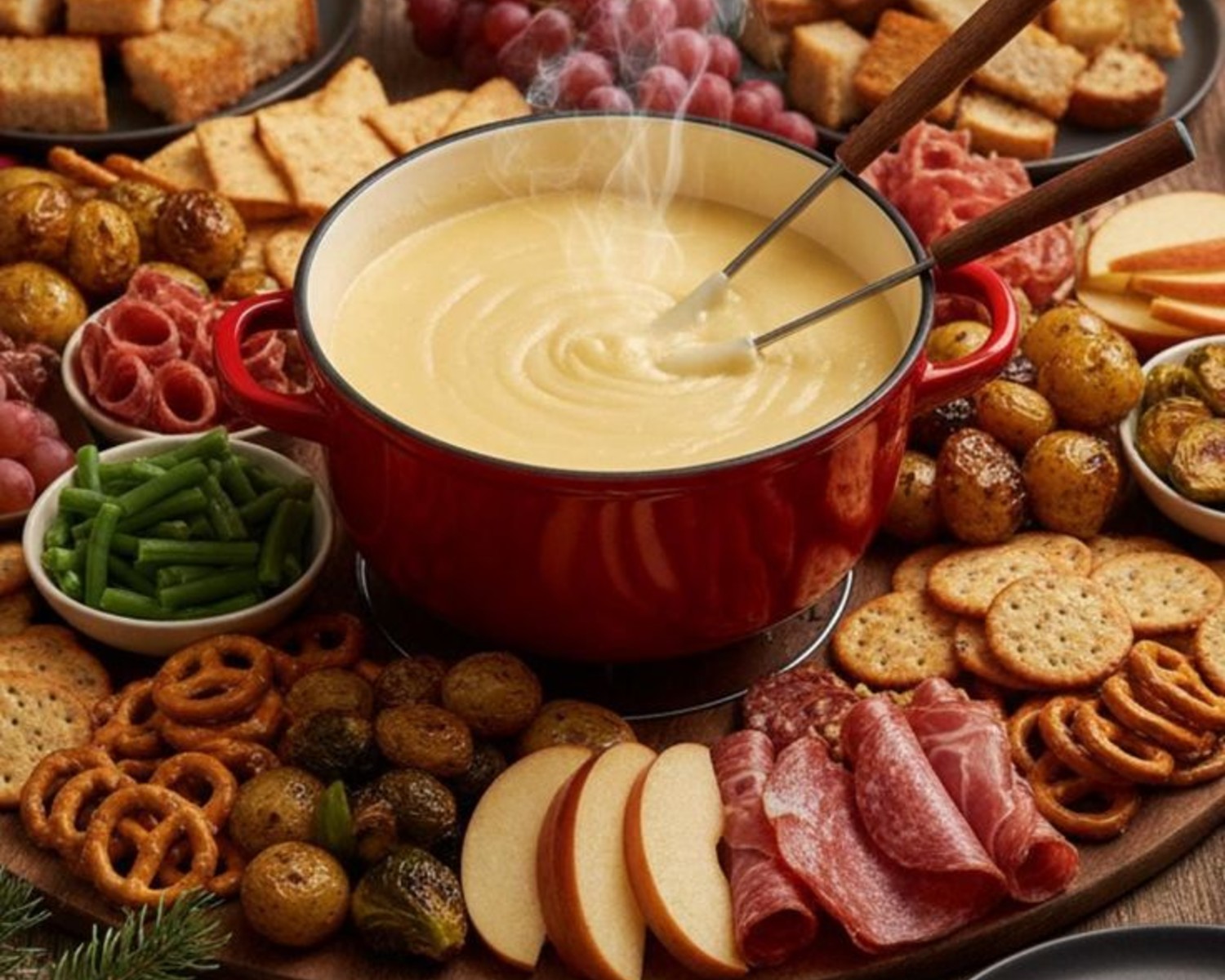
Cheese Fondue
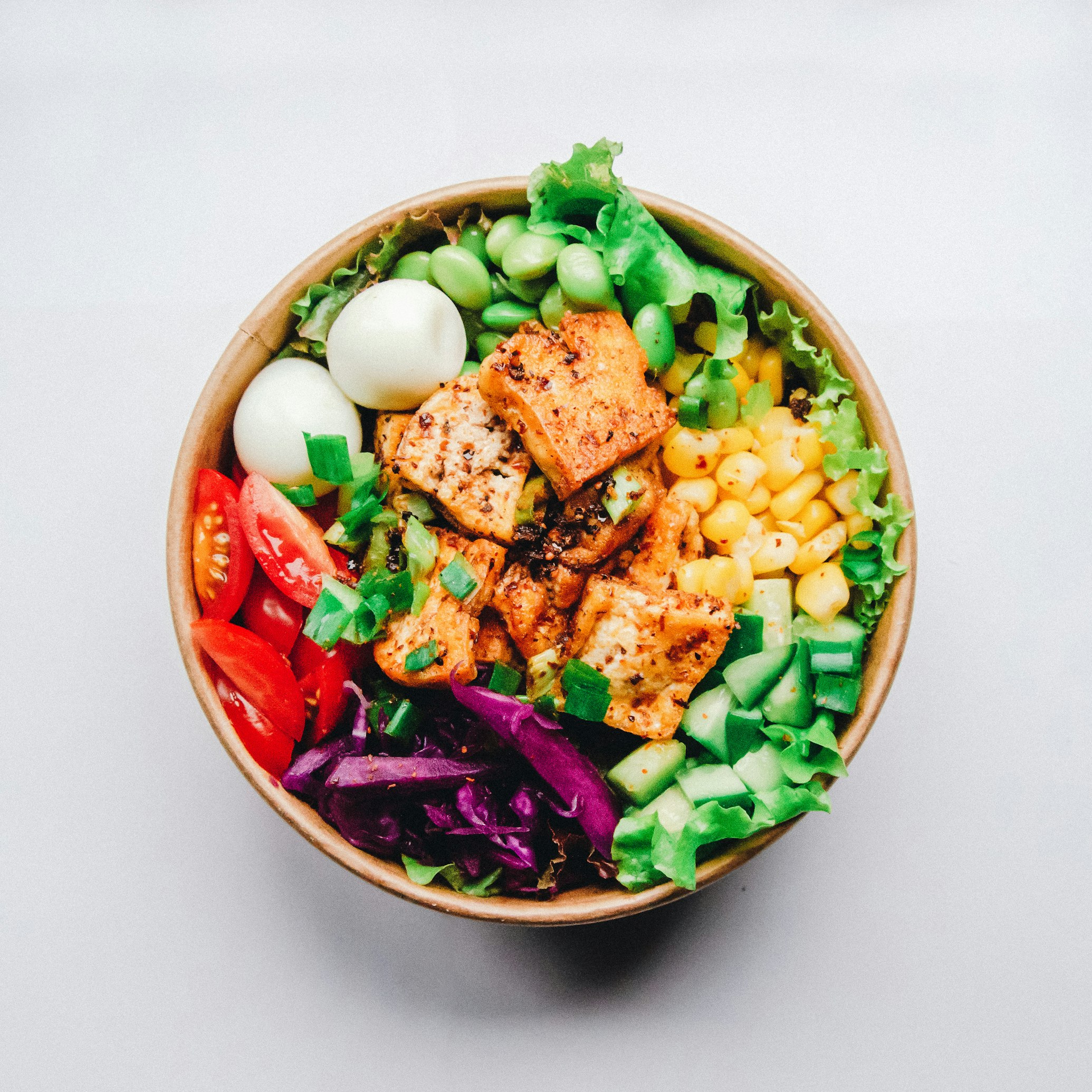
Raclette

Rösti
Zürcher Geschnetzeltes
Älplermagronen

Birchermüesli
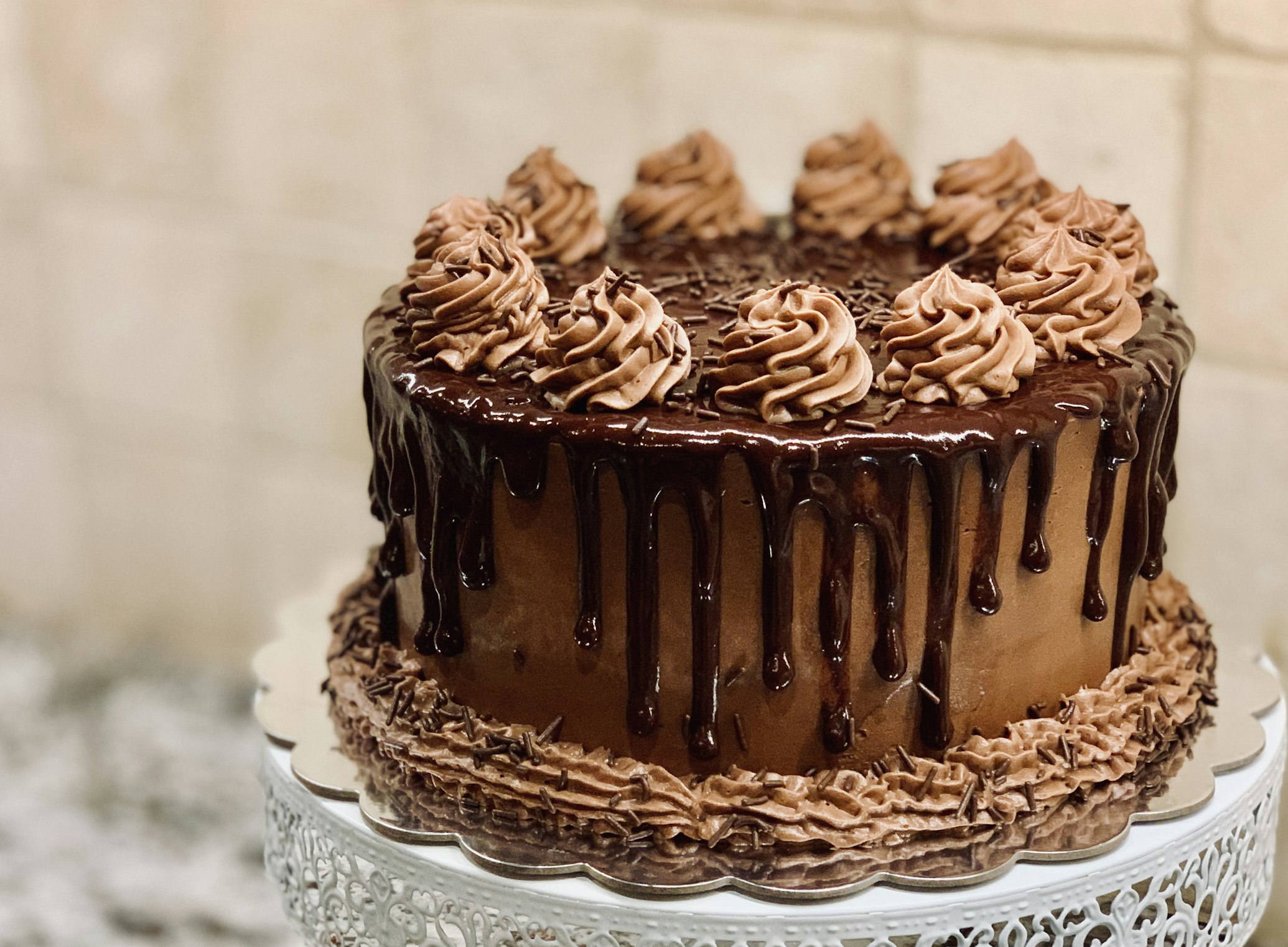
Swiss Chocolate
Dining Etiquette
- • Meals are timing-precise: breakfast 7-8 AM, lunch 12-1:30 PM, dinner 7-9 PM. Eating outside these windows is unusual.
- • Always greet servers/hosts with 'Grüezi' or 'Bonjour' and say 'Auf Wiedersehen' when leaving—Swiss expect social courtesy.
- • Bread often on table; tear (never cut) pieces. Never waste bread; Swiss consider this disrespectful.
- • Wait for host or eldest person to begin eating; this shows respect for hierarchy and pacing.
- • Fondue/raclette have traditions: if bread falls into pot, traditionally you kiss the person next to you (playful penalty).
- • Use cutlery from outside-in during multi-course meals (forks left, knives/spoons right).
- • Service charge typically 5-10% included; rounding up appreciated but not obligatory.
- • Most restaurants open 11:30 AM-2 PM (lunch), close 2-6 PM, reopen 6-11 PM (dinner). Many closed Mondays/Tuesdays.
- • Vegetarian options increasingly common but meat-centric traditionally. Inform restaurant in advance of dietary needs.
- • Alpine restaurants often serve substantial portions; doggy bags acceptable and encouraged.
Signature Drinks
Shop & Bring Home
Switzerland is shopping paradise for luxury seekers. Zurich's Bahnhofstrasse rivals Paris's Champs-Élysées for prestige; Geneva's Rue du Rhône hosts global watch royalty (Rolex, Patek Philippe); Bern's 6km UNESCO arcade is Europe's longest covered shopping promenade. Swiss specialties—watches (precision engineering), chocolate (UNESCO gastronomic heritage), cheese (400+ varieties), Alpine crafts—command global premiums. VAT refund (7.7% standard) available to non-EU visitors for purchases over CHF 300, making luxury acquisitions particularly attractive.
Watches & Precision
CHF 500-50,000+
- Rolex, Patek Philippe, Cartier (luxury)
- Omega, TAG Heuer, IWC (mid-luxury)
- Swatch, Mondaine (accessible)
- Boutique watchmakers (independent), Vintage Rolex
Switzerland dominates global luxury watches (40% market share). Swiss-made watches are investment pieces. Bahnhofstrasse (Zurich), Rue du Rhône (Geneva), official boutiques offer authentic pieces with international warranty.
Chocolate & Confectionery
CHF 3-20 per bar; CHF 30-100 artisanal assortments
- Lindt, Toblerone, Godiva (global brands)
- Läderach, Frey (Swiss traditional)
- Artisanal chocolatiers (boutique), Premium Pralines
Swiss chocolate industry (1875 first solid milk chocolate). Premium artisanal chocolatiers in every major city. Swiss chocolate ranked world's best; UNESCO-recognized gastronomic heritage.
Cheese & Dairy Specialties
CHF 15-30/kg depending on age and type; starter kits CHF 40-100
- Gruyère, Emmental, Appenzeller (famous varieties)
- Raclette, Vacherin Fribourgeois
- Artisanal Alpine cheeses
- Fondue & Raclette starter kits
400+ Swiss cheese varieties (protected origin designations). Alpine dairies produce world-class wheels. Cheese markets (Basel, Bern) offer tasting opportunities. Cheese wheels as souvenirs require customs declaration.
Alpine Crafts & Textiles
CHF 50-500 depending on craftsmanship
- Edelweiss embroidered shirts (traditional costume)
- Handwoven textiles (Appenzell region)
- Carved wooden items (alphorns, boxes)
- Lace & embroidery (St. Gallen lace world-famous)
UNESCO-recognized Alpine textile traditions. Appenzell and St. Gallen regions famous for precision embroidery. Handmade items reflect centuries-old Alpine artisanal heritage.