
Sweden
factsheet
A land of midnight sun and polar nights, where ancient Vikings roamed, Nordic innovation thrives, and natural wonders inspire the soul.
The Essentials
Best Time
May - Sep, Dec
Currency
SEK (kr)
Climate
Temperate to Arctic
Time Zone
UTC+1
Language
Swedish
Visa
Schengen Required
Capital
Stockholm
Population
10.5M
Calling Code
+46
Power Plug
Type C & F (230V)
Tipping
Service included; 5-10% appreciated
Emergency
112
History & Heritage
From Vikings to Modern Nordic Excellence
Sweden, home to the legendary Vikings and birthplace of Nobel Prize, stands as a beacon of innovation, egalitarianism, and natural splendor. From ancient kingdoms through grand-power status to modern constitutional monarchy, Sweden has shaped European history. Today, it seamlessly blends medieval charm with cutting-edge Scandinavian design and engineering.
Viking Age (793-1066)
Swedish Vikings, known as Varangians, ventured eastward establishing trade routes to Constantinople and Baghdad while their Norse counterparts raided Western Europe. They founded settlements and trading posts, establishing Sweden's maritime legacy and international reach that would define the nation for centuries.
Medieval Kingdom (1000-1397)
Sweden emerged as a unified kingdom around the 10th century. The adoption of Christianity (around 1000 AD) marked a turning point. By the 12th-13th centuries, Swedish kings consolidated power, established laws, and began expanding Nordic influence through conquest and diplomacy.
Kalmar Union (1397-1523)
Through dynastic marriage, Sweden, Denmark, and Norway were united under a single monarch—the Kalmar Union. While legally remaining separate sovereign states, they shared foreign policy. This period witnessed internal tensions, culminating in the Stockholm Bloodbath (1520), a massacre orchestrated by Danish King Christian II that would spark revolution.
Gustav Vasa & Independence (1523)
Following the Stockholm Bloodbath, Gustav Vasa led a rebellion and was elected King of Sweden on June 6, 1523, marking Sweden's final secession from the Kalmar Union. He reformed the church (adopting Lutheranism), strengthened central authority, and laid foundations for a strong, independent Swedish state that would rise to great-power status.
The Great Power Era (1611-1718)
Under kings Gustav II Adolf and Charles XII, Sweden became a dominant European power. It conquered vast territories in the Baltic, Eastern Europe, and around the North Sea. Swedish armies were among Europe's most feared; however, defeats in the Great Northern War (1700-1721) against Russia marked the beginning of decline from superpower status.
Swedish-Norwegian Union & Modern Era (1814-1905)
After Napoleonic Wars, Sweden entered personal union with Norway (1814-1905). Norway gradually gained autonomy and declared independence in 1905 through peaceful negotiation. Sweden, having lost Finland to Russia (1809), transformed into a constitutional monarchy and pioneering welfare state, becoming a model for modern social democracy.
Spotlight: The Vasa Ship (Vasamuseet)
A 17th-century warship that sank on its maiden voyage in 1628 just minutes after launch. Recovered intact in 1961 after 333 years underwater, the Vasa Ship stands as the world's oldest preserved warship. Now housed in Stockholm's Vasa Museum, it attracts nearly 1 million visitors annually, symbolizing Swedish maritime heritage and the drama of historical ambition.
Independence from Kalmar Union
June 6, 1523
Gustav Vasa's election as King; marked Sweden's independence
Vasa Ship Sank
1628
Maiden voyage disaster; recovered 333 years later (1961)
Nobel Prize Founded
1901
Alfred Nobel's legacy establishing humanity's most prestigious award
Modern Capital
Stockholm
City on 14 islands; home to Royal Palace & Parliament
Climate & Time
Time Zone
Standard
UTC+1 (CET - Central European Time)
Difference
6 hours 30 minutes behind IST (India Standard Time)
🎯 Best Months
May, June, July, August, September & December
Climate
The climate in Sweden varies significantly by region, offering a diverse range of weather conditions from coastal areas to mountain peaks.
Spring (Vår)
Mar – May
1–15°C
Rapid awakening of nature; wildflowers bloom; long daylight hours increasing. Perfect hiking weather with fewer tourists. Rainfall moderate but manageable. Locals celebrate Walpurgis Night (April 30).
Summer (Sommar)
Jun – Aug
15–20°C (Stockholm)
Midnight sun above Arctic Circle; white nights even in Stockholm. Peak season for archipelago islands, outdoor festivals, and crayfish parties. Nearly 24-hour daylight permits endless exploration. Warmest period. Very low rainfall.
Autumn (Höst)
Sep – Oct
7–17°C
Golden foliage and crisp air; fewer tourists; comfortable hiking weather. Mushroom foraging season. Still decent daylight (12-14 hours). Perfect photography conditions. Transition to cooler temperatures begins.
Winter (Vinter)
Nov – Feb
-2°C (Stockholm) to -13°C (Lapland)
Polar nights in Lapland (Dec-Jan) contrasted by magical aurora borealis displays. Skiing, ice hotels, winter sports. Christmas markets and Lucia celebrations (Dec 13). Extremely long darkness balances with ethereal Northern Lights.
Seasonal Packing List
Language Guide
Official Language
Swedish (Svenska)
A North Germanic language spoken by ~10 million people, primarily in Sweden and parts of Finland. Swedish features a melodic pitch-accent system (tone 1: rising-falling; tone 2: falling-rising), which is unique among most Germanic languages. English proficiency is exceptionally high among Swedes (especially those under 40), making communication straightforward. Russian is known by older generations; Norwegian and Danish are mutually intelligible to varying degrees.
Local Signage
Essential Phrases
Hello
Hej
Thank you
Tack
Please
Var god
Goodbye
Hej då
Yes / No
Ja / Nej
Excuse me
Ursäkt
How much?
Hur mycket kostar det?
Where is...?
Var är...?
Currency & Money
Official Currency
Swedish Krona
kr (SEK)
Exchange Rates
Denominations
Banknotes
20, 50, 100, 500, 1000 SEK
Coins
1, 5, 10 SEK (1-kr coins also exist but rare)
Culture & Vibes
Egalitarian, Innovative, and Socially Progressive
"Swedish culture emphasizes equality, sustainability, and work-life balance. Swedes are known for being reserved initially but warm once acquainted. The concept of 'Fika'—mindful coffee breaks—permeates daily life. Janteloven (Law of Jante), an unwritten social code discouraging individual boasting, shapes interactions. Sweden balances tradition with forward-thinking innovation, creating a uniquely progressive Nordic society."
Greetings
Handshake is standard for first meetings; maintain eye contact. Close friends hug. Swedes tend toward formality initially, using 'Ni' (formal you) until invited to use 'du' (informal you). First names are used relatively quickly compared to other Nordic countries.
Religious Sites
Respect required in churches. Remove shoes in some cultural sites. No photography during services. Sweden's Lutheran heritage means most churches are welcoming; many are architectural treasures worth visiting for cultural value rather than religion.
Fika Culture
Fika (coffee break) is sacred in Swedish culture. Accepting fika with colleagues or acquaintances shows respect for social bonds. It's a moment for genuine connection—rushing through or declining is considered rude. Fika typically includes coffee and sweet pastries (kanelbullar, princess cake).
Janteloven (Law of Jante)
An unwritten social code: don't think you're better than others, don't boast about achievements, and embrace collective success. While often gently satirized, it genuinely influences Swedish egalitarianism. Loud bragging or arrogance is poorly received; humility is valued.
Essential Dos
- • Arrive on time; Swedes value punctuality highly in both business and social settings
- • Respect personal space; Swedes maintain physical distance until friendship develops
- • Engage in genuine conversation; Swedes appreciate depth over superficial small talk
- • Participate in Fika breaks; accepting coffee reinforces social bonds with colleagues
- • Remove shoes when entering homes; hosts will provide slippers and indicate expectations
- • Compliment Swedish design and craftsmanship; Swedes take pride in Nordic aesthetics
- • Learn basic Swedish phrases; locals appreciate efforts to speak their language
- • Embrace outdoor culture; joining Swedes for 'friluftsliv' (open-air living) shows respect for their values
Essential Don'ts
- • Don't boast or brag about wealth, achievements, or status (Janteloven principles)
- • Don't be loud or disruptive in public; Swedes value quiet, orderly environments
- • Don't discuss sensitive political topics unless invited; Swedes are diplomatic
- • Don't refuse offers of Fika or food; accepting is important for social cohesion
- • Don't assume formality; Swedes quickly shift to informal 'du' usage
- • Don't disparage Swedish traditions or design; national pride runs deep despite reserved demeanor
- • Don't photograph people without permission, especially in intimate cultural settings
- • Don't criticize Swedish social systems or government harshly; Swedes are protective of their model
Specific Etiquette
Business Etiquette
Business cards exchanged with both hands during meetings. Meetings are formal but quickly become informal once relationships develop. Swedes value punctuality, direct communication, and consensus-building. Email communication is often preferred to phone calls for initial contact. Hierarchies exist but are downplayed—titles less important than competence.
Dining Etiquette
Wait for the host to begin eating. Pass salt and pepper in pairs (superstition). Say 'Smakelijk!' (Enjoy your meal!) before eating. 'Tack för maten!' (Thanks for the food!) after meals shows appreciation. Swedes rarely discuss business during meals unless explicitly stated; meals are social events.
Gifting Etiquette
Avoid giving knives (symbolize cutting relationships), clocks (associated with death), or empty wallets. Quality chocolates, wine, or flowers (odd numbers, not 13) are safe choices. Wrap gifts carefully; presentation matters. Give and receive with both hands as a sign of respect.
The Essence of Nordic Cuisine
Swedish cuisine reflects the country's geography: seafood from extensive coasts, hearty game meats from forests, fresh berries and root vegetables from productive farmland. Characterized by simplicity, quality ingredients, and balance of savory-sweet flavors, Swedish food celebrates minimalism and seasonality. Traditional dishes emphasize preservation techniques (curing, smoking, pickling) rooted in long winters. Modern Nordic cuisine has reinvented these traditions, earning international acclaim.
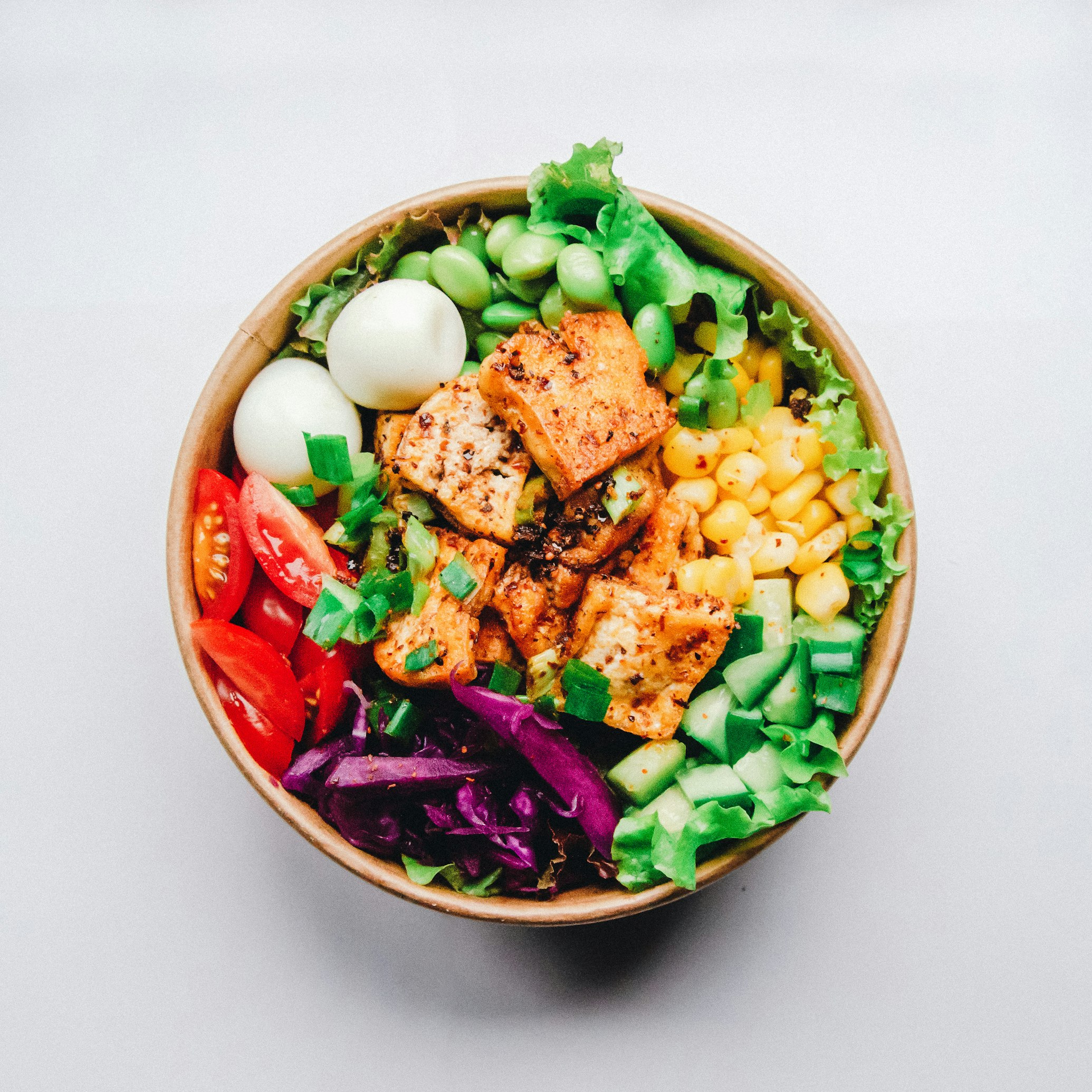
Swedish Meatballs (Köttbullar)
Gravlax (Gravad Lax)

Kanelbullar (Cinnamon Buns)

Janssons Frestelse (Jansson's Temptation)
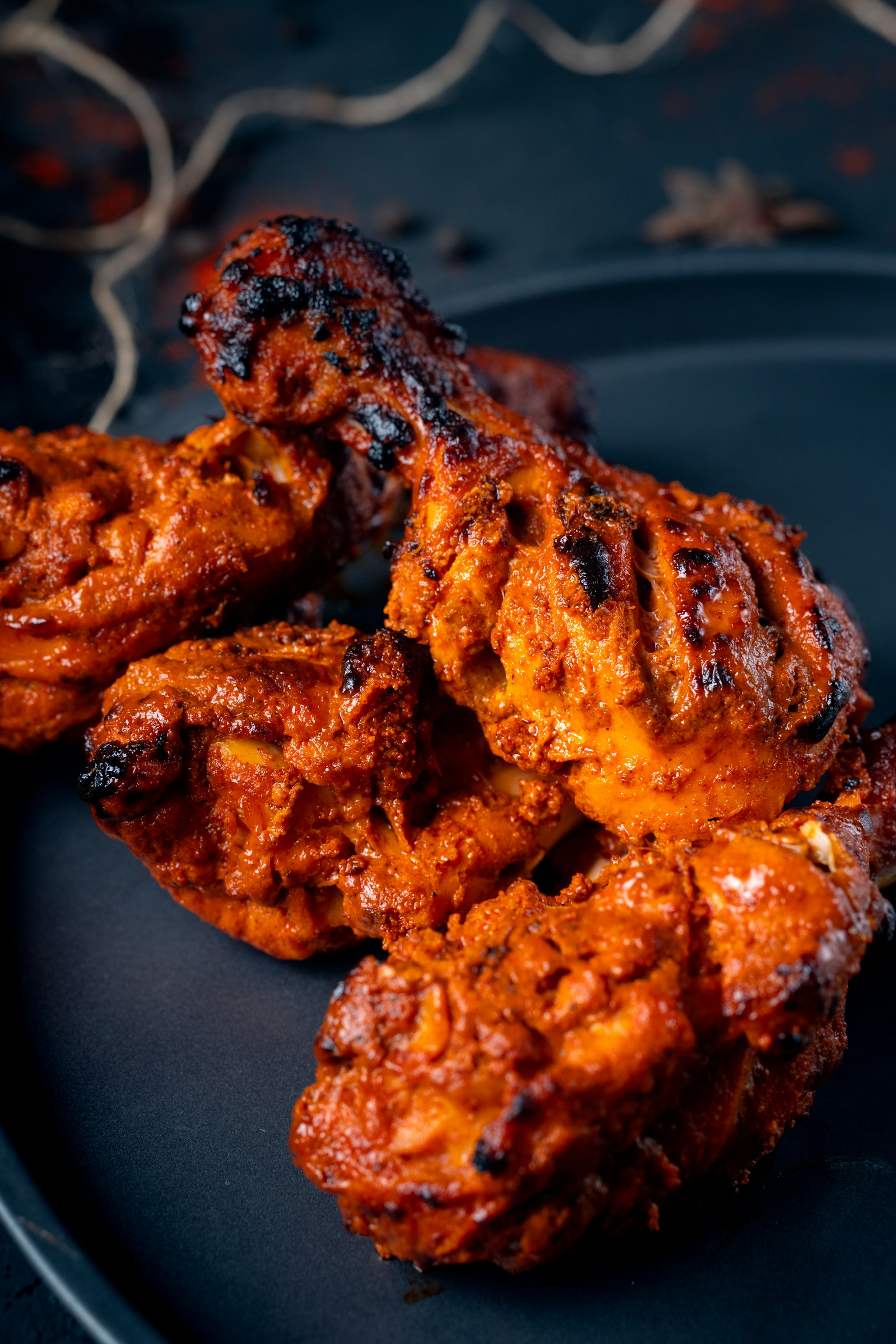
Toast Skagen (Prawns on Toast)
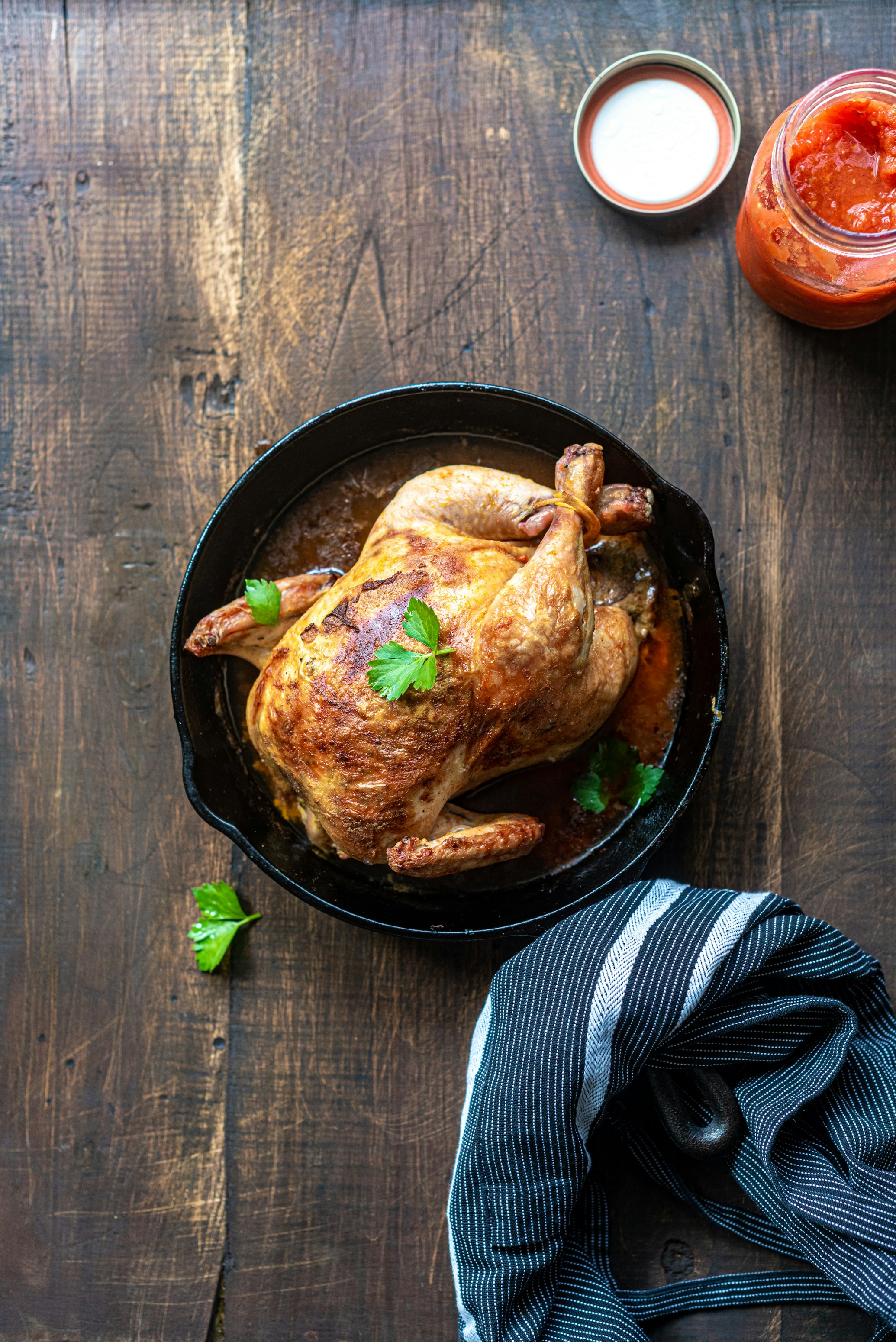
Pickled Herring (Inlagd Sill)
Räkmacka (Shrimp Sandwich)
Where to Eat
Michelin-starred Restaurants
Stockholm and major cities feature world-class Nordic cuisine. New Nordic movement emphasizes local, seasonal ingredients. High-end but authentic. 500-1500 SEK per person.
Traditional Restaurants (Restaurang)
Serve classic Swedish dishes in casual-to-upscale settings. Köttbullar, gravlax, and traditional meatballs feature prominently. 150-350 SEK per person. Found throughout Sweden.
Cafés (Kaffé)
Perfect for Fika breaks, light lunches, and coffee culture. Cinnamon buns, sandwiches, and pastries. 50-150 SEK. Ubiquitous; many are design-conscious and Instagram-worthy.
Street Food & Food Stalls
Kebab, hot dogs, sandwiches served from stalls and food trucks. Affordable and quick. 50-120 SEK. Found in city centers, near transport hubs, and at markets.
Smorgasbord Buffets
Traditional Swedish buffets featuring meats, fish, breads, cheeses, salads, and desserts. 200-400 SEK. Less common than historically but still available at holiday celebrations and tourist venues.
Dining Etiquette
- •Meals are social events; Swedes linger over food and conversation. Rushing signals disrespect.
- •Bread, butter, and cheese are typically left on the table throughout meals; shared resources.
- •Compliments to the cook are appreciated and expected. 'Väldigt gott!' (Very delicious!) is appropriate.
- •Tipping: Service charge (15-20%) included in restaurant bills; rounding up or small additional tip (5-10%) appreciated for exceptional service.
- •Restaurant hours: Lunch 11-2 PM, Dinner 5-10 PM (later in summer). Cafés open early (7-8 AM) for breakfast.
- •Alcohol widely available in restaurants; Swedish Systembolaget (state alcohol stores) have restricted hours.
- •Vegetarian options increasingly available but not dominant. Inform restaurants of dietary restrictions in advance.
- •Smorgasbord culture: When available, take small portions of multiple dishes; return for seconds rather than overloading plate.
Signature Drinks
Shop & Bring Home
Sweden is a designer's paradise, where functionality meets minimalist aesthetics. From luxury department stores to vintage boutiques, craft markets to cutting-edge malls, Swedish shopping reflects the nation's values: quality, sustainability, and timeless elegance. The concept of 'Swedish design'—clean lines, natural materials, practicality—is globally influential and available everywhere.
Furniture & Home Design
- IKEA (iconic Swedish brand, warehouses worldwide + flagship Stockholm)
- Asplund (high-end minimalist furniture)
- String (modular shelving, Scandinavian simplicity)
- Iittala (Finnish glass & ceramics, iconic Scandinavian design)
- Orrefors (Swedish crystal glassware, artistic pieces)
Fashion & Clothing
- H&M (fast fashion, Swedish brand)
- Filippa K (minimalist luxury fashion)
- Acne Studios (high-end contemporary fashion)
- Cheap Monday (designer denim, streetwear)
- Monki (Swedish brand, trendy affordable fashion)
Crafts & Textiles
- Hand-woven textiles (Dala horse painted crafts)
- Wool sweaters & scarves (traditional Nordic knitwear)
- Linen products (high-quality Swedish linen)
- Traditional Sámi handicrafts (indigenous art, jewelry)
- Glassblowing & ceramic artists (Studio pieces)
Food & Gourmet Items
- Kanelbullar (cinnamon buns, packaged for travel)
- Lingonberry jam & syrups (traditional preserves)
- Swedish meatball seasoning & gravy mixes
- Herring varieties & preserved foods
- Specialty chocolate & candy (Marabou chocolate brand)
Where to Shop (Local Hubs)
NK (Nordiska Kompaniet) - Stockholm
Luxury Department Store
"Sweden's most prestigious department store (established 1915). 600+ rooms filled with international luxury brands, Swedish design, cosmetics, jewelry, fashion. Iconic architecture by Ferdinand Boberg. Restaurant, café, beauty services. Winter shopping heaven—close to Sergels Torg central square."
Gamla Stan Old Town - Stockholm
Historic Shopping District
"Medieval cobblestone streets lined with vintage shops, art galleries, antique stores, souvenir boutiques. Romantic atmosphere; touristy but atmospheric. Best for vintage textiles, traditional crafts, artisan jewelry. Explore Stortorget main square for Nobel Prize Museum and historic ambiance."
Gallerian Shopping Mall - Stockholm
Modern Mall
"Sweden's oldest & most iconic shopping mall (opened 1976). 50+ shops, 30+ cafés/restaurants. Mix of Swedish brands (H&M, Monki) and international retailers. Modern despite age; centrally located at Hamngatan 37 near Sergels Torg. Food court with diverse cuisines."
Stureplan District - Stockholm
Upscale Boutique Shopping
"Trendy neighborhood with designer boutiques, high-end restaurants, Sturegallerian luxury mall. Browse Acne Studios, luxury brands, Swedish designers. Perfect for people-watching; sophisticated crowd; fashionable cafés for Fika breaks. More exclusive than Gamla Stan."
Södermalm District - Stockholm
Bohemian/Vintage Shopping
"Eclectic vintage shops, independent boutiques, second-hand stores, art galleries, quirky cafés. Magnetgatan and surrounding streets filled with character. Budget-friendly alternative to luxury shopping; authentic local flavor; artisan goods and vintage fashion."
On the Move
Airport
ARN
40 km north; 18 min express train, 43 min commuter train
Taxi Apps
Bolt/Uber
Reliable, transparent pricing, professional service
Inter-city
Modern SJ Trains
Stockholm to Gothenburg (3.5h), Malmö (4-5h), Kiruna (15h for Northern Lights)
Airport Arrival
Stockholm Arlanda Airport (ARN) is the main gateway, located 40km north of central Stockholm. Journey to center: 18 minutes by Arlanda Express train (expensive at 340 SEK), 43 minutes by commuter train (cheaper at ~150 SEK), or 30-45 minutes by taxi/rideshare (200-300 SEK).
Travel Tech
Travel Tips
Stockholm SL card excellent investment for multi-day visits; unlimited travel reduces costs dramatically.
Arlanda Express expensive; commuter train or bus more budget-friendly unless time is critical.
Bike-sharing culture strong in Stockholm; renting bikes cheapest way to explore at own pace.
Sweden's extensive train network makes intercity travel efficient; book online in advance for discounts.
Download SL/Bolt apps before arrival for seamless navigation and payment (mobile payments dominant).
Coastal ferries offer scenic transport and are included in regional transit passes.
Roads well-maintained; winter driving possible but prepare for icy conditions (studded tires recommended Nov-March).
Tourist season (Jun-Aug) means crowded public transport; travel during off-peak hours when possible.
Intercity Travel
Fast Trains (SJ/Öresundstag)
Modern, comfortable trains to Gothenburg (3.5h), Malmö (4-5h), Uppsala (45 min). Swedish Railways operate efficient service with dining cars, Wi-Fi, power outlets. Book in advance for discounts. 150-500 SEK depending on distance/class.
Budget Buses (Flixbus/Nettbuss)
Affordable intercity travel. Slower than trains but cheaper (50-200 SEK). Routes to major cities. Book online. Less luxury but economical for budget travelers.
Flights (Domestic)
Short flights to northern Sweden (Kiruna for Northern Lights) often cheaper than trains. Airlines: SAS, Norwegian, Wizz Air. 60-300 SEK depending on booking time. Book far in advance for deals.
Car Rental & Road Trips
Excellent roads; drive on right side. International driver's license required. Petrol widely available. Scenic drives to Norwegian coast, mountain regions, and lake districts. 300-600 SEK daily for mid-range vehicle. Self-driving ideal for rural/Northern experiences.
BakıKart
SL Access Card: Universal card for Stockholm Metro, Buses, Trams, & local trains. 24-hour pass 165 SEK, 72-hour pass 435 SEK. Refillable at stations and retailers.
Visa Entry
Schengen Visa - Required for Indian Citizens
Sweden is part of the Schengen Area, requiring Indian citizens to obtain a valid Schengen visa from Swedish embassy or via authorized visa service providers. Sweden has a relatively high rejection rate for Indian applications (24% in 2024), necessitating meticulous documentation and preparation.
Visit official Swedish Migration Agency portal (migrationsverket.se) or authorized visa application center (VAC).
Fill standardized Schengen visa application form (Form C) with precise personal, travel, and employment details.
Upload required documents digitally: passport biodata page (high-resolution scan), recent color photograph (35x45mm, white background, taken within 6 months).
Provide financial proof: bank statements (6 months), tax returns (2-3 years), salary slips (3 months), or proof of sponsorship.
Book and pay for biometric appointment (€80 fee paid online via credit/debit card).
Attend biometric appointment at designated VAC center in India: provide fingerprints, iris scan, and sign documents.
Processing begins post-biometric appointment. Check application status online using reference number.
Receive decision via email. Approved visas: collect or receive by post (depends on VAC). Rejected applications: contact VAC for next steps (reapplication possible with strengthened documentation).
Collect Schengen visa sticker on passport; valid for entry into Sweden and any other Schengen country.
Registration
Penalty: Failure to register could theoretically result in fines; however, in practice, tourists staying at hotels face no issues. Self-catering accommodations may require self-registration (consult property owner).
Entry Requirements
- • Valid Indian Passport (valid minimum 6 months beyond intended departure from Schengen area; 2 blank pages).
- • Completed Schengen Visa Application Form (Form C), printed and signed in blue ink.
- • Biometric photograph: color, 35x45mm, white background, taken within last 6 months, not older than 6 months.
- • Travel medical insurance: minimum €30,000 coverage (Schengen-wide travel insurance), valid for entire stay duration.
- • Proof of financial means: Bank statements (6 months), income tax returns (2-3 years), salary slips (last 3 months), employment letter, or sponsorship letter with sponsor's financial documents.
- • Employment documentation: NOC from employer (if employed), leave approval letter on company letterhead, business registration (if self-employed), income proof.
- • Accommodation proof: Hotel booking confirmation, Airbnb reservation, or invitation letter from host in Sweden (with host's passport copy and proof of residence).
- • Travel itinerary: Flight reservations (not mandatory to purchase before visa, but booking confirmation required), detailed day-by-day activities, accommodation details.
- • Return flight ticket: Proof of return journey to India.
- • Civil status documents: Marriage certificate (if married), divorce decree (if applicable), children's birth certificates (if traveling with minors).
- • Previous visa copies: Copies of all Schengen, Schengen-family, US, UK, Australia visas issued in last 3-5 years (strengthens application).
- • Sponsorship documentation (if applicable): Sponsor's employment letter, financial statements, notarized sponsorship letter, proof of relationship.