Spain
factsheet
A vibrant blend of ancient Mediterranean culture, world-class art, passionate flamenco, and sun-kissed beaches where history breathes in every corner.
Plan your trip with Bayard Vacations. Essential facts on Spain visa requirements, climate by region, suggested duration, and expert planning tips.
The Essentials
Best Time
May - Oct
Currency
EUR (€)
Climate
Mediterranean/Continental
Time Zone
UTC+1 (CET)
Language
Spanish & Regional
Visa
Schengen Visa
Capital
Madrid
Population
47.6M
Calling Code
+34
Power Plug
Type C & F (230V)
Tipping
5-10% optional (€1-2 appreciated)
Emergency
112
History & Heritage
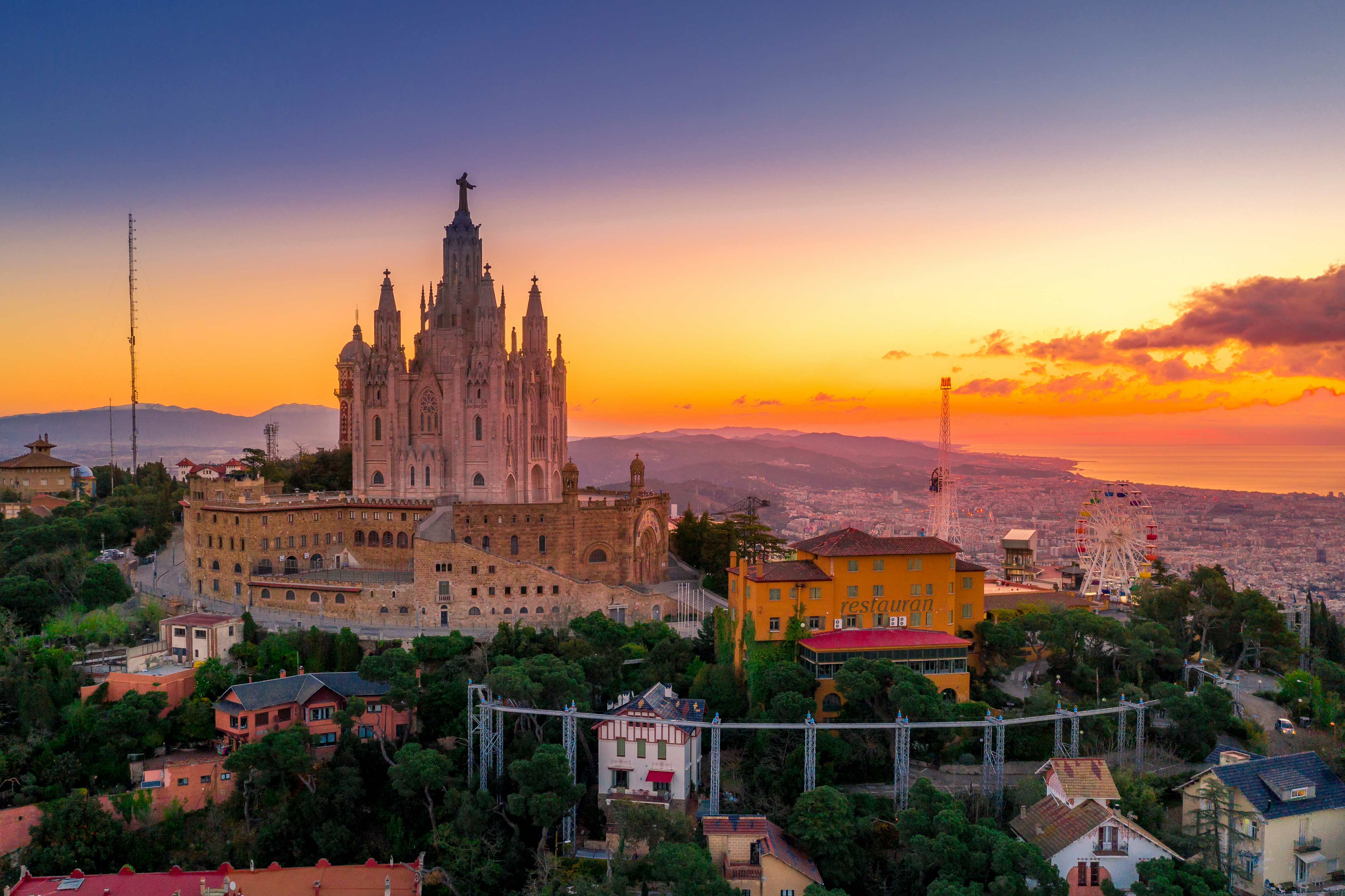
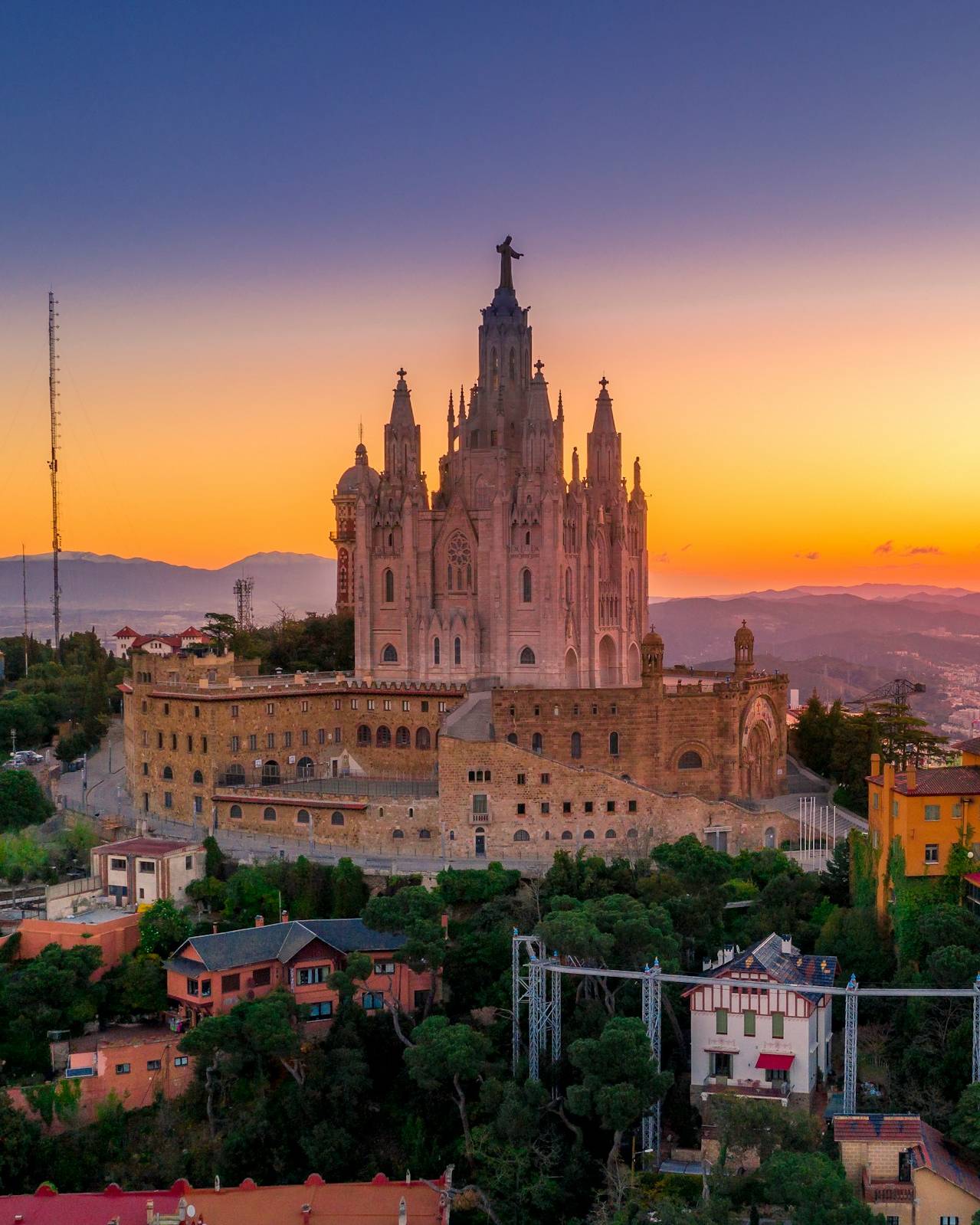
Discover Spain tourism fascinating Spanish history by visiting the cities of Alhambra and Sagrada Familia. Amongst the most popular tourist destinations in Europe, Spain is experiencing an unprecedented boom in foreign tourists. Luxury vacationers from India are flocking to Spain to explore the must visit spots of Madrid and Barcelona, as well as some lesser-known places in Andalusia and the Balearic Islands. No matter if you are applying for a Spain visa or finding affordable flights to Spain, this nation of beaches, flamenco, and exquisite cuisine is simply too good to miss out on.
Roman Hispania & Visigothic Kingdoms (218 BCE–711 CE)
Rome conquered Iberian Peninsula (218–19 BCE), establishing Hispania province. Roman civilization—infrastructure, law, Christianity—integrated for 600 years. Visigothic kingdoms emerged (5th century) after Roman decline; Christianity flourished. By 711, Visigothic Spain fragmented internally, inviting Muslim invasion.[web:1002][web:1005]
Muslim Al-Andalus Era (711–1492)
Muslim forces under Ṭāriq ibn Ziyād conquered nearly entire peninsula within decade (711–720s). Al-Andalus emerged as sophisticated Islamic civilization: cities (Córdoba, Granada), scholarship, arts flourished for 7.5+ centuries.[web:999][web:1005] Christian kingdoms (Asturias, León, Castile, Aragon, Navarre) persisted in north; religious/cultural synthesis shaped Iberian identity. By 1300, Muslims held only Granada.[web:999]
Reconquista—Christian Reconquest (c.718–1492)
Battle of Covadonga (~718) marks Reconquista's symbolic beginning; Christians gradually reclaimed territory over 774 years.[web:1005] Key moments: Zaragoza conquest (1118), Battle of Las Navas de Tolosa (1212—unified Christian victory), Córdoba fall (1236). By mid-13th century, Catholic kingdoms dominated; Granada remained Muslim tributary. Marriage of Ferdinand II (Aragon) & Isabella I (Castile, 1469) united crowns. Final conquest: Granada fell 1492, ending Muslim presence.[web:999][web:1002][web:1005][web:1008]
Spanish Golden Age & Empire (1492–1700)
Reconquista's conclusion coincided with Columbus's voyage (1492), inaugurating Spanish global empire. Spain dominated Europe militarily, culturally (Cervantes, Velázquez, El Greco), religiously (Inquisition, Counter-Reformation). American conquests, Mediterranean naval dominance, and artistic Renaissance established Spain as 16th–17th century superpower.[web:999][web:1005]
Decline, War, & Civil War (1700–1939)
War of Spanish Succession (1701–14), Napoleonic invasion (1808–14), loss of American colonies (1810s–20s), and dynastic turmoil weakened Spain. Spanish-American War (1898) ended empire. Spanish Civil War (1936–39) devastated nation; Franco dictatorship followed.[web:1002]
Modern Spain—Democracy & European Integration (1975–Present)
Franco's death (1975) restored democracy; Spain transitioned peacefully to constitutional monarchy. EU membership (1986), Eurozone adoption (2002), and 2008 financial recovery positioned Spain as modern European economy. Tourism sector thrives: 97M visitors 2025; Indians fastest-growing segment (226K+ arrivals 2024; €2,623 per-person spending—highest globally)[web:969][web:975][web:978][web:981]. Spain ranks #2 globally for tourism after France; government targets 100M visitors 2026.[web:981]
Climate & Weather
Spain experiences Mediterranean/continental climate with hot, dry summers and mild winters. Coastal regions warmer year-round; inland cooler. Regional variation: south (Andalusia) hotter; north (Basque Country) wetter. Rarely extreme; ideal shoulder seasons (spring/autumn) offer perfect balance of warmth, manageable crowds, lower prices.[web:971][web:974][web:977][web:980][web:983]
Time Zone
UTC+1 (CET - Central European Time); UTC+2 (CEST - during summer daylight saving)
5.5 hours behind IST (India Standard Time)
Best Months
May, June, September, October
Spring (March–May)
Mar – May
9–24°C (48–75°F)
Excellent season: mild weather 15–24°C, wildflower blooms, countryside awakens. March-April cool (9–16°C); May perfect (18–24°C). Easter festivals, regional celebrations. Fewer crowds than summer; prices moderate. Ideal for city exploration, hiking, outdoor dining. Peak shoulder season begins late April.[web:971][web:974][web:977][web:980]
Summer (June–August)
Jun – Aug
18–30°C (64–86°F); peaks 25–35°C+
Peak season: hot, sunny, long daylight (16+ hours June). Beach season thrives; Mediterranean swims ideal. July-August scorching (28–35°C+), especially inland. Crowded; accommodation priciest. Fiestas, festivals, outdoor concerts vibrant. June best (22–28°C, fewer crowds). August tourists on holiday—authentic local experience diminished.[web:971][web:974][web:977][web:980][web:983]
Autumn (September–October)
Sep – Oct
17–24°C (63–75°F)
Ideal season: September warmest (18–26°C), October pleasant (15–22°C). Fewer tourists; prices drop. Golden foliage, harvest season, wine harvest in wine regions. Bienal de Flamenco (Seville) September-October. Weather perfect for sightseeing, festivals, cultural exploration. Clear skies, comfortable temperatures, crowded-free attractions. Perfect balance.[web:974][web:977][web:980]
Winter (November–February)
Nov – Feb
6–18°C (43–64°F)
Cool, wet; rarely freezes lowlands (occasional snow mountains, north). November/December Christmas markets magical; festive decorations. January/February gloomy. Budget-friendly; locals-only authentic experience. Indoor attractions thrive (museums, theaters, galleries). Not ideal outdoor sightseeing; rain frequent. Brief daylight. However, unique atmospheric, intimate Spain experience.[web:971][web:974][web:977]
Seasonal Packing List
Language Guide
Official Language
Spanish (Castellano) + Regional Languages
Spanish is the official language nationwide. Regional languages co-official in regions: Catalan (Catalonia, Valencia, Balearic Islands), Basque (Basque Country), Galician (Galicia). All tourism, signage, business in Spanish. English increasingly spoken in tourism sector, especially Barcelona/Madrid; younger generations proficient. Elderly/rural areas less English-fluent. Learning basic Spanish phrases earns warm appreciation from locals. Spanish spoken distinctly differs regional accents (Castilian lisp, Catalan, Andalusian rhythm).
Local Signage
Useful Phrases
Hello
OH-lah
Hola
Thank you
GRAH-see-ahs
Gracias
Goodbye
Ah-dee-OHS
Adiós
Yes / No
See / Noh
Sí / No
Please
Por fah-VOR
Por favor
Excuse me
Dis-KOOL-peh / Per-DOHN
Disculpe / Perdón
How much?
KWAN-toh KWES-tah
¿Cuánto cuesta?
Where is...?
DOHN-deh es-TAH
¿Dónde está...?
Also Commonly Spoken
Spanish (Castellano)
National language; universal throughout Spain. Standard Spanish understood everywhere; regional accents/dialects add character.
Regional Languages
Catalan in Barcelona/Catalonia region (distinct language, not dialect); Basque in northern Basque Country; Galician in northwest. Tourist infrastructure bilingual or Spanish-dominant; no language barrier.
English
Growing proficiency in Barcelona, Madrid, tourist areas. Younger generations (under 30) often speak English. Older generations, rural areas less English-fluent. Learning Spanish phrases appreciated.
Currency & Money
Official Currency
Euro
€ (EUR) — €1 = 100 Cents
Banknotes
€5, €10, €20, €50, €100, €200
Coins
€0.01, €0.02, €0.05, €0.10, €0.20, €0.50, €1, €2
ATMs & Cash Withdrawal
ATMs abundant in major cities (high streets, airports, train stations). Most accept Visa/Mastercard/Cirrus. Withdrawal fees: €1.50–€3 per transaction. Contactless withdrawal common. Spain increasingly cashless; card payment predominates. However, small shops, markets, rural areas occasionally cash-only. Withdraw adequate euros upon arrival.[web:986][web:989]
Credit & Debit Cards
Widely accepted everywhere: hotels, restaurants, malls, transport, attractions. Contactless payments (Apple Pay, Google Pay) ubiquitous in Barcelona/Madrid. Very convenient; most establishments card-only. However, small traditional shops, street markets prefer cash. Carry mix of card and cash.[web:986][web:989]
Tipping Culture
Tipping optional but appreciated. Restaurants: 5–10% for good service (€1–2 appreciated). Taxis: round up 5–10%. Hotel staff, tour guides appreciate tips (€1–2). Pubs/cafés: no tipping unless dining. Quick service (fast food): no tipping.
Daily Budget Estimates
Budget Traveler
€50–70 (~₹5,100–7,100)
Mid-Range Traveler
€100–150 (~₹10,200–15,300)
Luxury Traveler
€250+ (~₹25,500+)
Visa & Entry
Visit VFS Global or BLS International center (India)—authorized Spain visa application centers
Complete application form online or on-site; biometric appointment scheduled
Gather required documents: passport, photos, travel insurance, financial proof, hotel booking, flight tickets, employment/income documentation
Attend biometric appointment: fingerprints, photo collection (mandatory)
Submit documents; pay visa fee (€96–108 including service charges)
Visa decision typically 15 working days; SMS/email notification
Collect passport with visa sticker; present at Spanish airport/border upon arrival[web:984][web:987][web:990][web:996]
Registration
Immigration officers register electronically at Spanish airport/border entry
Automatic upon arrival; no separate registration for tourists under 90 days
Penalty: Overstays: fines €100–5,000+, deportation, future entry bans
Visa Extension
Contact Spanish Immigration (Policía Nacional) before overstay
Cost: Typically €100–200 if approved; not guaranteed
Requirements
- • Valid Indian passport (3+ months validity beyond planned departure; 2 blank pages minimum)
- • Completed visa application form (signed blue pen)
- • Recent biometric passport-sized photographs (35mm × 45mm; white/light grey background; last 6 months)
- • Schengen travel insurance (minimum €30,000 medical coverage)
- • Bank statements (last 6 months; official, stamped)
- • Income Tax Returns (last 2 years)
- • Employment proof: NOC from employer, employment letter, salary slips (last 3 months)
- • Hotel/accommodation booking confirmation
- • Return/onward flight reservation
- • Cover letter explaining travel purpose/plans
- • Proof of financial means (€115 per person per day stay minimum)
- • Proof of ties to India (property ownership, family, employment documents)
- • Biometric data collection (fingerprints, digital photo) at appointment[web:984][web:987][web:990][web:993][web:996]
Getting There & Around
Intercity Travel
Renfe High-Speed Trains (AVE)
Modern, comfortable trains. Madrid–Barcelona (2.5h), Madrid–Seville (2.5h), Madrid–Valencia (1.5h). Frequent service; book online. €30–100 depending on route/advance booking.[web:986][web:989]
Long-Distance Buses
Budget alternative; extensive network. Flixbus, Alsa operate nationally. Slower than trains; cheaper. €10–40 depending on distance.
Car Rental / Self-Drive
International license required. Drive right; excellent road network. Scenic drives (Costa del Sol, Camino de Santiago, Provence-equivalent routes). €25–50 daily. Parking challenging major cities; use park-and-ride.
Organized Tours / Private Drivers
Day tours to regional attractions. Multilingual guides; comfortable vehicles. €40–100 per person. Hotels arrange easily.
Culture & Local Life
Passionate Hospitality, Vibrant Celebration & Artistic Soul
Spanish culture pulses with passion, celebration, and artistic expression. Society values leisure, family, and community—meals leisurely social events; siestas (especially summer) respected tradition. Fiesta spirit embedded nationally: festivals, music, dancing integral to life. People warm, sociable, emotionally expressive. Contemporary Spain balances tradition (flamenco, regional identity, Catholic heritage) with modern Europe progressivism (LGBTQ+ equality, artistic innovation, tech entrepreneurship). Regional diversity strong: Catalan, Basque, Galician identities distinct; respect for regional pride essential.
Tapas Culture & Bar Socializing
Tapas—small savory dishes, elaborately prepared or simple—served with drinks in bars. Not a specific food but a way of socializing: friends gather, order drinks, receive complimentary or affordable tapas, linger for hours conversing. Regional variations: Andalusian 'raciones,' Basque 'pintxos' (mini toasts). This tradition—communal, social, unhurried—defines Spanish leisure culture.[web:985][web:988][web:991]
Siesta—The Sacred Rest
Siesta (afternoon nap/rest) especially in summer represents Spanish rhythm. Historically practical (heat avoidance, lunch recovery); culturally ingrained—many businesses close 1–5 PM. Modern urbanization eroded siesta's universality, yet symbolic importance persists. Respect business closures; plan accordingly. Northern Europe's work-ethic contrasts sharply with Spain's life-balance philosophy.[web:991]
Flamenco—Passionate Art Form
Flamenco originated Andalusia; combines guitar (toque), singing (cante), and footwork (baile) in emotionally intense performance expressing love, struggle, joy. Deeply spiritual, soulful; UNESCO recognized. Authentic flamenco ('jondo') vs. commercialized shows distinction important. Performances thrive Seville, Granada, Córdoba; contemporary fusion blends traditional authenticity with modern interpretation.[web:985][web:988][web:991]
Fiesta—Communal Celebration
Fiestas (festivals) integral Spanish identity. La Tomatina (Buñol—tomato-throwing), San Fermín (Pamplona—running bulls), Semana Santa (Easter—religious processions), Feria de Abril (Seville—horse parades, flamenco), regional saint celebrations. Fiestas unite communities; all ages participate; activities, food, music, dancing continue 24+ hours.[web:985][web:991]
Gifting Etiquette
Avoid knives (cutting friendship), odd-numbered flowers except roses, or chrysanthemums (funerals). Wine, spirits, quality chocolates appropriate. Wrap neatly. Present graciously; receive with both hands.
Business Etiquette
Business cards exchanged formally. Meetings begin with coffee/tea. Punctuality valued increasingly in Madrid/Barcelona; rural/provincial areas more relaxed. Hierarchy respected initially; warmth builds rapport quickly. Humor, passion appreciated.
Dining Etiquette
Knife on right, fork on left. Wait for host/eldest to start. Compliment food. Finish most on plate (waste disrespectful). Use napkins properly. Coffee/tea after main course. Never rush between courses. Tipping 5–10%; round up casual venues. Meals leisurely; lingering after eating customary ('sobremesa').
Food & Drink
Spanish cuisine—rooted in Mediterranean ingredients (olive oil, garlic, tomatoes, seafood) and regional tradition—blends Muslim, Jewish, Christian, and contemporary influences. Meals are leisurely social rituals; food reflects geography, history, and family. Paella (saffron rice), tapas (small plates), gazpacho (cold soup), jamón ibérico (cured ham) iconic. Regional diversity pronounced: Andalusian gazpacho, Basque seafood, Galician octopus, Catalan seafood stews. Spanish food culture emphasizes quality ingredients, simple preparation, and communal enjoyment.[web:985][web:988][web:991]
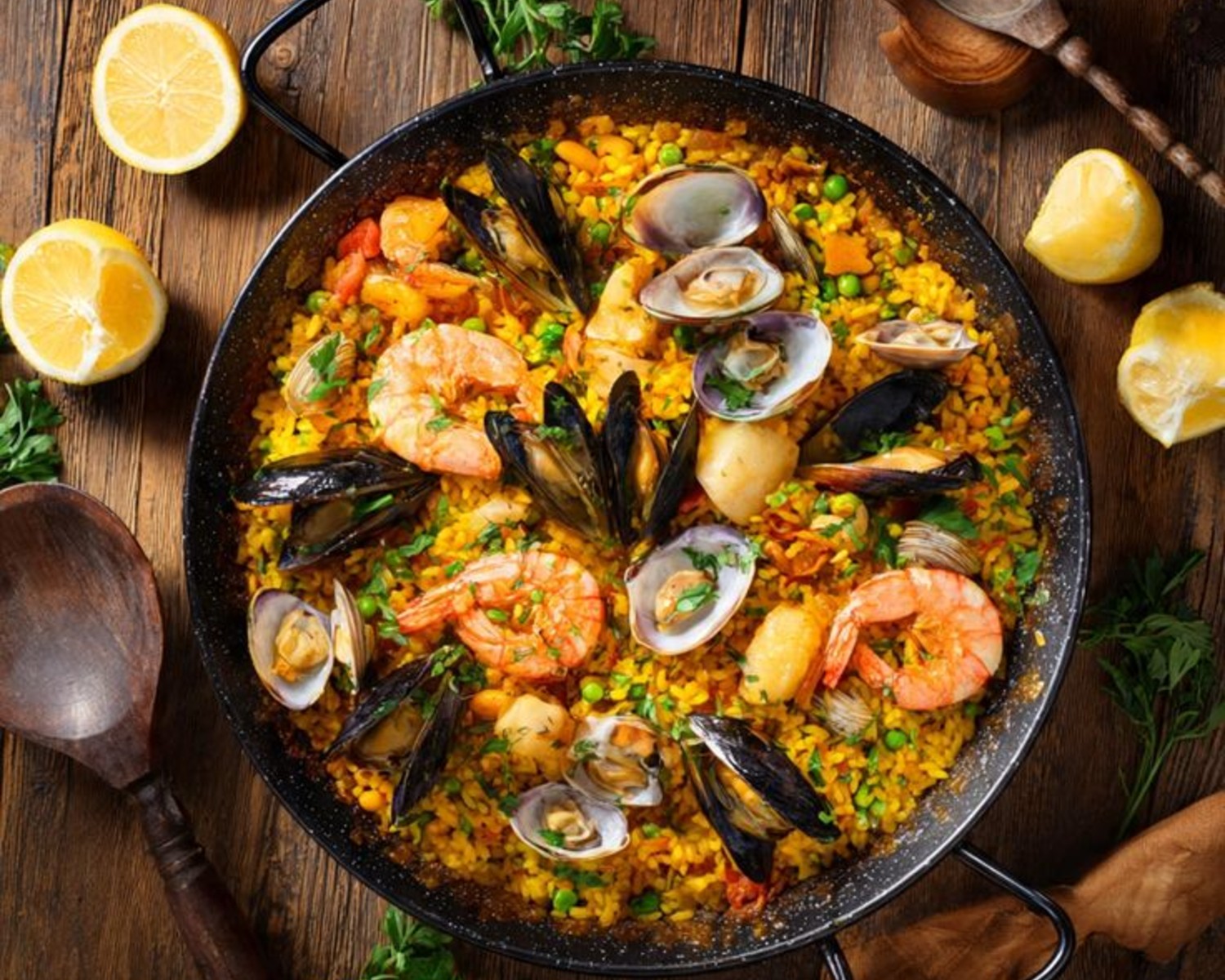
Paella
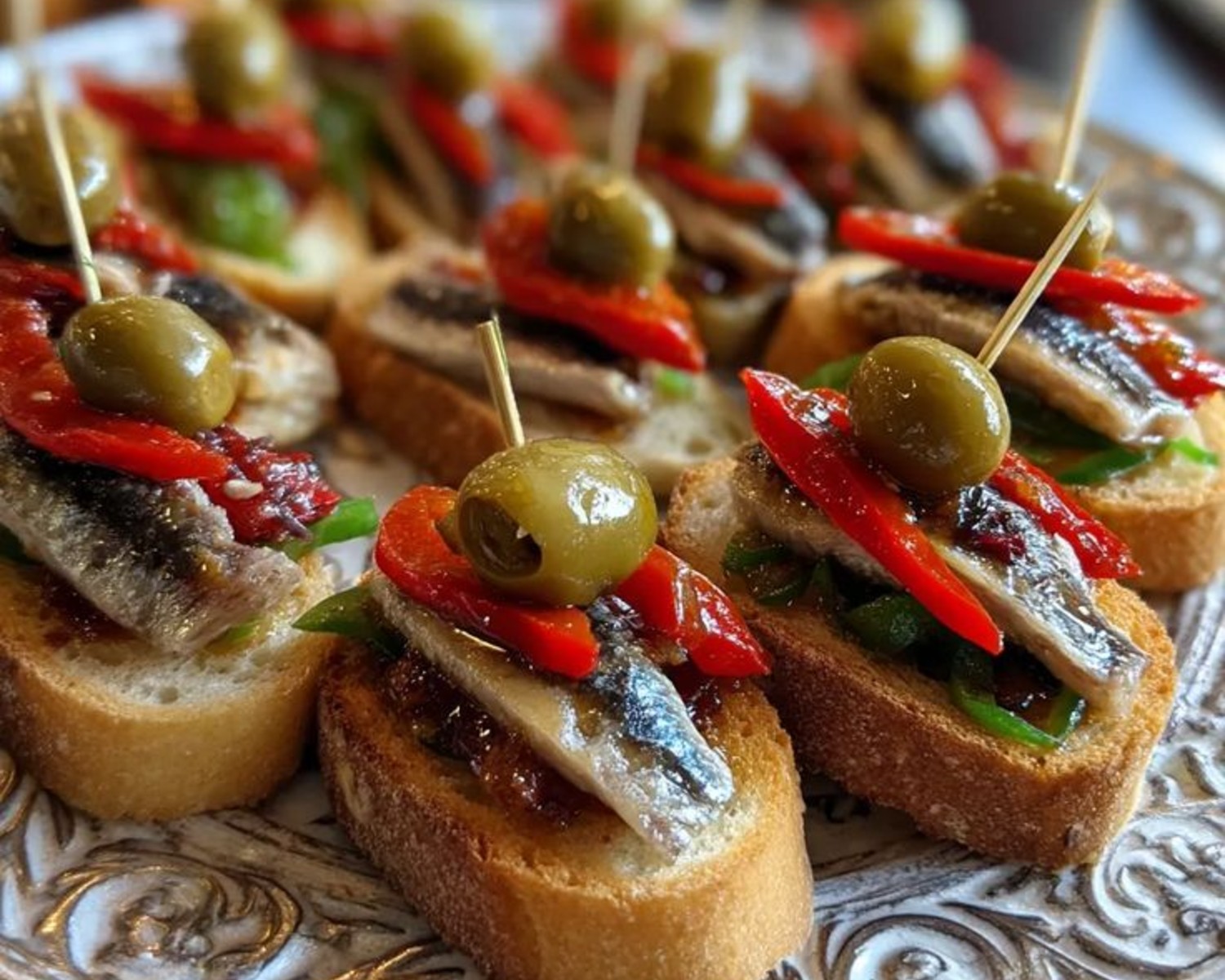
Tapas & Pintxos
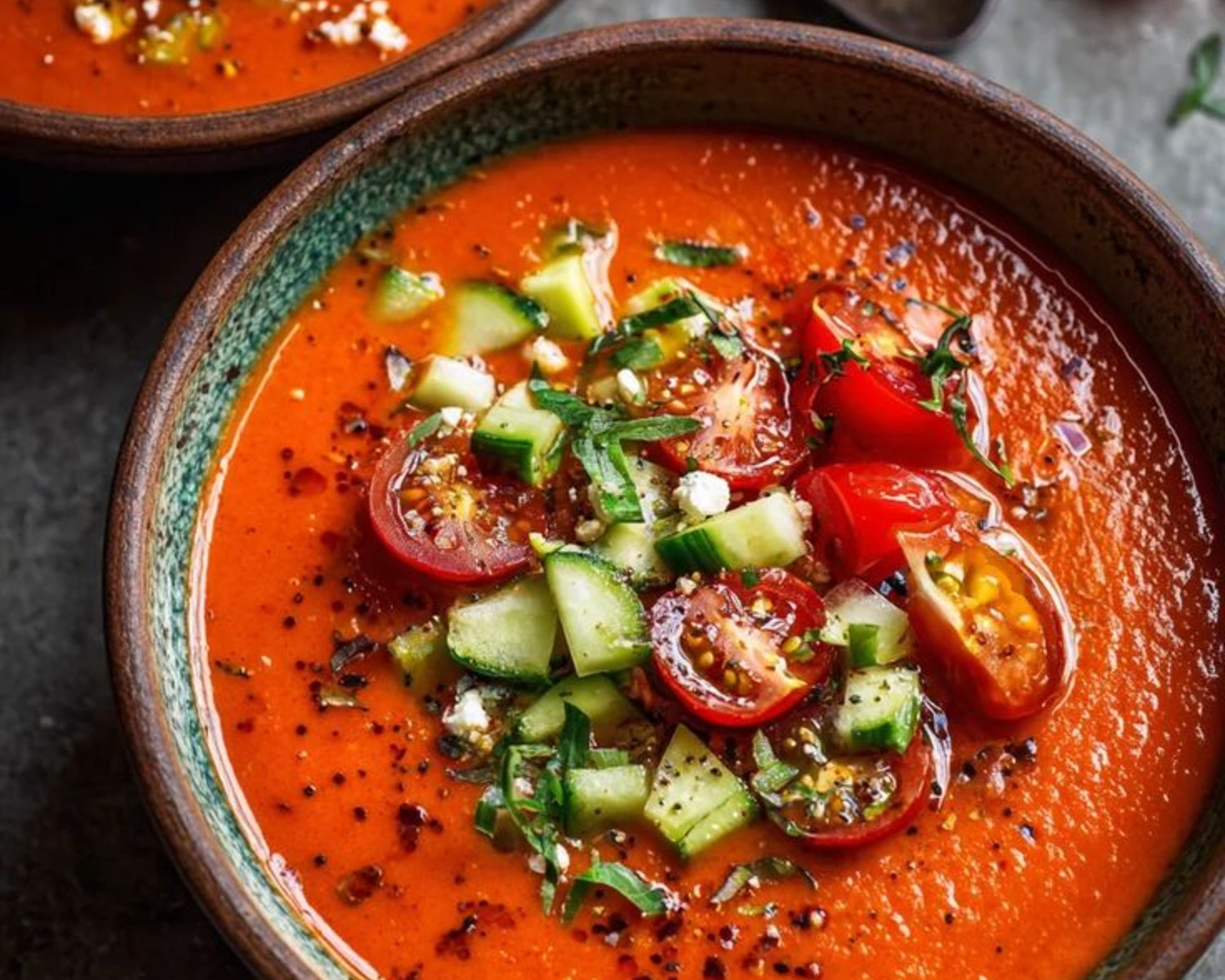
Gazpacho
Jamón Ibérico (Iberian Ham)

Spanish Omelette (Tortilla Española)

Churros con Chocolate
Dining Etiquette
- • Meals are leisurely social events—never rush; lingering expected
- • Lunch (1–3 PM) main meal; dinner (9–11 PM) lighter, late
- • Wait for host/eldest to begin eating
- • Knife on right, fork on left (formal dining)
- • Compliment cook generously
- • Finish most food on plate (waste disrespectful)
- • Take breaks between courses; conversation continues
- • Tipping 5–10% standard restaurants; round up casual
- • Sobremesa (lingering after meal with coffee)—valued social tradition
Signature Drinks
Shop & Bring Home
Spain offers diverse shopping: luxury flagship streets (Paseo de Gracia Barcelona, Gran Vía Madrid), designer malls, traditional markets, boutiques, and modern shopping centers. Spain balances international brands with Spanish designers (Zara, Mango, Desigual). VAT refunds available non-EU residents (€75+ purchases). Shopping reflects Spain's regional diversity, artistic tradition, and contemporary European style.[web:1000][web:1001][web:1003][web:1006][web:1012]
Fashion & Designer Brands
€20–500+
- Luxury brands (Gucci, Louis Vuitton, Chanel)
- Spanish designers (Zara, Mango, Desigual)
- High street chains
- Vintage/indie boutiques
Paseo de Gracia (Barcelona) and Gran Vía (Madrid) premium hubs; boutiques scattered throughout
Artisan & Regional Crafts
€30–300+
- Hand-painted ceramics
- Lace/embroidered textiles
- Leather goods
- Jewelry
Support local artisans; ethical, culturally immersive
Food & Gourmet
€10–100
- Jamón Ibérico (cured ham)
- Spanish wine
- Olive oil
- Artisan chocolates
- Saffron
Markets, specialty shops best selections. Light, easily transportable souvenirs
Art & Books
€10–500+
- Contemporary art
- Spanish literature editions
- Art books
- Galleries
Madrid (Prado, Reina Sofía proximity), Barcelona galleries; independent bookshops charming