Singapore
factsheet
A futuristic city-state where ultramodern skyscrapers, lush gardens, and diverse cultures converge in perfect harmony.
Get essential Singapore travel facts from Bayard Vacations. Learn about visa requirements, climate, best time to visit, and suggested trip durations.
The Essentials
Best Time
Feb - Apr, Jul - Sep
Currency
SGD ($)
Climate
Tropical Year-Round
Time Zone
UTC+8
Language
English, Mandarin, Malay, Tamil
Visa
ePass (e-Visa) / Visa on Arrival
Capital
Singapore
Population
5.9M
Calling Code
+65
Power Plug
Type G (230V)
Tipping
Not customary (service charge included)
Emergency
999 (Police & Ambulance)
History & Heritage
Singapore’s rapid transformation from a colonial outpost to a global economic hub is a testament to its strategic location and free market economy. By leveraging its status as a premier international port and a leader in financial services, the city-state has achieved one of the world's highest GDP per capita rankings. This "Asian Tiger" remains a top destination for foreign direct investment and tech innovation, seamlessly blending multiculturalism with a smart city infrastructure that defines modern urban planning.
Early History (14th–18th Century)
Known as Temasek (sea town), Singapore was an important trading settlement. It declined under Javanese rule and became a pirate haven until the 15th century when it was largely abandoned.
British Colonial Era (1819–1942)
Sir Stamford Raffles established Singapore as a free port in 1819, transforming it into a major trading hub. The population swelled with Chinese, Indian, and Malay migrants. Singapore became the jewel of the British Empire in Southeast Asia.
Japanese Occupation (1942–1945)
During World War II, Japan occupied Singapore for nearly four years. The period, marked by hardship and atrocities, left deep scars but strengthened Singaporean unity and nationalism.
Path to Independence (1945–1965)
Post-war Singapore saw rapid decolonization. It merged with Malaysia in 1963 but was expelled in 1965 due to political differences. On August 9, 1965, Singapore became an independent republic, facing economic uncertainty and survival challenges.
Rapid Development & Modernization (1965–1990s)
Under Prime Minister Lee Kuan Yew's visionary leadership, Singapore transformed into a developed nation through industrialization, port development, and strategic investments in education, infrastructure, and manufacturing.
Global City-State (2000s–Present)
Today, Singapore ranks as a global financial hub, leading port, and innovation center. It hosts headquarters of multinational corporations, world-class universities, and is a symbol of meritocracy, efficiency, and multicultural harmony.
Climate & Weather
Singapore has a tropical equatorial climate with consistent heat and humidity year-round. Located near the equator, it experiences two monsoon seasons with brief rain showers. Temperatures rarely vary, staying warm and humid throughout.
Time Zone
UTC+8 (Singapore Standard Time)
2.5 hours ahead of IST (India Standard Time)
Best Months
February–April & July–September (Relatively Drier)
Northeast Monsoon
Dec – Mar
24–31°C
Wetter season with occasional heavy showers and rough seas. February is the driest month. Still warm and humid.
Intermonsoon
Apr – May
24–33°C
Transitional period with brief rain showers. Hot and humid. Less crowded before peak summer.
Southwest Monsoon
Jun – Sep
23–32°C
Relatively dry season with occasional showers in late afternoons. Ideal for outdoor activities and shopping. Peak tourist season.
Intermonsoon
Oct – Nov
24–31°C
Brief transitional period between monsoons. Short bursts of rain. Humid and warm.
Seasonal Packing List
Language Guide
Official Language
English (Primary), Mandarin, Malay, Tamil (all official)
English is the lingua franca and used in business, government, and daily communication. Singapore is highly multilingual; most residents speak 2–4 languages. Mandarin is widely spoken among Chinese Singaporeans; Malay and Tamil among their communities.
Local Signage
Useful Phrases
Hello
HEL-oh / HI
Hello / Hi
Thank you
THANK you
Thank you
Goodbye
GOOD-bye / BYE
Goodbye / Bye
Yes / No
YES / NOH
Yes / No
Please
PLEEZ
Please
Excuse me
ex-KYOOZ mee
Excuse me
How much?
HOW much iz THIS?
How much is this?
Where is...?
WHERE iz?
Where is...?
Also Commonly Spoken
English
Official working language; spoken fluently by nearly all residents and in all public spaces, shops, hotels, and restaurants.
Mandarin Chinese
Widely spoken among Chinese community; signage and menus often bilingual (English-Mandarin).
Malay
Spoken by Malay community; national anthem sung in Malay; some religious and cultural terms used.
Tamil & Other Indian Languages
Spoken by Indian communities; temples and cultural centers use these languages.
Currency & Money
Official Currency
Singapore Dollar
$ (SGD) — $1 ≈ ₹65–70
Banknotes
$2, $5, $10, $50, $100, $1,000
Coins
$0.05, $0.10, $0.20, $0.50, $1
Cash & ATMs
ATMs abundant throughout the city; accept international Visa/Mastercard. Cash useful but cards widely accepted. Interchange fee minimal.
Credit & Debit Cards
Universal acceptance in hotels, restaurants, shops, and attractions. Contactless payments very common; most terminals support tap-to-pay with Apple Pay, Google Pay, etc.
Digital Wallets & Apps
Singapore is a cashless society; digital payment apps (PayNow, Grab Pay, Apple Pay) are ubiquitous. Some hawker stalls only accept digital payments.
Daily Budget Estimates
Budget Traveler
$80–120
Mid-Range Traveler
$150–250
Luxury Traveler
$300+
Visa & Entry
Option 1 (e-Visa): Visit ICA ePass portal (www.ica.gov.sg), fill form, upload documents, pay fee. Receive e-Visa via email in 3–5 days.
Option 2 (Visa on Arrival): Arrive at Changi Airport with required documents; queue at immigration counter; officer issues visa immediately (₹650–850 processing).
Present your e-Visa (printed or digital) or collect physical stamp at immigration.
Enter Singapore after immigration clearance.
Registration
Immigration processes entry at arrival; no additional registration needed.
No separate registration required for tourist stays under 30 days.
Penalty: Overstays incur fines and potential deportation; strictly enforced.
Visa Extension
Apply for a new ePass or exit and re-enter Singapore if additional days needed.
Cost: New visa fees apply (SGD $20–30).
Requirements
- • Valid Indian passport with at least 6 months validity beyond intended stay.
- • Recent passport-size photograph (digital for e-Visa; physical for VOA).
- • Return or onward flight ticket.
- • Proof of accommodation (hotel booking or invitation letter).
- • Proof of sufficient funds (bank statements, credit cards, or cash).
- • Completed TM.26 arrival card (provided on flight or at airport).
- • Travel insurance recommended (not mandatory).
Getting There & Around
Intercity Travel
Trains to Malaysia
East Coast Rail Link and other routes connect Singapore to Kuala Lumpur and other Malaysian cities ($20–50; 6–8 hours).
Buses to Malaysia & Thailand
Long-distance coaches to Kuala Lumpur, Penang, and Thailand. Budget option; $15–40.
Domestic Flights
Regional flights to Kuala Lumpur, Bangkok, Manila (1–3 hours). Airlines: AirAsia, Singapore Airlines, Malindo Air.
Getting Around
MRT (Mass Rapid Transit)
5 lines covering entire city; trains every 2–5 minutes. Efficient, clean, and affordable ($0.83–3). Air-conditioned and safe.
Buses
Extensive network; single journey $0.73–3.50 depending on distance. Frequent and reliable; less crowded than MRT during off-peak.
Taxis & Ride-Hailing
Grab and Gojek popular; metered taxis also available. Surcharge during peak hours. $5–15 for typical city journeys.
Walking & Cycling
Many areas highly walkable; bike rental and e-scooters available at designated zones.
Culture & Local Life
Efficient, Multicultural, and Contemporary
Singapore is a global city where Eastern and Western cultures blend seamlessly. Known for efficiency, safety, and strict governance, it celebrates diversity through multiple festivals, languages, and cuisines. Singaporeans balance work ethic with leisure and take pride in their multicultural identity.
Chinese New Year
Celebrated with family gatherings, fireworks (limited), decorations, and 'ang pow' (red envelopes with money). Lion dances perform in streets and shopping malls.
Deepavali (Diwali)
Hindu festival of lights celebrated with oil lamps, fireworks, and family feasts. Little India becomes vibrant with decorations and celebrations.
Eid & Ramadan
Muslim community celebrates with prayers, feasts, and bazaars. Non-Muslims are invited to participate and enjoy festive markets.
National Day (August 9)
Singaporeans celebrate independence with flag displays, national costumes, and patriotic fervor. Public holiday with events and fireworks.
Gifting Etiquette
Small gifts from your home country are appreciated. Avoid clocks (symbol of death), knives (cutting friendship), or white flowers (funeral symbol). Business gifts should be modest.
Business Etiquette
Punctuality is crucial; arrive on time. Business cards exchanged with both hands. Formal dress expected in corporate settings. Handshakes are standard.
Dining Etiquette
Use chopsticks or fork/spoon; slurping noodles is acceptable. Tipping is not expected but rounding up is appreciated. Splitting bills is common in casual settings.
Food & Drink
Singapore's food culture is a fascinating blend of Chinese, Malay, Indian, and Western cuisines. From hawker stalls serving authentic local dishes at minimal prices to Michelin-star restaurants, Singapore offers world-class dining across all budget ranges.
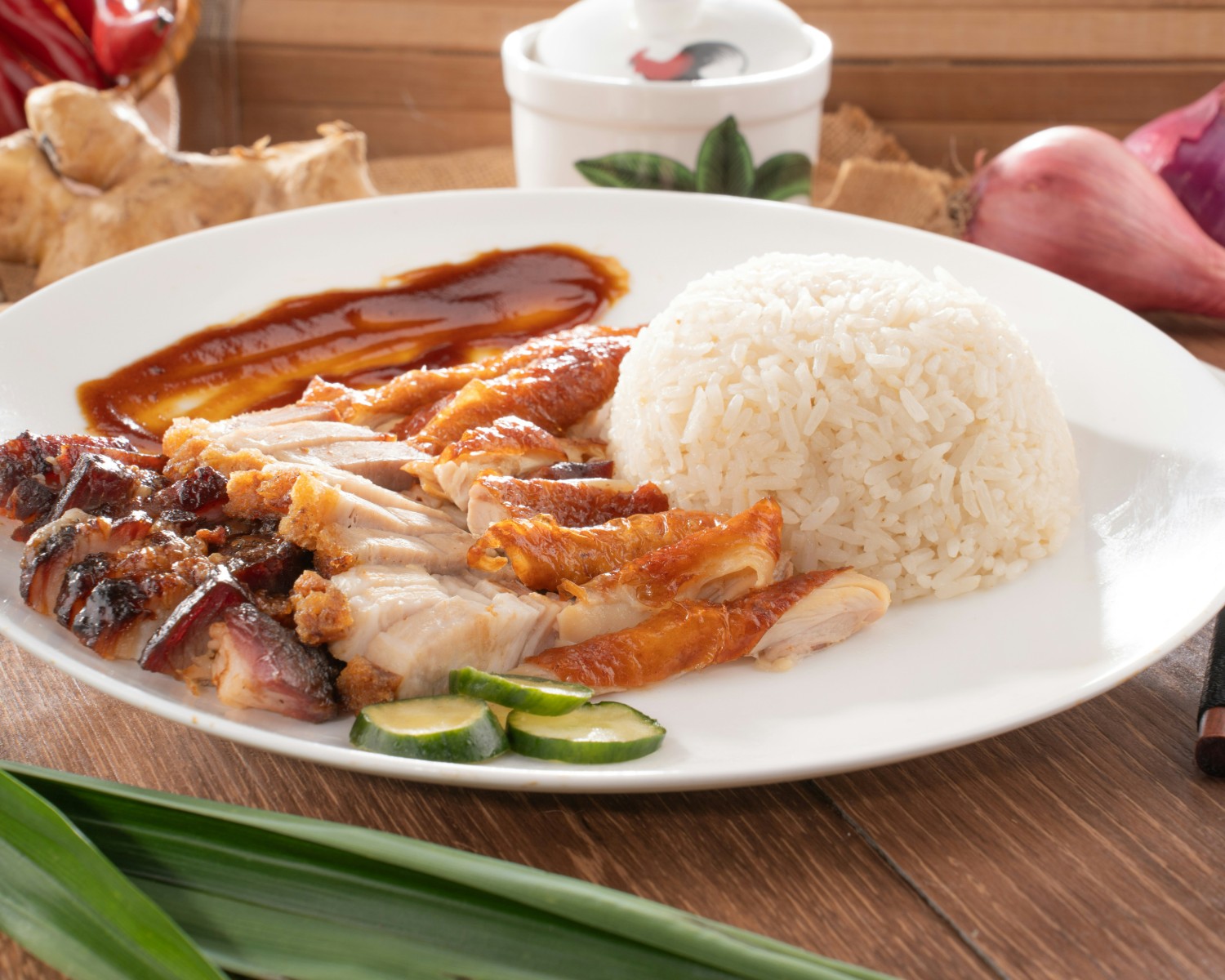
Chicken Rice (Hainanese Chicken Rice)
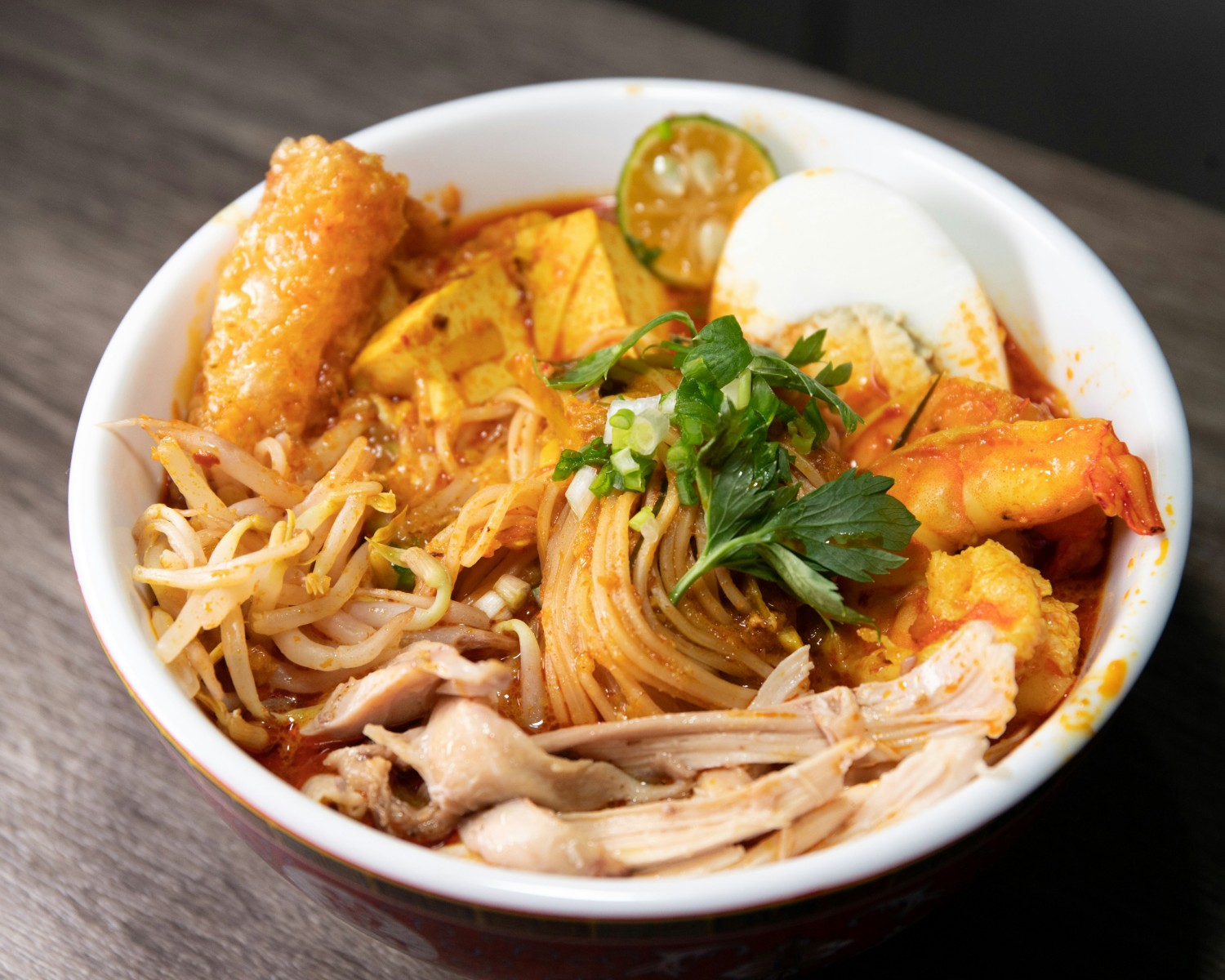
Laksa
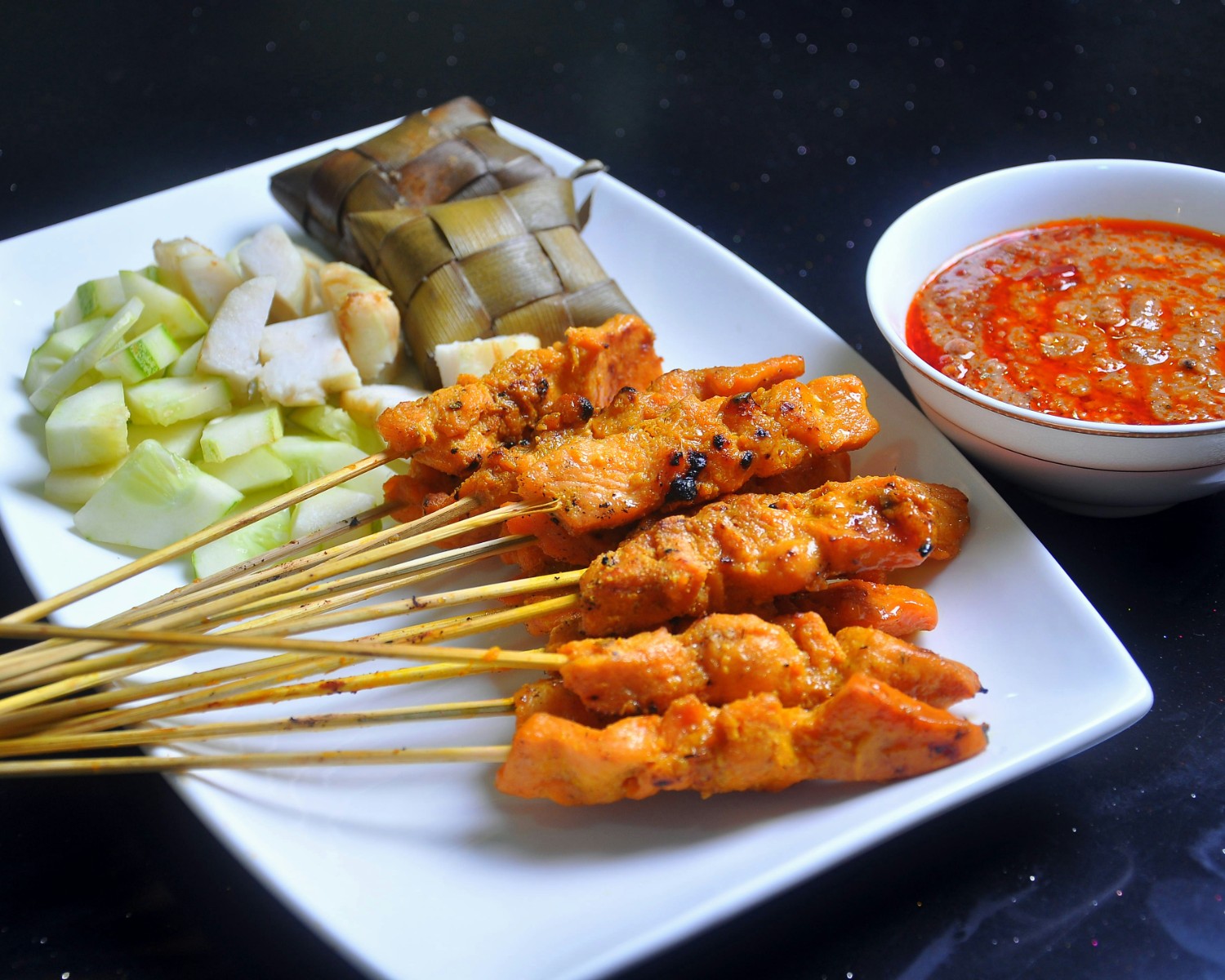
Satay
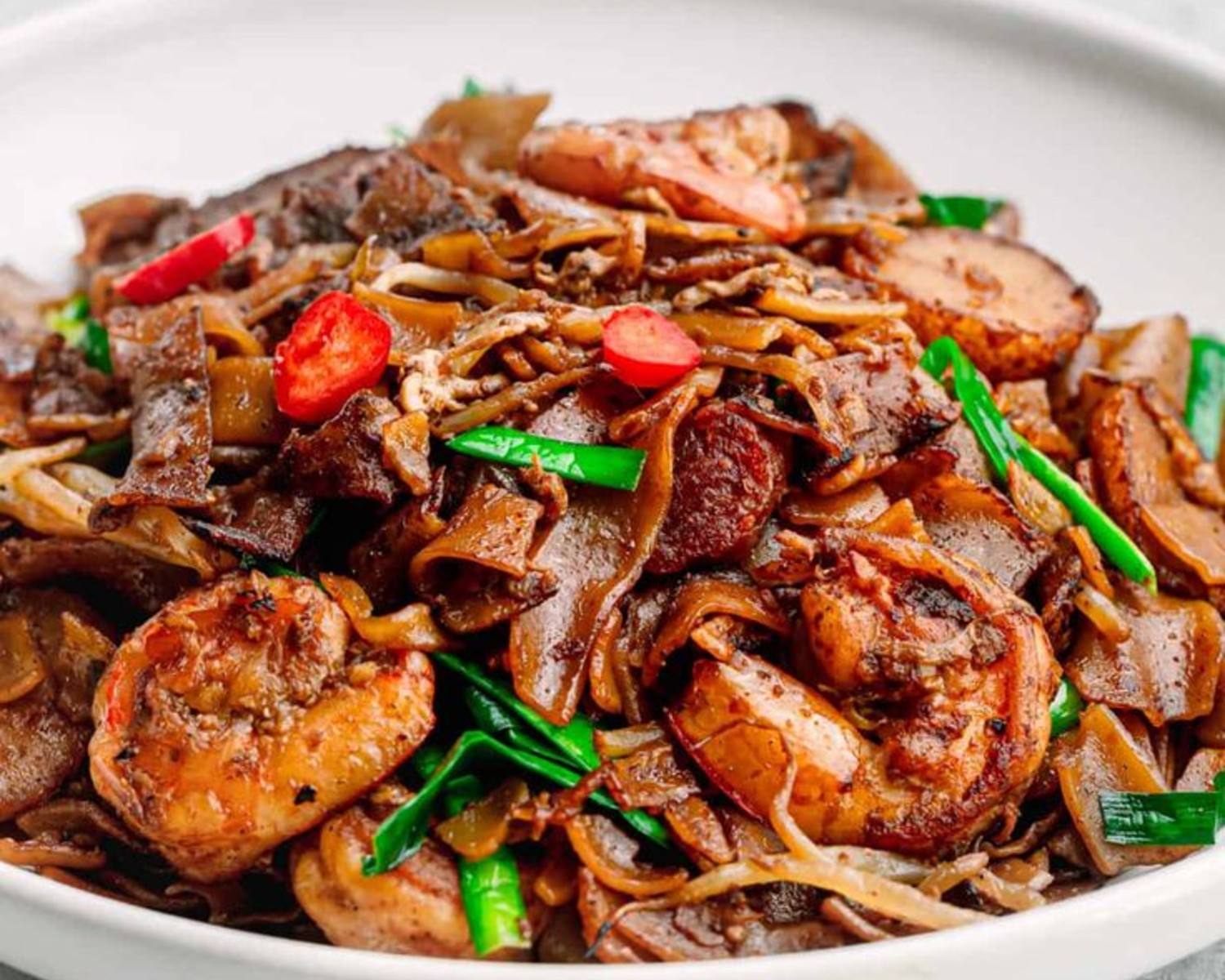
Char Kway Teow
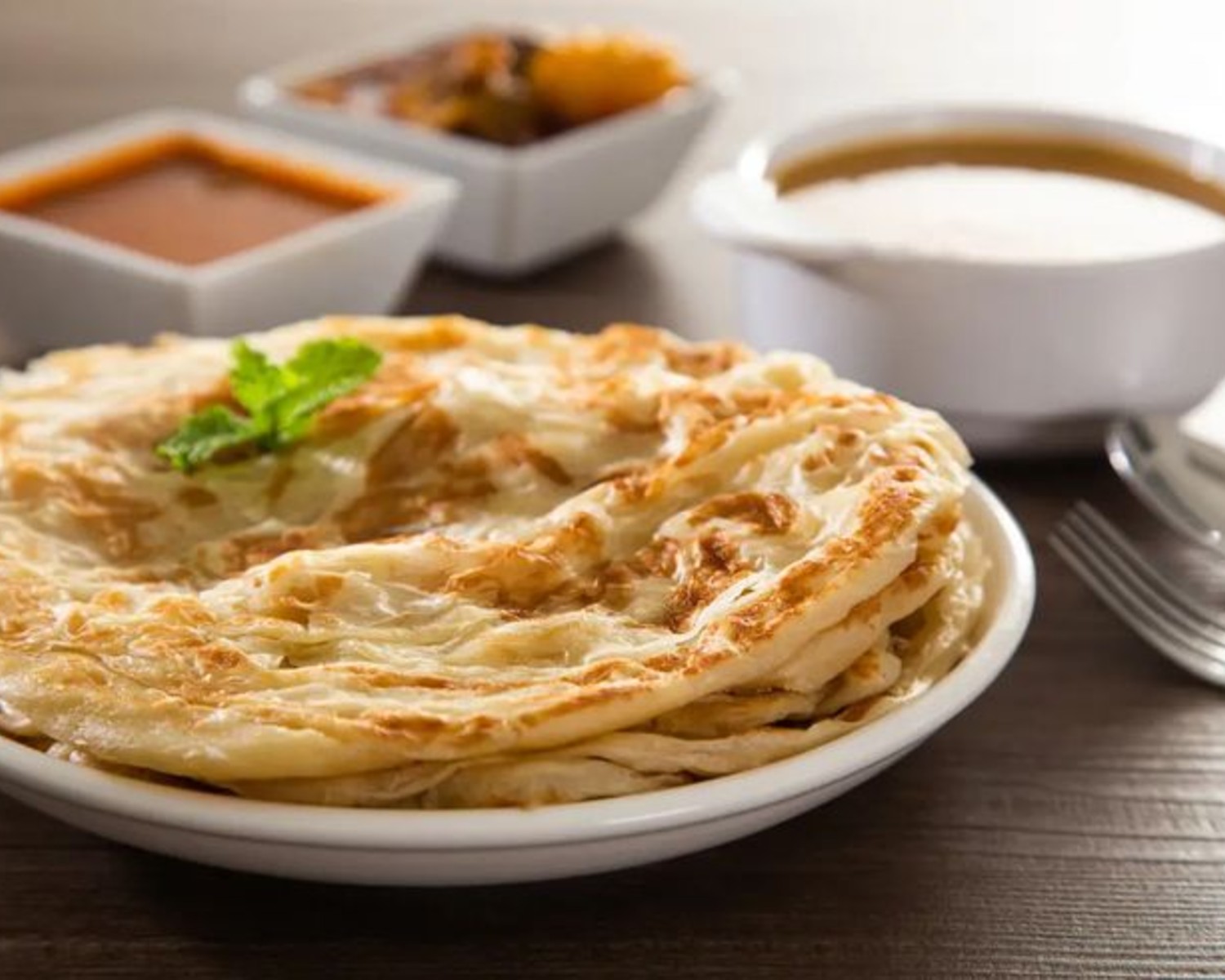
Roti Prata
Dining Etiquette
- • Hawker stalls are the heart of Singapore dining; embrace the casual, communal atmosphere.
- • Tipping is not customary but appreciated (rounding up bills or small cash tips).
- • Food courts and hawker stalls are extremely affordable; expect utter cleanliness and food quality.
- • Service charges and GST (Goods & Services Tax) are included in bills at mid-range and upscale restaurants.
- • Singaporeans are adventurous eaters; trying local dishes is encouraged and respected.
Signature Drinks
Shop & Bring Home
Singapore is a shopper's paradise with world-class malls, duty-free outlets, and unique local markets. High-end brands, electronics, souvenirs, and street fashion are all easily accessible.
Electronics & Tech
$100–2,000+
- Smartphones & Laptops
- Cameras & Drones
- Gaming Consoles
- Smartwatches
Singapore is duty-free; electronics cheaper than India and most countries.
Fashion & Luxury
$50–5,000+
- Designer Brands (Gucci, Prada, LV)
- High-Street Fashion (Zara, H&M)
- Luxury Watches & Jewelry
Luxury items cheaper in Singapore due to GST refunds and duty-free status.
Local & Artisan Products
$5–200
- Peranakan Crafts
- Local Souvenirs
- Batik & Textile Art
- Spices from Little India
Authentic Singaporean and regional crafts from markets and specialty shops.
Beauty & Cosmetics
$10–300
- International Brands
- Asian Cosmetics (Korean, Japanese)
- Skincare & Wellness
Asian beauty products widely available at competitive prices.