Malaysia
factsheet
A multicultural melting pot where ancient temples meet gleaming skyscrapers, diverse cuisines blend seamlessly, and nature thrives in rainforests and island paradises.
Complete Malaysia factsheet: VISA-FREE 30 days Indians (MDAC mandatory till Dec 2026), MYR 1=₹20, record 1.009M Indian visitors Jan-Nov 2024 (+71% YoY).
The Essentials
Best Time
Mar - Oct
Currency
MYR (RM)
Climate
Tropical (Humid)
Time Zone
UTC+8
Language
Malay & English
Visa
Visa-Free (Until Dec 2026)
Capital
Kuala Lumpur
Population
34M
Calling Code
+60
Power Plug
Type G (220V)
Tipping
Service charge included (optional extra appreciated)
Emergency
999
History & Heritage
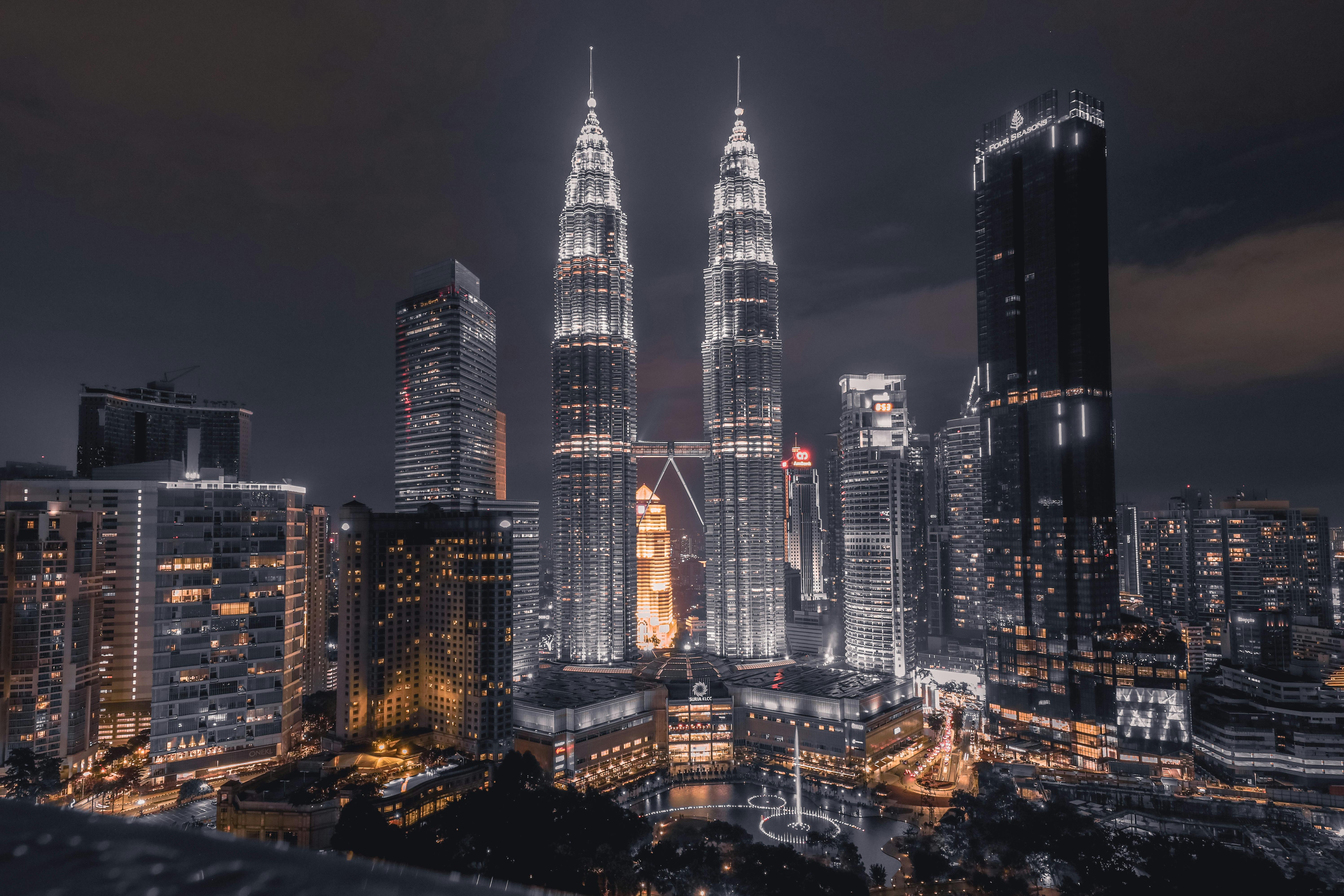
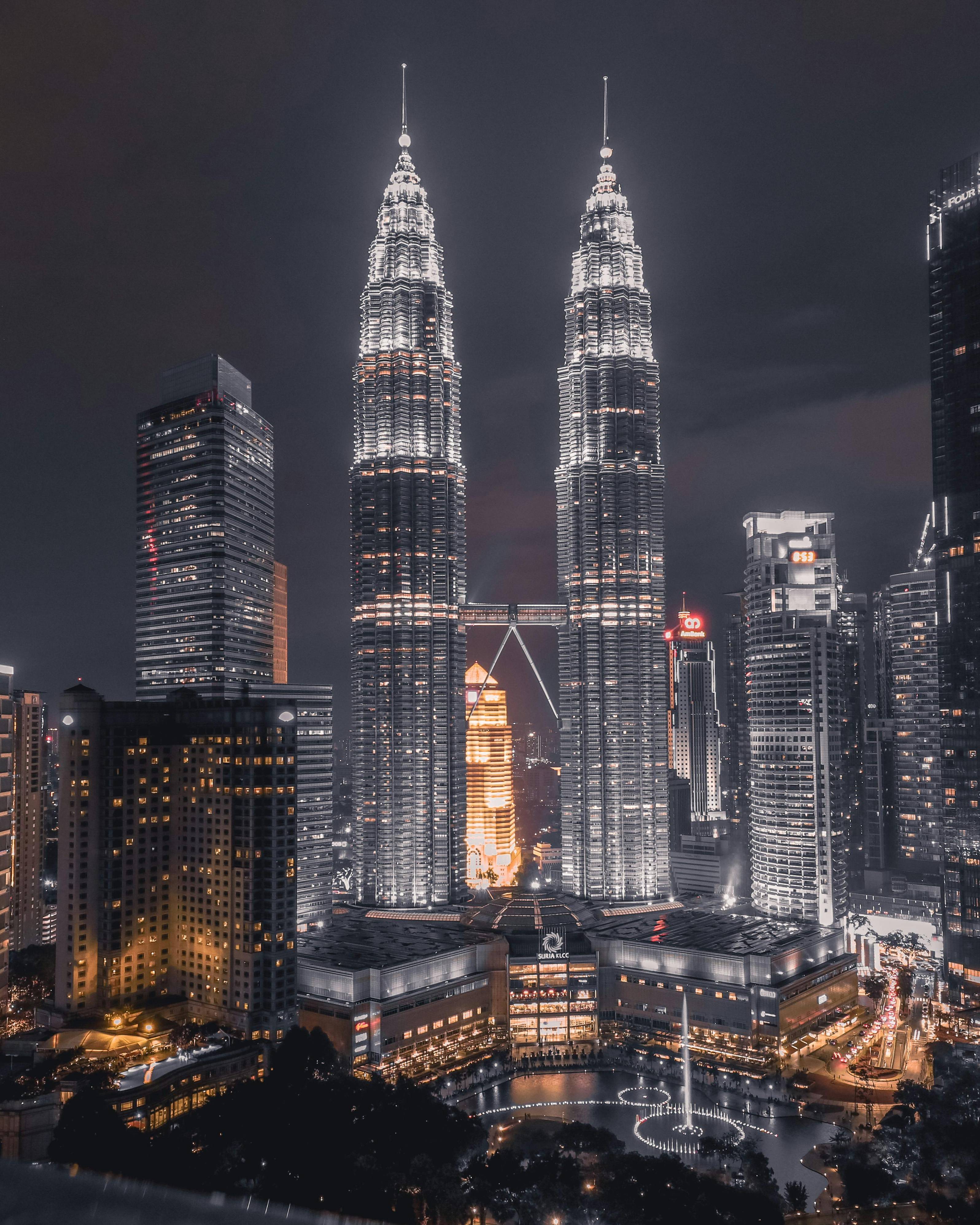
Malaysia’s rich history weaves together ancient kingdoms, colonial rule, and a remarkable post-independence transformation. From early tin-mining settlements to the gleaming Petronas Twin Towers in Kuala Lumpur, the nation has evolved into a prosperous, multicultural destination that seamlessly bridges East and West—making it one of the best cultural tourism destinations and fast-growing economies in Southeast Asia.
Ancient Kingdoms (1st-15th Centuries)
Long before European contact, sophisticated Malay kingdoms like Malacca Sultanate flourished as powerful maritime trading empires controlling Strait commerce. The sultanate was a beacon of Islamic learning, attracting merchants from Arabia, Persia, India, and China—a cultural crossroads that shaped Malaysia's Muslim identity.
Portuguese & Dutch Colonial Era (1511-1795)
Portuguese conquistador Afonso de Albuquerque seized Malacca in 1511, beginning European colonization. Dutch, British, and Portuguese forces battled for control, establishing trading ports and exploiting resources. This period brought Christianity, new trade routes, and foreign governance to the peninsula.
British Colonial Period (1795-1957)
Britain gradually unified the peninsula, establishing Kuala Lumpur as a tin-mining settlement in 1857. The Malay States were brought under British 'protection,' introducing modern infrastructure, education, and English language. Thousands of Chinese and Indian workers arrived as laborers, transforming Malaysia's demographics forever.
Japanese Occupation (1942-1945)
During World War II, Imperial Japan occupied Malaya for three years, imposing harsh rule and cultural suppression. The occupation accelerated independence movements and unified resistance, sowing seeds for post-war nationalism.
Independence & Formation of Malaysia (1957-1963)
On August 31, 1957, Malaya declared independence from Britain. In 1963, the Federation of Malaysia was formed, uniting Malaya, Sabah, Sarawak, and Singapore (Singapore left in 1965). The nation adopted a constitutional monarchy with Islam as the federation's religion but protecting religious freedom.
Modern Development & Vision 2020 (1981-Present)
Under Prime Minister Mahathir Mohamad's leadership, Malaysia transformed into a middle-income nation. The iconic Petronas Twin Towers (completed 1998) symbolized Vision 2020—becoming a fully developed nation by 2020. Today, Malaysia is a stable, prosperous Southeast Asian tiger with a globally recognized brand.
Climate & Weather
Malaysia enjoys a tropical climate year-round with high humidity, warm temperatures, and significant rainfall. The country experiences two main monsoon seasons: Southwest Monsoon (May-September) and Northeast Monsoon (November-March). East Coast and Borneo have distinct rainy seasons, while Kuala Lumpur and the West Coast remain relatively drier throughout the year.[web:51][web:54][web:57]
Time Zone
UTC+8 (MYT - Malaysia Standard Time)
2.5 hours ahead of IST (India Standard Time)
Best Months
March, April, September & October
Dry Season (Dry Southwest Monsoon)
May – Sep
25–32°C
Peak tourist season. Best time for island visits, beach activities, and water sports. Long daylight. Minimal rainfall on West Coast. Ideal for Langkawi, Penang, and Kuala Lumpur.
Transition & Wet Season
Oct – Apr
23–30°C
Northeast Monsoon brings heavy rains, especially on East Coast (Terengganu, Kelantan). West Coast still pleasant. Fewer tourists, lower prices. Ideal for indoor activities, shopping, cultural exploration.
High Tourism Season
Dec – Jan
24–30°C
School holidays, Chinese New Year, New Year celebrations. Crowded but festive. Higher prices. Great for family holidays and festival experiences.
Year-Round Warmth
All Year
23–32°C
Malaysia is warm and humid every day. Pack light, breathable clothing year-round. Indoors (shopping malls, hotels) heavily air-conditioned—bring a light jacket.
Seasonal Packing List
Language Guide
Official Language
Malay (Bahasa Malaysia / Bahasa Melayu)
Malay is the official language, taught in schools and used in government. English is widely spoken, particularly in Kuala Lumpur, tourist areas, and by younger generations. Many signs are bilingual. Older Chinese and Indian populations often speak their heritage languages (Mandarin, Tamil, Punjabi). English proficiency is high—most tourists will have no language barriers.[web:54][web:57][web:75]
Local Signage
Useful Phrases
Hello
suh-LAH-mat PAH-gee / HAH-lo
Selamat pagi / Halo
Thank you
tuh-REE-mah KAH-see
Terima kasih
Goodbye
suh-LAH-mat TING-gal
Selamat tinggal
Yes / No
yah / tee-DAHK
Ya / Tidak
Please
see-LAH-kan / TOH-long
Silakan / Tolong
Excuse me
mah-AHF
Maaf
How much?
buh-RAH-pah HAR-gah-nya
Berapa harganya?
Where is...?
dee MAH-nah
Di mana...?
Also Commonly Spoken
English
Widely spoken in Kuala Lumpur, hotels, restaurants, and tourist areas. Official second language, taught in schools. Younger people fluent.
Mandarin Chinese
Spoken by Malaysian Chinese community (~23% of population); useful in Chinese neighborhoods, restaurants, and shops.
Tamil & Other Indian Languages
Spoken by Indian Malaysians (~7% of population); heard in Indian restaurants and neighborhoods like Little India.
Hindi/Urdu
Increasingly heard in Malaysia due to Indian diaspora; some hospitality staff speak basic Hindi; Indian restaurants common.
Currency & Money
Official Currency
Malaysian Ringgit
RM (MYR) — RM 1 = 100 Sen
Banknotes
1, 2, 5, 10, 20, 50, 100 RM
Coins
1, 5, 10, 20, 50 Sen
ATMs & Cash Withdrawal
ATMs widely available throughout Malaysia, including in shopping malls, hotels, and street corners. Most accept international cards (Visa, Mastercard). Withdrawal fees are minimal (0-3%). Recommended to withdraw early; rural areas and small islands may have limited ATM access.[web:56]
Credit & Debit Cards
Widely accepted in hotels, restaurants, shopping malls, and tourist attractions in Kuala Lumpur and major cities. Cash remains essential for street markets, hawker stalls, taxis, and smaller establishments. Contactless payments growing. Many small shops are cash-only.[web:56]
Tipping Culture
Malaysia does not have a strong tipping culture. Most restaurants automatically add a 6-10% service charge to the bill. Additional tips (rounding up RM 1-5) are appreciated for exceptional service but not expected. Tipping taxi drivers and hotel staff is less common but welcomed.[web:51][web:57]
Daily Budget Estimates
Budget Traveler
RM 100-150 (~₹2,300-3,500 / $28-42)
Mid-Range Traveler
RM 200-350 (~₹4,600-8,000 / $47-82)
Luxury Traveler
RM 400+ (~₹9,200+ / $94+)
Visa & Entry
Visit official Malaysia Digital Arrival Card portal: imigresen-online.imi.gov.my/mdac/main[web:54]
Fill in passport details, personal information, and Malaysian address (hotel name and details).
Complete declaration of health status and customs information.
Submit form online (takes ~5 minutes).
Receive instant email confirmation with approval reference number.
Arrive in Malaysia with MDAC approval on email or printed, plus valid passport.
Present both at airport immigration and you're cleared to enter.[web:54]
Registration
Online self-service form at the Immigration Department portal; must be completed at least 3 days before arrival.[web:54]
MDAC is mandatory for all Indian nationals entering Malaysia for short-term visits.[web:54]
Penalty: Without approved MDAC, travelers may be denied boarding or entry at Malaysian immigration.
Visa Extension
Apply at nearest Immigration office before 30-day visa-free period expires.
Cost: Extension fees vary; typically RM 200-400 depending on duration.
Requirements
- • Valid Indian passport with at least 6 months remaining validity from date of entry into Malaysia.[web:51][web:54]
- • Completed Malaysia Digital Arrival Card (MDAC) approved 3 days before arrival.[web:54]
- • Return or onward flight ticket showing departure from Malaysia within 30 days.
- • Hotel booking confirmation or accommodation address in Malaysia.
- • Proof of sufficient funds (USD $500 or equivalent; RM 2,000+ recommended).[web:54]
- • Travel insurance (highly recommended for medical and trip protection).
Getting There & Around
Intercity Travel
Long-Distance Buses
Buses from Terminal Bersepadu Selatan (TBS) or Terminal Putra to Penang, Ipoh, Melaka, Johor Bahru, etc. Comfortable coaches, frequent departures. RM 20-50 depending on route.
Express Trains
KTM trains from KL Sentral to major cities (Ipoh, Penang, Melaka). Slower than buses but more comfortable. RM 20-80 depending on destination.
Budget Airlines
AirAsia, Malindo Air offer cheap flights to Penang, Langkawi, Kota Kinabalu (Sabah), Kuching (Sarawak). RM 40-150 one-way. Fast but less convenient than overland travel.
Ferries to Islands
Ferries from Port Klang or Georgetown to Langkawi, Penang, and other islands. Scenic, cheap (RM 10-30), and good day-trip options.
Grab/Private Drivers
Best for flexibility and custom routes. Hotels arrange private drivers (RM 150-250/day). Grab app offers intercity rides via carpools.
Culture & Local Life
Multicultural Harmony with Deep Islamic Roots
Malaysia's culture is a vibrant tapestry of Malay, Chinese, Indian, and indigenous traditions coexisting in harmony. Islam shapes many aspects of daily life, yet the nation protects religious freedom and celebrates diverse festivals. Contemporary Malaysia balances modern aspirations with respect for traditional customs—you'll find ultramodern shopping malls adjacent to centuries-old temples and mosques.
Hawker Food Culture
The soul of Malaysian life revolves around hawker centers—open-air food courts where Malays, Chinese, Indians, and tourists sit shoulder-to-shoulder eating cheap, delicious food. From nasi lemak to roti canai to char kway teow, hawkers represent multiculturalism in action and the democracy of shared tables.
Festival Celebrations
Diverse festivals dominate the calendar: Hari Raya (Islamic), Chinese New Year, Deepavali (Hindu), and Thaipusam. Each brings public holidays, street parades, decorations, and communal celebrations—often crossing ethnic lines as all Malaysians participate in neighbors' festivals.
Tea & Coffee Rituals
Morning mamak stall culture with 'teh tarik' (pulled milk tea) and roti canai is sacred. Afternoons bring dim sum in Chinese teahouses. Coffee shops (kopi tiam) serve black coffee (kopi) or milk coffee (kopi susu) with breakfast pastries and toast.
Temple & Mosque Reverence
Whether Hindu temples, Buddhist shrines, or grand mosques, places of worship are treated with utmost respect. Many temples and mosques welcome respectful tourists; some host festivals attracting thousands. Friday prayers at mosques are sacred to Muslim Malaysians.
Gifting Etiquette
Avoid giving clocks (associated with death), sharp objects (cutting friendship), or white/black wrapping (funeral colors). Gifts wrapped in red or gold are auspicious. Gifts are often not opened in front of givers to avoid embarrassment. Alcohol is inappropriate for Muslim colleagues or hosts.
Business Etiquette
Business cards are exchanged formally, often with both hands. Meetings are professional but begin with brief social chat. Punctuality is increasingly valued. Respect for hierarchy and elders is paramount. Decision-making is consensus-based rather than confrontational.
Dining Etiquette
Wait for the eldest or most honored person to start eating. In traditional Malay dining, eat with your right hand. At formal dinners, compliment the host's cooking. Finishing your plate shows appreciation, but in hawker stalls, it's normal to leave rice if full. Tea or coffee service at business meetings is respectful.
Food & Drink
Malaysian cuisine is Asia's most multicultural eating experience. Malay, Chinese, Indian, and indigenous influences merge on plates and in hawker centers where Malays, Chinese, and Indians cook side-by-side and dine together. The result is a culinary democracy where nasi lemak (Malay) sits beside dim sum (Chinese) and banana leaf rice (Indian)—often all eaten at the same meal.
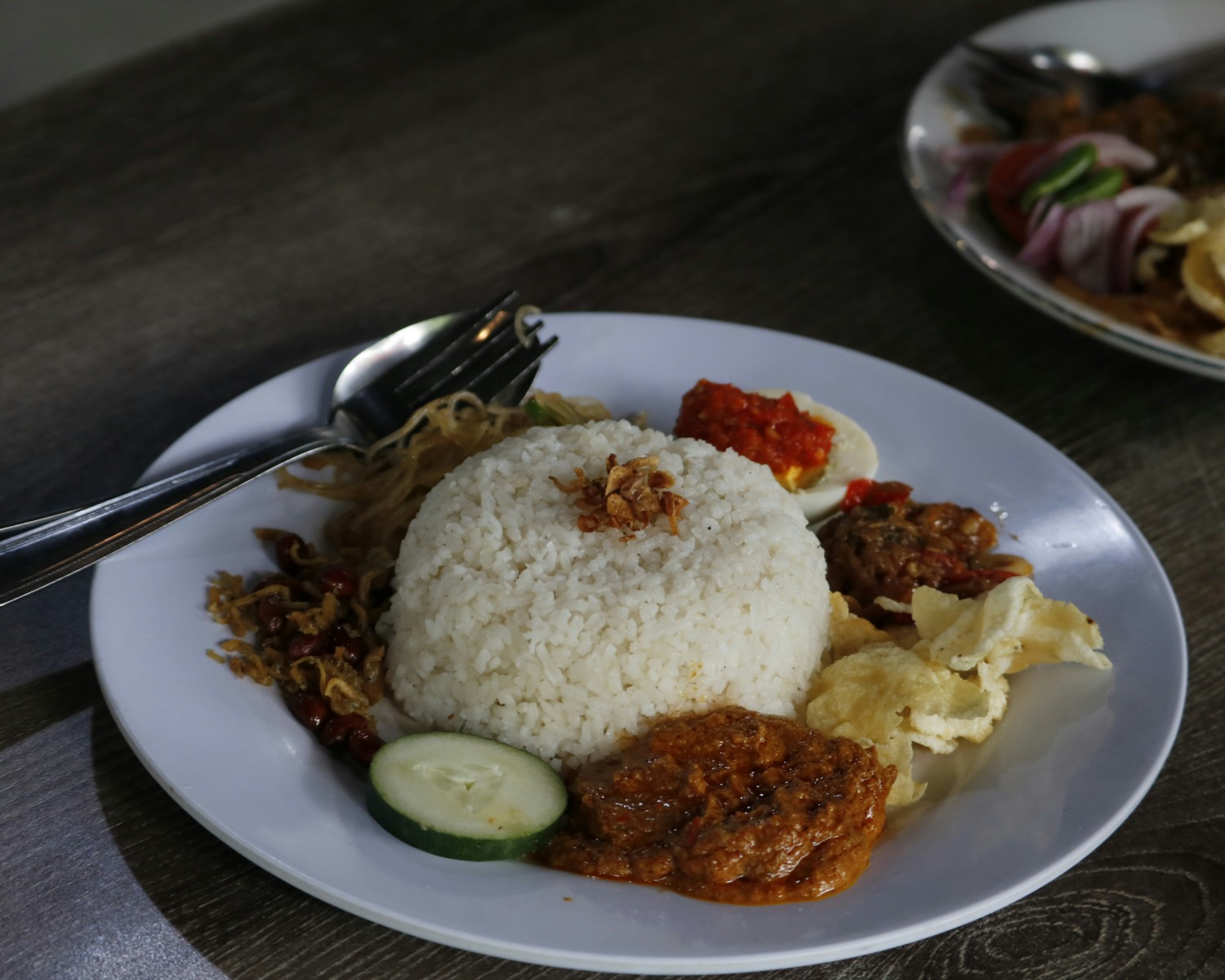
Nasi Lemak
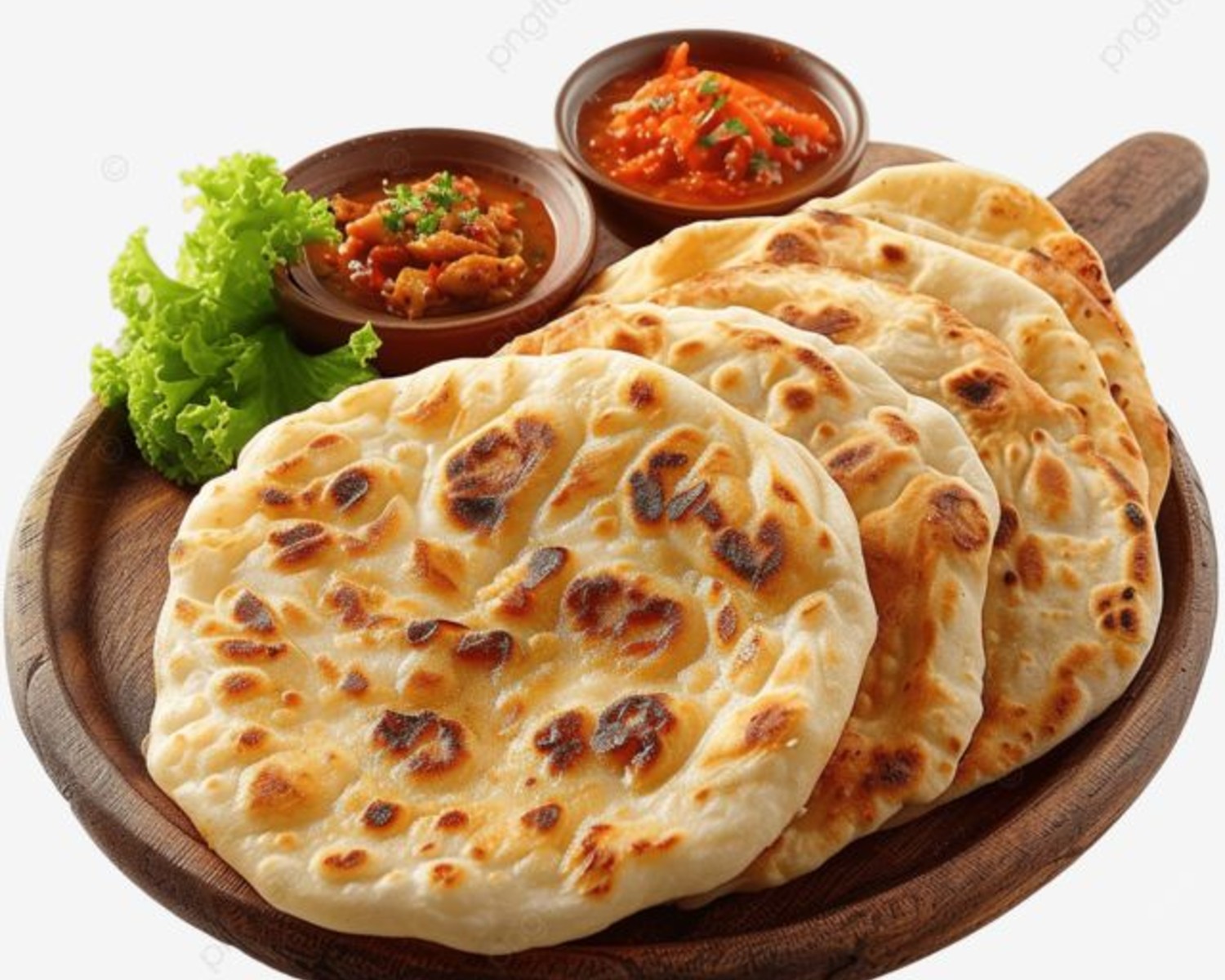
Roti Canai
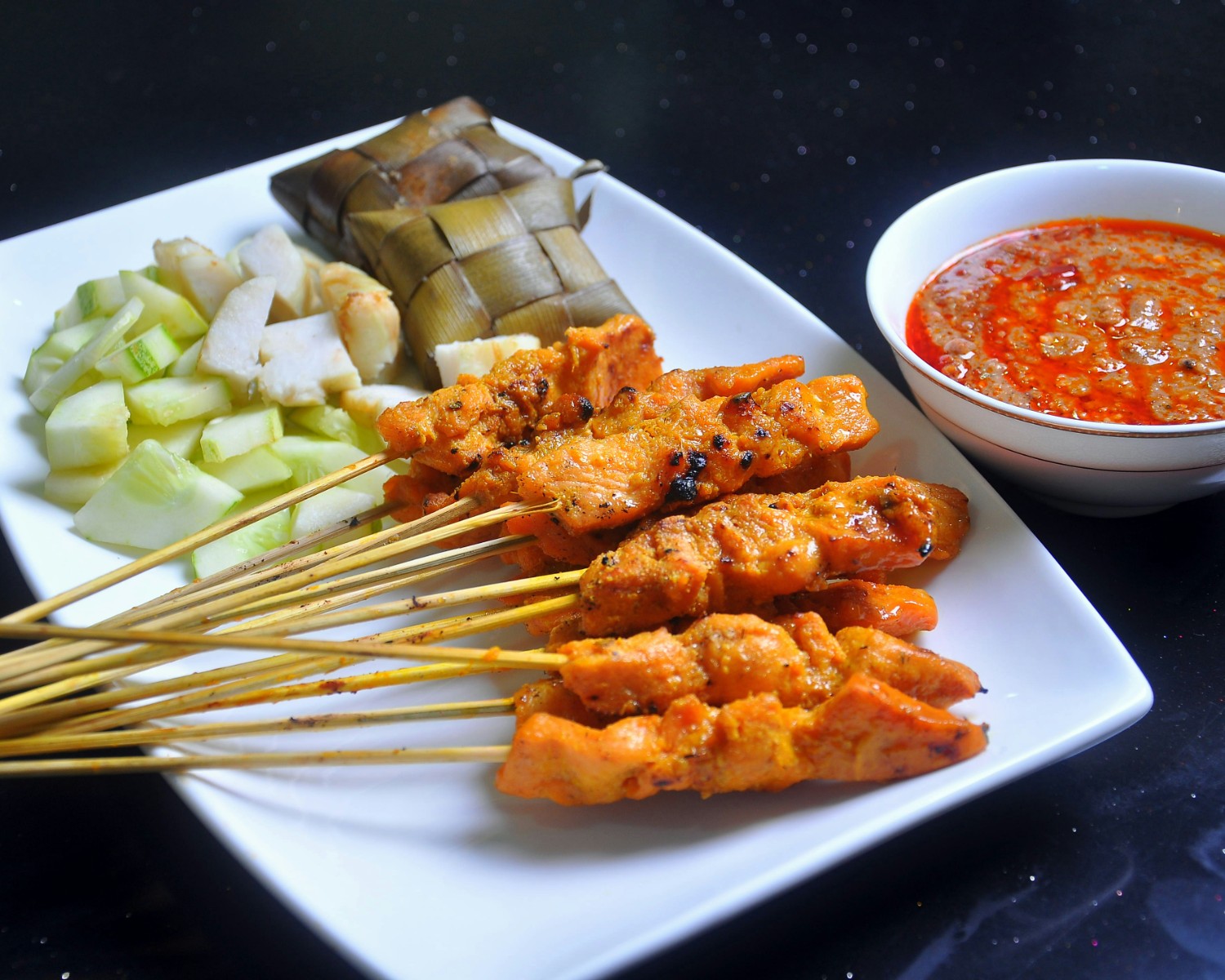
Satay
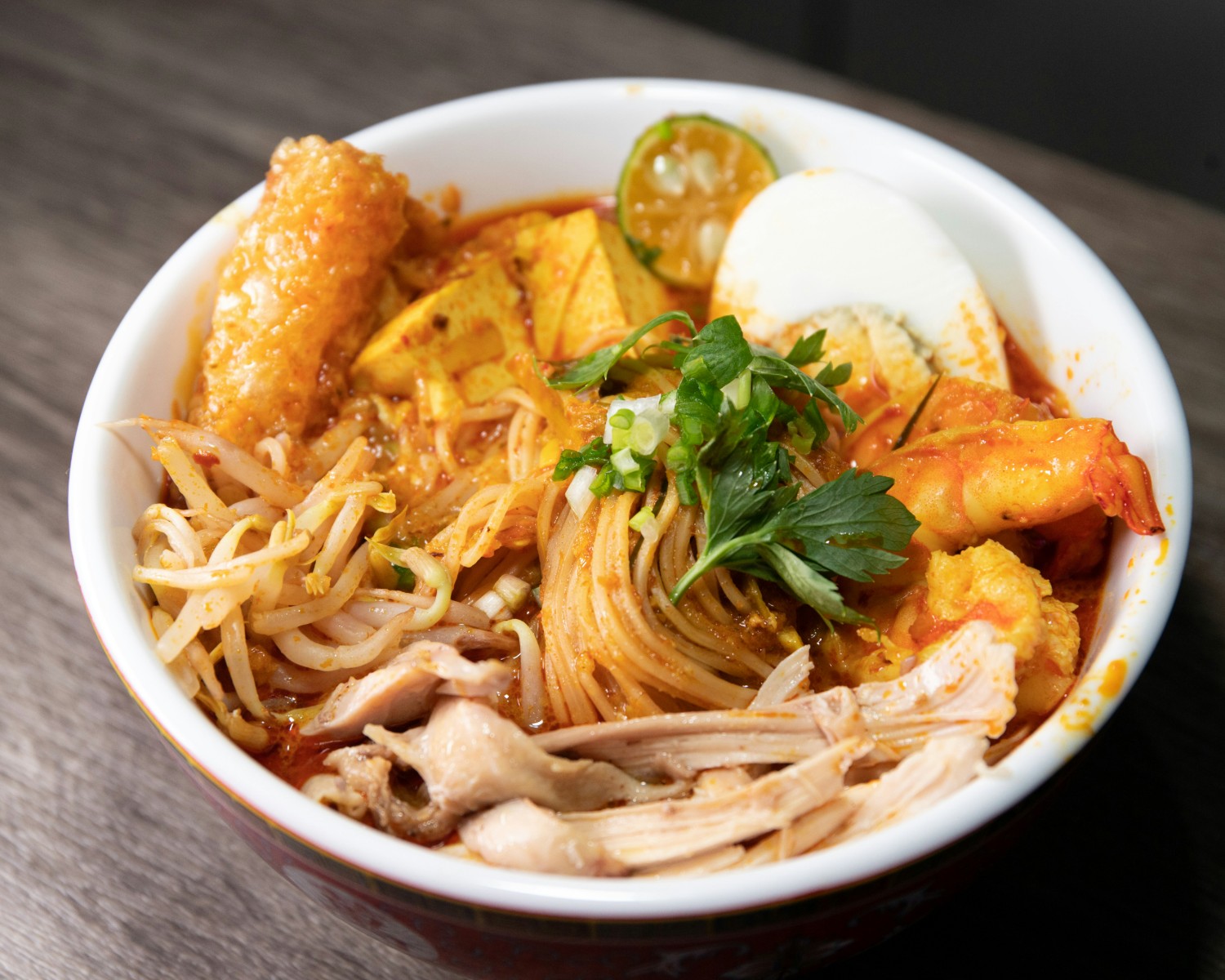
Laksa
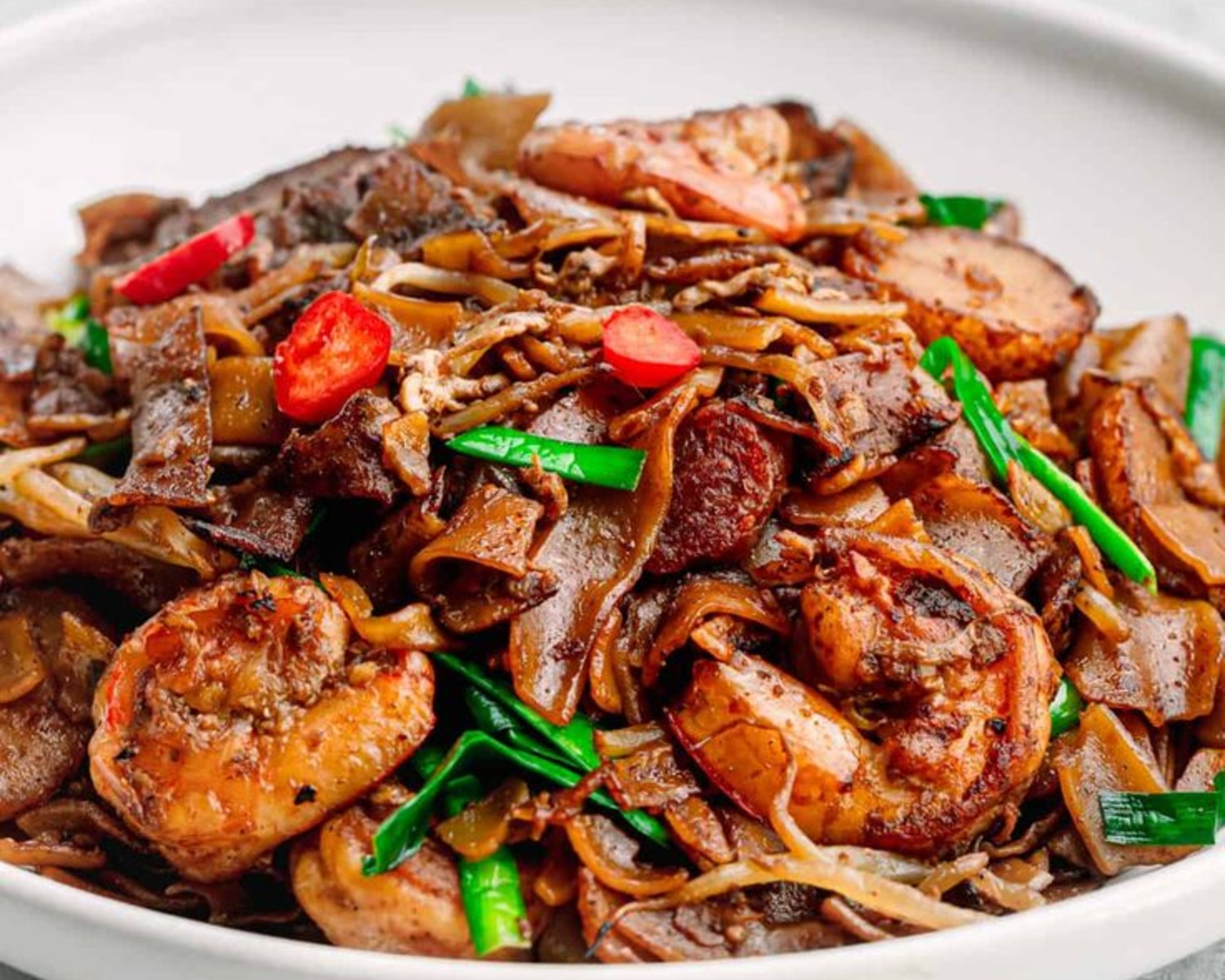
Char Kway Teow
Rendang
Nasi Goreng
Dining Etiquette
- • Meals are communal and social; sharing dishes is standard. Eating alone is uncommon; bring company or dine among strangers at crowded hawker centers.
- • Hawker food culture dominates—cheap, fast, delicious, and multicultural. Sit at any table; locals don't mind sharing with strangers.
- • Eat with right hand traditionally, though forks and spoons are standard in restaurants.
- • Always ask permission before photographing food or people at food stalls.
- • Compliment the food and cook—Malaysians take pride in their culinary heritage.
- • Service charge (6-10%) usually included in bills; extra tipping (rounding to RM 5-10) appreciated but optional.
- • Many eateries operate dawn to 10-11 PM; breakfast culture strong (7-10 AM); lunch rush 12-2 PM; dinner 6-9 PM.
- • Avoid bringing pork to Malay households or offering alcohol to Muslims. Many halal-certified restaurants cater to Islamic dietary requirements.
Signature Drinks
Shop & Bring Home
Malaysia is a shopper's paradise where ultramodern malls sit alongside centuries-old night markets and bustling bazaars. From electronics and fashion to spices and local crafts, Malaysia offers world-class shopping with duty-free zones (Langkawi) and famous night markets.
Electronics & Gadgets
RM 300-5,000+
- Smartphones & laptops
- Cameras & accessories
- Computers & peripherals
- Gaming gear
Competitive prices, especially at Low Yat Plaza (KL). Verify authenticity and warranty before buying.
Fashion & Accessories
RM 50-2,000+
- International designer brands
- Local Malaysian fashion
- Shoes & handbags
- Traditional batik wear
Luxury brands at Pavilion KL and Suria KLCC. Local batik at markets and boutiques.
Spices & Local Products
RM 5-100
- Spices (turmeric, chili, cumin)
- Saffron & star anise
- Local tea & coffee
- Dried seafood
Central Market and neighborhood bazaars offer freshest selections and best prices.
Handicrafts & Souvenirs
RM 20-500
- Batik fabric & sarongs
- Wood carvings & masks
- Pewter items
- Local art & paintings
Supports local artisans; authentic pieces at craft centers and night markets.