Laos
factsheet
The land of a million elephants where ancient temples, mystical rivers, and untouched nature create an authentic Southeast Asian escape.
Essential Laos travel tips: Visa on arrival info, climate guides, and seasonal planning. Discover when to visit and how long to stay with Bayard Vacations.
The Essentials
Best Time
Nov - Mar
Currency
LAK (₭)
Climate
Tropical Monsoon
Time Zone
UTC+7 (ICT)
Language
Lao, English in tourism
Visa
30-day Tourist (at airport)
Capital
Vientiane
Population
7.7M
Calling Code
+856
Power Plug
Type A & C (220V)
Tipping
Not required but appreciated (1,000-5,000 LAK)
Emergency
191 (Police), 195 (Ambulance)
History & Heritage
Laos, officially the Lao People's Democratic Republic, is a landlocked nation in Southeast Asia with a rich tapestry of Buddhist heritage, French colonial architecture, and indigenous traditions. Once known as 'Lane Xang' (Land of a Million Elephants), Laos has preserved its spiritual essence while modernizing carefully. From ancient kingdoms to French colonialism and socialist governance, Laos today emerges as a peaceful, spiritual, and increasingly popular tourism destination.[web:721][web:724]
Ancient Kingdoms (1353–1707)
The Kingdom of Lane Xang (Land of a Million Elephants) was founded by Fa Ngum in 1353, becoming one of Southeast Asia's great powers. The period saw the flourishing of Buddhism, the construction of countless temples (wats), and the establishment of Theravada Buddhist traditions that define Laos today.
Colonial Era (1893–1954)
French colonialism transformed Laos's architecture, infrastructure, and governance. Vientiane and Luang Prabang's colonial buildings, tree-lined streets, and administrative systems reflect this era. The French introduced coffee plantations, modern roads, and education systems.
Independence (1954)
Laos gained independence from France on November 22, 1954. However, the subsequent decades saw internal conflicts and Cold War tensions that culminated in civil war and the rise of communism.
Communist Era & Reunification (1975)
The Lao People's Revolutionary Party unified the country in 1975, establishing the Lao People's Democratic Republic (Lao PDR). A period of isolation followed, though the country maintained Buddhism and cultural traditions despite communist rule.
Market Reforms & Openness (1986–Present)
The introduction of 'New Economic Mechanism' reforms in 1986 gradually opened Laos to the world. Tourism was liberalized in 1989, and since then, Laos has emerged as a must-visit Southeast Asian destination, attracting millions annually.[web:721][web:724]
Tourism Boom (2024–Present)
Laos welcomed 4.12 million international visitors in 2024 (21% growth), generating over USD 1.13 billion in revenue. The Visit Laos Year 2024 initiative and strategic visa policies have positioned Laos as the world's 13th fastest-growing tourism destination.[web:721][web:724][web:727]
Climate & Weather
Laos has a tropical monsoon climate with two main seasons: the dry season (November–April) and the rainy/wet season (May–October). The dry season is ideal for tourism, offering clear skies, comfortable temperatures, and perfect conditions for trekking, river cruises, and temple exploration.[web:723][web:726][web:732][web:735]
Time Zone
UTC+7 (ICT - Indochina Time)
2.5 hours behind IST (India Standard Time)
Best Months
November, December, January, February
Dry Season (Nov–Apr)
Nov – Apr
15–32°C
Peak season with cool, dry weather. November–February are coolest months (ideal for northern highlands). Clear skies, lush green landscapes from recent rains, high water levels for Mekong cruises (Nov–Jan). Perfect for all activities.[web:723][web:726][web:732][web:735]
Hot Dry (Mar–May)
Mar – May
25–38°C
Very hot, temperatures exceed 30°C in central/southern regions. Haze from slash-and-burn season (March–April) reduces visibility. River levels drop. Manageable in northern mountains; challenging in lowlands. Still visitable but less comfortable.[web:732][web:735]
Monsoon/Wet (May–Oct)
May – Oct
20–30°C
Heavy rainfall, especially July–September. Lush green landscapes and impressive waterfalls. Tourist numbers drop sharply, prices lower. Short downpours (usually afternoons). Quieter, more authentic experience but travel logistics challenging.[web:732][web:735]
Shoulder Season (Oct)
Oct
22–28°C
Transition month as rains decrease. Fresh green landscapes, moderate temperatures, fewer crowds. Emerging as popular time to avoid peak season prices and congestion while enjoying decent weather.[web:726]
Seasonal Packing List
Language Guide
Official Language
Lao (ພາສາລາວ)
Lao is a tonal language with 6 tones, making it challenging for non-native speakers. English is increasingly spoken by younger generations and in tourism sectors. French is still understood among older generations. Thai is mutually intelligible to some degree. Learning basic Lao phrases earns great appreciation from locals.[web:721][web:724]
Local Signage
Useful Phrases
Hello
sa-BAI-dee
Sabai dee
Thank you
KHOP-khoon
Khop khun
Goodbye
la-KOHN
La kohn
Yes / No
JAO / BAW
Jaao / Boh
Excuse me
KHOT-thod
Khot thohd
How much?
tao-DIE
Tao dai?
Where is...?
yu-SY
...yu sai?
Please
cha-LO-ee
Chaloeuy
Also Commonly Spoken
English
Increasingly spoken in Vientiane, Luang Prabang, tourist areas, hotels, and among younger Laotians. Limited in rural areas.
French
Older generations (50+) still speak French from colonial era; useful for cultural sites and museums.
Thai
Partially mutually intelligible with Lao; many Laotians understand Thai due to proximity and media consumption.
Vietnamese
Spoken by Vietnamese communities and border regions; less useful for most travelers.
Currency & Money
Official Currency
Lao Kip
₭ (LAK) — 1 LAK = 100 Sen
Banknotes
1,000, 5,000, 10,000, 20,000, 50,000, 100,000 LAK
Coins
Rarely used; smallest practical unit is 1,000 LAK note
ATMs & Cash Withdrawal
ATMs available in Vientiane, Luang Prabang, and major cities. Limited in rural areas. Visa/Mastercard accepted. Withdraw early; fees vary (typically 1-3%). Thai baht also widely accepted in northern regions near Thailand border.
Credit & Debit Cards
Accepted in upscale hotels, international restaurants, and shopping malls in main cities. Cash is king for street food, local markets, taxis, and small vendors. Most small establishments don't accept cards.
Tipping Culture
Tipping is not obligatory but appreciated. Rounding up bills, leaving 1,000–5,000 LAK for services, or 5–10% for good service in restaurants are appreciated gestures. Monks never accept tips or money directly.
Daily Budget Estimates
Budget Traveler
200,000–300,000 LAK (~$10–15)
Mid-Range Traveler
400,000–700,000 LAK (~$20–35)
Luxury Traveler
1,000,000+ LAK (~$50+)
Visa & Entry
For on-arrival visa: Arrive at Vientiane or Luang Prabang airport with completed TM.86 form (provided on arrival), passport, and photo.
For e-visa: Visit Lao Ministry of Foreign Affairs website (evisa.mfa.gov.la), fill application, upload documents, pay online.
Receive e-visa via email; print and present at immigration.
On-arrival takes 30–60 minutes; e-visa takes 3–5 working days.
Pay visa fee in USD or local currency at airport.
Receive 30-day single-entry tourist visa stamp.
Registration
Hotels typically handle registration for guests; provide copy of visa and passport.
Extended stays (60+ days) may require registration with Immigration Police (optional for tourist visas <30 days)
Penalty: Overstays incur fines (₭10,000 per day) and deportation for serious violations.
Visa Extension
Apply through Immigration Police offices in major cities. Extension of 30 days typically costs ₭300,000–500,000.
Requirements
- • Valid Indian passport (6+ months validity beyond departure date)
- • One passport-size photograph (4×6 cm) for on-arrival; digital copy for e-visa
- • Completed form (TM.86 for on-arrival; online form for e-visa)
- • Sufficient funds for stay (no exact amount specified, but advised to show bankcard/statements)
- • Return or onward flight ticket (may be requested)
- • Accommodation details (hotel booking or contact address)
Getting There & Around
Intercity Travel
Express Buses & Sleeper Buses
Connect major towns (Vientiane–Luang Prabang: 10 hours, ₭150,000–250,000). Sleepers offer beds; journey becomes overnight experience.
Minivans & VIP Shuttles
Faster than buses, hold 8–12 passengers. ₭200,000–400,000 depending on route. Depart when full.
Shared Taxis (Sawngthaaew)
Pickup trucks with bench seating; economical (₭100,000–300,000) but slow due to frequent stops.
Mekong River Cruises
Scenic slowboat journeys from Luang Prabang to Huay Xai. ₭300,000–500,000 for full-day experience with stops. Magical for travelers seeking immersion.[web:729]
Culture & Local Life
Spiritual & Peaceful with Timeless Traditions
Laos is a deeply spiritual nation where Buddhism permeates daily life. The concept of 'sabai' (taking it easy, relaxation) defines the national character—a stark contrast to the rushed pace of neighboring countries. Laos values simplicity, harmony with nature, and respect for traditions despite modern changes. Community and family bonds run deep; hospitality toward strangers is genuine and warm.[web:721][web:724]
Alms-Giving (Tak Bat)
Every dawn, saffron-robed monks walk through neighborhoods collecting alms (rice, food). Locals offer food as a spiritual merit-making practice. Observing or participating in this sacred ritual offers profound cultural insight.
Spirit Houses (Saan Phra Phoom)
Small shrines outside homes and businesses honor household spirits. Flowers, incense, and food offerings are daily rituals. These represent a blend of Buddhist and animistic beliefs unique to Laos.
Loy Krathong Festival
During full moon in November, floating lanterns (kratongs) are launched into the Mekong River to wash away bad luck and honor the water goddess. A magical, spiritual experience reflecting Laotian reverence for nature.
Baci Ceremony (String Tying)
A traditional ritual welcoming people, blessing travelers, or marking significant events. Elders tie white strings around guests' wrists while reciting wishes for good fortune and protection.
Gifting Etiquette
Gifts are welcomed but presented respectfully with both hands. Avoid clocks (symbol of death), white flowers (funeral use), or sharp objects. Wrap gifts neatly. Opening gifts immediately isn't customary; they're often opened privately later.
Business Etiquette
Respect hierarchies in traditional settings. Handshakes are gentle; excessive firmness considered aggressive. Business cards exchanged formally. Patience and indirect communication preferred over blunt Western styles.
Dining Etiquette
Wait for elders or hosts to begin eating. Use right hand for eating. Slurp noodles and soups audibly—it shows appreciation. Leave a small amount of food on the plate (leaving empty plate suggests hunger, implying poor hospitality). Sharing dishes is communal ritual.
Food & Drink
Laotian cuisine is a delicate balance of bold flavors—sticky rice, fresh herbs, lime, fish sauce, and spices—reflecting the country's riverside geography and agricultural heritage. Meals are communal, healthy, and heavily influenced by Thai and French cuisines. For Indian travelers, there's surprising familiarity in communal dining and vegetarian options, alongside unique Mekong River specialties.[web:721][web:724]
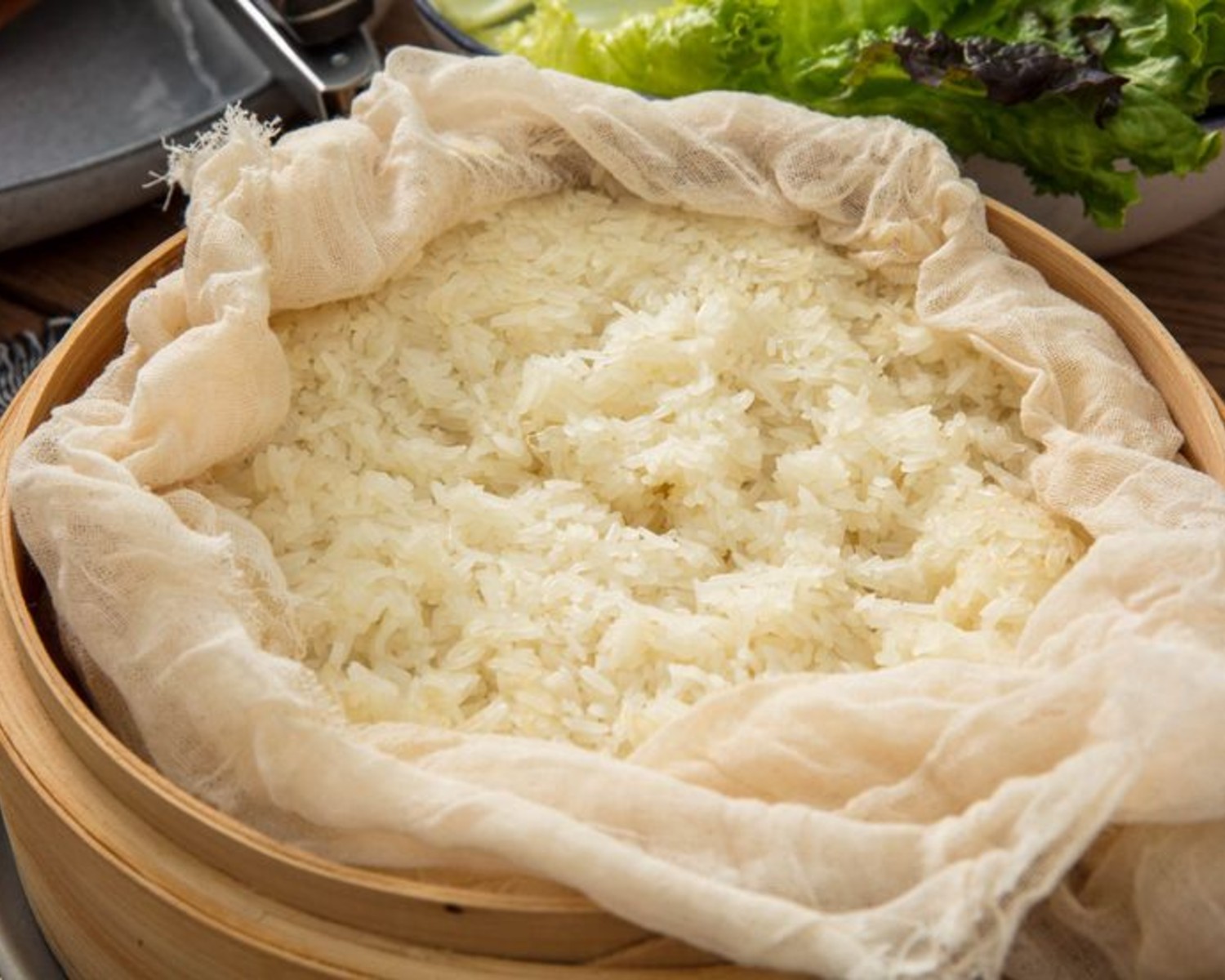
Sticky Rice (Khao Jiao)
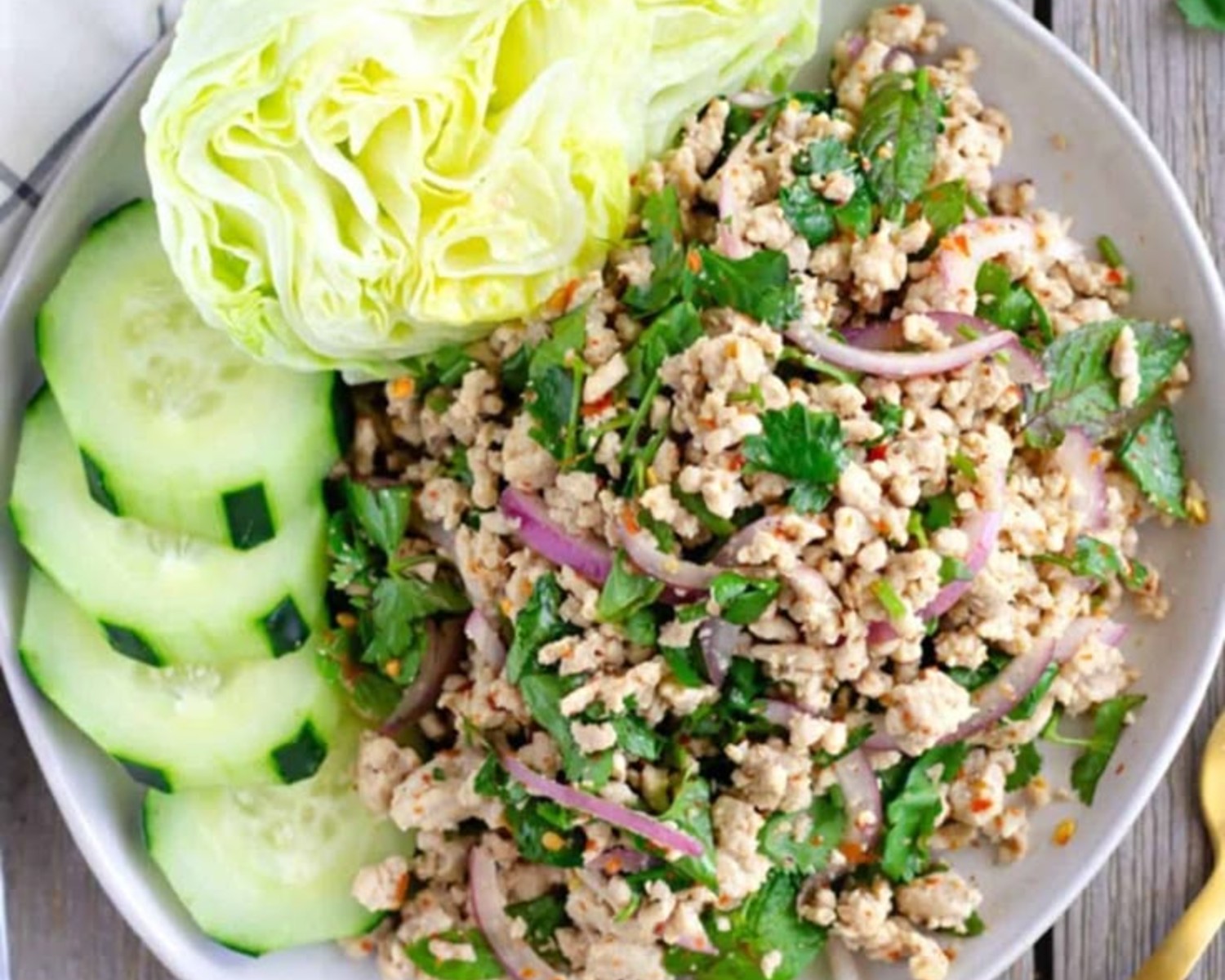
Larb (Larp)
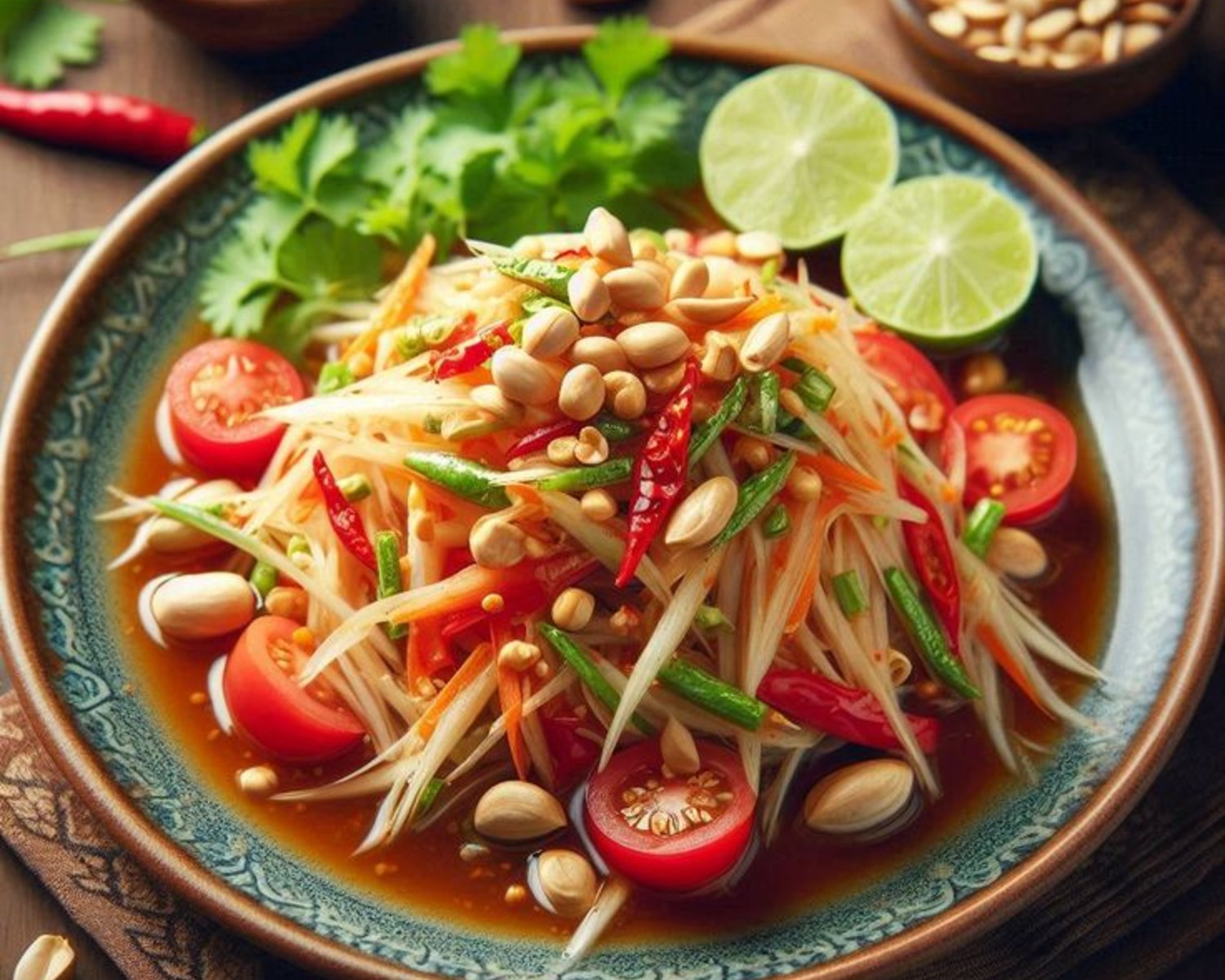
Papaya Salad (Som Tam)
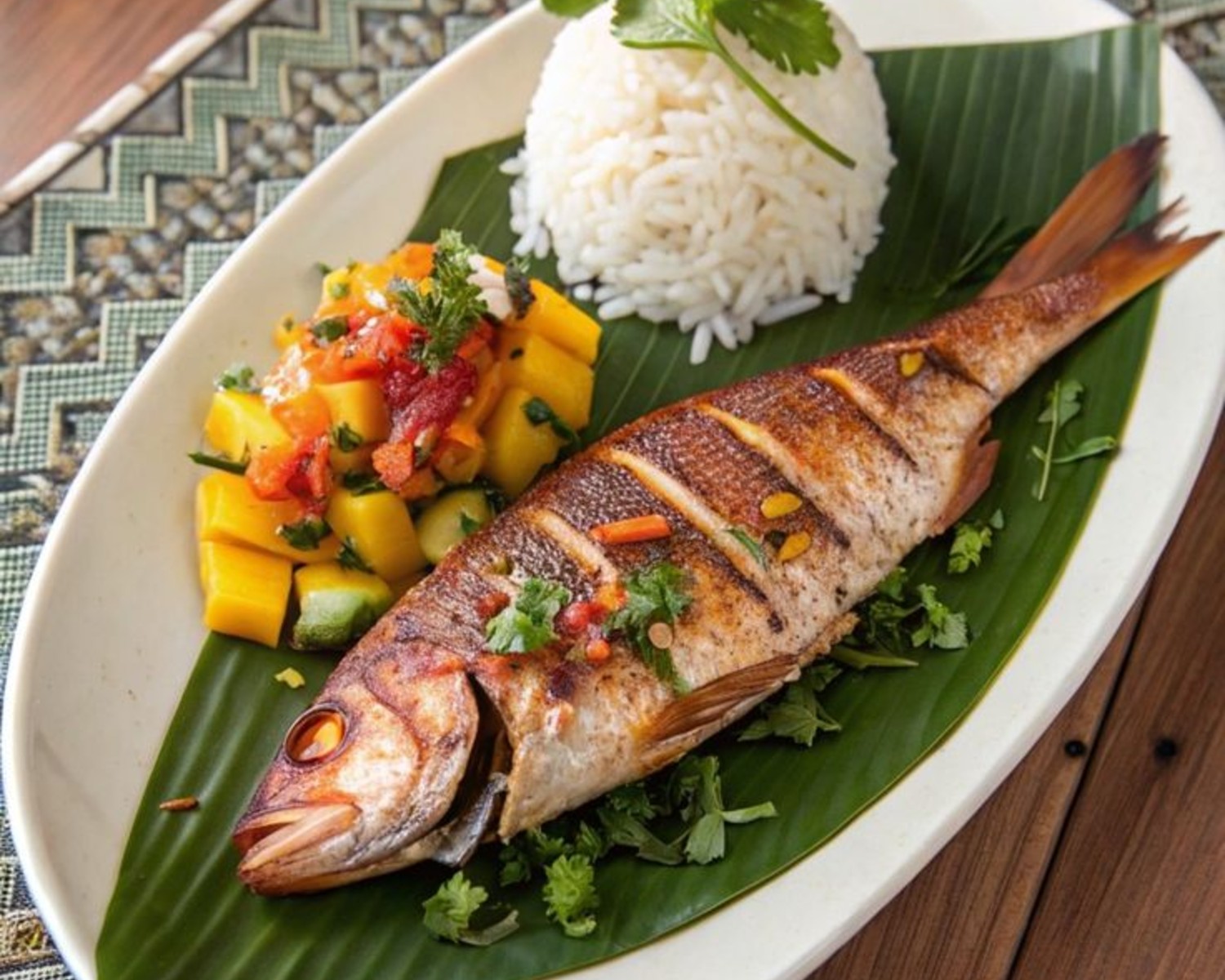
Laap Fishes & River Delicacies
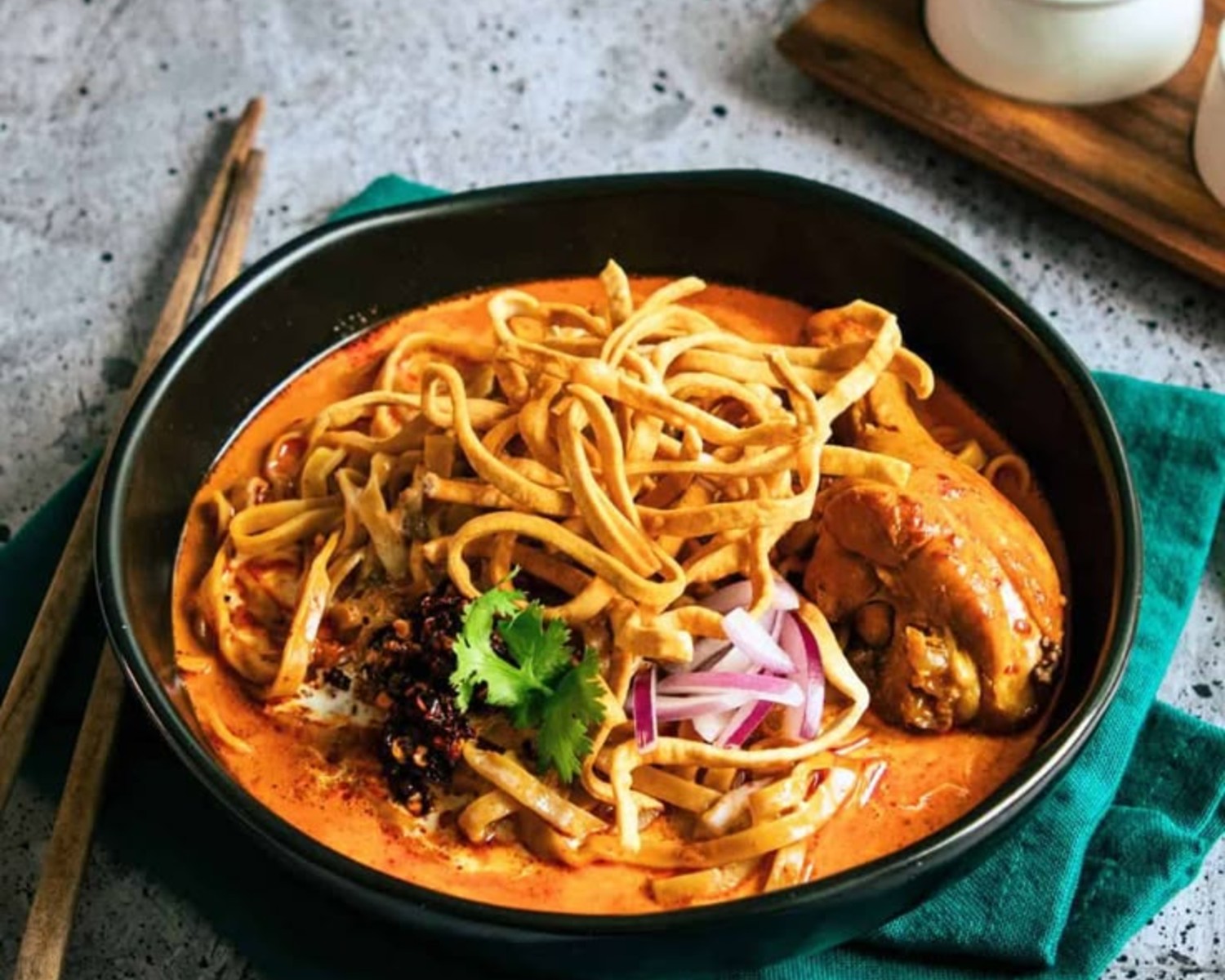
Khao Poon (Noodle Soup)
Banana Flower Curry (Kaeng Hom)
Dining Etiquette
- • Meals are communal; dishes placed in center for everyone to share.
- • Eat with spoon and fork (knife rarely used). Hold spoon in right hand, fork in left to push food onto spoon.
- • Sticky rice eaten by hand—roll into balls to scoop curries and dips.
- • Finish most (but not all) of your plate; leaving some rice is respectful and shows abundance.
- • Accept food graciously even if unfamiliar. Refusing is considered insulting.
- • Slurp soups and noodles audibly—shows enjoyment and appreciation.
- • Don't stick chopsticks upright in rice (funeral ritual symbolism).
- • Vegetarian and vegan options increasingly available; inform vendors of restrictions.
Signature Drinks
Shop & Bring Home
Laotian shopping blends traditional crafts, colonial-era antiques, and spiritual artifacts. From silk scarves and temple rubbings to handicrafts and coffee, Laos offers unique souvenirs reflecting its heritage. Night markets and colonial-era markets preserve authenticity while modern malls offer convenience.
Silk & Textiles
₭200,000–2,000,000+
- Handwoven Lao silk scarves
- Traditional textiles (mudmee patterns)
- Tapestries & wall hangings
- Silk sarongs
Silk Villages around Vientiane and Luang Prabang famous for authentic weaving; buy directly from weavers for best prices.
Handicrafts & Art
₭50,000–500,000
- Temple rubbings (ink on paper)
- Carved wooden Buddha statues
- Bamboo items & woven baskets
- Lacquerware with gold inlay
Artisan workshops in Luang Prabang and Vientiane offer demonstrations; support local craftspeople directly.
Coffee & Spices
₭30,000–200,000
- Bolaven Plateau coffee (premium quality)
- Cardamom & local spices
- Honey & herbal products
- Fish sauce & condiments
Southern Laos coffee considered among Southeast Asia's best; buy fresh roasted beans for best flavor.
Spiritual & Antiques
₭100,000–5,000,000+
- Small Buddha images (silver, bronze)
- Khamphoum (traditional brass vessels)
- Antique silver jewelry
- Historic coins & stamps
Antique markets in Vientiane; many items are reproductions; buy from reputable dealers to verify authenticity.