Lakshadweep
factsheet
India's Pristine Coral Archipelago – Where Crystal Lagoons Meet White Sand Beaches, Vibrant Reefs & Ancient Island Culture.
Get essential Lakshadweep travel facts – weather, best time to visit, ideal trip duration, what to pack and planning tips from Bayard Vacations.
The Essentials
Best Time
Oct - May
Currency
INR (₹)
Climate
Tropical/Equatorial
Time Zone
UTC+5:30 (IST)
Language
Malayalam/Arabic
Permit
Entry Permit Required
Capital
Kavaratti
Population
64K (95% Scheduled Tribes)
Calling Code
+91
Power Plug
Type D & M (230V)
Tipping
Optional; ₹50–100 appreciated
Emergency
100 / 101 / 108
History & Heritage
Lakshadweep, India’s smallest Union Territory nestled in the Arabian Sea about 400 km off the Kerala coast, an archipelago of 36 coral islands with translucent turquoise lagoons, powder-white beaches, and some of Asia's healthiest coral reefs. Lakshadweep honeymoon package, a solo adventure, or a family getaway, islands like Agatti, Bangaram, Kadmat, and Kavaratti each promise an unhurried, eco-conscious escape far from the noise of mainstream tourism.
Ancient Trade Routes & Pre-Islamic Era (8th Century BCE–7th Century CE)
Archaeological evidence: pre-Islamic pottery fragments, coir/cowrie shell trading evidence testify to Lakshadweep's strategic importance on ancient trade networks. Persian scholar Al-Biruni (1030 AD) references islands as 'Dyvah Kanbar' (Coir islands), 'Dyvah Kuzah' (Cowrie islands). Arab merchants maintained regular contact; trade-driven cultural exchange preceded religious conversion.[web:1158][web:1161][web:1164]
Islamic Conversion Era (7th–15th Centuries)
Legend credits Sheikh Ubaidullah (7th century, born Medina, reportedly caliph Abu Bakr's relative) divine vision directing eastward Islamic mission. Historical records suggest conversion gradual process: Minicoy converted 12th-13th centuries (influenced by Maldives King's conversion); other islands 14th-15th centuries. Arab merchants' peaceful interaction—not conquest—facilitated religious transmission. Islam integrated through maritime trade links, becoming fundamental to islands' social structure.[web:1158][web:1161][web:1164][web:1167]
Arakkal Kingdom & Matrilineal Governance (16th–18th Centuries)
Arakkal kingdom (Muslim dynasty, Kannur vassals) gained control 16th century: only Muslim-majority dynasty ruling in Kerala. Matrilineal governance unique: male head (Adi Raja) nominally led; ruling queen (Arakkal Beewi) held actual power. System preserved centuries despite external pressures—British colonization never imposed direct rule; islands retained autonomy. Matrilineal tradition long-lasting, distinguishing Lakshadweep from Islamic practices elsewhere.[web:1161][web:1167]
British Colonial Era & Administrative Transitions (1799–1947)
British East India Company gradually extended control; islands came under British administrative umbrella but retained indirect governance. Geographic isolation—400km sea—limited colonial intervention intensity. Islands' economic dependence fishing, coconut cultivation continued; limited industrialization. Independence (1947): islands remained under direct British control until 1956.
Post-Independence & Union Territory Status (1956–Present)
1956: Lakshadweep declared Union Territory. Limited tourism infrastructure early decades; fishing primary economy. Gradual tourism development: Bangaram Island Resort opened 1989. 2023–2024 transformation: PM Modi's snorkeling photos, praise for 'beach tourism destination' vision catalyzed unprecedented visitor surge. Visitor arrivals: 46,000 domestic (2023); Apr-Jun 2024: 22,990 (+107% YoY). Flight operations tripled; hotel expansion announced (1,000 new rooms planned); second airport (Minicoy) under development.[web:556][web:562][web:1154]
Climate & Weather
Lakshadweep experiences tropical equatorial climate: warm year-round, no winter. Monsoons dominate Jun-Sep; dry season Oct-May ideal for tourism. Peak season (Oct-Feb): cool 22–30°C, clear skies, calm seas enable water sports. Pre-monsoon (Mar-May): warm 29–35°C, still swimmable, budget-friendly rates. Monsoon (Jun-Sep): lush green, heavy rainfall (up to 400mm), high humidity, rough seas limit activities. Equatorial location: minimal temperature variation (avg 27°C year-round).
Time Zone
UTC+5:30 (IST - Indian Standard Time)
Same as India (no offset)
Best Months
October, November, December, January, February, March, April, May
Winter (October–February)
Oct – Feb
22–30°C daytime; 18–25°C nights
PEAK SEASON: Ideal weather—cool, pleasant, clear skies. Calm seas ensure safe snorkeling, diving, water sports. October marks post-monsoon transition (reduced rainfall); November–February: driest, perfect conditions. Sunset views spectacular. Beaches bustling; hotels premium-priced (advance booking essential). Domestic tourism peaks (post-Modi 2024 surge). Perfect for leisurely island hopping, beach relaxation, underwater exploration. Early morning/evening activities ideal; minimal rain.
Spring (March–May)
Mar – May
25–35°C daytime; 20–28°C nights
Warm, inviting weather continues dry season trajectory. March–April remain ideal (24–34°C); May warmer (26–35°C). Seas calm; excellent water sports conditions. Pre-monsoon heating increases humidity slightly but manageable. Fewer tourists than peak; budget-friendly rates, availability easier. Water temperature warm (26–28°C); comfortable swimming. Adventure seekers flock here. Sunset photography exceptional. Dehydration risk; stay hydrated.
Monsoon (June–September)
Jun – Sep
26–35°C daytime; 22–28°C nights (high humidity 70–95%)
Heavy rainfall (up to 400mm/month Jul-Aug); lush green landscapes, dramatic skies. Atmospheric beauty; fewer tourists (budget rates); tranquil experience. However: seas rough (wave heights 2–4m); water sports suspended safety protocols. Snorkeling/diving closed many facilities. Outdoor activities disrupted frequent showers. Not recommended adventure enthusiasts. Ideal: cultural immersion, local life observation, wellness retreats, photography nature scenes. Some ferries delayed; flight scheduling irregular. Monsoon transition Sep: rainfall decreasing; quieter visit potential.
Seasonal Packing List
Language Guide
Official Language
Malayalam (main), Arabic (widely used), English (tourism)
Lakshadweep unique linguistic tapestry: 65% speak Malayalam (with heavy Arabic admixture—written Arabic script, not Malayali); 30% Minicoy speaks Mahl (Maldivian language); Arabic widely understood (religious, trade heritage). English growing: tourism, youth, hospitality staff. Unlike Kerala Mappilas, islanders retain Arabic script for Malayalam—historical Islamic influence. Hindi understood minority. Tourism heavily English-oriented.
Local Signage
Useful Phrases
Hello
ah-sah-LAM ah-LAY-koom / vah-NACK-um
Assalam Alaikum / Vanakkam
Thank you
shoo-KRAHN / NAH-nee
Shukran / Nanni
Goodbye
wah ah-LAY-koom ah-sah-LAHM
Wa Alaikum Assalam / Vanakkam
Yes / No
AH-wah / LAH
Aywa / La'a
Please
ree-THAH
Ridhaa / Onakkosharam
Excuse me
AHF-wahn
Afwan
How much?
KAH-desh?
Kaddesh?
Where is...?
FEN?
Fen...?
Also Commonly Spoken
Malayalam
Regional official language; 65% island population; understood mainland visitors; government, education. Written Arabic script uniquely.
Arabic
Religious, cultural language; Islamic heritage; older generations fluent; hospitality staff conversant basic phrases.
English
Rapidly expanding tourism sector; hotels, restaurants, tour guides; youth fluent; comfortable navigating islands English.
Mahl
30% Minicoy Island speak; Maldivian language; shared maritime heritage; tourists needn't learn—English alternative suffices.
Currency & Money
Official Currency
Indian Rupee
₹ (INR) — ₹1 = 100 Paise
Banknotes
₹10, ₹20, ₹50, ₹100, ₹200, ₹500, ₹2,000
Coins
50p, ₹1, ₹2, ₹5, ₹10
ATMs & Cash Withdrawal
Limited ATMs: Agatti, Kavaratti, few islands. SBI, HDFC branches operate. Withdrawal: ₹10,000–₹20,000 per transaction. Fees: ₹20–50. Draw early; remote islands lack ATMs. Plan ahead cash management. Foreign card acceptance variable.[web:1173][web:1175]
Credit & Debit Cards
Major hotels, resorts, tourist restaurants accept cards. Small shops, local eateries, bazaars cash-only. UPI digital payments growing but inconsistent. Carry adequate cash for bazaar shopping, local dining, inter-island ferries. Card payment infrastructure developing.[web:1173][web:1175]
Tipping Culture
Optional; not mandatory. Tourism staff appreciate ₹50–100 for exceptional service. Guides ₹200–300/day appreciated. Restaurants may include service tax; additional tip welcomed but uncommon.
Daily Budget Estimates
Budget Traveler
₹3,000–5,000 (~$36–60)
Mid-Range Traveler
₹6,000–10,000 (~$72–120)
Luxury Traveler
₹15,000+ (~$180+)
Visa & Entry
Visit official ePermit portal (epermit.utl.gov.in) or offline submission
Fill application with personal details, travel dates, accommodation info
Upload documents: ID scan, passport photo, hotel booking confirmation, PCC (Indians)
Submit application; pay no processing fee
Receive approval email within 48–72 hours (typical timeline)
Print/save e-permit; present airport/ferry check-in along physical ID
On arrival, hotel handles registration automatic process
Registration
Staff collect ID, process electronically; receipt provided
Hotel check-in includes automatic registration with local authorities
Penalty: Unregistered stays 24+ hrs: police questioning, potential fines (₹500–1,000), deportation extreme cases
Visa Extension
Contact Lakshadweep Administration directly; extension requests rare, scrutinized
Cost: Variable; typically administrative fees ₹500–1,000
Requirements
- • Valid government ID (Aadhaar primary; Voter ID, Driving License, PAN secondary)
- • Passport-sized color photo (digital scan)
- • Hotel/resort booking confirmation (accommodation proof)
- • Outbound ferry/flight ticket confirmation
- • Police Clearance Certificate (Indian citizens—mandatory requirement)
- • Travel insurance (recommended, not mandatory)
- • Proof funds sufficient stay (bank statements acceptable)
Getting There & Around
Intercity Travel
Flights from Mainland
Kochi→Agatti flights (primary route); Bengaluru→Agatti (IndiGo, Feb 2024 launch); Goa→Agatti (Fly91 Apr 2024 launch). Flight tripled capacity Jul 2024 (31 flights→106 flights). ₹8,000–15,000 one-way.
Sea Journey – Kochi Ferry
6 operating passenger ships (MV Kavaratti, MV Minicoy, MV Lakshadweep Sea, MV Arabian Sea, etc.). Willingdon Island Jetty departure (Kochi). Classes: AC Deluxe, First, Tourist. Duration 14–24 hrs. Sailings Sat–Thu typically. Cost ₹2,200–8,000 depending class/destination island. Scenic but time-consuming.[web:1163][web:1166]
Train to Kochi Gateway
From other Indian cities, take trains to Ernakulam (Kochi main station). From there, ferry/flight to Lakshadweep.
Culture & Local Life
Peaceful Islamic Hospitality, Matrilineal Traditions, Tight-Knit Island Community
Lakshadweep uniquely syncretic: 95% Muslim population (Shafi school Sunni), yet matrilineal society with Hindu traditions preserved (caste structures exist; unique integration). 7 centuries Islamic history blended Arab, Malayalam, Maldivian cultures peacefully. Community-first ethos: extended family networks paramount; elders deeply respected. Islamic values strong (5 daily prayers, Quranic education, Ramadan observance); simultaneously pragmatic tourism adaptation. Conservative social norms: public displays affection uncommon; gender segregation traditional spaces; alcohol discouraged (though resorts serve tourists). Hospitality sacred: 'Qonaq gələndə, bərəkət gələr' (when guest arrives, blessing arrives) mentality. Tourist-local interaction traditionally limited (95% Scheduled Tribes)—recent tourism growth transforming dynamics. Environmental consciousness increasing: coral reef protection paramount.[web:1158][web:1161]
Islamic Heritage & Daily Prayer Culture
5 daily Salat (prayers) observed: Fajr (dawn), Dhuhr (noon), Asr (afternoon), Maghrib (sunset), Isha (night). Mosques central community gathering spaces. Friday Jumu'ah (congregational prayer) significant social event. Call to prayer (Adhan) echoes islands five times daily. Islamic calendar observed: Ramadan fasting month, Eid celebrations (2 annually: Eid al-Fitr, Eid al-Adha). Religious education integral children's upbringing.
Matrilineal Family Structure & Women's Authority
Unique Islamic matriarchal tradition: women retain maiden names, inherit property, hold household authority traditionally. Males may reside wives' family homes (reverse patrilineal norm). Female-headed households norm, not exception. While modernization influences traditional structures, matriarchal legacy remains strongest among older generations, rural communities. This structure distinguishes Lakshadweep from broader Islamic/Indian patriarchal norms—historical anomaly preserved.
Fishing Culture & Marine Connection
Fishing backbone island economy for centuries: tuna (primary catch), coconut cultivation secondary livelihoods. Traditional boat-building continues; wooden fishing dhonis iconic vessels. Seasonal fishing rhythms structure community calendar. Tourist engagement: fishing village tours, deep-sea fishing experiences, learning traditional techniques. Marine resource respect cultural ethos.
Coconut Cultivation Heritage
Coconut trees dominate island landscapes: primary agricultural product (coconut oil, dried kernel 'copra', coir—fiber rope production). Coconut products traditional crafts: bowls, mats, baskets, jewelry from shells. Coconut-based cuisine staple; culinary identity rooted coconut. Sustainable harvesting practices traditional; environmental consciousness embedded cultural practices.
Gifting Etiquette
Avoid knives (cutting friendship), clocks (death symbolism), handkerchiefs (tears). Wrap gifts beautifully; colors matter (red/gold auspicious; black avoided). Odd-numbered items (1, 3, 5) lucky; even discouraged. Receive gifts both hands respectfully. Immediate opening impolite; wait privacy.
Business Etiquette
Meetings begin with tea ritual. Relationship-building essential; trust paramount. Hierarchy respected: elders addressed formally, honorifics used. Business cards exchanged respectfully both hands. Punctuality increasingly valued; some flexibility traditional sectors.
Dining Etiquette
Remove shoes entering local homes. Wait for host/eldest signal eating. Bread/rice sacred—never waste, displace. Right hand for eating (left considered unclean traditionally). Compliment food generously; full plate appreciation shows respect. Share meals communal style (family/community dining). Accept multiple servings graciously. Tea/coffee after meal customary.
Food & Drink
Lakshadweep cuisine epitomizes coastal simplicity elevated: fresh-caught seafood (tuna primary), coconut abundance, aromatic spices, Arab-Malayalam culinary fusion. Dishes reflect island isolation, maritime heritage: ocean-to-table freshness. Cuisine lighter than mainland Kerala (less oily), balanced sweet-tangy-savory profiles. Seafood democratic—daily staple rich/poor alike. Tuna Thoran (shredded fish+coconut), Kooni Curry (shrimp+coconut), Fish Molee (creamy mild curry), Kavaratti Biryani (traditional rice preparation) signature dishes. Coconut central ingredient: oil, milk, kernel, husk repurposed. Rice, lentils, spices complete culinary trinity. Vegetarian options limited but available. Street food culture emerging with tourism boom: coconut sweets, dried tuna chips, local snacks.[web:1159][web:1162][web:1165][web:1168][web:1171]
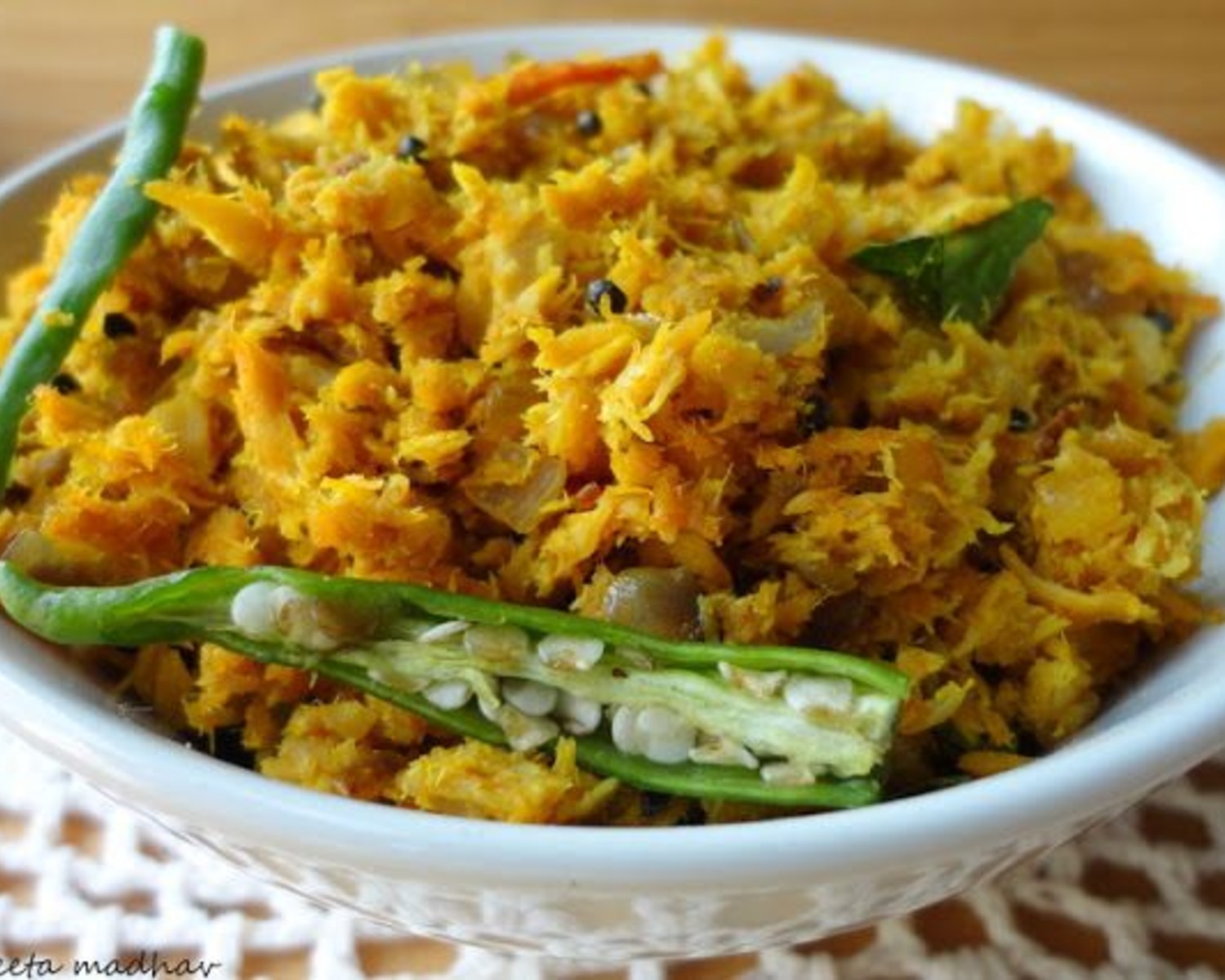
Tuna Thoran – Shredded Tuna with Coconut
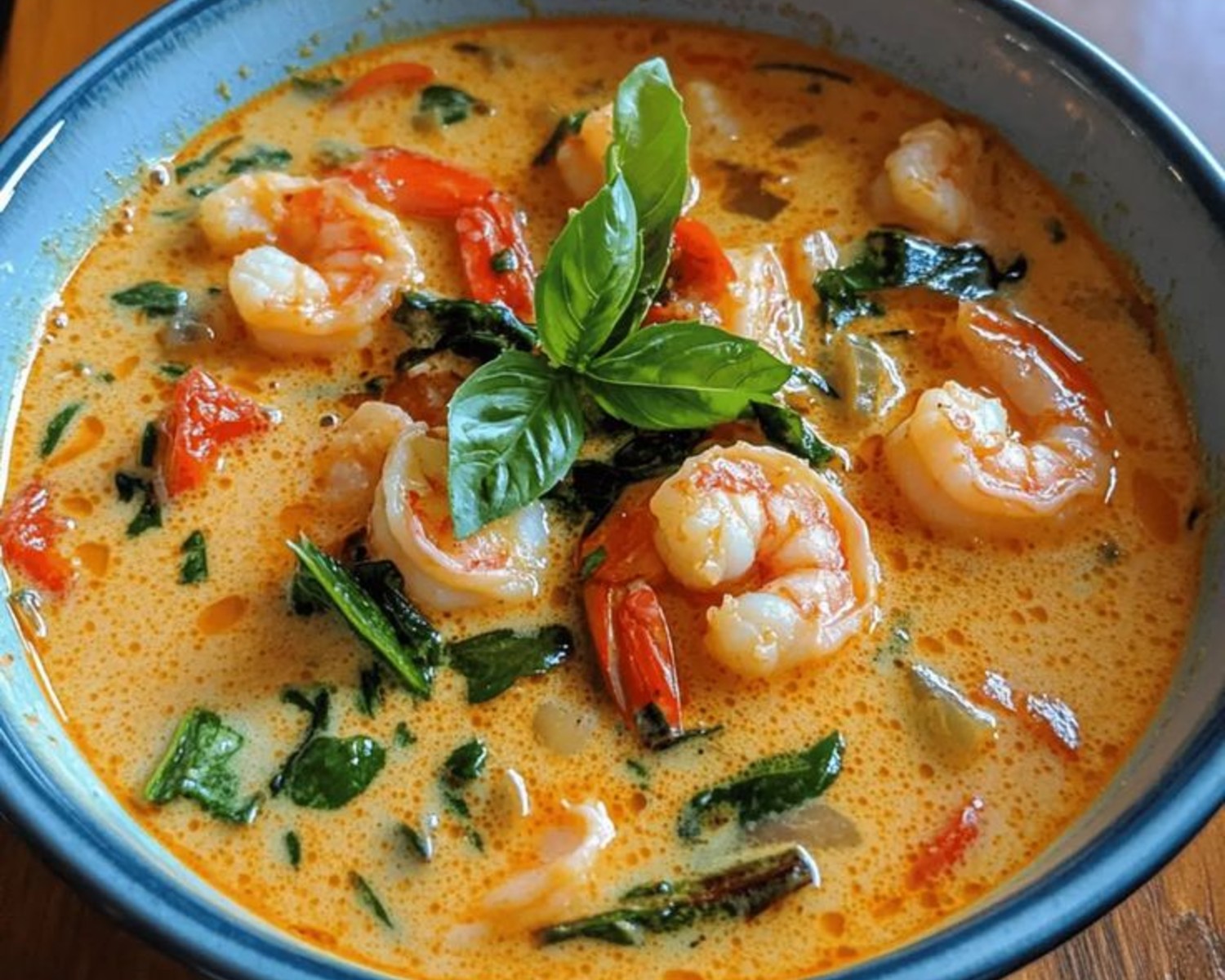
Kooni Curry – Tiny Shrimp Coconut Stew
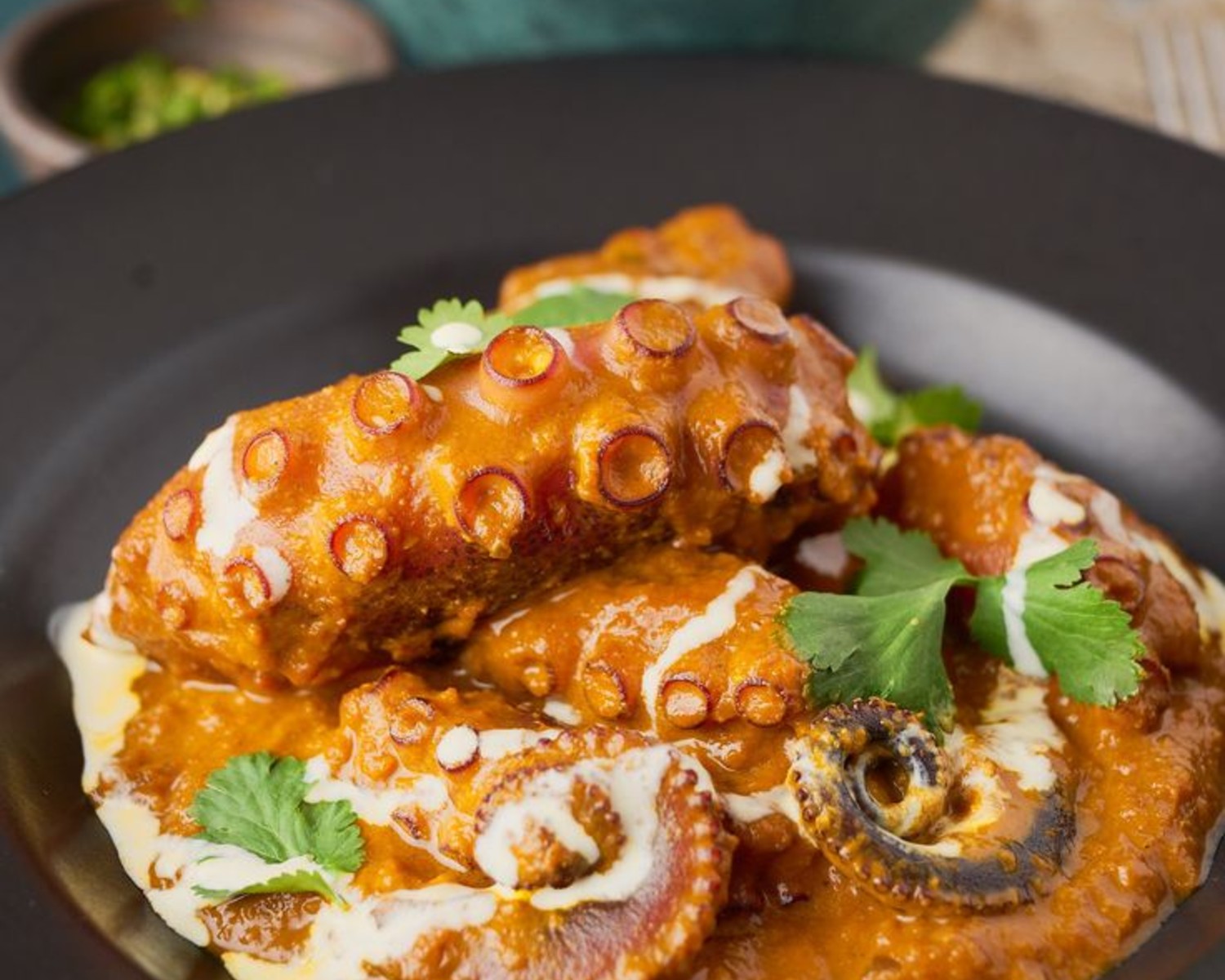
Octopus Curry – Rich Tender Cephalopod

Fish Molee – Creamy Mild Curry

Kavaratti Biryani – Sacred Rice Preparation

Kallummakaya Curry – Mussel Delicacy

Coconut Rice – Light Fragrant Island Staple
Dining Etiquette
- • Meals social events; rushing disrespectful
- • Rice/bread sacred—never waste, discard
- • Right hand for eating (left unclean traditionally)
- • Compliment cook's skills generously
- • Finish plate showing appreciation
- • Communal dining: shared plates family/friend groups
- • Accept multiple servings graciously
- • Refuse minimally; hospitality paramount
Signature Drinks
Shop & Bring Home
Lakshadweep shopping unique: no mass commercialization. Artisanal handicrafts dominate—coconut shell products, seashell jewelry, dried seafood, local textiles. Shopping supports island economy directly (95% Scheduled Tribes); each purchase uplifts communities. Bazaar culture traditional: Agatti Market, Kavaratti Market, island-specific stalls reflect local culture, affordable prices. Coconut-based items (bowls, jewelry, mats, baskets) UNESCO-recognized craftsmanship. Dried tuna chips, coconut sweets popular souvenirs. Spices (cardamom, cloves, cinnamon, black pepper) available. Shopping low-pressure; locals warm, patient; negotiation light compared mainland. Sustainable sourcing emphasized; avoid endangered species items.[web:1174][web:1177][web:1179][web:1182]
Coconut & Shell Crafts
₹100–2,000+
- Coconut shell bowls, utensils, jewelry
- Handwoven mats, baskets (coir fiber)
- Decorative shell pieces
- Lacquered craft items
UNESCO-recognized traditional craftsmanship; sustainable sourcing; each purchase supports island artisans directly[web:1177][web:1179]
Seashell & Marine Products
₹50–500
- Seashell jewelry (earrings, bracelets, necklaces)
- Sea-themed decorative items
- Mirrors, photo frames
- Coral-inspired crafts
Locally-sourced natural materials; supports sustainable fishing communities[web:1177]
Dried Seafood & Spices
₹50–300
- Dried tuna (specialty), dried fish
- Black pepper, cardamom, cinnamon
- Local snacks, coconut sweets
- Banana chips, coconut-based treats
Fresh island products; traditional preservation methods; excellent souvenirs[web:1177][web:1179]
Textiles & Garments
₹200–1,000
- Lungis, sarongs (traditional comfortable dress)
- Local textiles with vibrant prints
- Women's traditional garments
- Contemporary island-designed clothing
Support local weavers; comfortable tropical fabrics[web:1177]