Ladakh
factsheet
Land of High Passes: Where Tibetan Buddhism Meets Himalayan Serenity, Frozen Lakes, and 300 Sunny Days.
Key travel facts for Ladakh – visa basics, climate, best time to visit, suggested trip duration and planning tips by Bayard Vacations.
The Essentials
Best Time
May - Sep
Currency
INR (₹)
Climate
High-Altitude Cold Desert
Time Zone
UTC+5:30 (IST)
Language
Ladakhi, Tibetan, English
Permit
PAP (Foreigners Only)
Capital
Leh
Population
~290K
Calling Code
+91 (1982 Leh, 1985 Kargil)
Power Plug
Type A, B, C, D, M (230V, 50Hz)
Tipping
₹20-100 appreciated (not mandatory)
Emergency
100 (Police), 101 (Fire), 102 (Ambulance)
History & Heritage
Find the best Ladakh tour packages to experience this wonderful destination where the high altitude of Pangong Lake, the picturesque valley of Nubra Valley, and the ancient Buddhist Monastery will be the hallmark of your adventurous journey into the Land of High Passes. This unique Himalayan region presents you with some incredible opportunities for mountain trekking and biking.
Ancient Tibetan Kingdoms & Trade Routes (8th-12th Century)
Ladakh emerged as a crucial node on the Silk Road connecting Central Asia, Tibet, Kashmir, and India. Early Tibetan kingdoms (notably the Guge Kingdom to the east) controlled trade of spices, silks, and spiritual knowledge.[web:1075] Buddhist monasteries like Thiksey were founded in the 15th century to anchor this spiritual commerce.[web:1078] Monastic networks replaced kingdoms; Gelugpa Buddhism (the 'Yellow Hat' sect) became organizing principle of society.[web:1075][web:1078][web:1081]
Gelugpa Buddhism's Establishment (1433-1600)
In 1433, Jangsem Sherab Zangpo, a disciple of Tsongkhapa (founder of Gelugpa sect), established Ladakh's first Gelugpa monastery at Stakmo after receiving blessings from Ladakh's king.[web:1075][web:1078] By the 15th-16th centuries, Palden Zangpo relocated and expanded this to Thiksey, creating the iconic 12-story complex resembling Tibet's Potala Palace.[web:1075][web:1078][web:1081] Thiksey Monastery became the second-largest after Hemis, governing 10+ subsidiary monasteries and 25 villages, controlling 1,327 acres.[web:1075][web:1078] This monastic governance transformed Ladakh into a theocratic Buddhist society with profound spiritual coherence.[web:1078][web:1081]
Islamic Rule & Mughal Period (1500s-1700s)
Though Ladakh remained predominantly Buddhist, Mughal emperors (16th-18th centuries) asserted nominal sovereignty and extracted tribute.[web:1075] Kargil district (western Ladakh) developed Islamic cultural presence; today ~40% of Kargil is Muslim (Shia).[web:1075][web:1078] This religious duality—Buddhist east (Leh) versus Muslim west (Kargil)—persists, creating unique syncretic fabric.[web:1075]
British Colonial Control & Strategic Significance (1846-1947)
The Treaty of Amritsar (1846) transferred Ladakh to British control as part of Kashmir's geopolitical settlement.[web:1078][web:1087] The British valued Ladakh for its strategic location along the Tibet-China-India frontier.[web:1087] Colonial administrators built roads, telegraph lines, and military outposts; yet British rule remained light-touch, with monasteries continuing autonomous religious governance.[web:1078] Leh emerged as a trading post and administrative center during this period.[web:1078]
Jammu-Kashmir Integration & Ladakh Autonomous Council (1947-2019)
At Indian independence (1947), Ladakh became part of the new state of Jammu and Kashmir.[web:1092][web:1098] For 72 years, Ladakh's Buddhist-majority Leh district chafed under administration from Muslim-majority Kashmir valley.[web:1092][web:1104] To address grievances, the Indian government created the Ladakh Autonomous Hill Development Council (LAHDC) in 1995, granting limited self-governance.[web:1092][web:1098][web:1104] This recognized Ladakh's distinct religious, cultural, and political identity vis-à-vis Kashmir.[web:1092][web:1098]
Union Territory Status & Modern Ladakh (October 31, 2019-Present)
Following decades of pro-separation agitation, PM Modi's government on August 5, 2019, revoked Jammu-Kashmir's special constitutional status and reorganized the state into two Union Territories: Jammu-Kashmir and Ladakh.[web:1092][web:1098][web:1104] Ladakh became a separate Union Territory on October 31, 2019, with Leh as capital.[web:1092] Unlike Jammu-Kashmir (which retained legislative assembly), Ladakh has no assembly—direct central governance.[web:1092] Tourist arrivals surged post-UT status: 525,374 in 2023 (mostly May-Sep peak season).[web:1060][web:1063] Tourism now accounts for 60%+ of local revenue; monasteries, trekking, and high-altitude lakes drive economy.[web:1072]
Climate & Weather
Ladakh is a high-altitude cold desert featuring 9 of the world's 11 climate zones within its borders, spanning from subtropical Indus valley (3,000m) to extreme alpine passes (5,600m+).[web:1061][web:1064][web:1067] Elevation dramatically compresses tropical-to-arctic climate ranges into 200km distances. The region receives 300+ sunny days annually due to rain-shadow effect (monsoon clouds blocked by Himalayas).[web:1067][web:1070] Peak season (May-September) experiences daytime temps 15-25°C; winter (Nov-Feb) plummets to -15 to -25°C at night, with extreme cold-induced hypoxia risks.[web:1061][web:1064][web:1067][web:1070]
Time Zone
IST (Indian Standard Time) UTC+5:30
Same as all of India; no regional offset
Best Months
May, June, July, August, September (peak season; roads open, weather stable)
Summer (Garbana)
May – Sep
5–25°C (daytime); -5°C (night)
Peak tourist season; all roads open (Manali & Srinagar highways).[web:1064][web:1070] Sunny days, crisp mornings, freezing nights. July-August warmest (daytime 20-25°C). Monsoon negligible (2mm/month); skies clear.[web:1064][web:1067] Ideal for trekking, biking, monastery visits. Ladakh's 300 sunny days concentrated here.[web:1067][web:1070] Peak crowds at Pangong Lake, Nubra Valley; early May/late Sep quieter alternatives.[web:1064]
Autumn (Sharad)
Oct – Nov
-5 to 15°C (daytime); -15°C (night)
Shoulder season; beautiful, quiet.[web:1064][web:1067] Golden light; crisp air; thin crowds. Early Oct still pleasant (10-15°C). Late Oct snow flurries begin; passes close by month-end.[web:1067] Losar Festival (Feb) preparations begin; local life visible. Fewer tourists means authentic cultural access.[web:1064][web:1070]
Winter (Shita)
Dec – Feb
-25 to 0°C; extreme cold
Extreme, harsh.[web:1061][web:1064] Roads closed (Manali-Leh, Srinagar-Leh impassable). Nighttime temps drop to -25°C or lower (Kargil recorded -50°C).[web:1061] Losar Festival (Ladakhi New Year, Feb) celebrated with monastery rituals, family gatherings, traditional foods.[web:1082][web:1085] Only Leh town functions; remote villages snowbound. Risk of altitude sickness+hypothermia severe.[web:1061] For hardy adventurers: frozen Zanskar River trekking, rare snow leopard sightings possible.[web:1064][web:1067]
Spring (Vasant)
Mar – Apr
0 to 15°C
Transitional; roads reopening.[web:1064] March snow melts; April wildflowers bloom (rhododendrons, primrose).[web:1064] Early season for adventurous travelers; fewer crowds.[web:1067] Some hotels/restaurants remain closed. Temperatures volatile: daytime +15°C, night -10°C.[web:1064]
Seasonal Packing List
Language Guide
Official Language
Ladakhi (Tibetic language); English (administration)
Ladakh is linguistically diverse: primary Ladakhi language (Tibetic; ~70% speakers) coexists with Balti (Kargil region; ~20%), Hindi (link language), English (tourism/education), and Tibetan (monastery studies, cultural preservation).[web:1062][web:1068][web:1071] Ladakhi lacks formal standardization; oral tradition dominates; younger generations increasingly bilingual (Ladakhi-English).[web:1068][web:1078] English rapidly growing in tourism, hospitality, guides (especially Leh); monasteries preserve Tibetan liturgical language.[web:1078]
Local Signage
Useful Phrases
Hello
JOO-lay / nah-mah-STAY
Jullay / Namaste
Thank you
TOO-jee chay / SHOO-kree-yah
Thuji che / Shukriya
Goodbye
JOO-lay BYE / ahl-VEE-dah
Jullay Bye / Alvida
Yes / No
YIN / MIN
Yin / Min
Please
TOOS-mah / meh-her-BAH-nee
Thusma (Ladakhi) / Meherbani
Excuse me
bah-SKYOL / mah-FEE KIJ-ee-eh
Bhagskyol (Ladakhi) / Maafi kijiye
How much?
KAH-tas-ko lay / KIT-nah
Katasko lay? / Kitna?
Where is...?
...TOS-ka lay / ...kah-HAHN hay
...toska lay? / ...kahan hai?
Also Commonly Spoken
Ladakhi
Primary local language; Tibetic origin; spoken in homes, markets, monasteries.[web:1062][web:1068] No standardized script; shifting toward Tibetan script among educated.[web:1068]
English
Tourism lingua franca; guides, hotels, restaurants fluent or conversational.[web:1068][web:1078] Younger generation (under 30) increasingly English-proficient.[web:1078]
Hindi
Pan-Indian link language; widely understood for commerce, administration.[web:1068][web:1078]
Tibetan
Liturgical language in monasteries; monks fluent; young locals learning for cultural preservation.[web:1078]
Currency & Money
Official Currency
Indian Rupee
₹ (INR) — ₹1 = 100 Paise
Banknotes
₹10, ₹20, ₹50, ₹100, ₹200, ₹500, ₹2000
Coins
₹1, ₹2, ₹5, ₹10
ATMs & Cash Withdrawal
ATMs available only in Leh city center (HDFC, ICICI, SBI, PNB).[web:1077][web:1080] Remote areas (Nubra, Pangong, Kargil) have no ATMs; carry sufficient cash (₹10,000-20,000).[web:1077] Withdrawal fees minimal (₹20-30). International card access limited; withdraw before entering remote villages.[web:1077][web:1080]
Credit & Debit Cards
Accepted in Leh hotels, restaurants, malls (big establishments only).[web:1077] UPI payments (Google Pay, PhonePe) increasingly popular in Leh but unreliable outside city.[web:1077] Carry emergency cash for bazaars, small shops, homestays, remote areas.[web:1077][web:1080]
Tipping Culture
Tipping appreciated (₹20-100 depending on bill). Not mandatory. Guides/drivers: ₹200-300/day appreciation welcome. Restaurants: 10% if service exceptional. Homestay hosts: gesture appreciated but not expected. Conservative approach; less formalized than Western countries.
Daily Budget Estimates
Budget Traveler
₹2,000-3,500 (~$24-42 USD)
Mid-Range Traveler
₹4,500-7,500 (~$54-90 USD)
Luxury Traveler
₹10,000-20,000+ (~$120-240+ USD)
Visa & Entry
Upon arrival in Leh, visit Deputy Commissioner's Office (Secretariat Building, Old Leh Road).[web:1093][web:1096]
Fill PAP application form (English); provide passport copy, visa page, photograph.[web:1093][web:1096]
Processing 2-4 hours; receive PAP permit (single sheet; must keep copy always).[web:1093][web:1096]
Alternatively, apply online at https://www.lahdclehpermit.in/register-as-overseas (24-48 hours).[web:1102]
PAP allows access to: Nubra Valley, Pangong Lake, Tsomoriri Lake, Hanle, Changla plateau, Aryan villages.[web:1090][web:1096]
Permits checked at multiple checkpoints (Khardungla, Pangong entry, Nubra Valley).[web:1090][web:1096][web:1099]
Registration
Checkpoints throughout restricted areas (Khardungla, Nubra Valley entry, Pangong Lake entry, Tsomoriri entry); PAP verified before passage.[web:1090][web:1099]
PAP must be carried at all times when in restricted areas; checked at checkpoints.[web:1090][web:1096][web:1099]
Penalty: Fines ₹10,000-50,000 or deportation for traveling without PAP in restricted areas.[web:1090][web:1096]
Visa Extension
Submit extension request before expiration. Walk-in processing; 1-2 hours.
Cost: Free (no extension fee charged).
Requirements
- • Valid passport with Indian visa (6+ months validity).[web:1093][web:1099][web:1102]
- • Passport-sized color photograph (digital or printed).[web:1093][web:1102]
- • Proof of accommodation (hotel booking, homestay address).[web:1093]
- • Group composition (minimum 2 foreigners per permit; individuals rejected).[web:1093][web:1099][web:1102]
- • Itinerary mentioning restricted areas to visit.[web:1093]
- • No additional proof of funds required (unlike visa).[web:1099]
Getting There & Around
Intercity Travel
Flights (Delhi-Leh)
1-hour flight; daily flights; ₹3,000-8,000 depending on season/airline.[web:1077][web:1086] Fastest option; altitude acclimatization rapid (risky).[web:1077][web:1086]
Manali-Leh Highway (485km; 5+ days)
Epic adventure; Rohtang Pass (3,978m), Tanglang La (5,328m); breathtaking scenery; challenging driving.[web:1077][web:1080][web:1089] Open May-Oct only. Shared jeep ₹2,500-4,000; private jeep ₹40,000-60,000.[web:1077][web:1089] Bike tours popular with adventurers.[web:1077][web:1086]
Srinagar-Leh Highway (434km; 2-3 days)
Smoother than Manali route; Zoji La Pass (11,575ft); cultural route through Kargil.[web:1080][web:1083] Open Apr-Nov. Shared jeep ₹1,800-3,000; bus ₹1,200-2,000.[web:1080][web:1083]
ISMT/Private Buses
Leh to Kargil (6h), Nubra Valley (6h), Pangong Lake (6-7h).[web:1077] Budget-friendly ₹400-1,200; slow, crowded, often delayed.[web:1077]
Culture & Local Life
Spiritual Tranquility & Himalayan Resilience: Where Buddhism Breathes at Earth's Roof
Ladakh pulses with profound Buddhist spirituality anchored in 2,000+ years of monastic tradition, daily prayer rituals, and philosophical study.[web:1075][web:1078][web:1085] Contemporary Ladakhi culture balances ancient practices (Losar festivals, butter-lamp offerings) with modern pressures (tourism, climate change, geopolitical tension).[web:1060][web:1066][web:1082][web:1085] Unlike cosmopolitan Indian cities, Ladakh embodies 'contemplative modernity'—smartphones coexist with monastery bells; jeeps navigate Silk Road passes. The region's high-altitude harshness cultivates philosophical fortitude; Ladakhis epitomize resilience, hospitality, and environmental stewardship despite extreme conditions.[web:1066][web:1070][web:1085]
Losar Festival: Ladakhi New Year & Buddhist Renewal (February)
Losar (Tibetan: 'New Year'; Ladakhi: Bodho Nath Shingthon) celebrated in February across Ladakh over 15 days.[web:1082][web:1085] First three days paramount: monasteries host dawn rituals (chanting, circumambulation); families visit monasteries for blessing rituals.[web:1082][web:1085] Monasteries perform Cham dances, butter-lamp offerings; families cook traditional foods (thukpa, momos, skyu). Young people visit elders to receive blessings ('tashi deleg').[web:1082][web:1085] Losar embodies cyclical Buddhist renewal: old karma purified, new year blessed, family kinship renewed.[web:1082][web:1085]
Hemis Tsechu: Guru Padmasambhava's Birth Anniversary (June-July, Lunar Calendar)
Hemis Tsechu (10th day of Tibetan 5th lunar month) celebrates Guru Padmasambhava's birth—the Buddhist saint credited with establishing Buddhism in Tibet & overcoming demonic forces.[web:1076][web:1079][web:1085] The 2-day festival features Cham Dance (masked monks depicting mythological battles), sacred fire rituals, offerings of butter sculptures (tormas), and community feasting.[web:1076][web:1079] Drawing 5,000+ pilgrims/tourists annually, festival represents fusion of ancient spiritual practice with contemporary pilgrimage culture.[web:1076][web:1079][web:1085]
Monastic Scholarship & Debate Tradition
Ladakhi monasteries maintain centuries-old debate cultures where monks argue philosophical points (logic, epistemology, metaphysics) in public forums.[web:1075][web:1078][web:1081] Debates structured rigorously; losers acknowledge superior reasoning with physical prostration.[web:1078][web:1081] This tradition keeps Buddhist philosophy intellectually vital, not merely ritualistic.[web:1078][web:1081]
Ladakhi Hospitality: Guest as Sacred Guest (Mehman)
Central Ladakhi value: guests treated as manifestations of the divine; 'Mehman' (guest) receives household's best food, warmest seat, respectful attention.[web:1070][web:1078] Even poor families prioritize guest comfort; refusing offered food/tea deeply insulting.[web:1070] This ancient tradition (rooted in Silk Road trading cultures) persists in contemporary homestays and family interactions.[web:1070][web:1078]
Gifting Etiquette
Offer gifts with both hands respectfully. Avoid knives (cutting relationships), sharp objects. Thoughtful items from home country (books, handicrafts) appreciated over expensive gifts.[web:1078] Unwrap in giver's presence. Ladakhis gift prayer wheels, thangka paintings, pashmina items as token gestures.[web:1078][web:1091]
Business Etiquette
Ladakh tourism-focused; hospitality professions follow modern business protocols. Meetings often include tea breaks. English-speaking guides/managers accustomed to international norms. Direct communication appreciated; formality less rigid than urban India.[web:1078][web:1080]
Dining Etiquette
Meals communal/shared in homestays; individual plates in restaurants. Thukpa, momos eaten with hands or utensils per comfort.[web:1062][web:1068][web:1071] Compliment cook generously. Accept offered tea/butter tea graciously (refusing insulting).[web:1068][web:1078] Finishing all food shows appreciation. Vegetarian options limited; inform ahead if required.[web:1062][web:1068]
Food & Drink
Ladakhi cuisine is a high-altitude adaptation of Tibetan food emphasizing barley, wheat, and yak products for nutrition, warmth, and caloric density needed to survive -25°C nights and 3,500m+ elevations.[web:1062][web:1065][web:1068][web:1071] Traditional dishes (thukpa, momos, tingmo) reflect Silk Road trade heritage and Himalayan isolation.[web:1062][web:1065] Contemporary Ladakhi food balances ancestral recipes with modern ingredients; restaurants in Leh offer fusion, international options; villages maintain purely traditional preparations.[web:1062][web:1068]
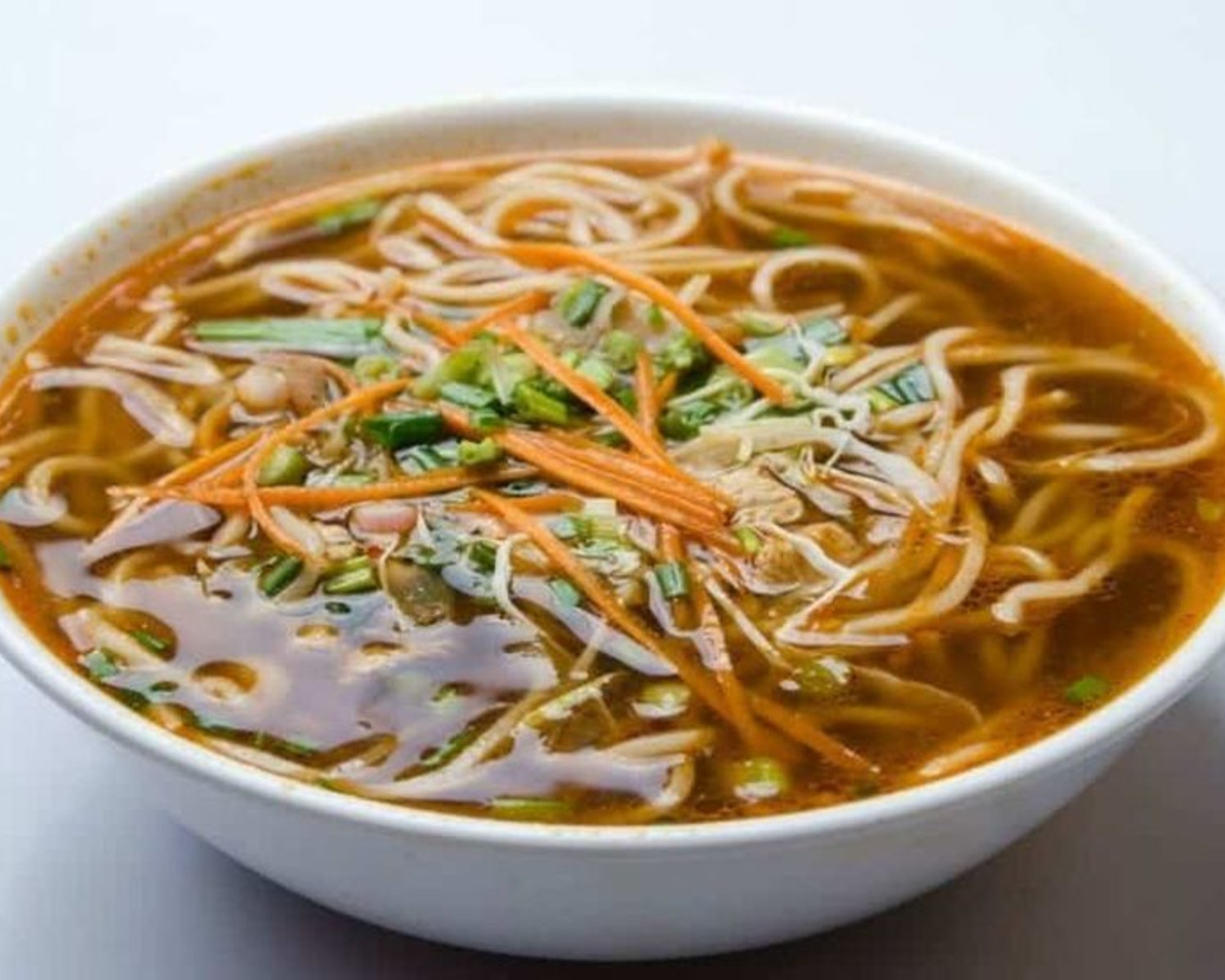
Thukpa
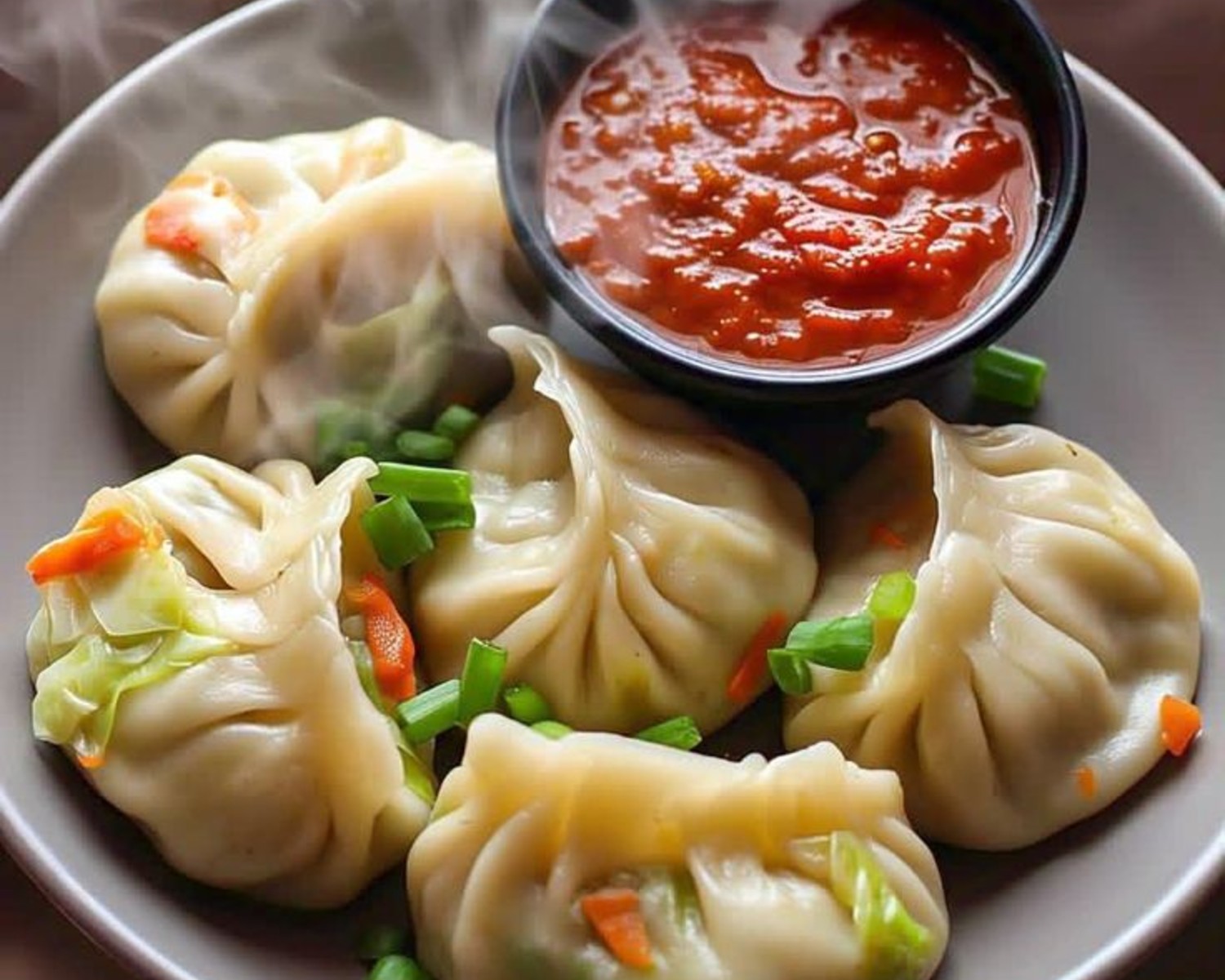
Momos
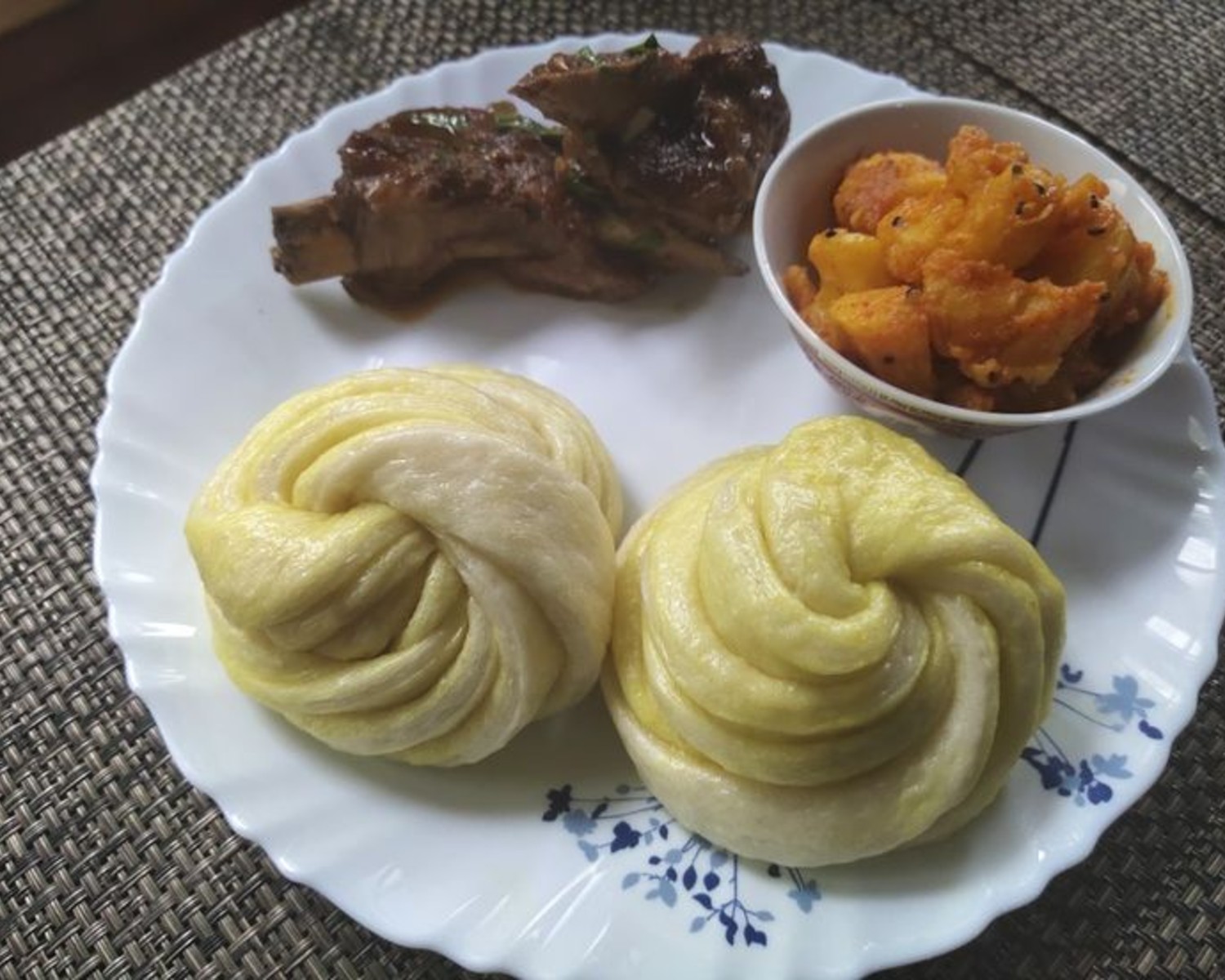
Tingmo
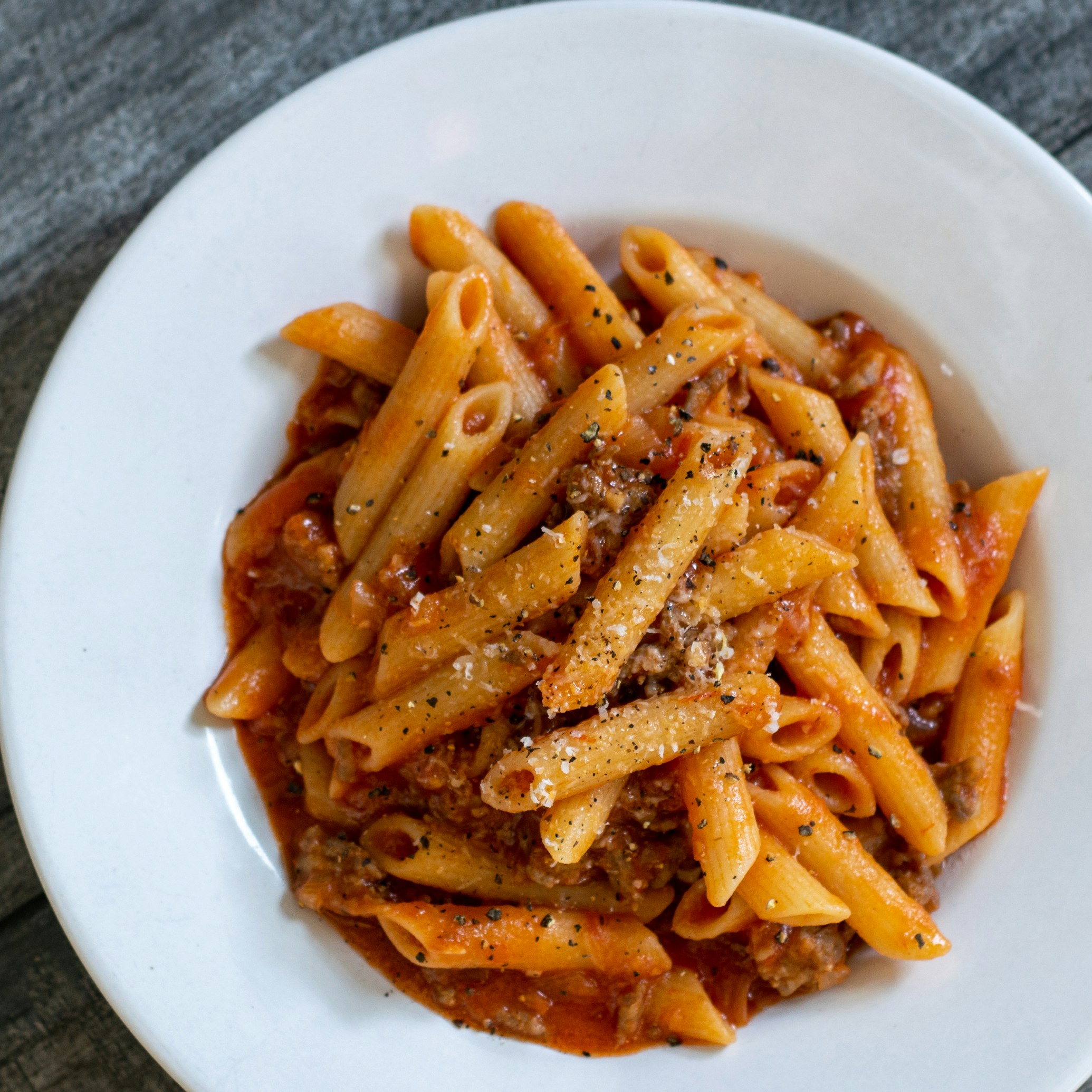
Skyu (Khambir)

Chhurpi Cheese
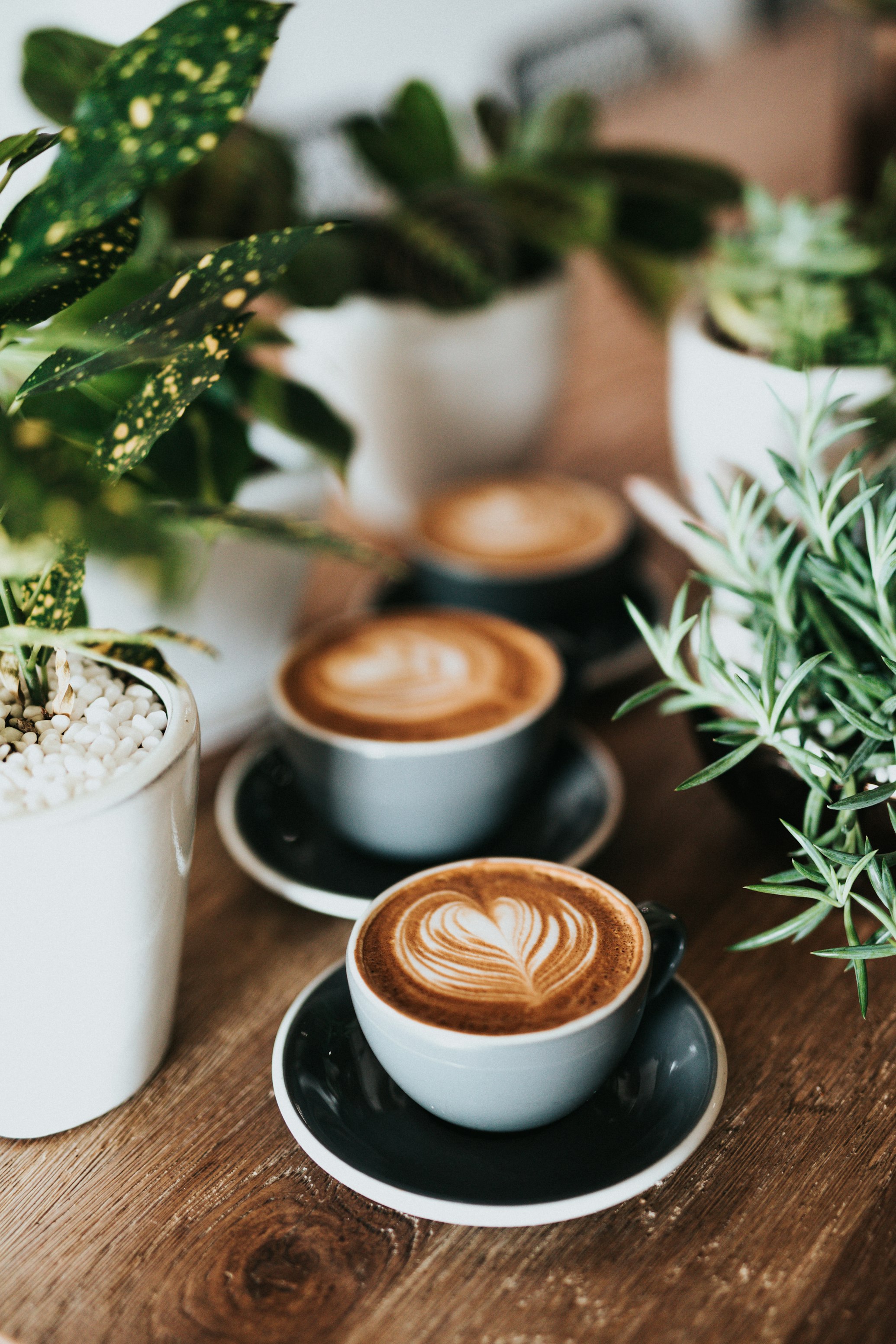
Butter Tea (Po Cha / Yak Butter Tea)
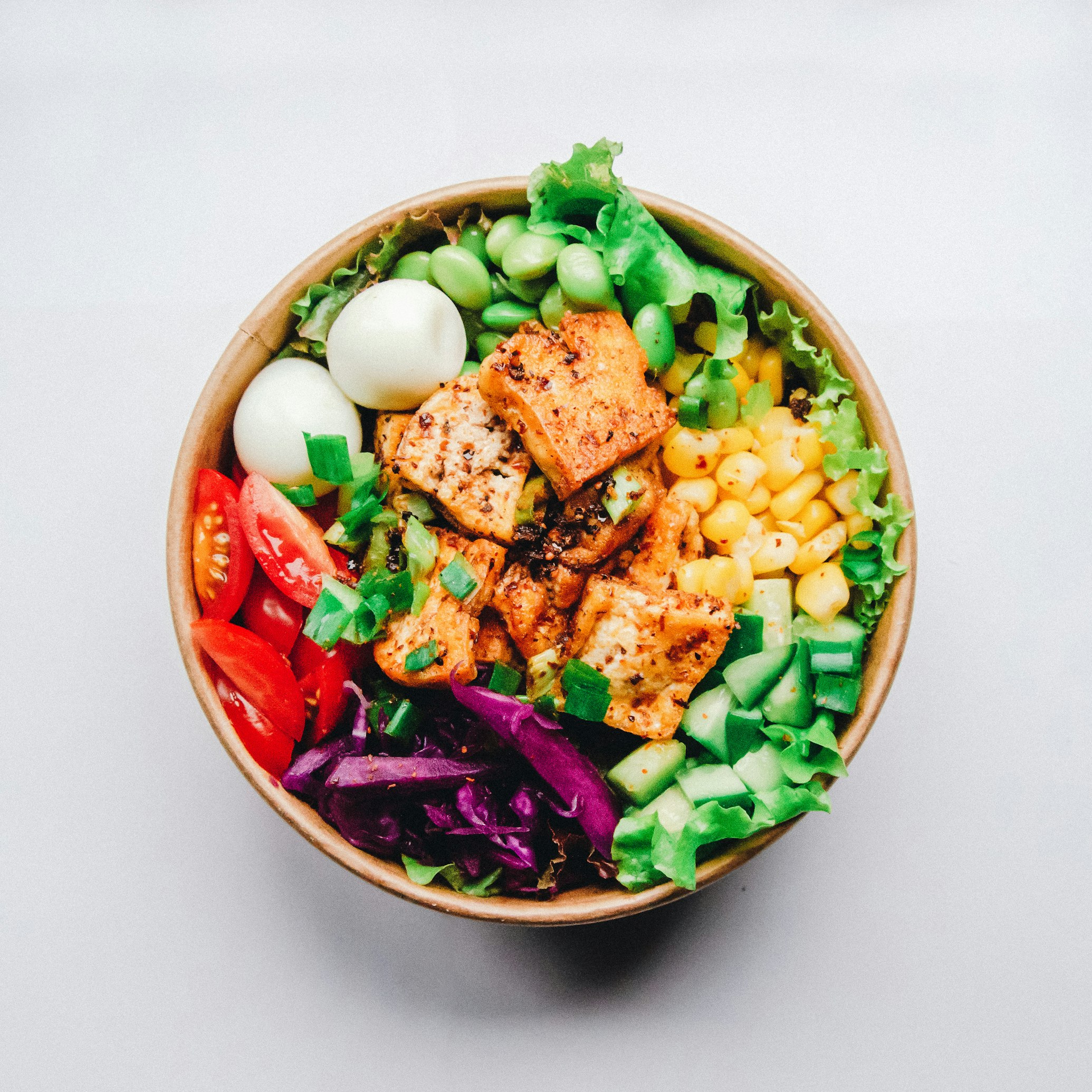
Mokthuk
Dining Etiquette
- • Meals communal in homestays; shared table, family-style service. Embrace group dining culture.[web:1070][web:1078]
- • Accept offered tea/butter tea graciously; refusing insulting.[web:1078]
- • Thukpa eaten with hands (noodles) or spoon; follow local practice.[web:1062][web:1068]
- • Compliment cook's efforts enthusiastically; food preparation taken seriously.[web:1078]
- • Finish all food on plate/bowl shows appreciation, respect for cook's labor.[web:1078]
- • Vegetarian options limited; inform homestays/restaurants in advance.[web:1062][web:1068]
- • Eating quickly or messily considered rude; take time, enjoy social aspects.[web:1078]
- • Alcohol consumption minimal (Buddhist-influenced); beer available in restaurants but not pushed.[web:1068][web:1078]
Signature Drinks
Shop & Bring Home
Ladakh's shopping reflects 2,000+ years of Tibetan Buddhist culture, Silk Road trade heritage, and high-altitude artisanal traditions.[web:1091][web:1094][web:1097][web:1100][web:1103] Authentic purchases directly from artisans (monasteries, cooperatives, bazaars) support local livelihoods; tourist shops in Leh often exploit artisans with markup pyramids.[web:1091][web:1094] Shopping ranges from spiritual items (prayer wheels, thangka paintings) to functional (pashmina shawls, wool products) to edible (apricot jam, local honey).[web:1091][web:1097][web:1100]
Buddhist Artifacts & Spiritual Items
₹500-50,000+
- Prayer wheels (hand-held & installation sizes)
- Prayer flags (traditional & modern)
- Thangka paintings (Hindu & Buddhist deities)
- Tibetan silver jewelry (turquoise & coral)
- Singing bowls (meditation)
- Incense holders, butter lamps
- Buddhist masks (monastery souvenir)
Authentic thangkas hand-painted; investment purchases requiring certificates.[web:1091][web:1094][web:1097]
Pashmina & Woolens
₹1,000-20,000+
- Pure pashmina shawls
- Wool sweaters, blankets
- Hand-knitted socks, gloves
- Woolen caps, scarves
- Cashmere blends
- Ladakhi traditional robe (Goncha)
Pure pashmina rare/expensive; authenticate before buying.[web:1091][web:1094][web:1100]
Handicrafts & Woodwork
₹500-10,000
- Hand-woven carpets, rugs
- Wooden boxes (carved)
- Beaded jewelry (Tibetan style)
- Miniature wooden stupas
- Stone carving
- Handmade paper items
Shilparamam (Changspa, Leh) showcases certified artisans; fair prices.[web:1091][web:1094]
Food & Natural Products
₹200-1,500
- Dried apricots (Ladakh specialty; famous quality)
- Apricot jam, apricot oil
- Local honey (yak herded areas)
- Yak cheese (Chhurpi)
- Saffron (limited local production)
- Walnuts, almonds (from Nubra Valley)
Apricots quintessential Ladakh souvenir; gift-friendly.[web:1091][web:1094][web:1097]