Kerala
factsheet
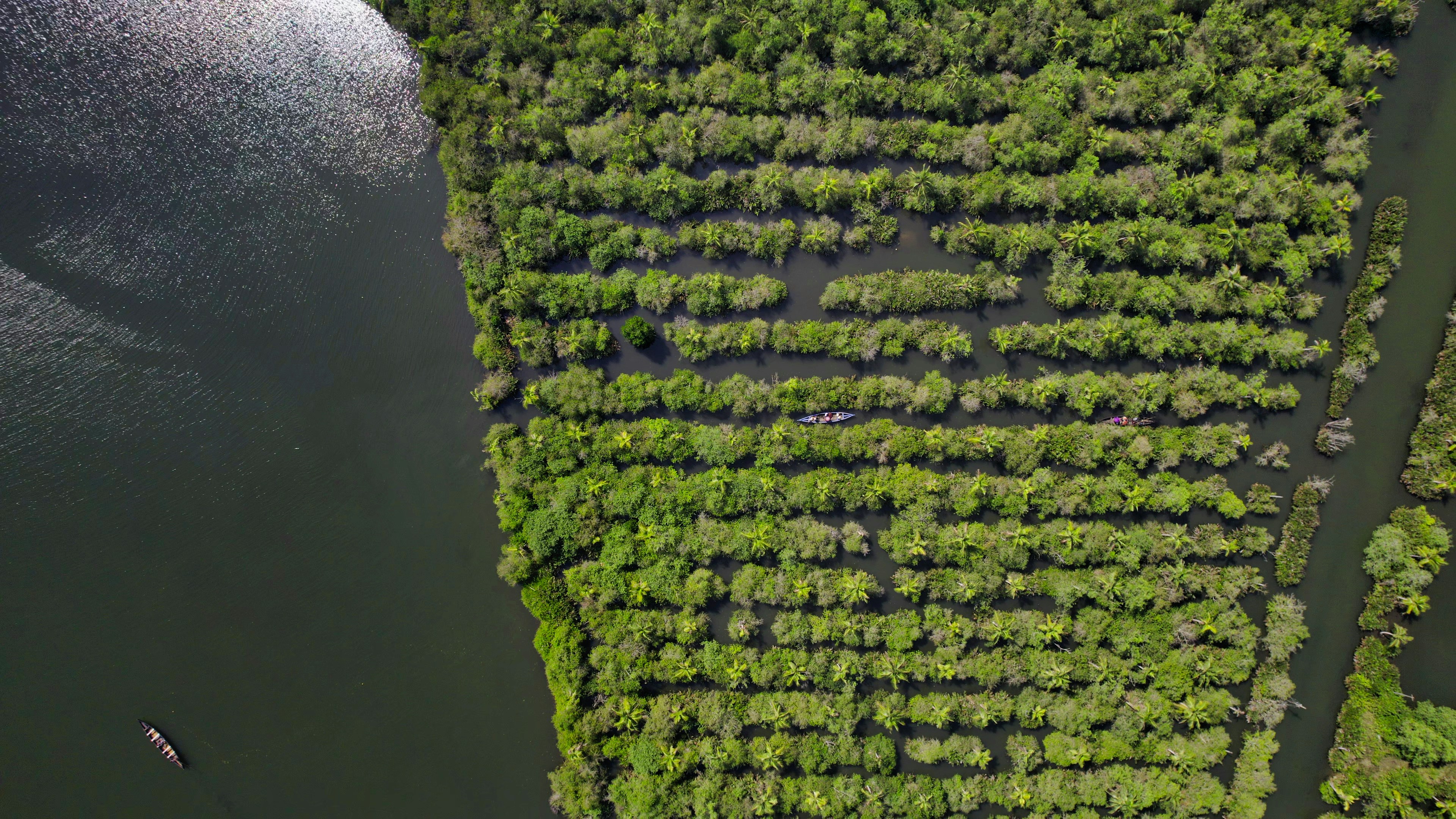
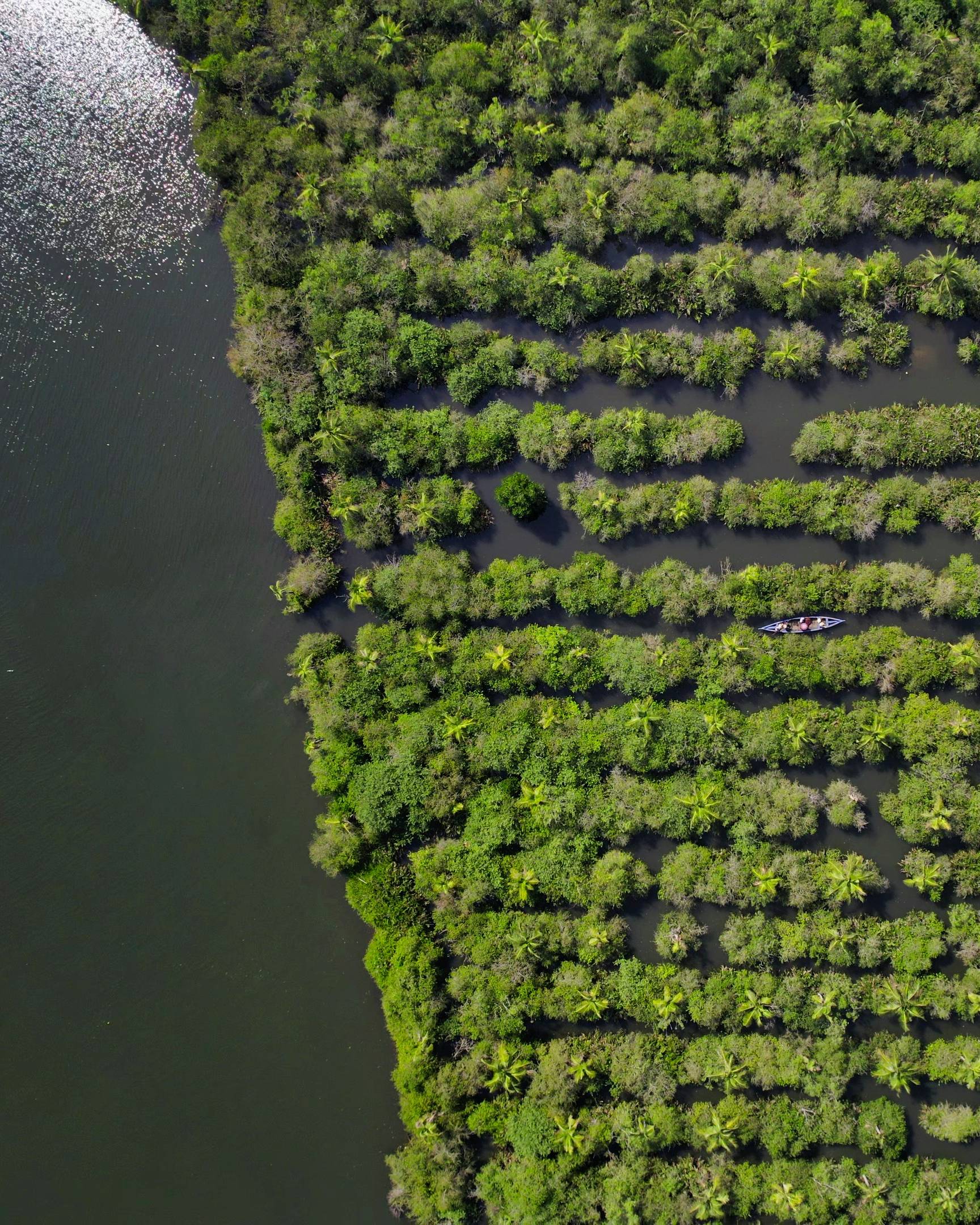
Where emerald backwaters meet spice-laden winds, ancient temples whisper spiritual truths, and timeless traditions flow like coconut wine through the soul.
Key travel facts for Kerala – visa basics, climate, best time to visit, suggested trip duration and planning tips by Bayard Vacations.
The Essentials
Best Time
Sep - Mar
Currency
INR (₹)
Climate
Tropical-Monsoon
Time Zone
IST (UTC+5:30)
Language
Malayalam, English, Tamil
Visa
No Visa (Indian Citizens)
Capital
Thiruvananthapuram
Population
3.3M
Calling Code
+91
Power Plug
Type A, B, C (230V)
Tipping
Optional (₹20-50 appreciated)
Emergency
100 (Police), 101 (Fire), 102 (Ambulance)
History & Heritage
Kerala, which is the southernmost state in India, stands out as one of the most preferred South India tourism destinations. Being situated along the Malabar Coast, the history of Kerala is intertwined with the Spice Trade routes through which several global empires connected in ancient times. Currently, tourists visit God’s Own Country to enjoy the backwaters of Kerala, sandy beaches in Kovalam, and the tea plantations of Munnar.
Ancient Maritime Trade (3000 BC - 1500 AD)
Kerala served as the world's spice gateway—cardamom, pepper, cloves, cinnamon attracted Phoenicians, Romans, Arabs, and Chinese traders. The 'Spice Wars' shaped global history. Roman coins discovered in Kerala prove thriving trade networks. Merchants enriched Kerala; spices enriched the world.
Arrival of Saint Thomas (52 AD)
Saint Thomas the Apostle landed in Kerala (Kodungallur), establishing Christianity in India 1,900 years before the Western Church. The Syrian Christian community remains unique—proving early Christian presence in Asia predates European colonization.
Jewish & Islamic Heritage (8th-12th Century)
Kerala attracted Jewish merchants fleeing persecution, establishing the world's oldest Jewish synagogue in Cochin (1568). Islamic traders built the first mosques. This religious pluralism defined Kerala's identity—tolerance and coexistence rooted in economic interdependence.
Kingdom of Travancore & Cochin (1500-1947)
Maharajas of Travancore ruled with enlightened policies. Education investment created India's first modern state—literacy rates exceeding 50% by 1947. Cochin Fort became Portuguese, Dutch, then British stronghold. Colonial resistance was intellectually sophisticated, not violent.
Communist Government & Social Reforms (1957-Present)
Kerala elected world's first democratically elected Communist government (1957). Land reforms redistributed wealth. Universal education and healthcare created models adopted globally. The 'Kerala Model' proves development doesn't require exploitation.
Modern Kerala: Development & Tourism (1970-Present)
Post-independence, Kerala invested in human capital over infrastructure. 94% literacy rate, 99% healthcare coverage, zero hunger—metrics rivaling developed nations. Tourism emerged as major industry; backwaters, houseboats, and Ayurveda attract millions. 'God's Own Country' brand became global phenomenon.
Climate & Weather
Kerala features a tropical monsoon climate influenced by the Arabian Sea. The monsoons bring abundant rainfall, feeding the backwaters and lush greenery. Seasons alternate between wet and dry, creating distinct travel experiences. The state's geography—backwaters, wetlands, and coastal areas—creates microclimates supporting diverse ecosystems.
Time Zone
IST (UTC+5:30) - Indian Standard Time
Same as all India (synchronized across entire nation)
Best Months
September-October, November-December, January-February, March
Monsoon (Varsha)
Jun – Aug
24–28°C
Heaviest rainfall transforms landscape emerald green. Backwaters swell. Ayurveda treatments peak (Monsoon therapies). Water rafting on rivers. Fewer tourists, budget-friendly. Rice paddies flood with water birds.
Post-Monsoon (Sharat)
Sep – Nov
23–32°C
Best season. Backwaters full, perfect for houseboat cruises. Cochin Biennale (Dec-Jan), cultural festivals begin. Clear skies. Spice plantations fragrant. Ayurveda season peaks.
Winter (Hemanta)
Dec – Feb
20–30°C
Ideal weather. Cool mornings. Temple festivals (Cochin Carnival, Nedumbassery Sree Poornathrayeesa Temple Festival). Beach season. Birdwatching season. Peak tourist season—crowded but magical.
Summer (Grishma)
Mar – May
28–35°C
Hot and humid. Not recommended for intensive outdoor exploration. Hill stations (Munnar, Wayanad) offer cooler refuge. Summer fruit harvest (mangoes, pineapples). Beach activities possible early morning.
Seasonal Packing List
Language Guide
Official Language
Malayalam (Malayalam Script)
Malayalam is primary language spoken by 3+ million Keralites. English widely understood and spoken—Kerala has highest English proficiency in India. Tamil and Kannada understood in border regions. Malayalam carries Kerala's unique cultural identity rooted in ancient trade and literary traditions.
Local Signage
Useful Phrases
Hello
nah-mah-SKAH-rah
Namaskara
Thank you
shoo-KREE-yah / NAHN-dee
Shukriya / Nandi
Goodbye
POY-ee-rahn-gah-NAH
Poiyirangkana
Yes / No
AHM / AHL-lah
Aam / Alla
Please
kah-ROO-nah CHAY-oo-kah
Karuna Cheiyuka
Excuse me
KSHUH-may-AHK-koo-tee
Kshmayakkutti
How much?
ee-VEE-day EV-vah-lol
Ivide evvalol?
Where is...?
EV-vee-day AH-noo
...evide anu?
Also Commonly Spoken
English
Highly spoken across Kerala, especially among younger generations. Tourism industry English-proficient. You'll rarely face language barriers.
Tamil
Understood in border regions near Tamil Nadu. Some communities speak Tamil as second language.
Hindi
Understood but less commonly spoken than English. Younger generation learns Hindi in schools.
Kannada
Spoken in northern border regions near Karnataka. Minimal presence in central/southern Kerala.
Currency & Money
Official Currency
Indian Rupee
₹ (INR) — ₹1 = 100 Paisa
Banknotes
₹10, ₹20, ₹50, ₹100, ₹200, ₹500, ₹2,000
Coins
₹1, ₹2, ₹5, ₹10
ATMs & Withdrawal
Abundant in all cities and tourist areas. Most ATMs accept international cards (Visa/Mastercard). No withdrawal fees; local bank charges minimal. Limited ATMs in remote backwater villages—withdraw in towns.
Credit & Debit Cards
Accepted in cities (Kochi, Thiruvananthapuram), hotels, restaurants, malls. Cash essential for small vendors, backwater villages, traditional eateries. Digital payments (UPI, Google Pay) increasingly popular in urban areas.
Tipping Culture
Not mandatory but appreciated. ₹20-50 for good service in restaurants. ₹100-200 for tour guides, houseboat operators, and drivers. Rounding up taxi fares customary. Service workers welcome tips graciously.
Daily Budget Estimates
Budget Traveler
₹2,500-₹3,500 (~$29-41 USD)
Mid-Range Traveler
₹6,000-₹9,000 (~$70-105 USD)
Luxury Traveler
₹15,000+ (~$175+ USD)
Visa & Entry
For Indian Citizens: Book flights and accommodation directly. No visa processing needed.
For Foreigners: Apply for Indian visa through official portal or embassy.
Standard Indian e-Visa valid for 30/1 year multiple entry.
Passport valid for 6+ months beyond intended stay required.
No special permits needed for temples, backwaters, or wildlife sanctuaries—open to all registered visitors.
Extended stays (>2 months): Register with Foreigners Regional Registration Office (FRRO) in Kochi.
Registration
Hotels handle foreigner registration automatically. Provide passport copy at check-in.
Not required for Indian citizens. Foreigners staying >180 days should register with FRRO (Kochi office).
Penalty: Minimal—casual enforcement for short-term tourists. Long-term stays require registration.
Visa Extension
Contact local FRRO office in Kochi or apply online through official Indian government portal.
Cost: Extension fees vary; typically ₹500-₹2,000 for foreigners.
Requirements
- • Valid identity proof (Aadhaar, PAN, Passport, Driving License) for Indian citizens
- • Passport (for foreigners) with 6+ months validity
- • Proof of accommodation (hotel booking or guesthouse address)
- • Contact details of accommodation provider
- • No visa fee for Indian citizens within India
Getting There & Around
Intercity Travel
Indian Railways
Trains to Thiruvananthapuram (4h), Alleppey (1.5h), Munnar (4h via bus). Scenic routes through backwaters. Affordable, comfortable. Book in advance. ₹500-₹2,000 depending on class.
Shared Minibuses (Sumos/Tempo)
Affordable inter-city travel. Depart when full. Routes to Alleppey, Munnar, Kumarakom. Budget option. ₹400-₹800 per route.
Houseboat Cruises
Multi-day backwater journeys. Slow, immersive, romantic. ₹2,000-₹5,000+/night depending on luxury. Best way to experience Kerala.
Car Rental & Private Drivers
Best for customized tours. Hotels arrange. ₹2,000-₹3,500/day depending on vehicle. Safer than self-driving.
Culture & Local Life
Spiritual Tranquility with Progressive Consciousness
Kerala's culture is a harmonious blend of spirituality, education, social consciousness, and artistic expression. The state celebrates tolerance, literacy, and intellectual freedom. From ancient temple rituals to classical art forms (Kathakali, Koodiyatta), from Ayurvedic wisdom to modern progressivism, Kerala pulses with cultural sophistication. The people are educated, inquisitive, and welcoming—treating guests as part of an extended family in the tradition of 'Atithi Devo Bhava' (Guest is God).
Kathakali Classical Dance
Ancient dance-drama form using elaborate costumes, makeup, hand gestures (mudras), and facial expressions to tell Hindu epics. Originated in Kerala 500+ years ago. Performance lasts 6-8 hours. Stories depict eternal battles between good and evil.
Temple Festivals (Ulsava)
Annual temple celebrations featuring processions with decorated elephants, music orchestras, firecracker displays (Theyyam in northern Kerala). Devotees gather for spiritual renewal. Festivals unite communities across castes and religions.
Ayurveda & Wellness
Ancient healing science treating body-mind-spirit holistically. Ayurvedic treatments (massages, herbal therapies, steam baths) restore balance. Monsoon season peak for Ayurveda—humidity aids treatment absorption. Wellness rooted in philosophy, not just medicine.
Backwater Living Tradition
Fishing communities inhabit backwaters for generations. Traditional Chinese fishing nets (Cheena Vala) scoop fish daily. Houseboat living reflects sustainable harmony with nature. Backwaters = intersection of tradition and tourism.
Gifting Etiquette
Avoid knives, clocks, or sharp objects (symbolize broken relationships/death). Wrap gifts beautifully. Odd numbers (1, 3, 5) auspicious. Accept gifts with right hand. Flowers, chocolates, and books safe choices.
Business Etiquette
English widely spoken—business easily conducted. Initial meetings establish personal relationships before transactions. Intellectual engagement highly valued. Education and credentials respected.
Dining Etiquette
Remove shoes before sitting on floor (traditional style). Right hand used for eating. Finishing all food shows appreciation. Sharing meals from common serving bowl indicates family unity. Generous hospitality: hosts provide abundant portions.
Food & Drink
Kerala cuisine is a sensory celebration—coconut as base, spices as soul, seafood as treasure. The food culture reflects 3,000 years of spice trade and coastal abundance. Blending Hindu, Christian, Muslim, and Jewish culinary traditions, Kerala food is uniquely inclusive. Rice is staple; coconut is currency; fish and seafood are royalty. Every dish tells stories of Kerala's pluralistic heritage and agricultural bounty.
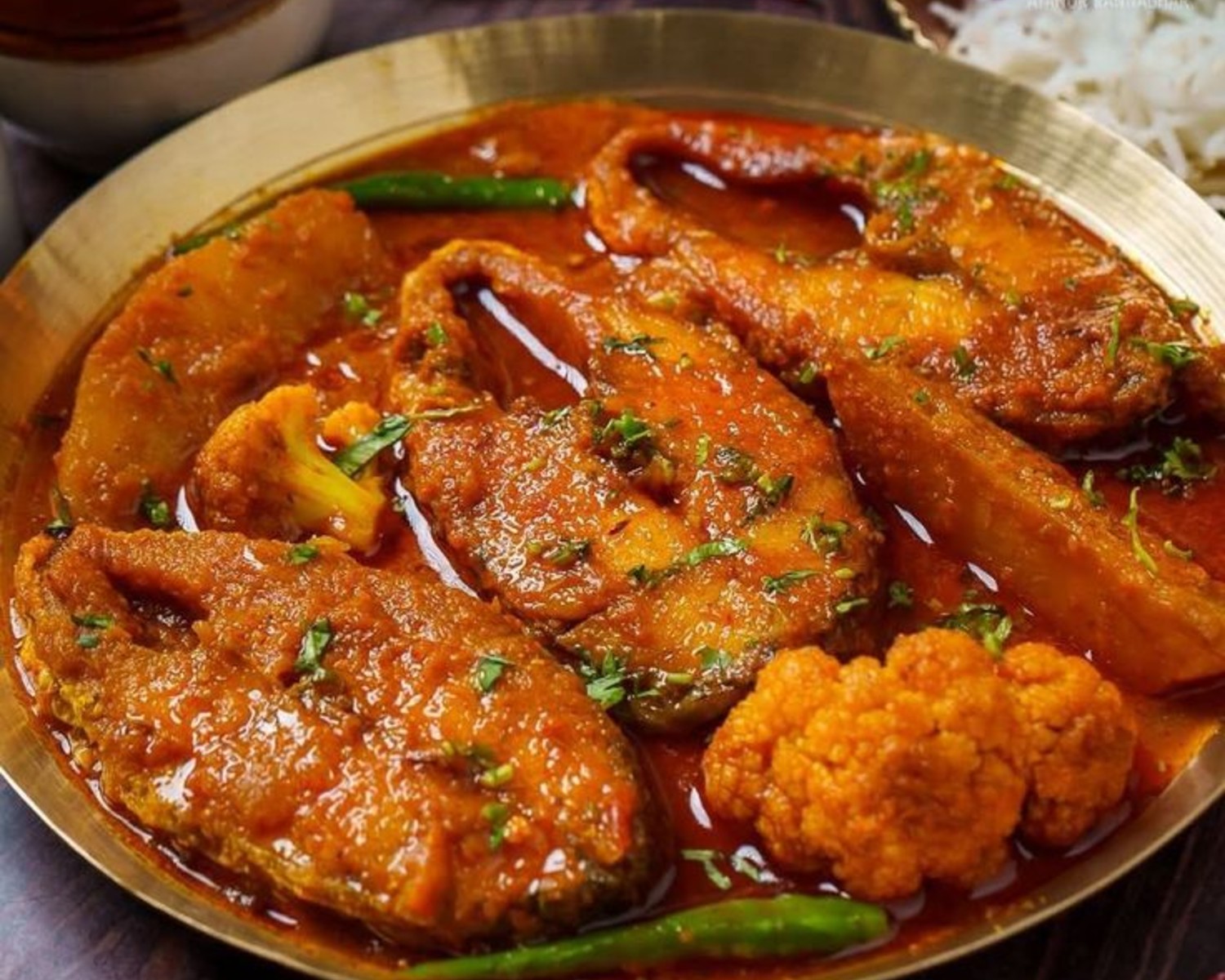
Malabar Fish Curry
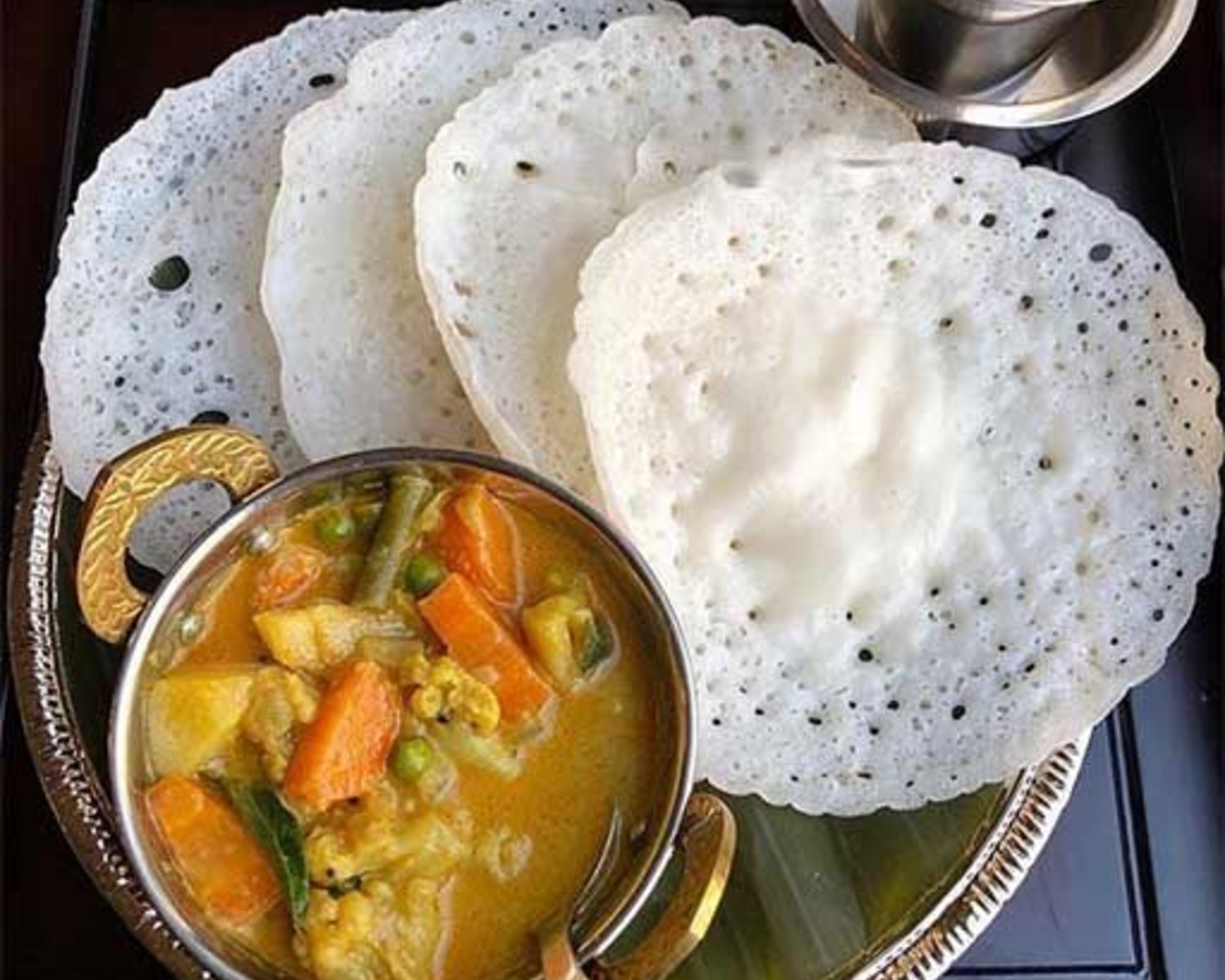
Appam
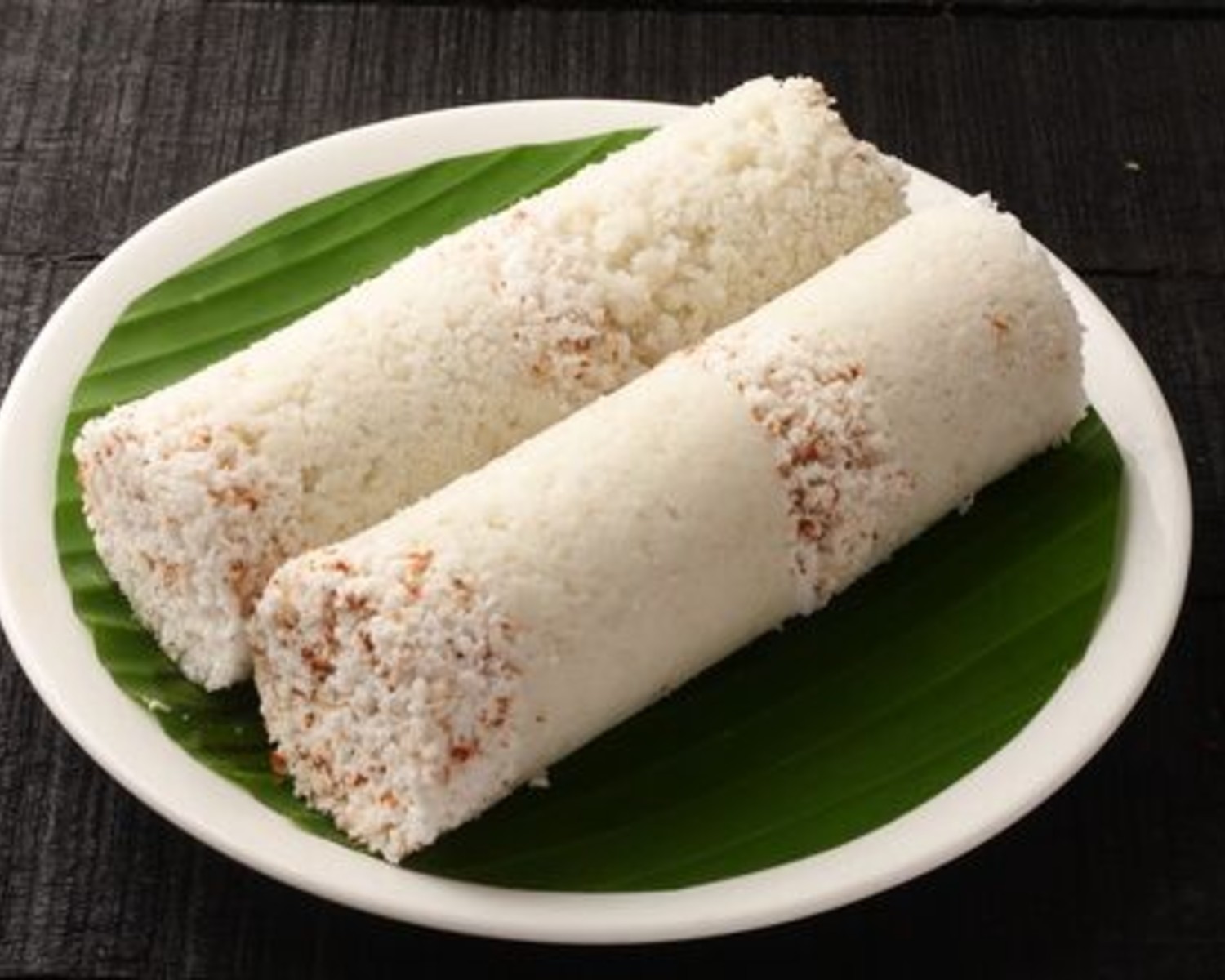
Puttu
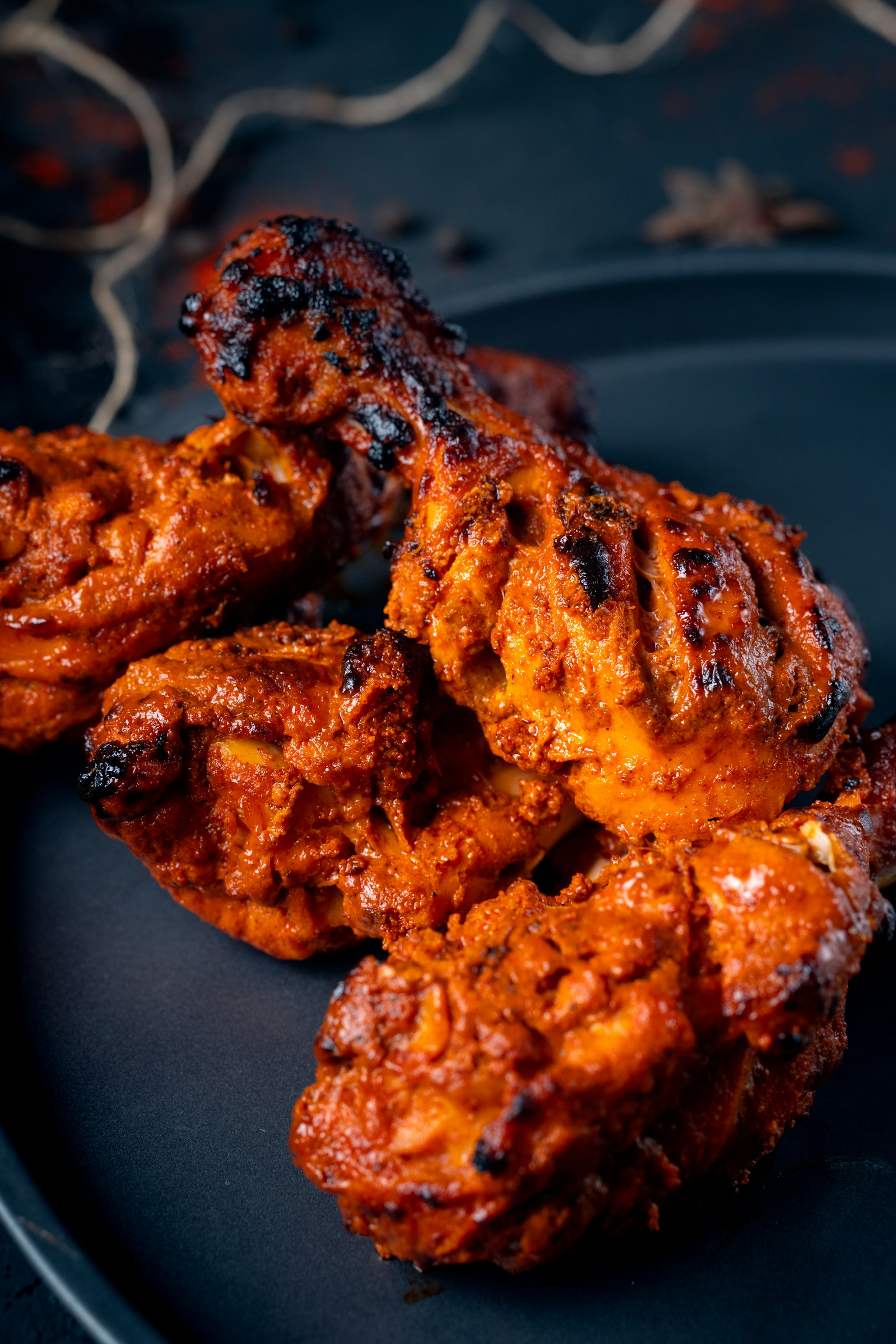
Avial
Kaalan
Modak
Prawn Pollichathu
Dining Etiquette
- • Meals are community occasions—shared family dining preferred.
- • Rice/bread base with curries, vegetables, coconut preparations. Fish/seafood central to meals.
- • Right hand used for eating (if tradition observed). Many urban Keralites use utensils.
- • Tipping not mandatory but appreciated (₹20-50 for good service in restaurants).
- • Most eateries open 7 AM-10 PM; street food available throughout day.
- • Vegetarian and non-vegetarian options equally available—Kerala progressive on dietary choices.
- • Sharing meals from common serving indicates family unity.
- • Coconut water and traditional beverages integral to meals.
Signature Drinks
Shop & Bring Home
Kerala's shopping is legendary—the spice kingdom where black pepper, cardamom, cinnamon, and cloves sourced 3,000 years of global trade. From handloom textiles to ayurvedic products, from traditional jewelry to artisan crafts, every purchase connects to Kerala's heritage. Shopping blends bustling spice markets with serene artisan studios—a living marketplace of ancient traditions.
Spices & Spice Products
₹300-₹5,000+ depending on quality and packaging
- Black Pepper (Kali Mirch)
- Cardamom (Green & Black)
- Cinnamon (Dalchini)
- Cloves (Laung)
- Nutmeg (Jaiphal)
- Turmeric (Haldi)
- Spice Powders & Blends
Best bought from certified spice merchants. Premium, organic, fair-trade varieties available. Buy directly from producers for best prices.
Handloom Textiles & Sarees
₹1,500-₹15,000+ for authentic handwoven pieces
- Kerala Cotton Sarees (Mundu)
- Kasavu Sarees (Golden Border)
- Kota Silk Sarees
- Hand-Woven Cotton Dresses
- Embroidered Fabrics
Authentic handwoven sarees are investments. Support weavers directly when possible.
Ayurvedic & Wellness Products
₹500-₹5,000+
- Ayurvedic Oils (Coconut, Sesame)
- Herbal Pastes & Balms
- Ayurvedic Medicines
- Spice-based Health Drinks
- Wellness Packages (Oils, Soaps)
Buy from certified Ayurvedic shops. Quality varies dramatically. Government-recognized brands most reliable.
Traditional Crafts & Art
₹300-₹3,000
- Kathakali Mask Replicas
- Wooden Sculptures
- Coconut Shell Crafts
- Brass & Copper Items
- Traditional Jewelry
Support artisan communities. Each piece tells craft heritage stories.