Kenya
factsheet
Where wildlife roams freely across golden savannas, ancient cultures thrive, and Africa's heartbeat echoes through world-class safari experiences.
Planning a trip to Kenya? Get essential facts on visa requirements, climate, and the best time to visit with expert planning tips from Bayard Vacations.
The Essentials
Best Time
Jun - Oct, Jan - Feb
Currency
KES (Ksh)
Climate
Tropical & Savanna
Time Zone
UTC+3 (EAT)
Language
English, Swahili
Visa
e-Visa / Visa on Arrival
Capital
Nairobi
Population
53.7M
Calling Code
+254
Power Plug
Type G & K (220V)
Tipping
10% appreciated (service charge often included)
Emergency
911 (Police), 999 (Ambulance)
History & Heritage
Kenya is globally considered to be the Cradle of Mankind, which has been attributed to the discovery of important archaeological remains in the Great Rift Valley, where human beings first walked on Earth. Not only geographically unique, the place is also a safari tour hotspot for anyone interested in discovering more about human evolution.
Early Human History (3–2 Million Years BC)
The Great Rift Valley was home to early hominids (Lucy's relatives). Turkana Boy and other fossils prove human evolution occurred here. Kenya is literally the birthplace of mankind.
Ancient Civilizations (1000 BC – 500 AD)
Bantu peoples migrated southward; Nilotic peoples occupied the north. Cushitic and Semitic peoples traded across the region. The foundations of modern Kenya's diverse ethnic tapestry were laid.
Swahili Coastal Sultanates (8th–15th Centuries)
Arab and Persian traders established Islamic sultanates along the coast (Mombasa, Malindi). Swahili culture flourished as a blend of African, Arab, and Asian influences. Stone towns and trade networks dominated the Indian Ocean.
Portuguese & Omani Control (1500s–1700s)
Portuguese explorers seized coastal cities; later Omani Arabs took control. Slavery and trade in ivory, cloves, and spices dominated the economy. Coastal culture remained Islamic and mercantile.
British Colonial Era (1895–1963)
Britain established the East Africa Protectorate, later Kenya Colony. Railways connected interior to coast. White settlement in highlands displaced indigenous peoples. Colonial rule lasted 68 years, leaving deep imprints on institutions and society.
Independence & Modern Nation (1963–Present)
December 12, 1963: Kenya gained independence under Jomo Kenyatta. Multi-party democracy returned in 1991. Today, Kenya is East Africa's economic powerhouse, home to world-class wildlife, thriving tech sector, and influential media.
Climate & Weather
Kenya's climate varies dramatically by region. Coastal areas are tropical; highlands are temperate; savannas are semi-arid. Two rainy seasons (March-May: long rains; October-November: short rains) support wildlife. Drought can occur during dry seasons.
Time Zone
UTC+3 (East Africa Time - EAT)
2.5 hours behind IST (India Standard Time)
Best Months
June–October (Dry), January–February (Dry Season)
Long Rains (Wet Season)
Mar – May
20–28°C
Lush green landscapes; birthing season for wildlife (wildebeest calves). Malaria risk higher. Fewer tourists; budget-friendly. Challenging road conditions.
Dry Season (Winter)
Jun – Oct
15–25°C
Best wildlife viewing; animals congregate at water sources. Great Migration (July–Oct). Clear skies; perfect for safari. Peak tourist season; higher prices.
Short Rains (Transitional)
Nov – Dec
18–26°C
Moderate rainfall; green landscapes returning. Wildlife disperses. Fewer crowds than peak season. Good value for safaris.
Dry Season (Summer)
Jan – Feb
20–28°C
Hot, dry, excellent wildlife viewing. Second-best safari season. Calving in Amboseli. Peak prices and crowds after Christmas/New Year holidays.
Seasonal Packing List
Language Guide
Official Language
English & Swahili
English is the primary business, education, and tourism language. Swahili is the national language and lingua franca, spoken across ethnic lines. Over 40 indigenous languages exist. Young Kenyans predominantly speak English; older generations may speak Swahili or tribal languages.
Local Signage
Useful Phrases
Hello
hah-BAH-ree
Habari (Swahili) / Hello (English)
Thank you
ah-SAHN-tay
Asante (Swahili) / Thank you (English)
Goodbye
kwah-HAY-ree
Kwaheri (Swahili) / Goodbye (English)
Yes / No
n-DEE-yoh / hah-PAH-nah
Ndiyo / Hapana (Swahili)
Please
tah-fah-DHAH-lee
Tafadhali (Swahili)
Excuse me
sah-mah-HAH-nee
Samahani (Swahili)
How much?
BAY-ee GAH-nee
Bei gani? (Swahili)
Where is...?
EE-koh WAH-pee
...iko wapi? (...Swahili)
Also Commonly Spoken
English
Widely spoken in cities, hotels, restaurants, and tourist areas. Official language of business and education. Most signage bilingual English-Swahili.
Swahili
National language; spoken across ethnic boundaries. Essential in everyday interactions, markets, and rural areas. Learning basics shows respect.
Tribal Languages
Kikuyu, Luhya, Maasai, Samburu, Turkana, etc. Spoken by communities in their regions. Not essential for tourists but appreciated.
Currency & Money
Official Currency
Kenyan Shilling
Ksh (KES) — KES 100 ≈ ₹50–60
Banknotes
KES 50, 100, 200, 500, 1,000
Coins
KES 1, 5, 10, 20, 40
Cash & ATMs
ATMs abundant in Nairobi and major cities; accept international Visa/Mastercard. Cash essential for safari lodges, bazaars, and rural areas. Banks offer competitive exchange rates.
Credit & Debit Cards
Accepted in hotels, restaurants, and shops in urban areas. M-Pesa (mobile money) ubiquitous—most transactions use it. Rural areas and lodges prefer cash.
Mobile Payment (M-Pesa)
Kenya's mobile money revolution; nearly all merchants accept M-Pesa via phone. Tourists can register and use it. Safest way to carry money; no foreign cards needed.
Daily Budget Estimates
Budget Traveler
KES 3,000–5,000 (~USD$20–33)
Mid-Range Traveler
KES 8,000–15,000 (~USD$50–100)
Luxury Traveler
KES 25,000+
Visa & Entry
Option 1 (e-Visa): Visit official portal (evisa.go.ke), fill application, upload documents, pay fee via card. Approval within 1–3 days.
Option 2 (Visa on Arrival): Arrive at airport immigration counter. No advance application needed. Pay USD $50 in cash; visa issued immediately (15–30 minutes).
Present e-Visa (printed/digital) or collect visa stamp at immigration.
Proceed through immigration clearance.
Registration
Immigration processes entry at arrival; visa stamp issued automatically.
No separate registration required for tourist stays under 90 days.
Penalty: Overstays incur fines and potential deportation.
Visa Extension
Contact Directorate of Immigration in Nairobi or regional offices 5–7 days before expiration.
Cost: Extension fees typically KES 5,000–15,000 depending on duration.
Requirements
- • Valid Indian passport with at least 6 months validity beyond intended stay.
- • Recent passport-size photograph (digital for e-Visa; physical for on-arrival).
- • Return or onward flight ticket.
- • Proof of accommodation (hotel booking or invitation letter).
- • Proof of sufficient funds (bank statements, credit cards).
- • Completed application form (online for e-Visa; provided at airport for on-arrival).
- • Travel insurance recommended (not mandatory).
Getting There & Around
Intercity Travel
Standard Gauge Railway (SGR)
Modern, comfortable train Nairobi to Mombasa (4.5 hours). Air-conditioned, meals included, scenic. Book in advance. KES 5,000–15,000.
Long-Distance Buses
Various operators; comfortable, affordable. Nairobi to Mombasa (8–10 hours), Nairobi to Kisumu, etc. KES 1,500–4,000.
Domestic Flights
Kenya Airways, Precisionair, others connect major cities. Nairobi to Mombasa (1 hour), Nairobi to Safari destinations. KES 5,000–20,000.
Safari Tours (4x4 Vehicles)
Best for Masai Mara, Amboseli, Tsavo. Arranged through hotels/tour operators. Group safaris affordable; private safaris premium.
Getting Around
Matatus (Minibuses)
Ubiquitous public transport; colorful, crowded, cheap (KES 50–200). Chaotic but authentic. Pickpockets common on crowded routes.
Buses
Long-distance and city buses; more organized than matatus. Affordable, safer. Popular for intercity travel.
Taxis & Uber
Yellow taxis metered in Nairobi. Uber available in Nairobi, Mombasa. KES 300–1,500 for city journeys.
Walking
Nairobi center very walkable. Coastal cities (Mombasa, Lamu) best explored on foot. Be aware of safety in certain areas.
Culture & Local Life
Ubuntu Hospitality Meets African Warmth
Kenya's culture celebrates community, respect for elders, and hospitality rooted in Ubuntu philosophy. Over 40 ethnic groups coexist, each with distinct traditions. Modern Kenyans blend traditional values with contemporary African identity—vibrant, confident, entrepreneurial.
Maasai Culture & Traditions
The Maasai are pastoralist warriors with distinctive red shuka (cloth), beadwork, and jumping dances (adumu). Ceremonies like warrior initiations and marriages are central. Visiting Maasai villages offers cultural immersion.
Swahili Coastal Culture
Blend of African, Arab, and Asian influences. Stone towns (Lamu, Zanzibar), Islamic architecture, and dhow sailing define coastal identity. Swahili cuisine, poetry, and dance are cultural treasures.
Wildlife Conservation Ethics
Kenya pioneered 'Save the Elephant' movements and conservation. Community-based conservation integrates local people into wildlife management. Visiting responsibly contributes to preservation.
Music & Dance
Diverse musical traditions: Benga (Luo music), Kikuyu guitar, coastal taarab. Traditional dances like the Maasai adumu, Samburu dances are colorful, spirited. Music central to celebrations and ceremonies.
Gifting Etiquette
Small gifts from your home country appreciated. Avoid knives or items symbolizing cutting relationships. Gifts presented with both hands. Local crafts good souvenirs.
Business Etiquette
Handshakes firm; business cards exchanged respectfully. Personal relationships matter before business. Punctuality increasingly valued in urban centers. Conservative dress expected.
Dining Etiquette
Wait for host to begin. Use right hand for eating (left hand considered impolite). Accept offered food graciously. Finishing meals shows appreciation. Tea offered throughout day.
Food & Drink
Kenyan cuisine reflects diverse ethnic traditions and geography. Maize, beans, and fresh vegetables dominate inland regions; seafood rules the coast. Meals are communal celebrations; hospitality expressed through generous portions and warmth.
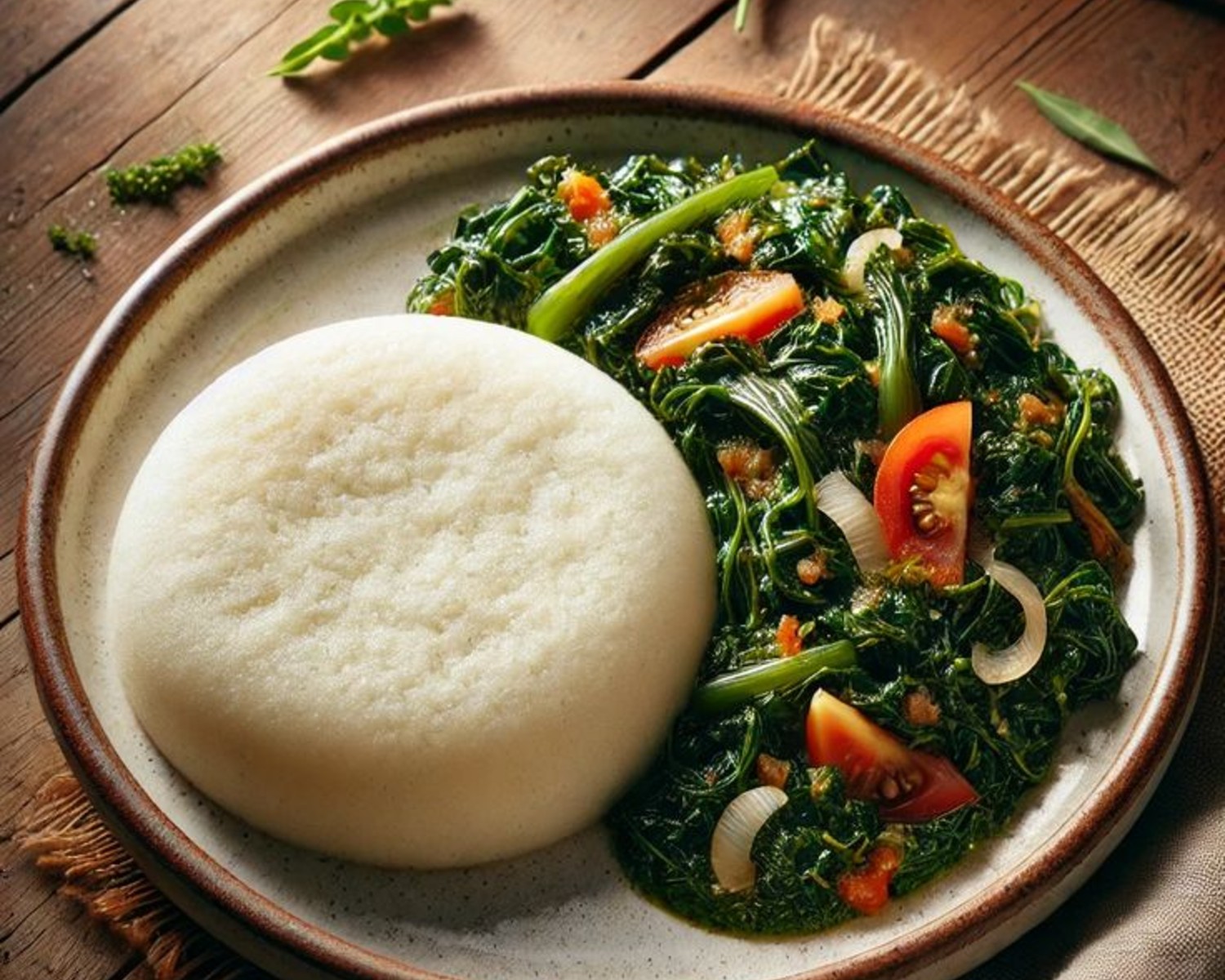
Ugali
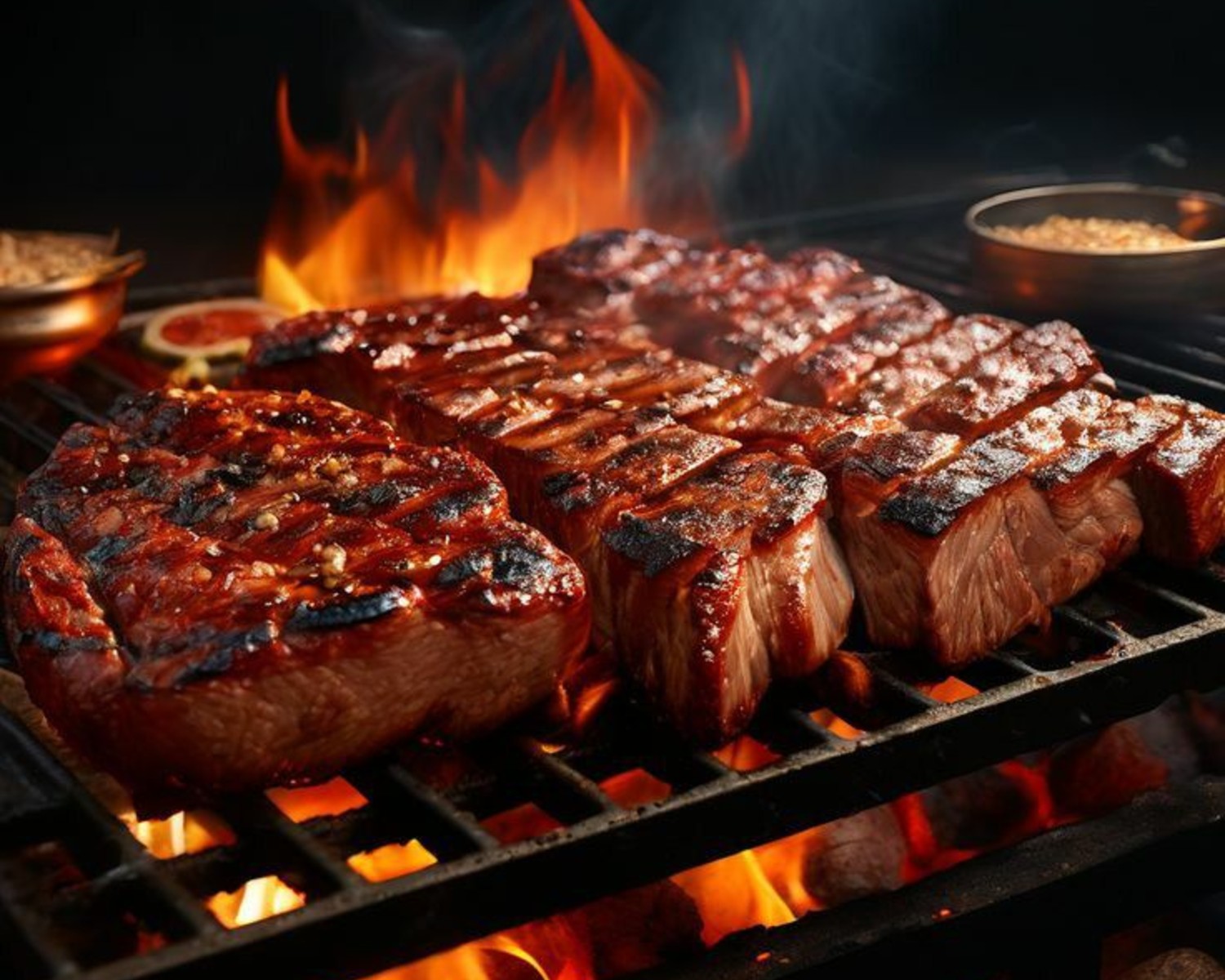
Nyama Choma (Grilled Meat)
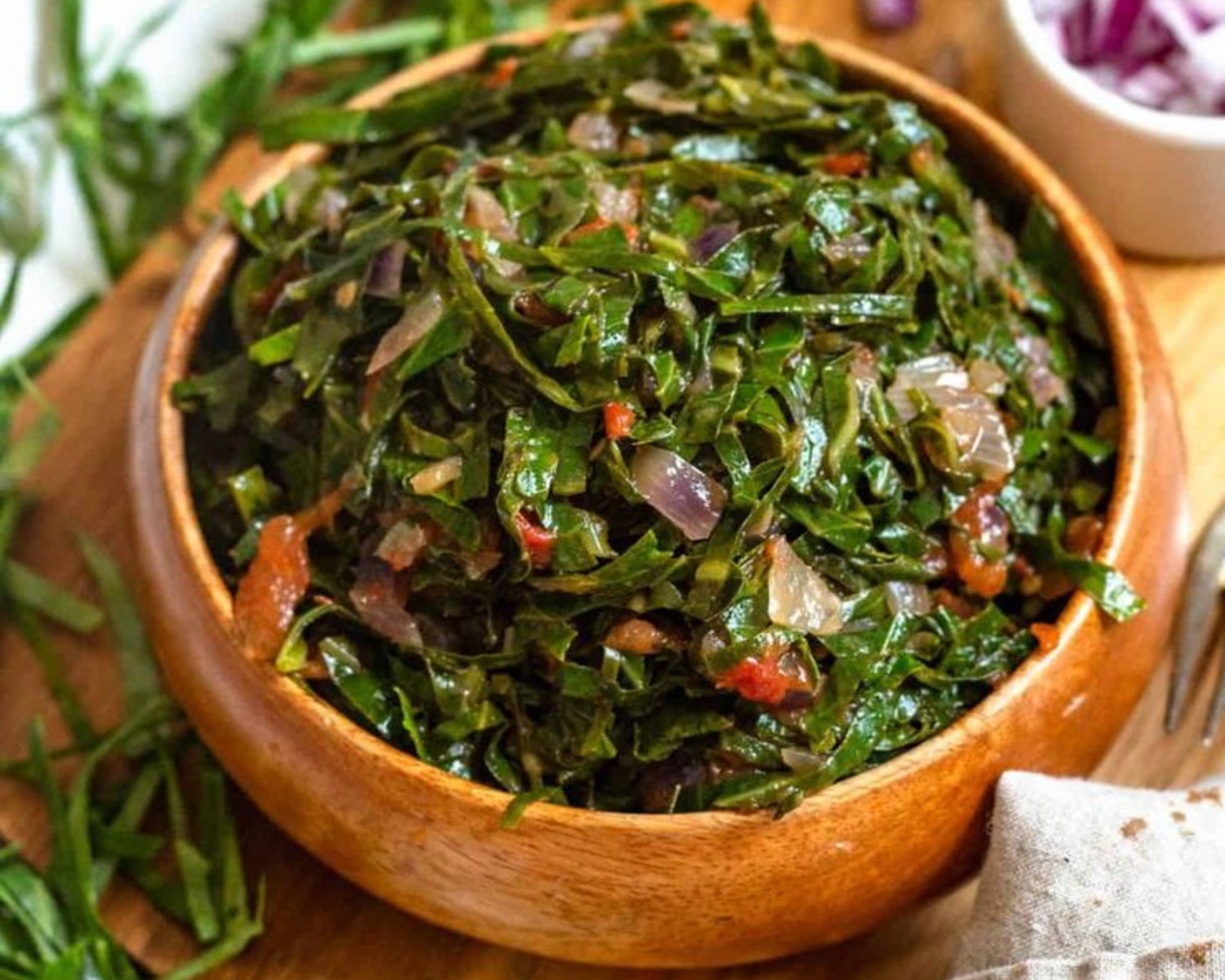
Sukuma Wiki
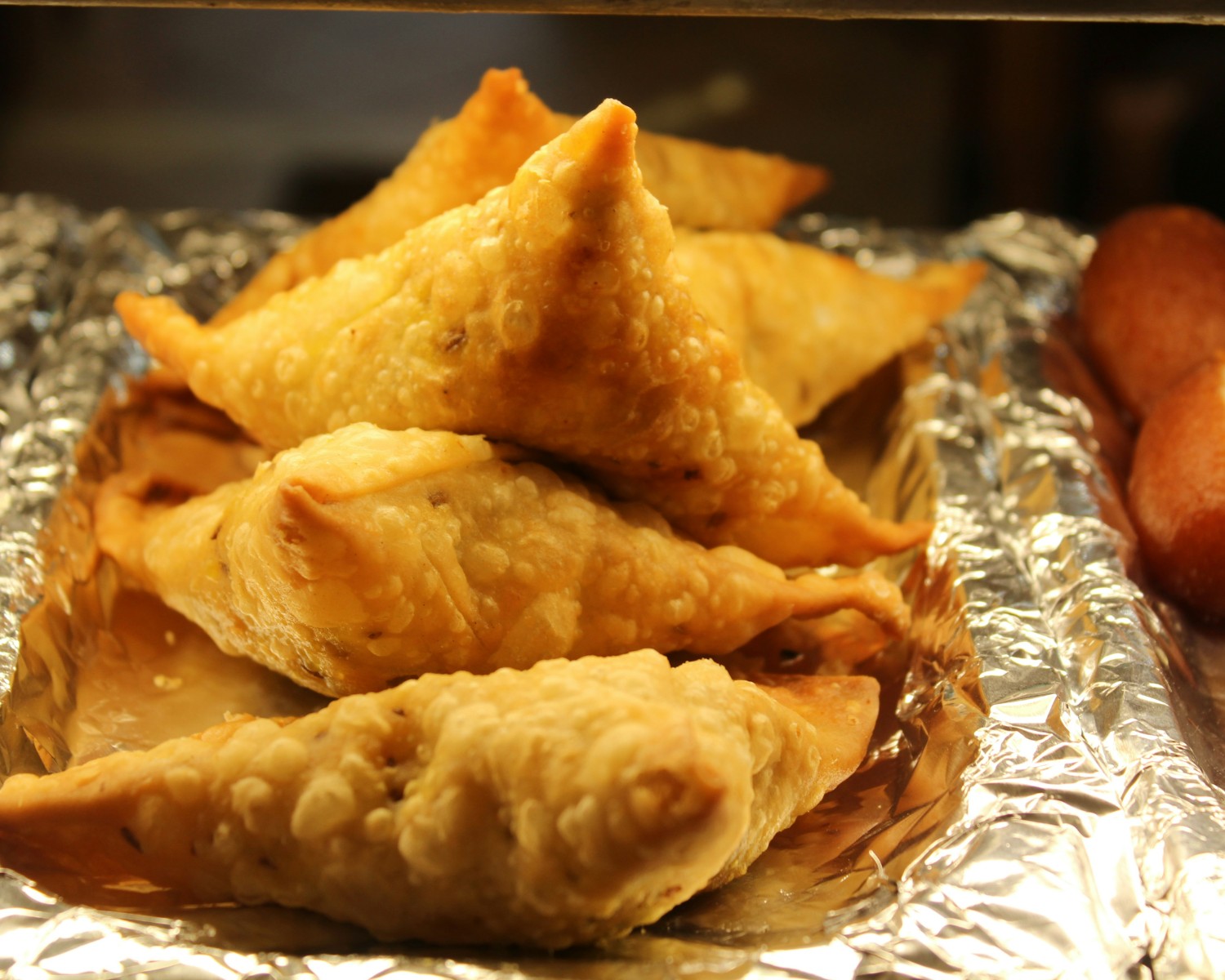
Samosa
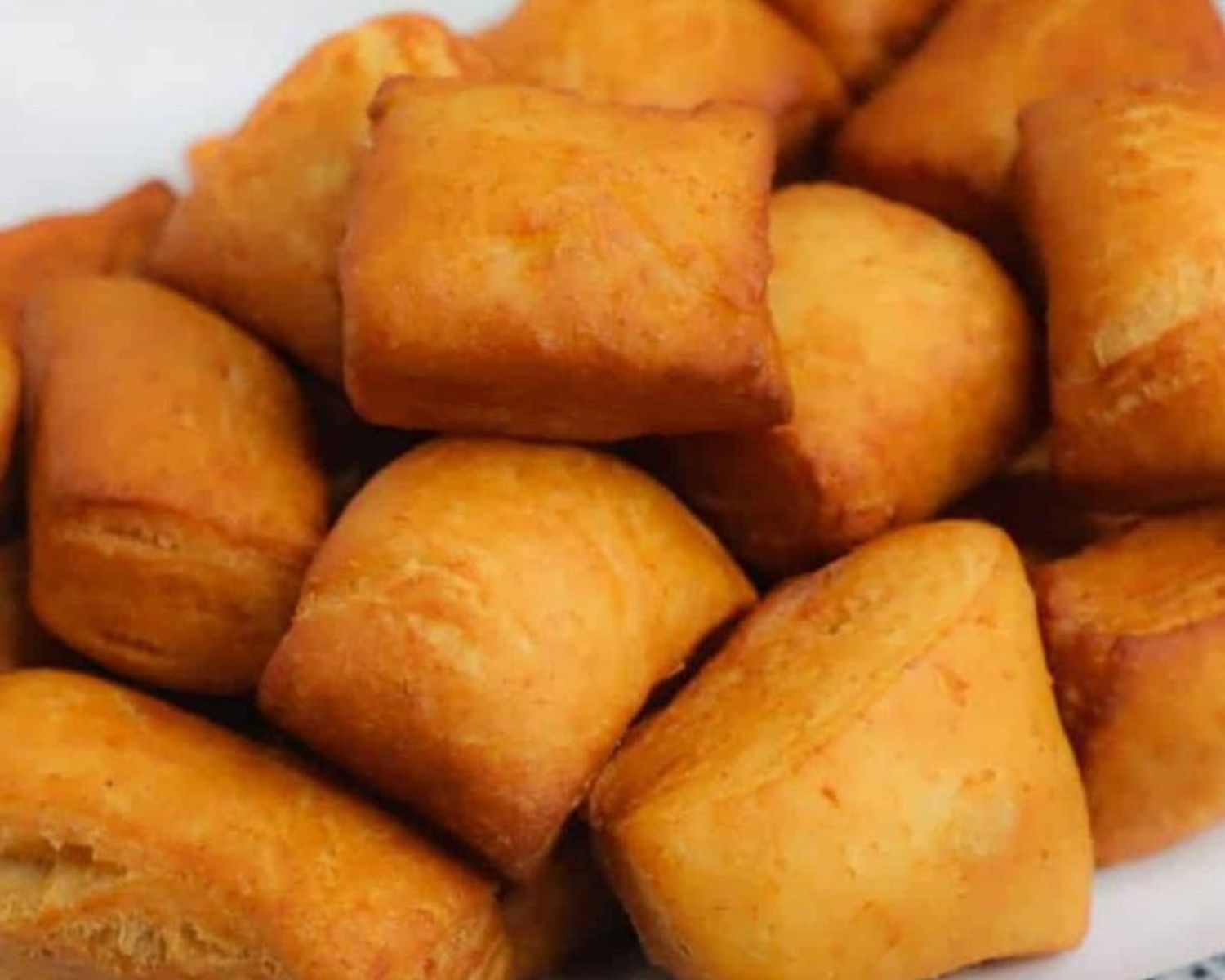
Mandazi
Coastal Seafood (Fish, Prawns)
Dining Etiquette
- • Meals communal; sharing is central. Groups eat from central platter.
- • Wait for host/elder to start eating.
- • Use right hand for eating; left hand considered impolite.
- • Accept all food offered; refusing is disrespectful.
- • Finishing meals shows appreciation.
- • Tipping: 10% appreciated in restaurants; not mandatory.
- • Street food: vendors generally clean; popular stalls safest.
Signature Drinks
Shop & Bring Home
Kenya offers authentic African art, crafts, and souvenirs alongside contemporary shopping. From vibrant Maasai beadwork and wood carvings to soapstone and batik, every item carries cultural significance. Markets are colorful, chaotic, and rewarding.
Traditional Crafts & Art
KES 500–50,000+
- Maasai Beadwork & Jewelry
- Soapstone Carvings (Kisii)
- Wood Carvings (Animal Figures)
- Batik Textiles
Buy directly from artisans when possible; supports communities.
Textiles & Fashion
KES 500–5,000
- Kikoi (Traditional Wraps)
- Kitenge (Printed Fabrics)
- Shuka (Maasai Cloth)
- Local Designer Wear
Nairobi and Mombasa have vibrant fashion districts.
Coffee & Tea
KES 500–3,000
- Kenyan Coffee Beans
- Black Tea Leaves
- Spices (Cardamom, Cloves)
- Honey
Excellent quality; great souvenirs. Markets offer best prices.
Souvenirs & Curios
KES 200–10,000
- Wildlife Figurines
- Ethnic Masks
- Traditional Drums
- Stone Bookends
Tourist shops mark up; negotiate hard or buy at markets.