Karnataka
factsheet
Land of Temples, Coffee Plantations, Tiger Reserves & Ancient Ruins—Experience South India's Soul in One State.
Explore Karnataka travel facts including visa basics, weather, best time to visit, trip duration, and expert travel planning tips by Bayard Vacations.
The Essentials
Best Time
Oct - Mar
Currency
INR (₹)
Climate
Tropical/Temperate
Time Zone
UTC+5:30 (IST)
Language
Kannada/English
Visa
Domestic/Foreign E-Visa
Capital
Bengaluru
Population
67.4M
Calling Code
+91
Power Plug
Type D & M (230V)
Tipping
10% customary (₹50–100 appreciated)
Emergency
100 / 101 / 108
History & Heritage
Karnataka, India's silicon valley, traces its heritage back 2,000+ years through multiple dynasties and empires. The Vijayanagara Empire (1336–1646) established Hampi as one of South India's greatest cities, documented in UNESCO World Heritage ruins. The region transitioned through Hindu kingdoms, Islamic sultanates, and finally British colonial rule before emerging as independent India's industrial and IT powerhouse. Today, Karnataka balances Mughal-era temples, Hindu heritage sites with cutting-edge technology, making it India's most diverse state.[web:1111][web:1114][web:1117][web:1120] Domestic tourism exploded 124% in 2022 to 18.24 crore visitors, continuing growth to record 30.46 crore (2024)—India's top 3 states.[web:500][web:503] International visitors: 4.85 lakh (2024), up 18.6% from prior year but below pre-pandemic 6.09 lakh peak.[web:494][web:500]
Ancient Kingdoms – Hindu & Buddhist Era (3rd Century BCE–7th Century CE)
Karnataka witnessed flourishing of Hindu kingdoms, Buddhist monasteries, and philosophical learning centers. Ashoka's edicts inscribed on rocks throughout Karnataka attest to Buddhist influence. The region served as intellectual hub: Vedic learning, Sanskrit scholarship, and early Jain communities thrived.[web:1111][web:1114]
Vijayanagara Empire (1336–1646) – South's Greatest Power
Founded by Harihara I and Bukka Raya I (Sangama Dynasty), Vijayanagara became South India's dominant empire. Hampi (capital city) flourished as cosmopolitan hub rivaling Europe's cities in grandeur. Under Krishnadevaraya (1509–1529, Tuluva Dynasty), empire subjugated nearly all South Indian kingdoms, pushed Deccan sultanates northward. Peak: 16th century—empire controlled trade routes from Arabian Sea to Bay of Bengal.[web:1111][web:1114][web:1117][web:1120] Architecture blended Hindu temples, Islamic influences, Persian administrative systems. Battle of Talikota (1565) catastrophic defeat; empire declined but survived until 1646. Hampi remains UNESCO World Heritage Site: 500+ temples, royal enclosures, bazaars, astronomical instruments.[web:1111][web:1117][web:1120][web:1143]
Nayak Kingdoms & Mysore Dynasty (1565–1799)
Post-Vijayanagara fragmentation: Mysore emerged as regional power under Wodeyar dynasty. Hyder Ali & Tipu Sultan modernized kingdom (18th century), resisted British expansionism. Mysore became second most powerful Indian state after British East India Company; palace symbolizes this era's architectural splendor.[web:1111]
British Colonial Rule & Indian Independence (1799–1947)
After British defeated Tipu Sultan (1799), Mysore became British administrative center. Colonial period: railways, plantations (coffee, tea), modern infrastructure introduced. British Raj exploited resources; Indians organized freedom struggle. Karnataka contributed significantly: Keshab Chandra Sen, M. Visvesvaraya pioneered social reform, engineering innovation. 1947 independence; Mysore State integrated into India; 1956 reorganization: Karnataka emerged with linguistic-ethnic boundaries.
Modern India – Technology Hub & Cultural Repository (1956–Present)
Post-independence Karnataka transformed into IT powerhouse: Bengaluru became Silicon Valley of Asia—home to Infosys, TCS, Wipro (₹10.6 trillion IT export economy). Simultaneously, state preserved heritage: Hampi excavations, temple restoration, classical arts patronage. Today: 67.4M population; Bengaluru ranks world's fastest-growing tech hub; tourism sector balances ancient monuments (Hampi, Mysore Palace) with eco-tourism (Western Ghats, wildlife sanctuaries). [web:500][web:503][web:1141]
Climate & Weather
Karnataka spans multiple climate zones: coastal tropics (Mangalore: 220cm rainfall), Western Ghats temperate (Coorg: 400cm monsoon), inland semi-arid (Hampi). Peak season (Oct-Mar) ideal: cool 10–32°C, clear skies, low humidity. Summer (Apr-Jun): hot 25–40°C; hill stations cool refuge. Monsoon (Jul-Sep): heavy rainfall, lush greenery, wildlife active. Winter (Nov-Feb): perfect sightseeing weather but crowded.
Time Zone
UTC+5:30 (IST - Indian Standard Time)
Same as India (no offset)
Best Months
October, November, December, January, February, March
Winter (November–February)
Nov – Feb
10–32°C daytime; 5–15°C nights
PEAK SEASON: Ideal weather—cool, pleasant, clear skies. Festival season: Mysore Dasara (Oct), Karaga Festival (Bengaluru), Diwali celebrations. Perfect for Hampi heritage walks, Mysore Palace visits, Coorg trekking, wildlife safaris (Bandipur, Nagarhole). Early morning foggy mists romantic; afternoon sunshine brilliant. Hotels, flights premium-priced; early booking essential. Mysore Dasara: 10-day extravaganza; palace illuminated 97,000+ lights.[web:1104][web:1106][web:1150][web:1151]
Spring (March–May)
Mar – May
20–40°C; peak 42–45°C May
March pleasant (20–28°C), wildflowers bloom in hills. April–May scorching (35–45°C); heat oppressive in plains. Hill stations (Coorg, Chikmagalur) cool refuges. Coffee plantations green; spring harvest preparations. Water sports resume at lakes. Early morning/evening outdoor activities only. Dehydration risk in plains. AVOID peak May; unbearable. March ideal compromise.
Monsoon (June–September)
Jun – Sep
20–28°C; high humidity 70–95%
Heavy rainfall (Jul–Aug: 200–400mm/month). Western Ghats lush emerald; waterfalls (Jog, Iruppu) spectacular flows. Not ideal sightseeing (muddy, misty, poor visibility). However: budget hotels/flights cheap; fewer crowds. Birdwatching peak; wildlife safaris active (Kabini). Coffee plantations undergo weeding cycles. Rivers swollen; some attractions closed safety. Best for: nature photography, Ayurvedic wellness retreats, indoor cultural activities (museums, palaces), local festival immersion.
Autumn (September–October)
Sep – Oct
15–32°C
Shoulder season: September warm (20–32°C), monsoon rain decreasing. October perfect (18–28°C): clear skies, lush green landscapes, pleasant weather, lower tourist crowds than peak season. Mysore Dasara (late Sep/early Oct): cultural apex; palace celebrations. Coffee plantations post-harvest greening. Budget better than Nov–Mar. Good compromise: ideal weather + manageable prices + moderate crowds.
Seasonal Packing List
Language Guide
Official Language
Kannada (Devanagari script) & English (Constitutional)
Kannada: official language; 65%+ Karnataka speak. English widespread: tourism, business, upper classes. Bengaluru: cosmopolitan blend—Hindi, Marathi, Tamil, Telugu speakers; English dominant. Older generations: Kannada, Urdu; youth: bilingual Kannada-English. All road signs, documents bilingual. Tourism sector heavily English-oriented. Learn Kannada basics appreciated by locals.
Local Signage
Useful Phrases
Hello
nah-mah-SKAH-rah
Namaskara
Thank you
dhahn-yah-VAH-dah
Dhanyavada
Goodbye
bye / Namaskara
Bye (common)
Yes / No
HAH-oo / IHL-lah
Hau / Illa
Please
krih-PAH-yah
Kripaya
Excuse me
kshmih-SEE
Kshamisi
How much?
YESH-tah KHAR-chah?
Yeshta kharcha?
Where is...?
ETHRA in-dah?
...ethra inda?
Also Commonly Spoken
Kannada
Official language; 65%+ speak; government, education, street communication. Devanagari script. Learning basics appreciated.
English
Widespread tourism, business, upper-middle classes, Bengaluru youth. All signs bilingual. Comfortable navigating entirely in English.
Hindi
Understood by 40%+ (national language); widely spoken in north Karnataka, Bengaluru. English-Hindi bridges most situations.
Regional Languages
Tamil, Telugu, Marathi speakers in communities. English/Kannada suffices communication.
Currency & Money
Official Currency
Indian Rupee
₹ (INR) — ₹1 = 100 Paise
Banknotes
₹10, ₹20, ₹50, ₹100, ₹200, ₹500, ₹2,000
Coins
50p, ₹1, ₹2, ₹5, ₹10
ATMs & Cash Withdrawal
Abundant ATMs (SBI, HDFC, ICICI, AXIS, Canara) nationwide; accept Visa/Mastercard/Cirrus. Withdrawal: ₹10,000–₹20,000 per transaction. Fees: ₹20–50 per transaction; currency conversion charges (foreign cards). Use reputable bank ATMs. SBI ATMs free for SBI customers; others charged. Major cities highly accessible; rural areas fewer ATMs—plan ahead.[web:1128]
Credit & Debit Cards
Accepted hotels, restaurants, malls, tourist sites (major chains). Card payment predominant urban areas; shops, bazaars prefer cash. UPI (Unified Payments Interface) revolutionary: scan QR code, pay directly from mobile via Google Pay, PhonePe, BHIM apps. Foreign users: limited UPI; merchants only. Contactless payments growing. Carry mix cash/cards.[web:1128]
Tipping Culture
Optional but customary. Restaurants: 10% for good service (₹50–100 appreciated); service tax usually included. Taxi drivers: round up 5–10%. Hotel staff, tour guides: ₹50–200 per day appreciated. Not mandatory; tip if satisfied. Bargaining expected bazaars (20–40% off); fixed pricing malls.
Daily Budget Estimates
Budget Traveler
₹2,000–3,000 (~$24–36)
Mid-Range Traveler
₹4,000–6,000 (~$48–72)
Luxury Traveler
₹10,000+ (~$120+)
Visa & Entry
Carry valid government ID (Aadhaar primary; PAN, voter ID secondary)
Book flights/hotels using ID number
Check-in: provide ID to hotel (registration automatic)
Attractions: monuments (Mysore Palace, Hampi, temples) require ticket purchase; ID verification standard
Wildlife safaris: book ahead; ID required entry
Registration
Provide ID to hotel desk; staff registers electronically with local authorities
Automatic at hotel check-in; no separate registration
Penalty: Staying unregistered 24+ hours: police questioning (rare for hotels/documented stays)
Visa Extension
Pay-as-you-go hotels; no extensions needed
Cost: N/A
Requirements
- • Valid Aadhaar Card (most accepted nationwide) OR
- • PAN Card + Voter ID OR
- • Driving License + Passport OR
- • Any government-issued photo ID with recent address
Getting There & Around
Intercity Travel
Trains (Indian Railways)
Express trains: Bengaluru→Mysore (2–3 hrs), Bengaluru→Hampi (9–10 hrs). Classes: AC, sleeper, general. Booking: IRCTC website, agents. Slower; cheaper; authentic.
Domestic Flights
Bengaluru→Coorg (not direct; connect Mangalore 1 hr flight), Bengaluru→Mysore (not direct). Other routes limited. Air India, IndiGo, SpiceJet. ₹2,000–5,000.
Interstate Buses (Roadways)
AC coaches: Bengaluru→Mysore (2–3 hrs), Bengaluru→Hampi (7–8 hrs), Bengaluru→Coorg (5 hrs). State-operated KSRTC. Budget; cheaper than flights; comfort variable. Popular backpackers.
Taxis / Private Drivers
Best comprehensive tours (Bengaluru-Mysore-Coorg circuit). Hotels arrange; 5–7 day packages ₹29,000–41,000 per person. Customizable itineraries; flexible schedules. Recommended first-timers.[web:1142][web:1144]
Car Rental Self-Drive
International license required; Indian driving chaotic—experienced drivers recommended. Rentals: ₹800–1,500/day. Petrol widely available. Insurance compulsory.
Culture & Local Life
Spiritual Traditions, Technology Innovation, Warm Southern Hospitality
Karnataka embodies India's diversity: Hindu temples (Virupaksha, Mysore Palace shrine), Jain pilgrimage sites (Shravanabelagola Bahubali statue), Muslim sultanate heritage (Gol Gumbaz), Christian churches coexist peacefully. Spiritual culture deep-rooted: daily temple rituals, festival celebrations (Dasara, Ugadi, Ganesh Chaturthi). Simultaneously, state pioneered tech revolution—Bengaluru IT campuses employ 1M+ knowledge workers. Contradiction epitomizes Karnataka: ancient spiritual wisdom + cutting-edge innovation. Society traditional-progressive hybrid: family values + urban individualism; religious devotion + secular governance. Southern hospitality sacred: guests treated as god ('Atithi Devo Bhava'); community-first ethos. Art forms flourishing: Kathak dance, Yakshagana theater, Carnatic music.[web:1112][web:1115][web:1118][web:1121]
Filter Coffee Culture & Morning Ritual
Filter coffee ('kaapi')—morning essential—defines Karnataka hospitality. Preparation ritual: coffee powder+chicory brewed steel tumbler (davara), poured frothing into small cup, creating thick 'crema.' Consumed black or with milk/jaggery. Social bonding: friends gather coffeehouses (Vidyarthi Bhavan, Brahmins' Coffee Bar legend establishments) for morning 'kaapi kathe' (coffee chat). Centuries-old tradition; still dominates breakfast culture. UNESCO recognition discussions: heritage tradition deserving preservation.
Mysore Dasara – 10-Day Royal Festival
Mysore Dasara (September–October), the grandest state festival honoring Goddess Chamundeshwari, is one of the best festivals to experience in Karnataka. This 10-day extravaganza transforms Mysuru into a vibrant cultural hub—featuring the iconic Mysore Palace illuminated with over 97,000 lights, alongside cultural processions, classical music and dance performances, food stalls, and family gatherings.The palace opens exclusively to the public, creating a magical torch-lit evening atmosphere. Procession highlights include decorated caparisoned elephants, traditional music, and massive crowd participation—making it a must-see in any Mysore Dasara travel guide. With origins dating back to the 15th century, the festival blends centuries-old traditions with a modern Hindu-secular celebration. Today, it attracts over 1 million domestic tourists annually, reinforcing its status among the top cultural events in Karnataka.
Coffee Plantation Heritage & Agro-Tourism
Coorg coffee plantations: 250+ years cultivation history; largest coffee producer in India (60% national coffee). Plantation stays immersive: harvest season (Nov–Feb), visitors pick berries, learn roasting, tasting rituals. Homestays preserve plantation family heritage. Sustainable farming, organic movement growing. Plantation walk experiences blend education, leisure, environmental consciousness—exemplifying agro-tourism innovation.
Temple Architecture & Sculpture Tradition
Karnataka temples epitomize South Indian Dravidian architecture: towering gopurams (entrance towers), intricate stone carvings, elaborate reliefs depicting epics (Ramayana, Mahabharata). Hampi temples showcase peak craftsmanship: 500+ structures spanning 1,000+ years architectural evolution. Sculpture traditions: deity forms, dance poses (frozen movement captured stone), devotional themes. Modern sculptors apprentice ancient master craftsmen—tradition continuity maintained.
Gifting Etiquette
Avoid knives (cutting friendship), clocks (death), handkerchiefs (tears), shoes (disrespect). Wrap gifts beautifully; color matters (red, yellow auspicious; black avoided). Odd numbers (₹501, ₹1001) lucky; even discouraged. Receive gifts both hands respectfully.
Business Etiquette
Business cards exchanged formally (both hands). Meetings begin with tea/coffee. Hierarchy respected: address seniors formally. Relationship-building essential; trust paramount. Punctuality increasingly valued modern Bengaluru.
Dining Etiquette
Remove shoes entering homes. Wait for host to seat, begin eating. Bread/rice sacred—never waste, place upside down. Eat with right hand (left considered unclean). Compliment food generously; finishing plate shows appreciation. Tea/coffee after meal customary. 10% tipping customary restaurants; service tax usually included. Family meals social, leisurely.
Food & Drink
Karnataka cuisine—South India's gastronomical treasure—emphasizes rice, lentils, coconut, spices creating refined vegetarian & non-vegetarian traditions. Idli (steamed rice cake), dosa (crispy rice crepe), sambhar (lentil vegetable stew) holy trinity. Mysore Pak (sweet), coffee legacy define regional identity. Street food culture democratic: ₹20 masala dosa rivals Michelin-starred restaurants in technique. Coffee—national obsession—served every cafe; filter coffee preparation theatrical. Bengaluru transformed cosmopolitan food hub: fusion cuisine, international brands alongside traditional hole-in-wall eateries.[web:1113][web:1116][web:1119][web:1122]
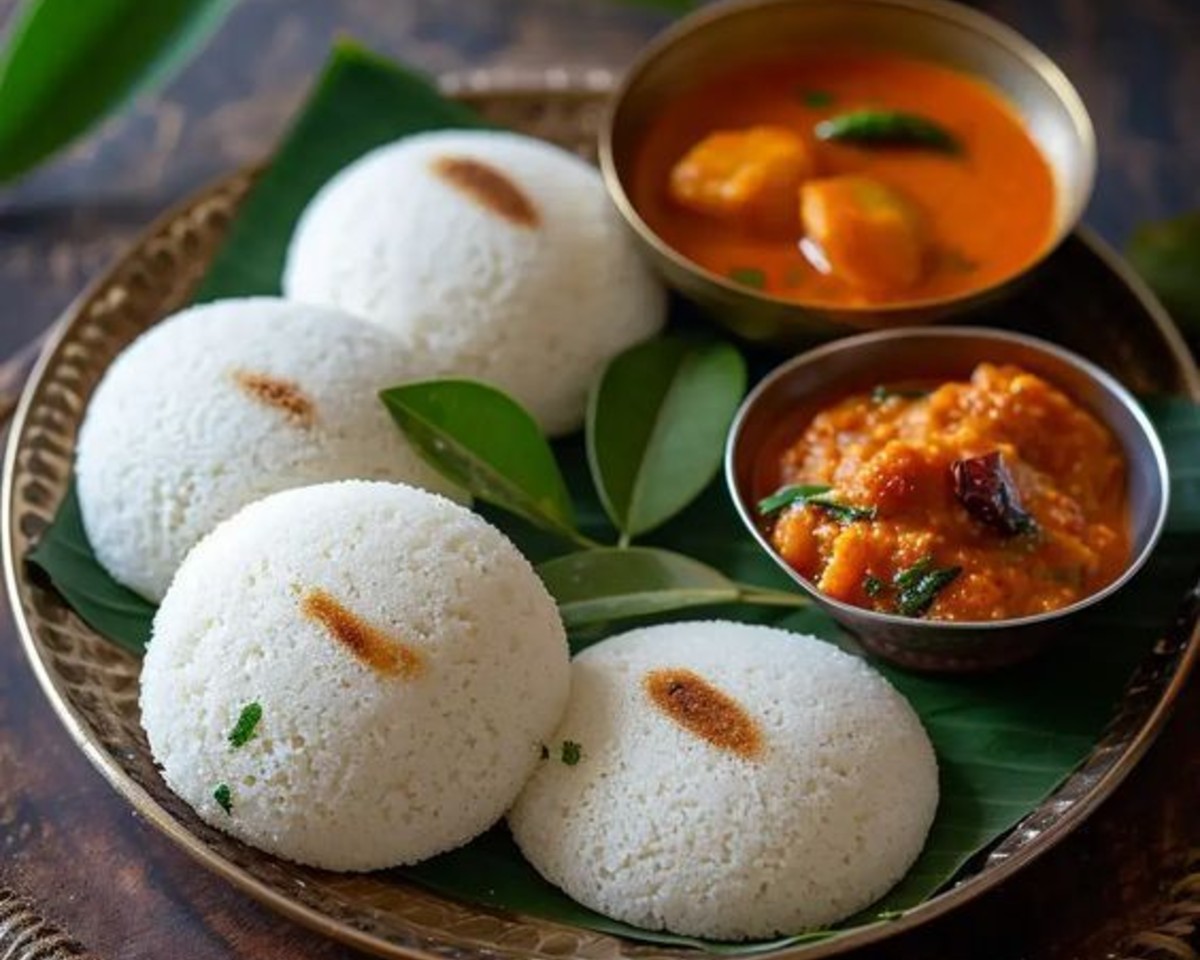
Idli – Steamed Rice Cake
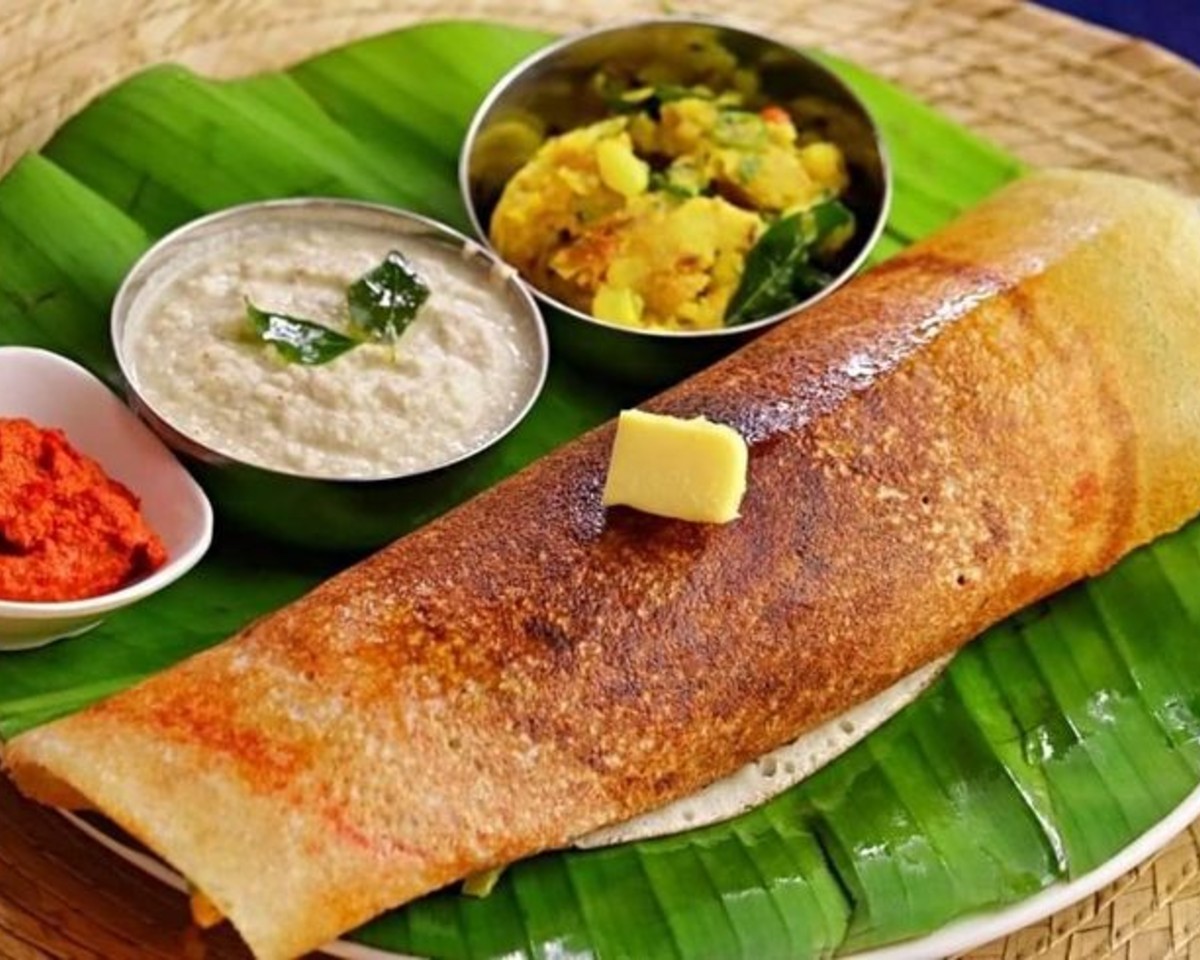
Dosa – Crispy Rice Crepe
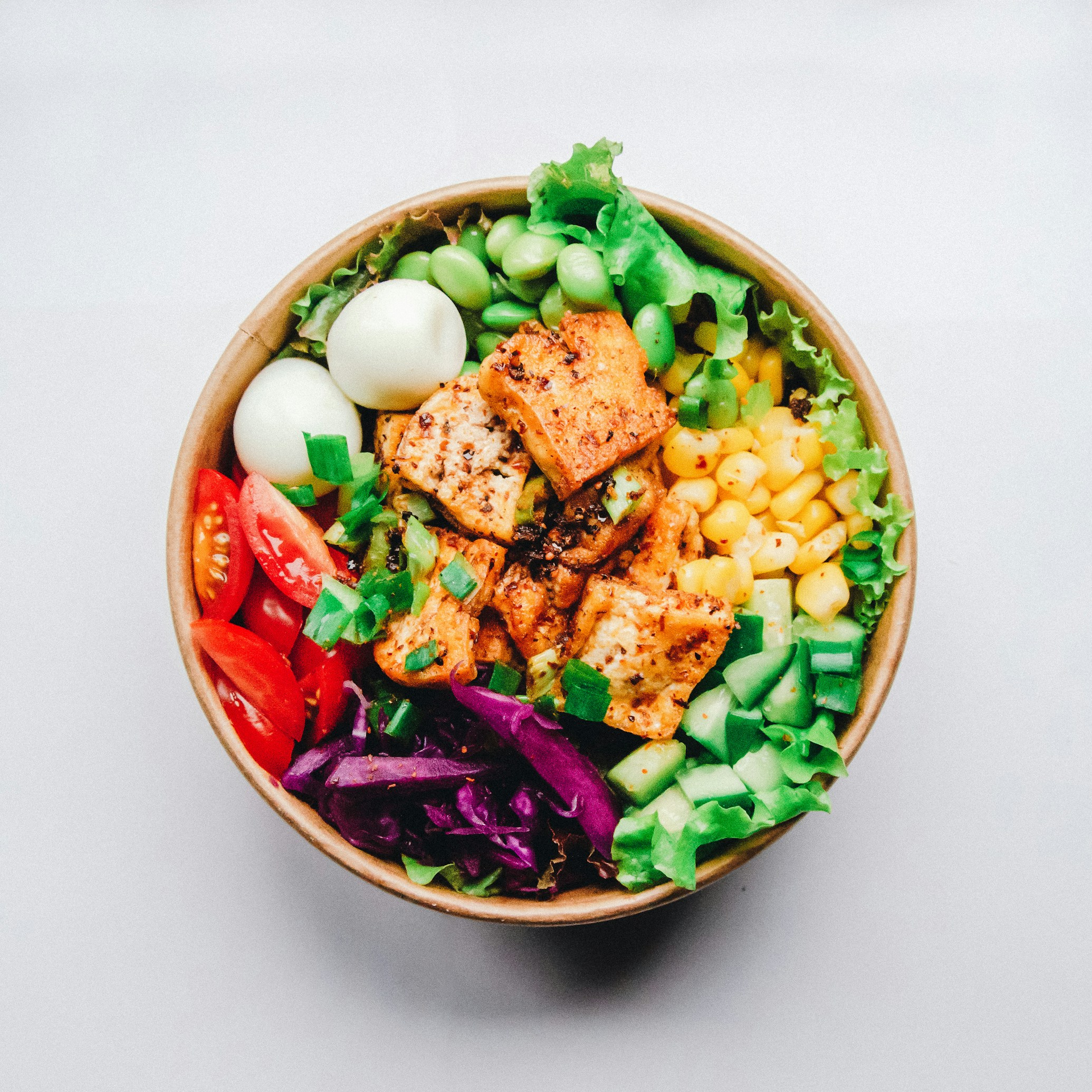
Sambhar – Spiced Lentil Vegetable Stew
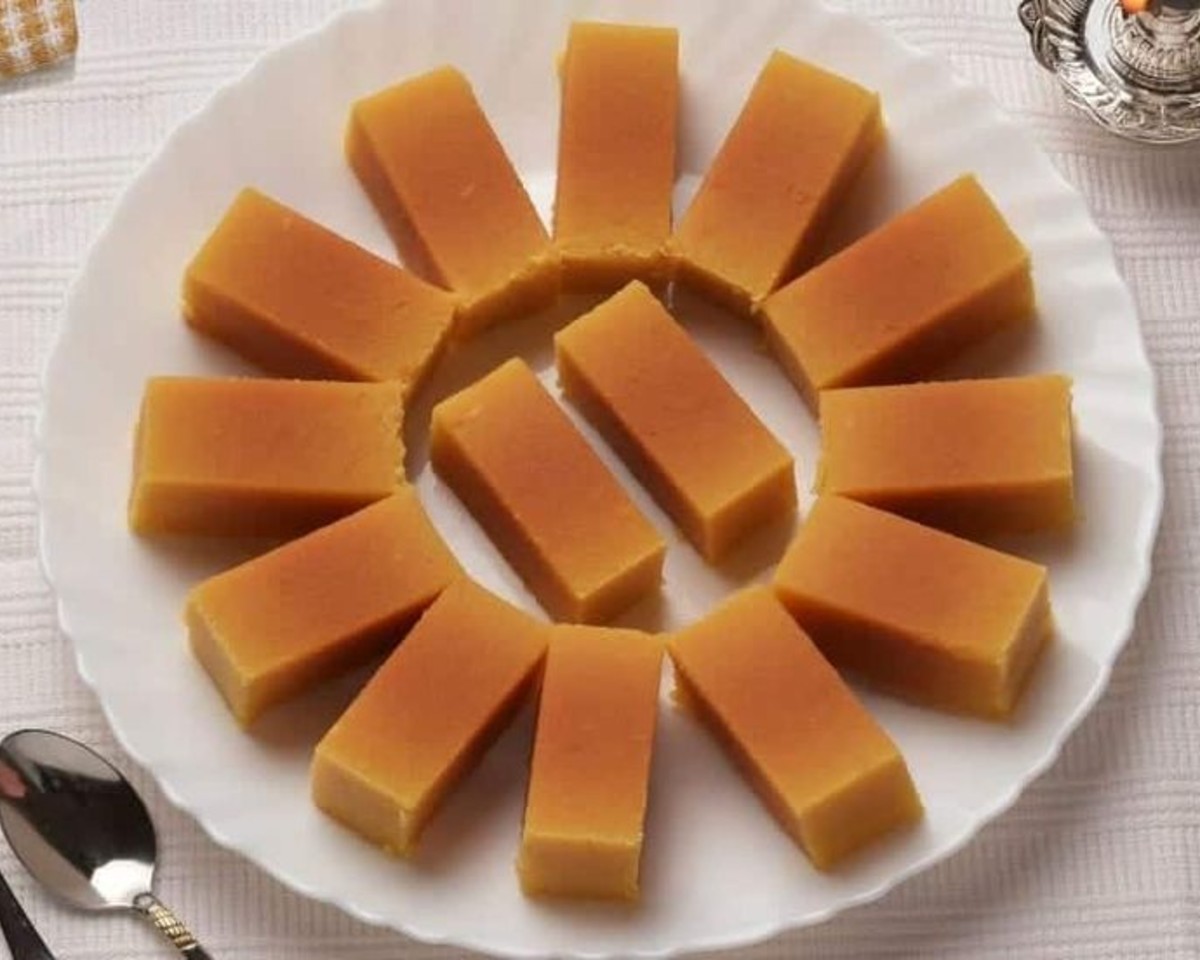
Mysore Pak – Sacred Sweet

Filter Coffee – Morning Ritual
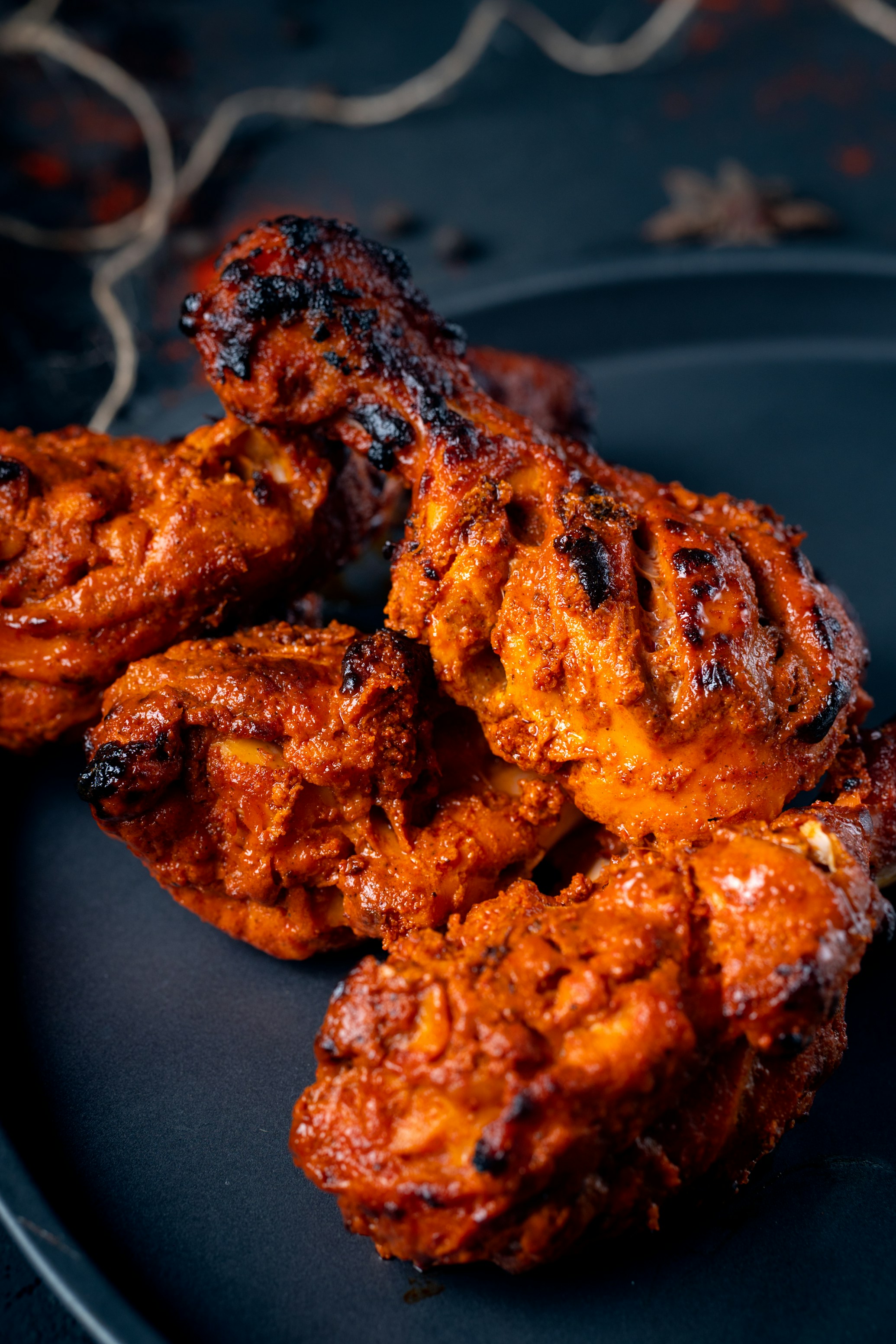
Coconut Chutney – Creamy Condiment
Dining Etiquette
- • Meals are social events; rushing inconsiderate
- • Rice/bread sacred—never waste, place upside down
- • Right hand for eating (left considered unclean)
- • Compliment cook generously; refusing insulting
- • Finish most plate showing appreciation
- • 10% tipping customary; service tax usually included
- • Vegetarian options abundant; inform dietary restrictions early
- • Spice levels customizable; communicate comfort
Signature Drinks
Shop & Bring Home
Karnataka shopping spectrum: traditional bazaars (Chikpet, Bengaluru—silk saree epicenter) to upscale malls (UB City, Phoenix Marketcity). Mysore silk sarees: world-renowned; handwoven traditions 500+ years. Sandalwood products: fragrance oils, carved artifacts UNESCO-recognized craftsmanship. Coffee, spices, handicrafts: shopping therapy cultural ritual. Bargaining bazaars social theater; mall browsing cosmopolitan leisure. Merchandise diversity: textiles, jewelry, traditional crafts, souvenirs—varied price points.[web:1127][web:1130][web:1135][web:1136]
Silk & Textiles
₹2,000–50,000+
- Mysore Silk Sarees (world-renowned)
- Kanjeevarams (Tamil Nadu imports)
- Traditional fabrics
- Embroidered dress materials
Chikpet Market (Bengaluru): largest saree bazaar; wholesale prices; bargain 20–40%
Sandalwood & Crafts
₹200–10,000+
- Sandalwood carvings & oils
- Rosewood inlay work
- Wooden toys (Channapatna)
- Brassware, copperware
Traditional craftsmanship UNESCO-recognized; Cauvery Emporium authentic
Coffee & Spices
₹100–3,000
- Coffee (roasted beans, powder)
- Spices (cardamom, pepper, cinnamon)
- Tea (specialty varieties)
- Dry fruits, nuts
Coffee estates Coorg sell direct; freshest quality; plantation tours included
Jewelry & Fashion
₹500–25,000+
- Temple jewelry (antique-style)
- Silver ornaments
- Traditional dress (salwar, saree)
- Accessories, bangles
MG Road (Bengaluru): upscale jewelry boutiques; Khan Market: designer Indian wear