

Finland
factsheet
Land of midnight sun, northern lights, pristine lakes, and ancient sauna traditions in Europe's Arctic North.
Finland factsheet: Schengen €90/₹9,500 Indians, EUR ₹105, Sep-Mar Northern Lights, Jun-Aug midnight sun, Helsinki saunas tips.
The Essentials
Best Time
Jun - Aug, Dec
Currency
EUR (€)
Climate
Boreal/Arctic
Time Zone
UTC+2 (EET)
Language
Finnish/Swedish
Visa
Schengen (Type C)
Capital
Helsinki
Population
5.5M
Calling Code
+358
Power Plug
Type C & F (230V)
Tipping
Service included; rounding appreciated
Emergency
112
History & Heritage
Finland’s history spans from the end of the last Ice Age (around 9000 BC) through centuries of Swedish and Russian rule to modern independence. Under the Swedish rule of Finland and later as the Grand Duchy of Finland, the region developed its distinct identity, eventually achieving independence in 1917 through the Finnish Declaration of Independence. Often called the “land of a thousand lakes,” Finland emerged as a modern nation known for its pioneering social welfare system and strong education model. Today, it represents a unique blend of ancient Sami culture and Finnish traditions with cutting-edge Nordic innovation, design, and technology—making it a key destination for a Finland history and culture travel guide.
Stone Age (9000 BC - 1500 BC)
After the last Ice Age, hunter-gatherers from the south and east populated Finland. Archaeological evidence shows Kunda, Comb Ceramic, and Corded Ware cultures establishing settlements around lakes and rivers. These early inhabitants adapted to the boreal forest environment, developing sophisticated hunting and fishing techniques.
Bronze & Iron Age (1500 BC - 1300 AD)
Bronze Age tribes developed trade networks with Scandinavia and the Baltic. The Iron Age (500 BC onwards) saw the emergence of distinct Finnish, Tavastian, and Karelian cultures. These communities grew crops, raised livestock, and maintained trade routes to the east and west.
Swedish Rule & Christianization (1100s - 1809)
Swedish crusades (c. 1157) converted Finland to Christianity. By 1323 (Treaty of Nöteborg), most of Finland became part of the Swedish realm for 500 years. Helsinki was founded in 1550 as a trading rival to Tallinn. Finland retained its own legal system and religion throughout Swedish rule.
Russian Grand Duchy (1809 - 1917)
Following the Finnish War, Russia's Alexander I granted Finland autonomy as a Grand Duchy. This period saw Finland develop its own currency (markka, 1860), postal system, and even a small army. Finnish nationalism emerged through language and culture, culminating in the Kalevala epic.
Independence & Democratic State (1917 - Present)
On December 6, 1917, Finland declared independence. After a brief civil war (1918), Finland became a model welfare state. Post-WWII, Finland balanced neutrality during the Cold War (Finlandization) while building strong social systems and technology sectors—Nokia, Linux, and game development.
Modern Nordic Excellence (1995 - Present)
Finland joined the EU (1995) and adopted the Euro (2002). Today, it ranks among the world's happiest nations, with exceptional education, healthcare, and gender equality. The 2006 Winter Olympics and continued innovation in design, tech, and sustainable living cement Finland's global leadership.
Climate & Weather
Finland experiences extreme seasonal contrasts due to its Arctic latitude (60-70°N). Summers feature nearly 24-hour daylight (midnight sun), while winters bring polar nights lasting weeks in Lapland. The Gulf Stream moderates temperatures, making Finnish winters less harsh than comparable latitudes elsewhere.
Time Zone
EET (UTC+2) / EEST (UTC+3 in summer)
3 hours 30 minutes behind IST (India Standard Time)
Best Months
June-August (Midnight Sun), December (Winter Sports & Northern Lights)
Spring (Kevät)
Mar – May
0–15°C
Days rapidly lengthen. Ice breaks on lakes. Birch trees bud. Easter traditions. Unpredictable weather transitions. Fewer tourists, lower prices.
Summer (Kesä)
Jun – Aug
12–23°C
Midnight sun in north. Nearly 19-hour days in south. Peak season for lake swimming, camping, festivals. Warm but rarely hot. Sauna-by-the-lake culture. Berries ripen.
Autumn (Syksy)
Sep – Oct
5–15°C
Golden foliage. Northern lights return (late Sept in far north). First snows in Lapland. Fewer tourists. Brisk, clear weather. Mushroom and berry season.
Winter (Talvi)
Nov – Feb
-10–5°C (South), -20 to -30°C (Lapland)
Polar nights in Lapland. Extensive snow cover. Skiing, ice fishing, snowmobiling. Northern lights season (best Sept-Mar). Ice hotels and glass igloos. Cozy sauna culture.
Seasonal Packing List
Language Guide
Official Language
Finnish (suomi), Swedish (svenska)
Finnish is a Uralic language—unique among European languages, sharing roots with Hungarian and Estonian but not with Indo-European languages. It features 15 grammatical cases and vowel harmony, making it challenging for outsiders. Swedish is the second official language, spoken by ~5% in coastal regions. English proficiency is exceptionally high (80%+ among those under 50) and widely used in tourism, business, and daily life.
Local Signage
Useful Phrases
Hello
HAY / TEHR-veh
Hei / Terve
Thank you
KEE-tose
Kiitos
Goodbye
NAH-keh-meen
Näkemiin
Yes / No
KOOL-lah / AY
Kyllä / Ei
Please
OH-lih-see-ko
Olisiko
Excuse me
AHN-tay-k-see
Anteeksi
How much?
PAHL-yon-ko TAH-mah MAHK-sah
Paljonko tämä maksaa?
Where is...?
MISS-sah ohn
Missä on...?
Also Commonly Spoken
English
Extremely high proficiency. Almost universally spoken by those under 50. Primary language for tourism, signs, and business. Finns pride themselves on English skills.
Swedish
Official but minority language (~5%). Mainly in coastal regions (Åland). Not essential for tourists but respected in bilingual communities.
Russian
Growing due to proximity, but not widespread. Less common than in Estonia or Latvia. Not recommended for daily use.
Sami
Indigenous language of Sami people in Lapland. Spoken by ~2,000 people. Cultural significance in Arctic regions but not needed for tourists.
Currency & Money
Official Currency
Euro
€ (EUR) — €1 = 100 Cents
Banknotes
5, 10, 20, 50, 100, 200 EUR
Coins
1, 2, 5, 10, 20, 50 cents; 1, 2 EUR
ATMs & Withdrawal
Abundant throughout Finland. Most accept international cards (Visa/Mastercard/Amex). Minimal fees (1-2%). Very accessible in rural areas and small towns.
Credit & Debit Cards
Accepted virtually everywhere: restaurants, shops, public transport, even market stalls. Contactless payments ubiquitous. PIN/chip required for security. Card payment preferred over cash.
Cash
Less common but still accepted. Declining use in Finland (one of Europe's most cashless societies). Useful for small amounts, market stalls, and rural areas. Most establishments prefer card.
Daily Budget Estimates
Budget Traveler
€50-70 (~₹5,250-7,350)
Mid-Range Traveler
€90-140 (~₹9,450-14,700)
Luxury Traveler
€200+ (~₹21,000+)
Visa & Entry
Check Finnish embassy website (um.fi) for India-specific requirements
Book appointment at Finnish embassy/consulate in your city (online mandatory)
Prepare all required documents and supporting proofs
Attend in-person appointment for biometrics (fingerprints, photo)
Submit application with fees (€80 or ₹6,000-8,000)
Receive decision within 15-60 business days; visa collected at embassy
Present visa at airport immigration upon arrival in Finland
Registration
Hotel registration automatic; private accommodation self-register at local commune office
Short-stay visa holders (up to 90 days) do not require registration
Penalty: Non-registration for longer stays can result in fines or deportation
Visa Extension
Apply at local police station (Poliisilaitos) before visa expiration
Cost: Fee varies; typically €50-100
Requirements
- • Valid passport (6+ months validity, 2 blank pages minimum)
- • Schengen visa application form (completed, signed, dated)
- • Passport-size photo (35x40mm, colored, taken within 6 months)
- • Hotel bookings or accommodation letter for all nights
- • Return airline ticket or proof of onward travel
- • Schengen travel insurance (€30,000+ medical coverage, entire stay)
- • Proof of financial means (€50 per day minimum; bank statements, credit cards)
- • Employment letter (if employed) or student enrollment proof
- • Travel itinerary and contact information
- • Copy of Indian residence permit or identity proof
Getting There & Around
Intercity Travel
VR High-Speed Trains
Connect Helsinki to Turku (2h), Tampere (2.5h), and northern cities. Modern comfort, WiFi. €15-60 depending on class and advance booking.
Regional Trains
Slower but scenic routes to smaller towns. €10-30. Great views of Finnish landscape.
Long-Distance Buses (Onnibus, Matkahuolto)
Budget inter-city travel. €10-30. Comfortable coaches. Slower than trains but economical.
Domestic Flights
From Helsinki to Rovaniemi (Lapland) and other northern cities. €40-100+. Worth considering for far-north travel.
Culture & Local Life
Reserved Calm with Deep Connection to Nature
Finnish culture values silence, privacy, personal space, and honesty. Often perceived as reserved by outsiders, Finns are deeply connected to nature, sauna traditions, and equality. The culture emphasizes individual responsibility, work-life balance (despite working hard), and a unique concept called 'Sisu'—extraordinary determination and resilience. Design, innovation, and sustainable living are woven into the national identity.
Sauna Culture (Saunatuslehti)
With 3 million+ saunas, sauna is spiritual practice and social equalizer. Friday night sauna (Perjantai) is sacred family time. Smoke saunas (savusauna) and lakeside saunas preserve ancient traditions. Löyly (steam essence) creates a meditative state.
Midsummer (Juhannus)
Celebrated June 20-21 with bonfires, sauna, swimming, and retreating to lake cottages. Young women float flower wreaths on water; traditionally believed to predict romantic futures. A time of magic, celebration, and connection to nature.
Berry & Mushroom Picking (Marjastaminen)
'Jokaisenoikeus' (Everyman's Right) allows free foraging for berries and mushrooms on any land. Deep cultural practice connecting Finns to forests. Blueberries, lingonberries, and wild mushrooms are culinary treasures.
Sisu (Extraordinary Determination)
Untranslatable concept central to Finnish identity. Means unwavering determination, resilience, and quiet courage in face of adversity. Not bravado but stoic perseverance. Reflects WWII history and modern Finnish character.
Quiet & Solitude in Nature
'Hiljaisuus' (silence) and time in nature are spiritual practices. Lake cottage retreats, forest walks, and stillness are core to well-being. Connection to natural cycles shapes worldview and values.
Gifting Etiquette
Wrap gifts nicely. Avoid odd numbers or red roses (reserved for romance). Books, design items, or quality goods appreciated. Open gifts privately or in front of giver. Don't give excessively expensive gifts (implies debt). Moomin items popular for tourists.
Business Etiquette
Formal at first meetings; business cards exchanged formally. Punctuality non-negotiable. Direct communication and getting to business quickly respected. Hierarchies are relatively flat in Finnish companies. Hierarchies less pronounced than in many cultures.
Dining Etiquette
Wait for host to start. Finish food on plate to show appreciation. Compliment the cook. Keep elbows off table until between courses. Chew quietly with mouth closed. 'Terveystä!' (cheers) before drinking. Service charge included; small additional tip (€1-2) optional.
Food & Drink
Finnish cuisine celebrates clean, minimalist flavors highlighting pristine ingredients, making it a standout in any traditional Finnish food dishes guide. Fresh fish from cold lakes, wild game from ancient forests, and foraged berries form the core of its food culture. Meals are seasonal, sustainable, and emphasize natural taste without heavy sauces or complex preparation. Traditional dishes reflect centuries of adaptation to the harsh Nordic climate and rugged landscape, where simplicity and purity of ingredients define the authentic culinary identity of Finland.
Poronkäristys (Sautéed Reindeer)
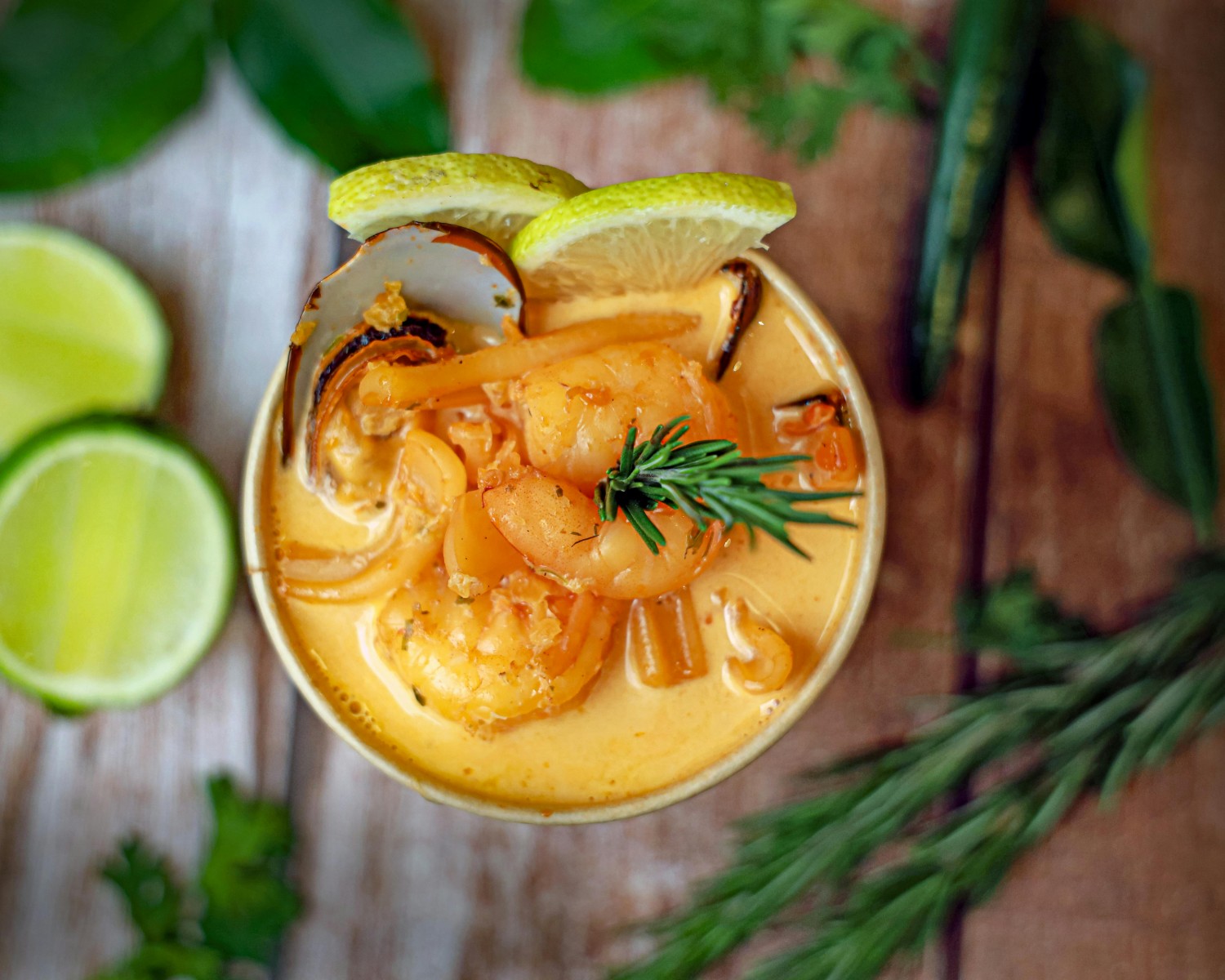
Lohikeitto (Salmon Soup)
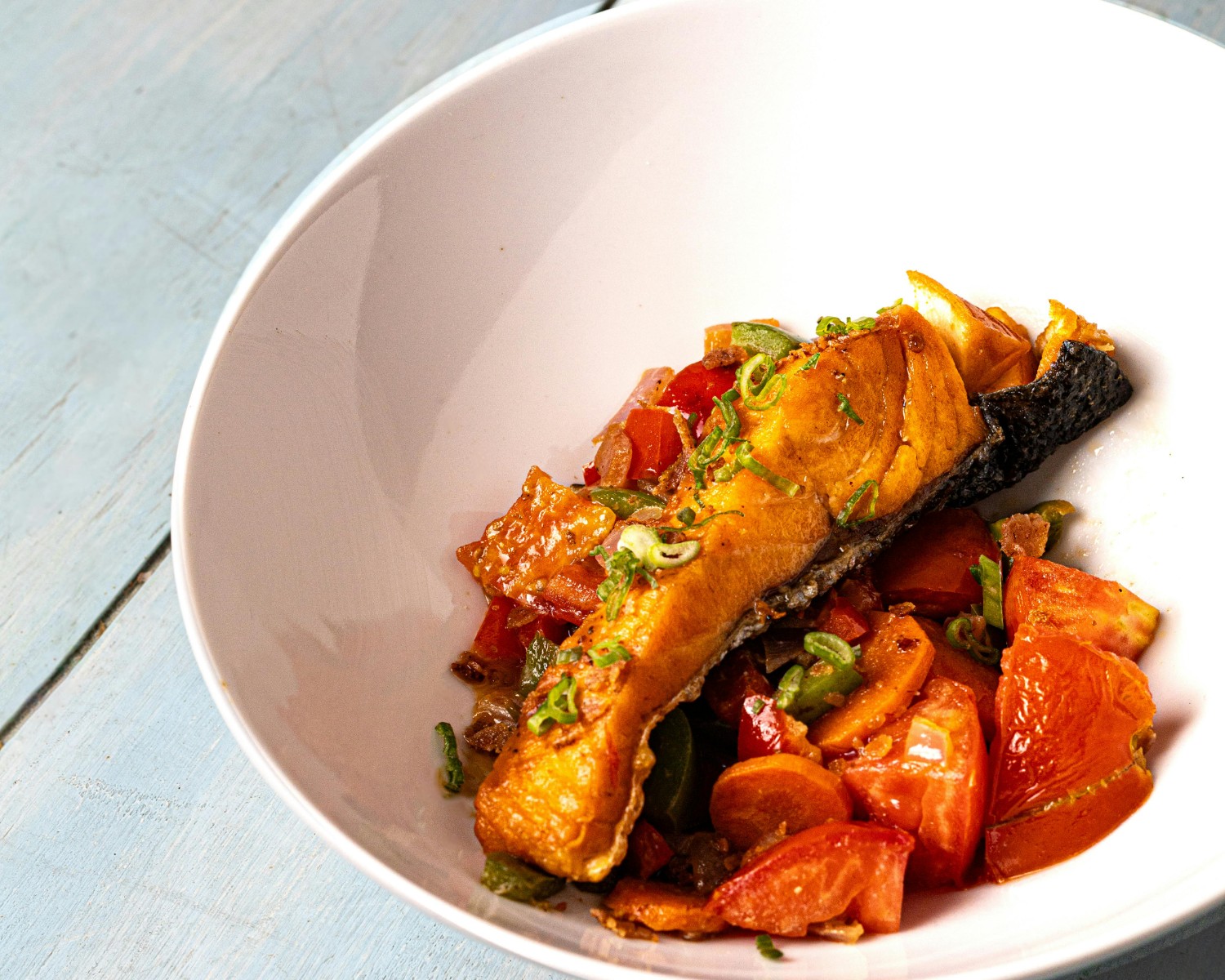
Gravlax (Cold-Cured Salmon)
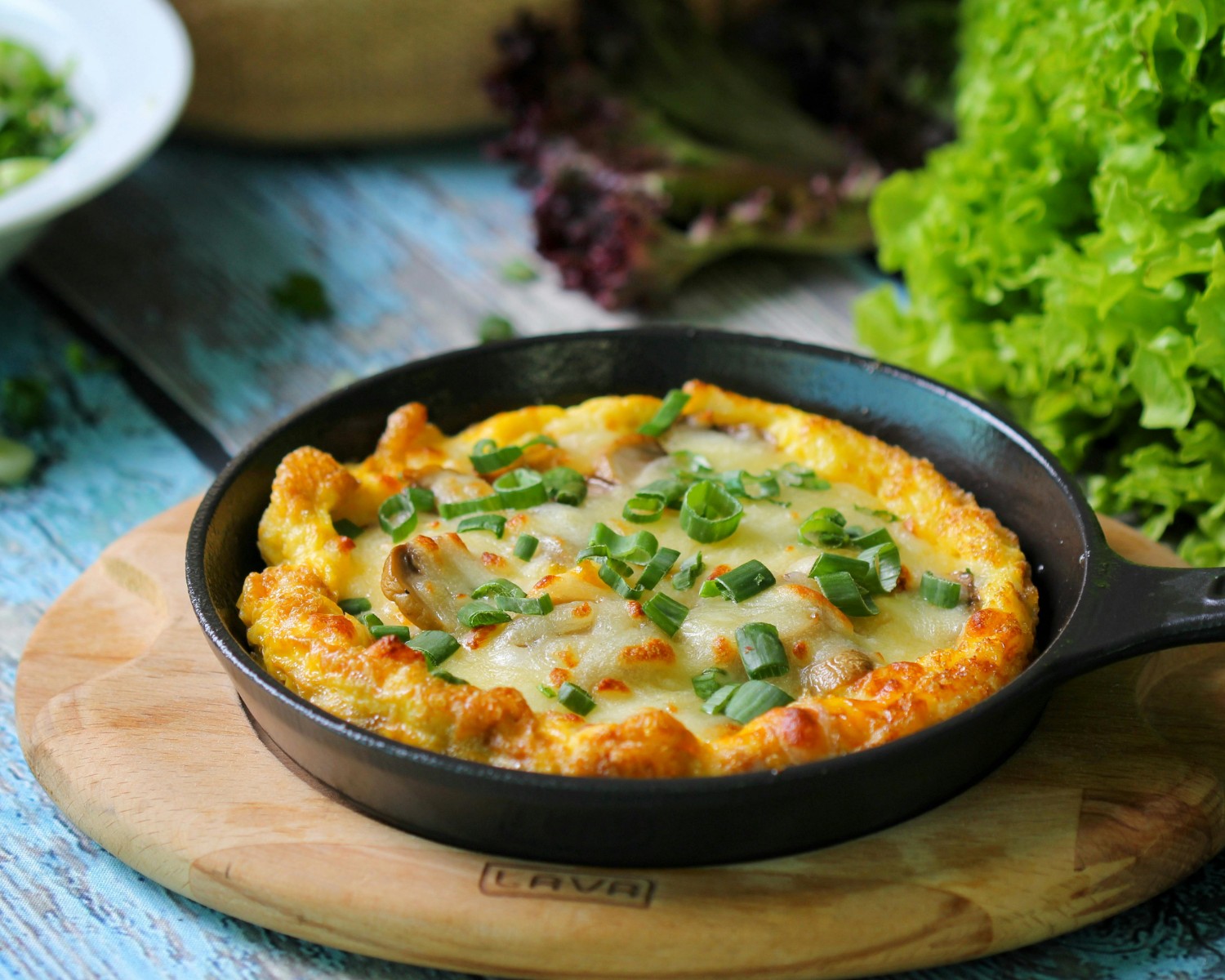
Kaalilaatikko (Cabbage Casserole)
Karjalanpiirakka (Karelian Pasties)
Leipäjuusto (Bread Cheese)
Mustamakkara (Black Sausage)
Dining Etiquette
- • Meal times: Breakfast 7-9 AM, Lunch 11:30 AM-1 PM (main meal), Dinner 6-7 PM
- • Restaurants open 11 AM-10 PM; many closed Mondays/Sundays
- • Service charge included; tipping €1-2 optional for exceptional service
- • Finns appreciate quality food and honest preparation—discuss dishes openly
- • Vegetarian/vegan options increasingly available, especially in Helsinki
- • Reservations recommended for dinner in popular restaurants
- • Alcohol widely available; beer and wine culture prevalent
- • Coffee and tea offered after meals; cake/pastries common in cafes
Signature Drinks
Shop & Bring Home
Finland's shopping scene showcases world-renowned Nordic design: Marimekko textiles, Iittala glassware, Moomin collectibles. Design District in Helsinki is the epicenter of minimalist aesthetics. Markets offer fresh produce, local berries, and authentic crafts. Shopping reflects Finnish values: quality over quantity, sustainability, timeless design.
Finnish Design & Fashion
€25-300+
- Marimekko Textiles & Accessories
- Iittala Glassware & Tableware
- Arabia Ceramics
- Finnish Fashion Designers
- Modern Scandinavian Home Goods
Design District (Helsinki) is world-class. Quality justifies premium pricing.
Food & Beverages
€5-50
- Arctic Berries (Cloudberry, Lingonberry)
- Reindeer Products
- Finnish Bread & Pastries
- Sauna Sausages
- Coffee & Tea
- Liquorice & Chocolate
Market squares and supermarkets offer authentic, quality products.
Sauna & Wellness
€10-100
- Birch Whisks (Vihta)
- Sauna Thermometers
- Finnish Skincare (Lumene, Korres)
- Wellness Products
- Traditional Sauna Accessories
Sauna culture souvenirs reflect deep Finnish traditions.
Moomin & Pop Culture
€5-100+
- Moomin Figurines & Collectibles
- Moomin Home Goods
- Finnish Comics
- Character Merchandise
- Limited Edition Items
Moomin Shops ubiquitous; wider selection in Helsinki. Official merchandise guaranteed authentic.
Traditional Crafts
€20-500+
- Reindeer Leather Goods
- Sami Traditional Clothing
- Wooden Crafts
- Jewelry (Kalevala)
- Traditional Textiles
Authentic items especially from Lapland. Verify authenticity of Sami items.