Dubai
factsheet
Futuristic skylines, desert adventures, luxury shopping, and family fun in the heart of the UAE.
Complete Dubai factsheet Indians: 14-day visa-free entry, AED 1=₹23, Oct-Apr winter season, 3.2M Indian visitors 2024, Burj Khalifa, desert adventures.
The Essentials
Best Time
Nov - Mar
Currency
AED (Dirham)
Climate
Hot Desert
Time Zone
UTC+4
Language
Arabic (English widely spoken)
Visa
E‑Visa / Visa-on-Arrival (for many Indians)
Emirate
Dubai, UAE
Population
3.7M (Emirate)
Calling Code
+971
Power Plug
Type G (230V)
Tipping
10% appreciated (service often included)
Emergency
999 (Police), 998 (Ambulance)
History & Heritage
Dubai is a premier destination for luxury real estate and international tourism, experiencing a record-breaking surge in 2026. Today, Dubai has transformed into a premier global hub tourism, aviation, and international business. Dubai continues to lead as one of the most visited travel destinations and a primary center for global trade.
Early Trading Port (19th–Early 20th Century)
Dubai grew around Dubai Creek as a regional hub for dhow trade, pearls, and spices connecting India, Persia, and East Africa.
British Protectorate Era (1892–1971)
Treaties with Britain ensured maritime protection while Dubai’s merchants expanded trade and welcomed Indian and Persian communities.
Oil Discovery & Union (1966–1971)
Oil was discovered in the 1960s, funding basic infrastructure. In 1971, Dubai joined six other emirates to form the United Arab Emirates.
Free Zones & Aviation Boom (1980s–2000s)
Jebel Ali Port, free zones, and Emirates airline transformed Dubai into a logistics and aviation super hub linking India with the world.
Tourism & Mega-Projects (2000s–Present)
Landmarks like Burj Khalifa, Palm Jumeirah, and Dubai Mall turned Dubai into a leading global tourism brand with record 18.72M visitors in 2024.[web:716][web:719]
India–Dubai Bridge
India is consistently Dubai’s top tourism source market, contributing about 2.46M visitors in 2023 and over 2.2M in 2024, cementing deep people-to-people ties.[web:713][web:710]
Climate & Weather
Dubai has a hot desert climate with extremely hot summers and warm, dry winters. From November to March, temperatures are much milder, making it ideal for outdoor sightseeing, desert safaris, beach days, and the Dubai Shopping Festival.[web:715][web:718][web:712]
Time Zone
UTC+4 (GST – Gulf Standard Time)
1 hour behind IST (India Standard Time)
Best Months
November to March
Winter (Nov–Mar)
Nov – Mar
17–30°C
Peak travel season with pleasant weather, outdoor events, Dubai Shopping Festival, Global Village, and beach-friendly days.[web:715][web:718][web:712]
Spring Shoulder (Apr–May)
Apr – May
25–38°C
Hot but manageable with indoor attractions and evening activities. Lower hotel prices than peak months.[web:715][web:718]
Summer (Jun–Sep)
Jun – Sep
30–45°C
Extremely hot and humid; ideal only if focusing on malls, theme parks, indoor attractions, and heavy discounts on hotels and flights.[web:715][web:718]
Autumn (Oct)
Oct
25–36°C
Transition month as heat eases; good for evening desert safaris and gradually more outdoor time.[web:715]
Seasonal Packing List
Language Guide
Official Language
Arabic (Modern Standard & Gulf Arabic dialects)
Dubai is a cosmopolitan city where English functions as the main working and tourism language. Arabic is the official language, but you will also hear Hindi, Urdu, Malayalam, Tamil, Tagalog, and many others thanks to the large expatriate community, especially from India.[web:709][web:713]
Local Signage
Useful Phrases
Hello
ass-sa-LAAM-oo ah-LAY-koom / mar-HA-bah
As-salamu alaykum / Marhaba
Thank you
SHOOK-ran
Shukran
Goodbye
MA-a ass-sa-LA-ma
Ma’a as-salama
Yes / No
NA-am / LA
Na’am / La
Please
min FAD-lak / min FAD-lik
Min fadlak (m) / Min fadlik (f)
Excuse me
AF-wan
Afwan
How much?
bi-KAM
Bikam?
Where is...?
AY-na
Ayna...?
Also Commonly Spoken
English
Primary language for tourism, hotels, restaurants, malls, and signage. Most staff speak functional English.
Hindi & Urdu
Widely spoken among workers and in many shops, taxis, and restaurants; helpful for Indian travelers.[web:709]
South Indian Languages
Malayalam, Tamil, Telugu, Kannada frequently heard due to large Indian diaspora.
Arabic
Valued for greetings and courtesy; using simple Arabic words is appreciated.
Currency & Money
Official Currency
UAE Dirham
AED (AED) — 1 AED = 100 Fils
Banknotes
5, 10, 20, 50, 100, 200, 500, 1,000 AED
Coins
0.25, 0.50, 1 AED (25, 50 Fils & 1 Dirham)
ATMs & Withdrawal
ATMs are abundant in malls, metro stations, and streets. International cards (Visa/Mastercard) work widely. Some Indian banks charge international withdrawal and FX fees—check before travel.
Cards & Digital Payments
Credit/debit cards accepted almost everywhere—malls, restaurants, taxis, attractions. Contactless payments and mobile wallets are common.
Tipping Culture
Service charge is often included in bills. Extra 5–10% tip for good service, AED 5–10 for hotel staff, and small rounding up for taxis are appreciated but not mandatory.
Daily Budget Estimates
Budget Traveler
AED 200–300
Mid-Range Traveler
AED 350–600
Luxury Traveler
AED 900+
Visa & Entry
Choose your channel: airline (Emirates, Air India, IndiGo), hotel partner, or authorized visa agent.
Provide passport copy (valid at least 6 months), photographs, and basic travel details.
Submit flight and tentative hotel bookings as required.
Pay visa fee online or via agent; keep receipt.
Receive e‑visa by email (PDF). Print a copy and keep a soft copy on phone.
At immigration, present passport, visa, return ticket, and accommodation details if asked.
Registration
Your entry and exit are recorded electronically at immigration.
No routine in‑country registration for typical short‑stay tourists.
Penalty: Overstays incur fines per extra day and may affect future travel.
Visa Extension
Apply several days before visa expiry via authorized channels; rules can change.
Cost: Extension fees vary widely by type (commonly AED 600+).
Requirements
- • Valid Indian passport with at least 6 months validity from date of entry.
- • Recent passport‑size photograph (as per UAE specifications).
- • Confirmed or tentative return/onward flight bookings.
- • Hotel booking or local host details.
- • Proof of sufficient funds (bank statements/credit cards) if requested.
- • Travel insurance is strongly recommended, sometimes required by tour packages.
Getting There & Around
Intercity Travel
Buses to Other Emirates
Frequent buses from Dubai to Abu Dhabi, Sharjah, Ajman, Ras Al Khaimah, etc., operated by RTA and other emirate authorities.
Car Rentals
Popular for road trips to desert dunes, Hatta, and other emirates. International driving permit recommended.
Inter‑Emirate Taxis
Metered taxis available for intercity journeys; costlier but convenient for groups.
Getting Around
Dubai Metro & Tram
Air‑conditioned, punctual, and affordable. Separate women‑and‑children cabins available. Ideal for reaching malls, Marina, Expo area, and many hotels.
Public Buses
Extensive RTA bus network complements Metro; Nol Card required. Air‑conditioned and safe.
Taxis
Metered RTA taxis are plentiful. Use Careem/Uber app integration for estimates and bookings.
Walking & E‑scooters
Practical in cooler months along Marina, JBR, and Downtown; avoid long walks in peak summer heat.
Culture & Local Life
Modern Arab Metropolis with Deep Traditions
Dubai is a cosmopolitan, largely expatriate city built on Emirati heritage and Islamic values. Glitzy malls, beach clubs, and skyscrapers coexist with traditional souks, mosques, and conservative social norms. Indian culture is deeply visible in food, festivals, and the workforce.[web:709][web:713]
Majlis & Arabic Coffee
Traditional gatherings (majlis) offer Arabic coffee (gahwa) and dates to guests first—a sign of hospitality and respect.
Souk Culture
Gold, spice, and textile souks along Dubai Creek keep the trading spirit alive; bargaining remains part of the experience.
Weekend Rhythm
Weekend falls on Friday–Sunday (revised), with Friday prayers central to social and religious life.
Multicultural Harmony
With expatriates forming the majority, Dubai celebrates Diwali, Christmas, Eid, and other festivals across communities.
Gifting Etiquette
Gifts from travelers are welcome but avoid alcohol or pork products unless sure of recipient’s preferences. Wrap gifts nicely and present with the right hand.
Business Etiquette
Punctuality is valued; however, meetings may begin with small talk and tea or coffee. Exchanging business cards is common; English is widely used.
Dining Etiquette
Use the right hand for eating when sharing dishes. Wait for the host to invite you to start. During Ramadan, evening iftars are significant communal meals.
Food & Drink
Dubai’s food scene spans Emirati heritage dishes, Levantine grills, Indian comfort food, Asian favorites, and global fine dining. From budget cafeterias to celebrity-chef restaurants, Indian travelers find both familiar tastes and new culinary adventures.
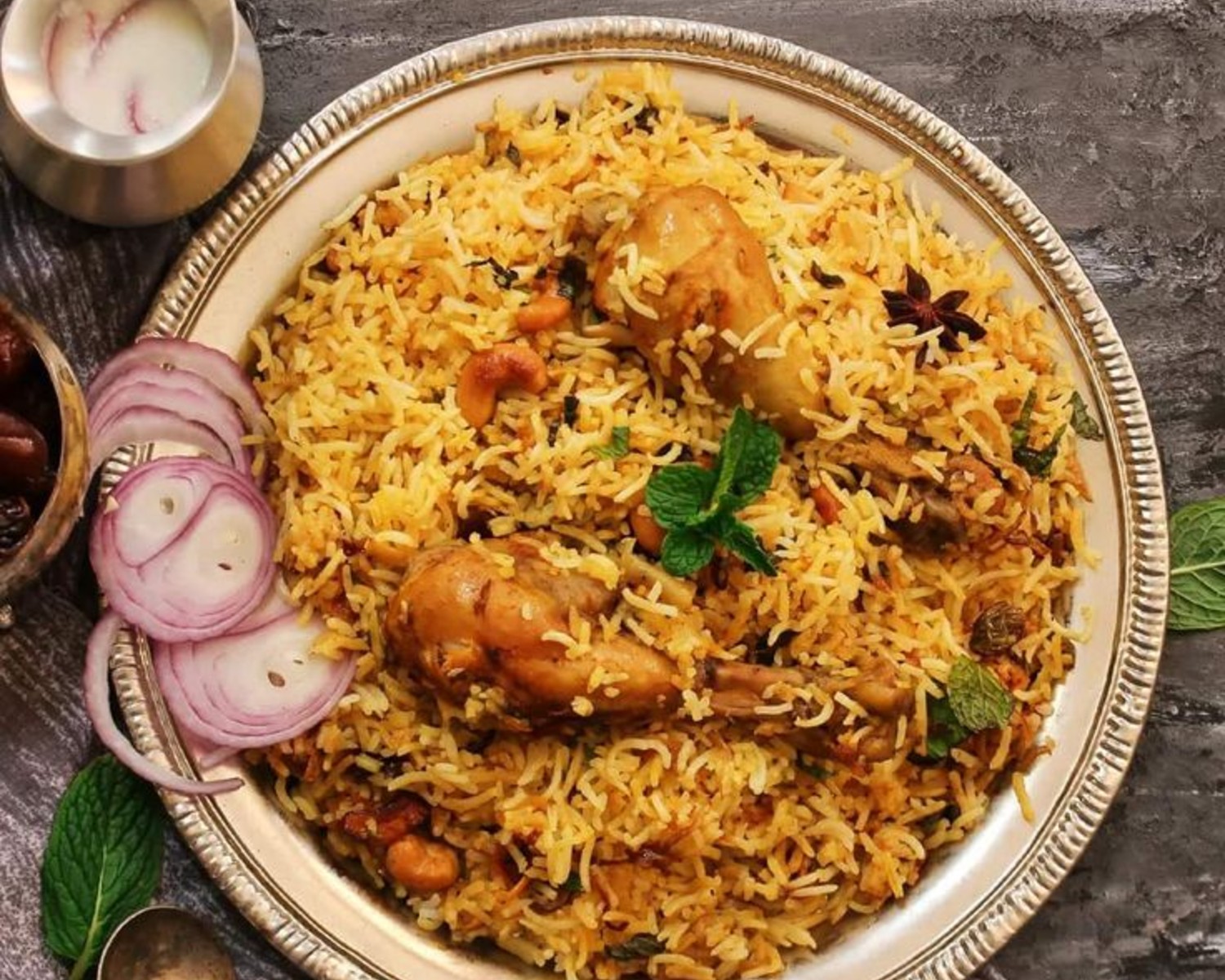
Al Machboos
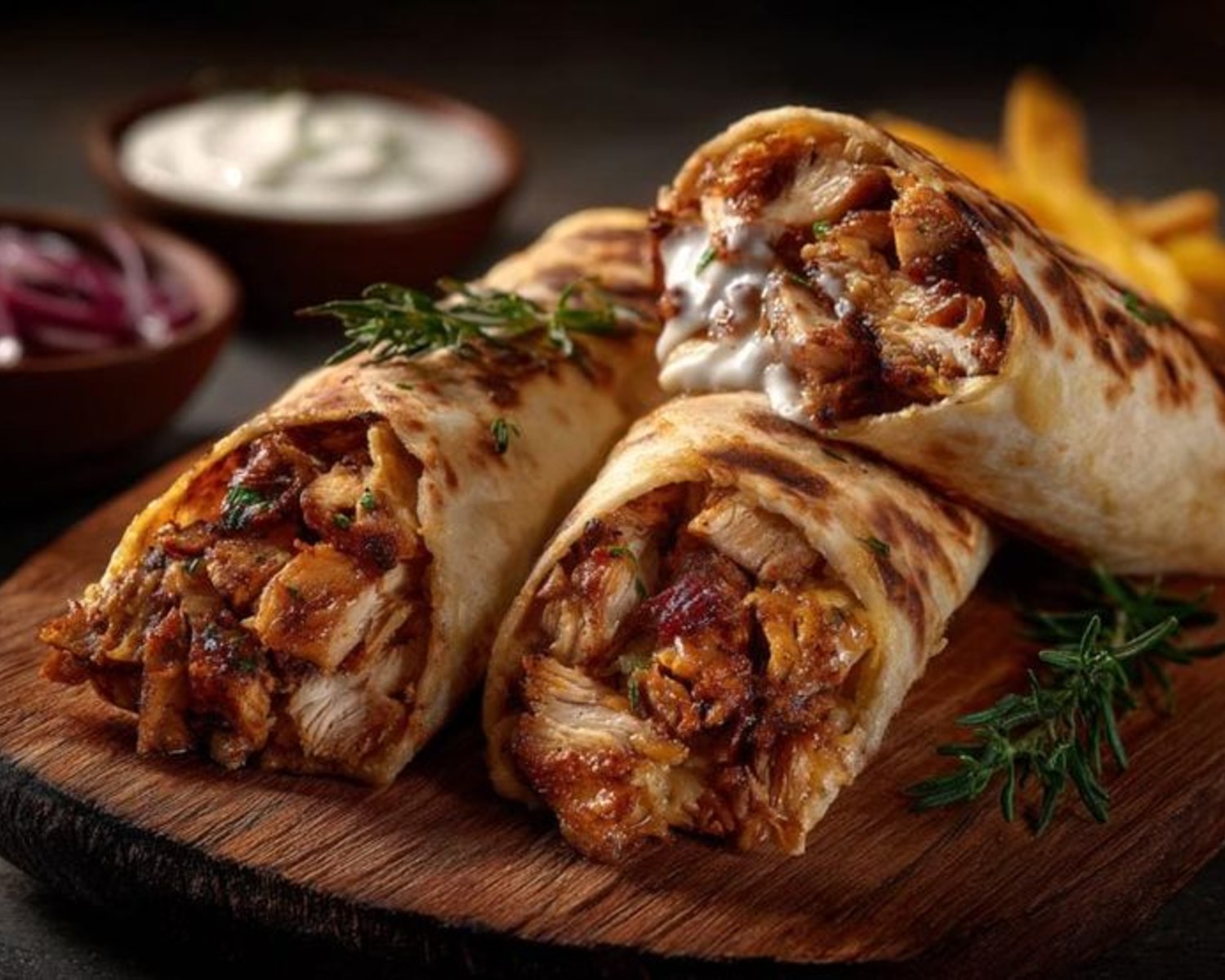
Shawarma
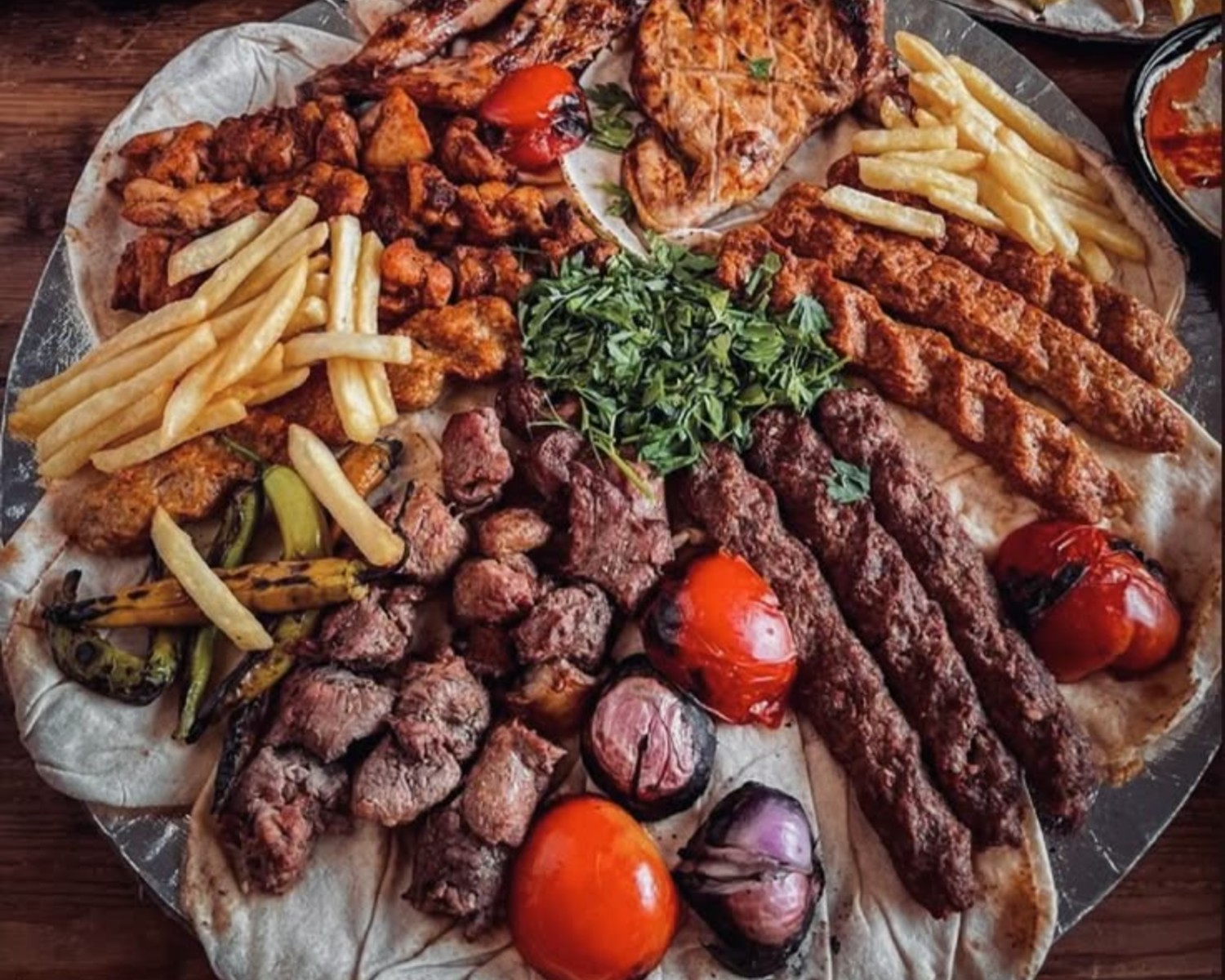
Mixed Grill & Kebabs
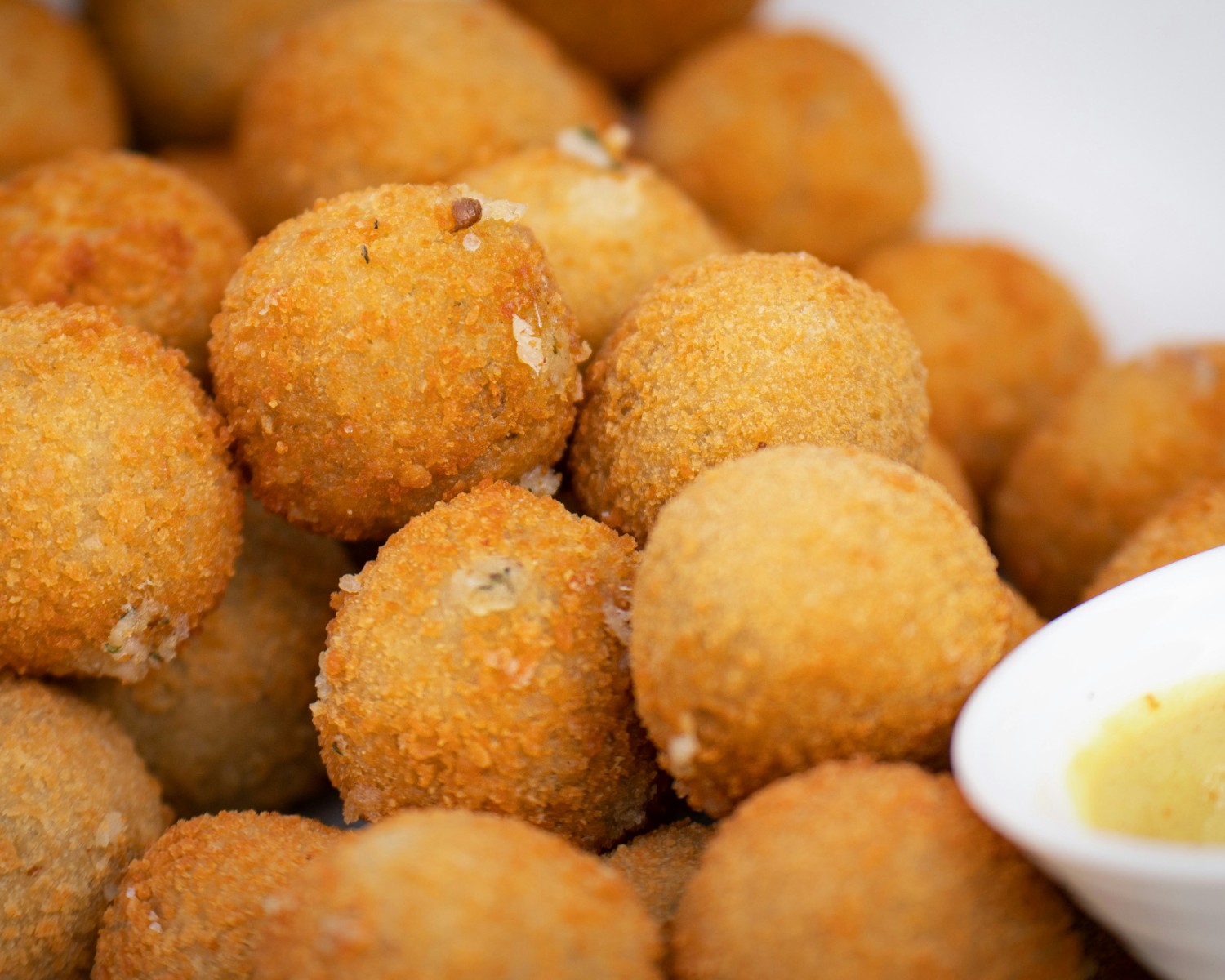
Luqaimat
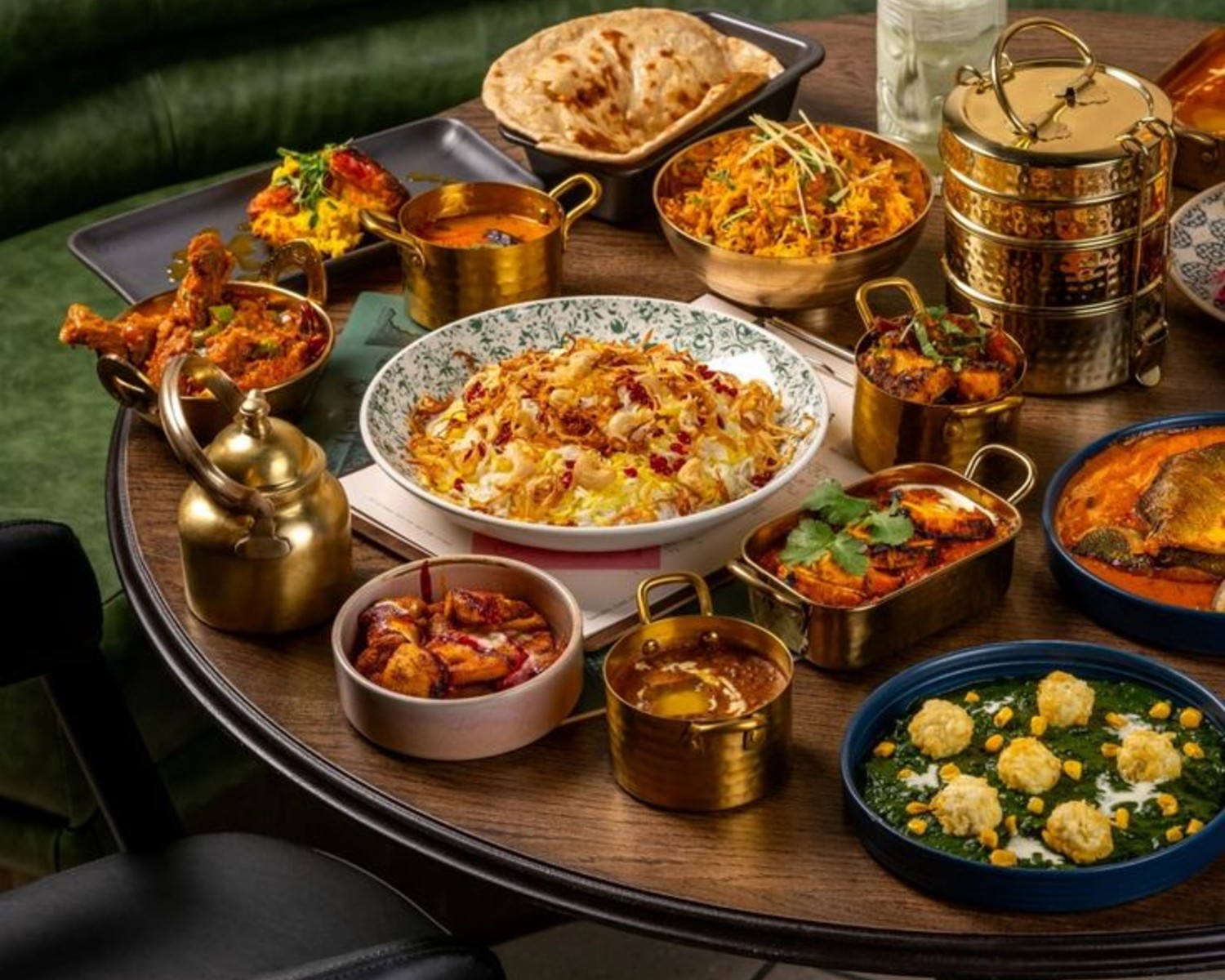
Global Indian Cuisine
Dining Etiquette
- • Many restaurants add a service charge; extra tips are your choice but 5–10% is appreciated.
- • Alcohol is available only in licensed hotels, bars, and some restaurants; drinking in public spaces is forbidden.
- • Reservations are recommended for popular brunches, sky‑view restaurants, and weekend dinners.
- • Halal food is widely available; Indian vegetarian options are easy to find in most areas.
- • Eating with the right hand when sharing mezze and traditional platters is preferred.
Signature Drinks
Shop & Bring Home
Dubai is one of the world’s top shopping destinations, combining traditional markets with some of the largest and most luxurious malls on earth. From gold and spices to designer fashion and gadgets, Indian travelers come prepared with extra luggage.
Gold & Jewellery
From AED 100s to high‑end luxury
- 22K & 24K gold jewellery
- Diamond & gemstone sets
- Designer bridal pieces
Gold prices are linked to global rates; making charges vary—compare before buying.
Perfumes & Oudh
AED 30–500+
- Arabic perfumes
- Oudh oils
- Incense (bukhoor)
Look for reputable brands and stores in malls or historic souks.
Spices & Dates
AED 10–150
- Saffron
- Mixed spices
- Premium dates & chocolates
Spice Souk and supermarkets offer wide variety; always check packaging and expiry.
Fashion & Luxury
From mid‑range to ultra‑luxury
- Designer labels
- Mall fashion brands
- Sneakers & accessories
Dubai Shopping Festival (Dec–Jan) offers heavy discounts and raffles.[web:715][web:718]