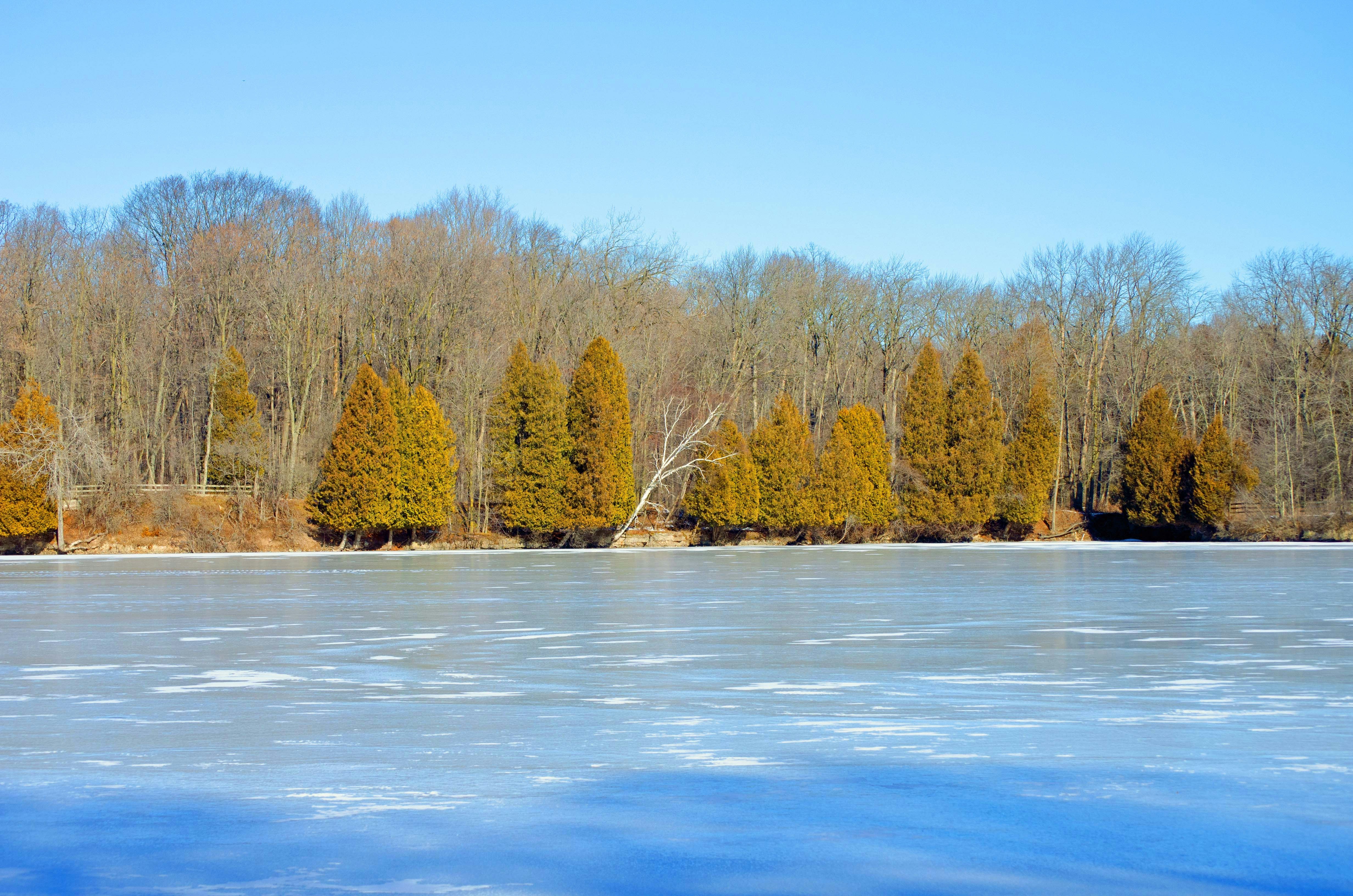
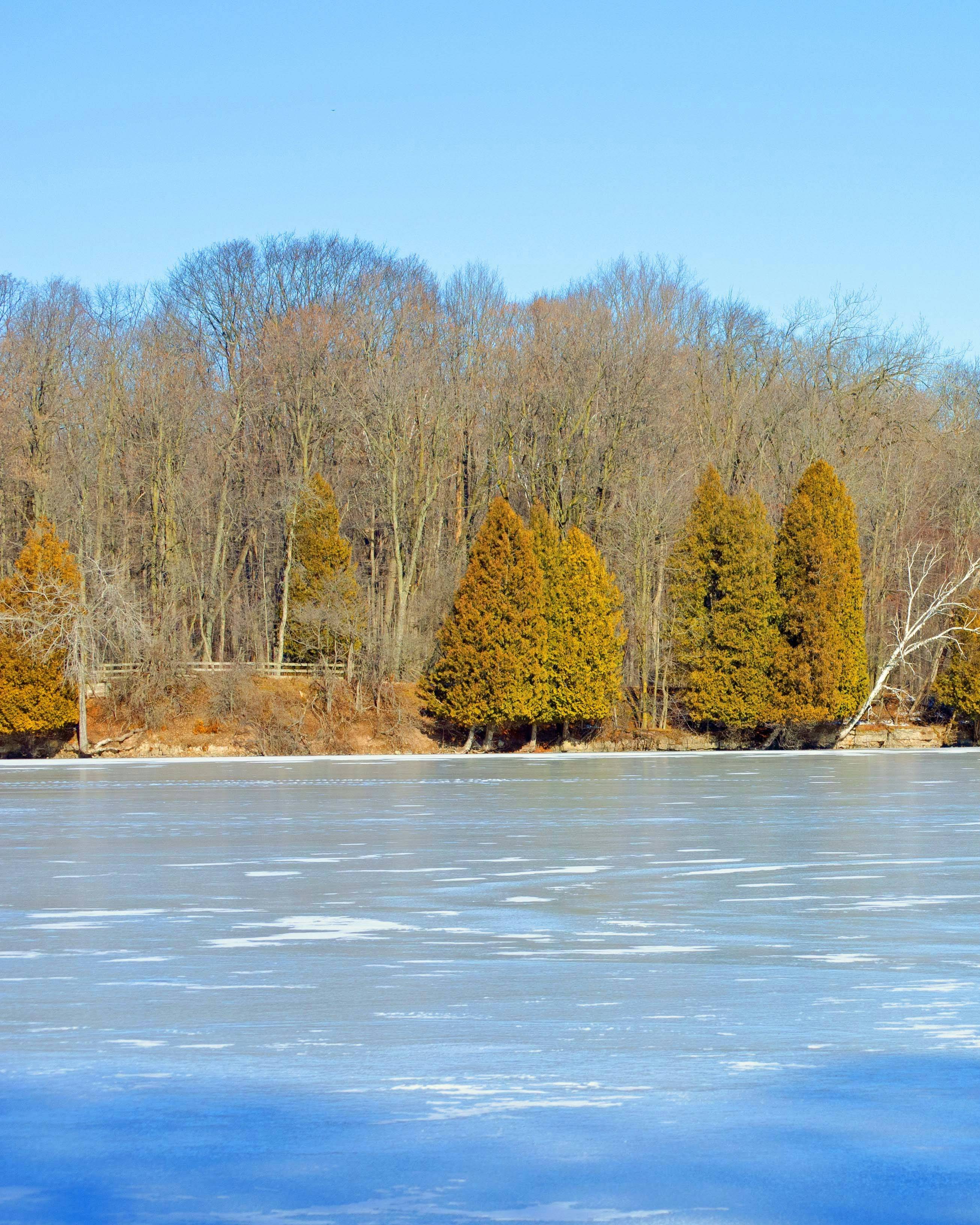
Belgium
factsheet
Medieval majesty meets modern Europe in a land of chocolate, beer, and timeless architecture.
Explore Belgium with Bayard Vacations. Learn about Schengen visa basics, seasonal weather, best times to visit, and recommended trip durations for your tour.
The Essentials
Best Time
May - Sep
Currency
EUR (€)
Climate
Temperate
Time Zone
UTC+1/+2
Language
Dutch/French/German
Visa
Schengen (Type C)
Capital
Brussels
Population
11.6M
Calling Code
+32
Power Plug
Type C & E (230V)
Tipping
10% service charge included (optional rounding)
Emergency
112
History & Heritage
The history of Belgium dates back to the era of the ancient Celts and Romans until the medieval period. As one of the regions in Charlemagne’s empire, it grew into a strong trading hub under the reign of Burgundy. Throughout its history, ranging from Spanish domination to Austrian control, French occupancy to Belgian sovereignty in 1830, this tiny country has had an immense influence on European history. Belgium represents the promise of peaceful continental unity and remains a top European travel destination.
Roman Era (57 BC - 5th Century AD)
Caesar conquers the Belgae (Celtic tribes) in 57-51 BC. Under Pax Romana, the region becomes prosperous with trade routes and urban development. The Salian Franks gradually occupy northern territories, beginning the cultural transformation of the Low Countries.
Frankish & Charlemagne Period (5th - 9th Century)
After Roman withdrawal, Frankish tribes establish kingdoms. Charlemagne (768-814) creates a vast empire encompassing most of Belgium, crowned as Emperor of the West by Pope Leo III in 800. His reign fosters commerce and arts, with organized trade flourishing along Belgium's rivers.
Medieval Fragmentation (9th - 12th Century)
Following Charlemagne's death, Belgium is divided among heirs under the Treaty of Verdun (843). The region fragments into duchies of Brabant, Luxembourg, and the bishopric of Liège. Cities like Ghent, Bruges, and Ypres rise to power through wool industries and international trade.
Burgundian Golden Age (15th - 16th Century)
Through political marriages, all of present-day Belgium passes to the powerful Dukes of Burgundy. Brussels becomes the capital of the Low Countries. This era witnesses unprecedented political prestige and artistic splendor—the 'Great Dukes of the West' make Belgium a European cultural powerhouse.
Foreign Rule Era (16th - 18th Century)
After Mary of Burgundy's death (1482), Belgium enters centuries of foreign domination: Spanish rule, Austrian control, and French occupation. Each power leaves its mark on Belgian culture, architecture, and society, creating a unique blend of influences.
Modern Independence (1830 - Present)
On August 25, 1830, Belgium declares independence from the Dutch Kingdom. The nation evolves into a constitutional monarchy and becomes a haven for democracy and prosperity. Post-World War II, Belgium joins NATO and the European Union, establishing Brussels as the capital of United Europe.
Climate & Weather
Belgium experiences a moderate oceanic climate with gentle winters, cool summers, and rainfall distributed throughout the year. Atlantic weather systems bring mild conditions and frequent cloud cover. The country receives little snow except in the Ardennes region.
Time Zone
CET (UTC+1) / CEST (UTC+2 in summer)
4 hours 30 minutes behind IST (India Standard Time)
Best Months
May, June, September & October
Spring (Lente)
Mar – May
8–18°C
Bluebells bloom in Hallerbos forests. Easter celebrations and spring markets. Moderate rainfall. Perfect for walking tours. Peak season begins mid-May.
Summer (Zomer)
Jun – Aug
15–22°C
Warmest season, though still mild. Major festivals (Tomorrowland, Gentse Feesten). Longer daylight hours until 9 PM. Best for outdoor exploration and canal tours.
Autumn (Herfst)
Sep – Oct
15–20°C
Golden foliage in parks and forests. Crisp, clear weather. Fewer tourists. Perfect for sightseeing. Belgian Beer Weekend in autumn. Harvest season.
Winter (Winter)
Nov – Feb
0–8°C
Christmas markets (Brussels, Bruges). Festive decorations. Cold but rarely harsh. Occasional snow in Ardennes. Budget-friendly hotels. Cozy café culture.
Seasonal Packing List
Language Guide
Official Language
Dutch (Flanders), French (Wallonia), German (East Belgium)
Belgium has three official languages reflecting its position at the junction between Germanic and Romance Europe. Dutch is spoken by ~59% (Flanders), French by ~40% (Wallonia), and German by ~1% (Eastern cantons). Brussels is officially bilingual (Dutch and French) but predominantly French-speaking. English proficiency is high among younger generations (80%+ under 30) and in tourism sector.
Local Signage
Useful Phrases
Hello
HAH-lo / bon-ZHUR
Hallo / Bonjour
Thank you
DAHNK oo / mer-SEE
Dank u / Merci
Goodbye
tot ZHEENS / oh ruh-VWAHR
Tot ziens / Au revoir
Yes / No
yah / nay / wee / non
Ja / Nee / Oui / Non
Please
AHL-stoo-BLEEFT / see voo PLEH
Alstublieft / S'il vous plaît
Excuse me
par-DON / ex-koo-zay-MWAH
Pardon / Excusez-moi
How much?
hoo-FAYL koast dit? / kom-bee-YAN sah KOOT?
Hoeveel kost dit? / Combien ça coûte?
Where is...?
VAHR is? / oo eh?
Waar is...? / Où est...?
Also Commonly Spoken
English
Widely spoken in Brussels, hotels, restaurants, and tourist areas. Strong proficiency among those under 30. Growing in business sector.
French
Dominant in Wallonia and Brussels. Essential for southern Belgium travel. Many signs bilingual in Brussels.
Dutch (Flemish)
Primary in northern Flanders. Shares similarities with German and Afrikaans. Essential in Bruges, Ghent, Antwerp.
German
Official in Eastern Cantons (Eupen-Malmedy region). Spoken by ~76,000 Belgian residents. Not widely needed for tourists.
Currency & Money
Official Currency
Euro
€ (EUR) — €1 = 100 Cents
Banknotes
5, 10, 20, 50, 100, 200 EUR
Coins
1, 2, 5, 10, 20, 50 cents; 1, 2 EUR
ATMs & Withdrawal
Widely available throughout Belgium, especially in cities. Most accept international cards (Visa/Mastercard). Minimal fees (typically 1-2%). Convenient in rural areas too.
Credit & Debit Cards
Accepted everywhere in Belgium: hotels, restaurants, shops, public transport. Contactless payments very common. PIN often required for security. Tipping by card increasingly accepted.
Cash
Still useful for small purchases, street food, markets, and tips. Many establishments (especially restaurants) prefer card payment but small family shops appreciate cash.
Daily Budget Estimates
Budget Traveler
€50-70 (~₹5,250-7,350)
Mid-Range Traveler
€80-130 (~₹8,400-13,650)
Luxury Traveler
€180+ (~₹18,900+)
Visa & Entry
Check India-Belgium visa portal or Belgian embassy website for current requirements
Book appointment at Belgian embassy/consulate in your city (online booking mandatory)
Prepare all required documents and financial proofs
Attend in-person appointment to provide biometrics (fingerprints, photo)
Submit application with all supporting documents
Pay visa fee (€75 or equivalent in INR)
Receive decision within 15-60 business days; visa collected at embassy
Present visa at airport immigration upon arrival in Belgium
Registration
Hotel registration automatic; private accommodation requires self-registration at local commune office.
Stays longer than 90 days require residence permit application; short-stay visas exempt.
Penalty: Non-registration can result in fines (€20-100+) or deportation in extreme cases.
Visa Extension
Extension only granted in exceptional circumstances (medical emergency, etc.). Application must be made before visa expiration.
Cost: Fee varies; typically €50-100.
Requirements
- • Valid passport (6+ months validity, 2 blank pages)
- • Visa application form (Schengen form, available on embassy website)
- • Passport-size photo (35x40mm, colored, taken within 6 months)
- • Hotel booking confirmation or letter from host (for all nights)
- • Return airline ticket or proof of onward travel
- • Travel insurance (Schengen-compliant, €30,000+ coverage minimum)
- • Proof of financial means (€45-95 per day; bank statements, credit card, etc.)
- • Employment letter (if employed) or student enrollment proof
- • Birth certificate or family relation document (if visiting family)
- • Police clearance certificate (if requested by embassy)
Getting There & Around
Intercity Travel
Eurostar (High-Speed Trains)
Now unified brand (formerly Thalys). Connects Brussels to Paris (1h 22m), Amsterdam (1h 50m), Cologne (2h 30m). Modern comfort, WiFi. €29-100+ depending on class.
SNCB Regional Trains
Connect Brussels to Bruges (20 min), Ghent (35 min), Antwerp (45 min), Leuven (30 min). Frequent, reliable, affordable. €5-15.
Buses (Flixbus, etc.)
Budget inter-city travel. €10-30 depending on distance. Comfortable coaches. Slower than trains but economical.
Car Rental
International license required. Drive on right. Good roads. €30-60 daily. Petrol widely available.
Culture & Local Life
European Sophistication with Local Warmth
Belgium blends sophisticated European sensibilities with a down-to-earth local culture. Known for directness and pragmatism, Belgians value work-life balance, culinary excellence, and cultural appreciation. The culture is proud of its linguistic heritage, regional identity, and role as Europe's crossroads. Modesty, respect for privacy, and appreciation for quality characterize Belgian society.
Brewery Tours & Beer Culture
Belgian beer is more than a beverage—it's cultural heritage. Over 1,500 varieties exist, many with Trappist monastery origins. Visiting breweries (Stella Artois, Maredsous) is a cherished tradition.
Chocolate Craftsmanship
Belgian chocolate-making is an art form dating to the 17th century. Artisanal chocolatiers create handmade pralines. Visiting a chocolaterie is a ritual, not a casual purchase.
Waffle Passion
Belgian waffles come in two styles: Liège (dense, sweet, with pearl sugar) and Brussels (light, crispy, topped with fruit/cream). Waffle stands are cultural institutions in every town.
Fries as Institution
Belgian fries ('friet' or 'frites') are thicker-cut than French fries and served in paper cones with mayo or specialty sauces. A beloved street food eaten with pride and tradition.
Carnival Celebrations
Towns like Binche celebrate Mardi Gras with historic Carnival traditions, colorful parades, and the famous 'Gilles' (costumed performers). UNESCO-recognized cultural heritage.
Gifting Etiquette
Wrap gifts beautifully. Odd numbers of flowers are appropriate; even numbers reserved for funerals. Avoid chrysanthemums (death). Gifts opened immediately in front of giver. Small gifts/chocolates appreciated. Don't give extravagant gifts (implies debt).
Business Etiquette
Business cards exchanged formally. Punctuality is essential in professional settings. Formal dress (dark suits) expected. First meetings conducted with formality; relaxed only after relationship established. Hierarchies respected.
Dining Etiquette
Wait to be seated. Finish food on plate (waste is frowned upon). Use fork in left hand, knife in right. Chew with mouth closed. Keep elbows off table except between courses. Praise the meal's quality. Knife and fork placed at 5:25 position when finished.
Food & Drink
Belgian cuisine blends French refinement with Flemish heartiness, producing globally-renowned delicacies. From craft beers to artisanal chocolates, from crispy frites to warming stews, Belgium's food culture reflects centuries of tradition and innovation. Meals are social events celebrating quality ingredients, preparation mastery, and regional pride.
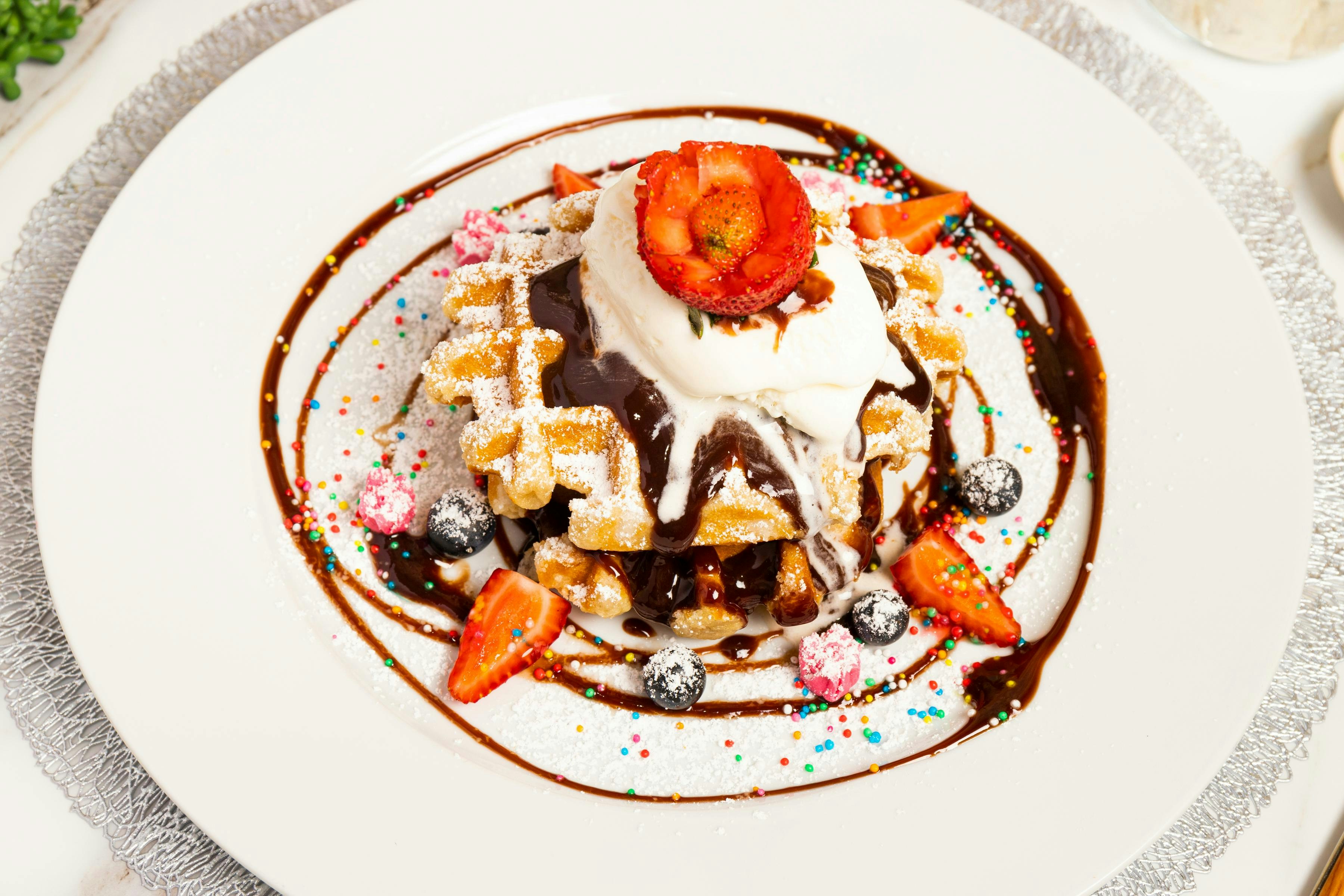
Belgian Waffles
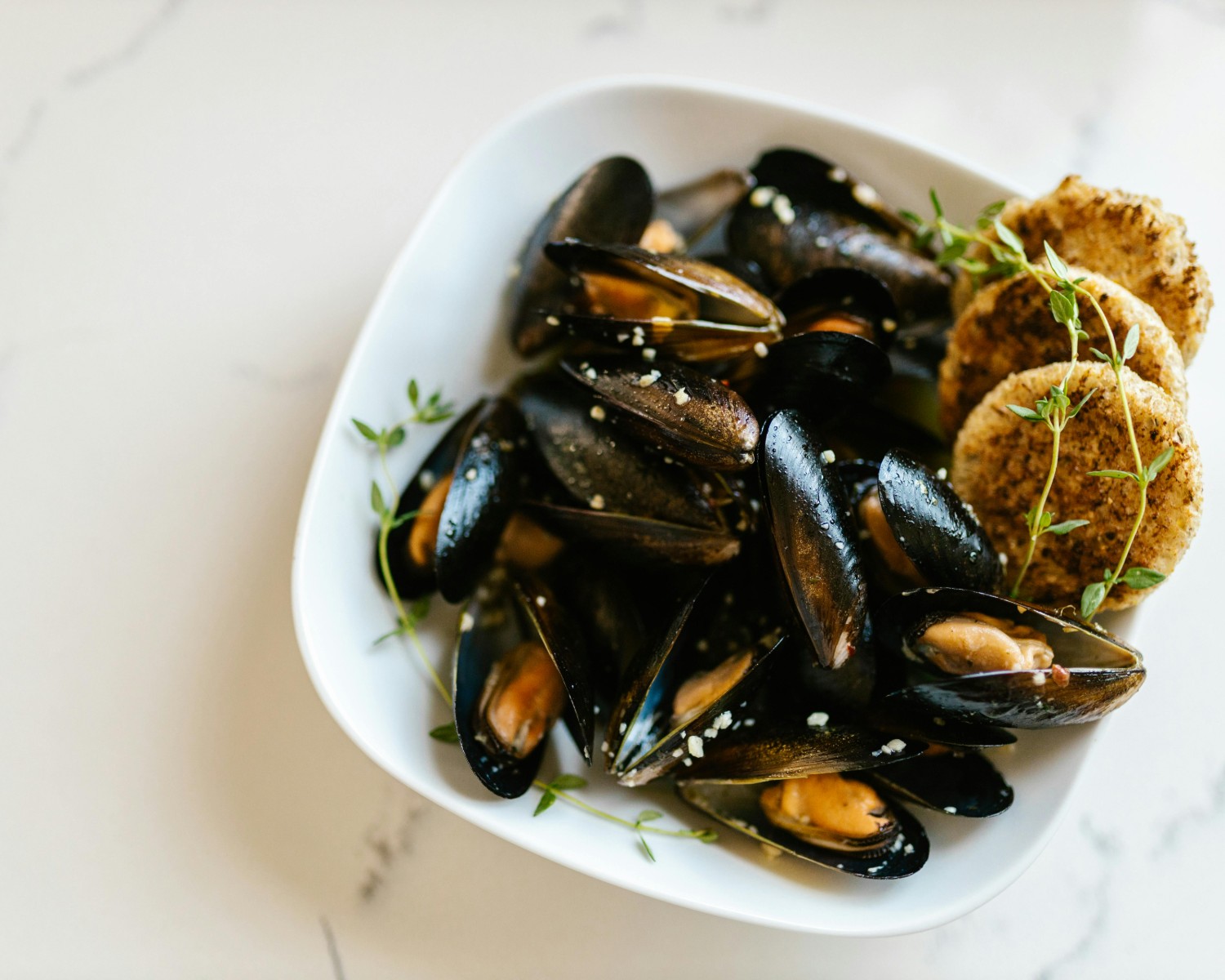
Moules-Frites (Mussels with Fries)
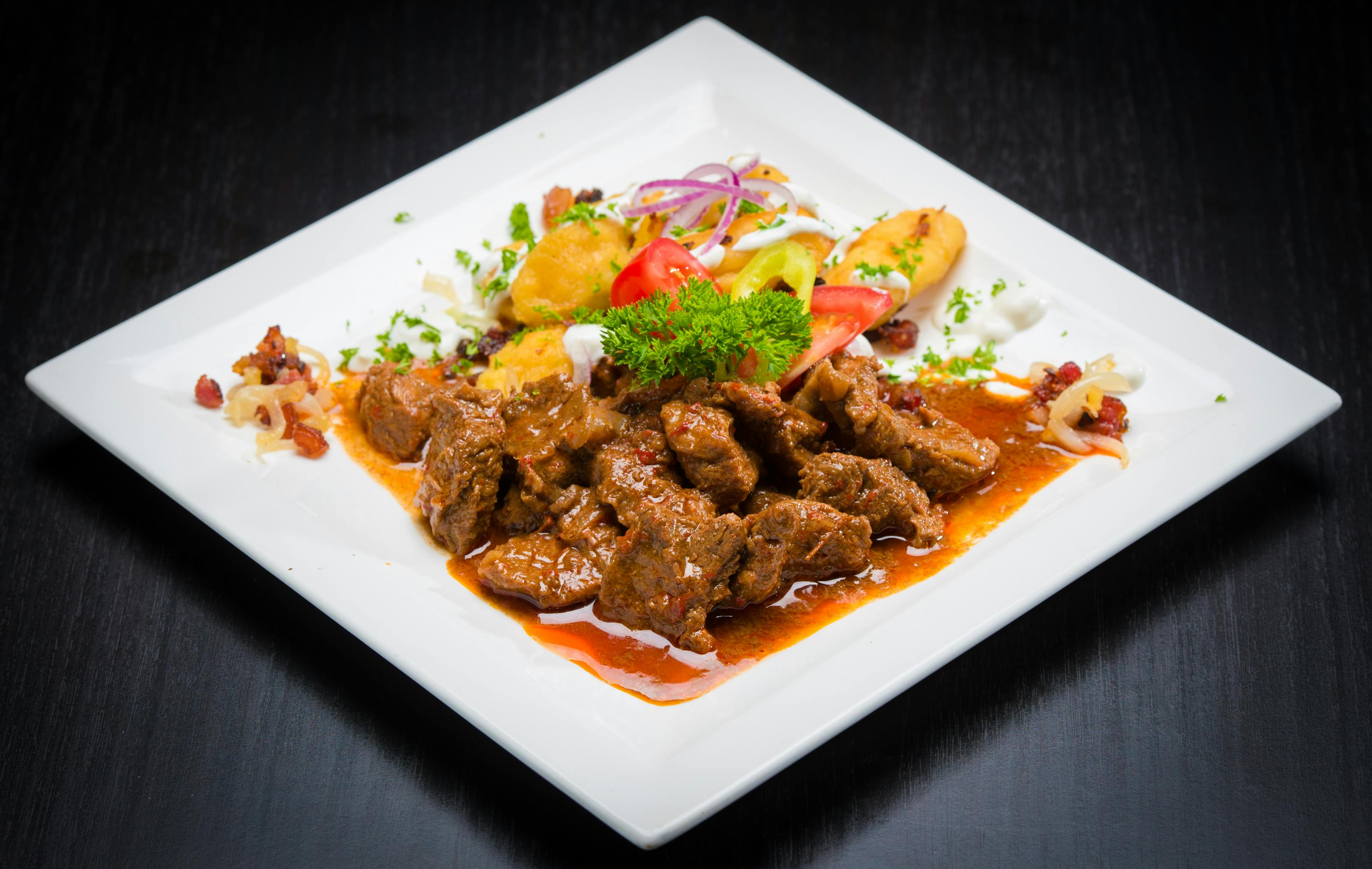
Stoofvlees (Flemish Beef Stew)
Belgian Fries (Frites)
Speculoos (Spiced Biscuits)
Belgian Chocolate
Waterzooi
Dining Etiquette
- • Meal times: Breakfast 7-10 AM, Lunch 12-2 PM, Dinner 7-10 PM
- • Most restaurants open 11:30 AM and close 10-11 PM; many closed Mondays
- • Tipping: 10% service charge usually included; additional small tip (€2-5) appreciated but not obligatory
- • Vegetarian options increasingly available in cities; less common in rural areas
- • Reservations recommended for dinner in popular restaurants
- • Belgians take food seriously—discuss meals and cuisines openly
- • Regional specialties vary: Walloon dishes differ from Flemish cuisine
- • Alcohol widely available in restaurants; Belgium has no strict drunk-driving laws for over-21s
Signature Drinks
Shop & Bring Home
Belgium offers iconic souvenirs reflecting centuries of craftsmanship: Belgian chocolate from artisanal chocolatiers, authentic Bruges lace, handcrafted beer, and unique comic memorabilia (Tintin, The Smurfs). Modern malls blend international brands with local designers. Markets offer fresh produce, flowers, and regional specialties.
Chocolate & Pralines
€3-25
- Artisanal Pralines (handmade)
- Truffles
- Chocolate Bonbons
- Speculoos Cookies
- Chocolate Spread (Nutella-style)
Buy from chocolatiers like Neuhaus, not tourist traps. Quality varies dramatically.
Beer & Spirits
€2-20
- Trappist Ales (11%+ ABV)
- Abbey Beers
- Lambics (fruit beers)
- Saison Dupont
- Jenever (local spirit)
Over 1,500 Belgian beer varieties. Specialty shops offer tasting packs ideal for gifts.
Lace & Textiles
€5-100+
- Hand-woven Bruges Lace
- Embroidered Linens
- Tablecloths
- Handkerchiefs
- Doilies
Bruges specializes in authentic lace. Mass-produced imitations available everywhere.
Comics & Collectibles
€5-50
- Tintin Comic Books
- The Smurfs Figurines
- Lucky Luke Comics
- Original Artwork
- T-shirts with Belgian characters
Belgium's comic heritage is world-renowned. Dedicated shops in Brussels and Bruges.
Local Crafts & Souvenirs
€3-30
- Delftware (pottery)
- Manneken Pis replicas
- Waffles irons
- Mustard (Tierenteyn-Verlent)
- Speculoos molds
Authentic artisanal pieces vs. tourist trinkets. Ask shop owners for origin.