Bali
factsheet
The Island of Gods: Where ancient temples meet pristine beaches, lush rice terraces, and legendary hospitality.
Complete Bali travel factsheet: VOA visa Indians, IDR currency, Apr-Oct dry season, 87% Hindu culture, temples, rice terraces, beaches for Indian travelers.
The Essentials
Best Time
Apr - Oct
Currency
IDR (Rp)
Climate
Tropical
Time Zone
UTC+8
Language
Indonesian, Balinese
Visa
VOA (Visa on Arrival)
Capital
Denpasar
Population
4.3M
Calling Code
+62 361
Power Plug
Type C & I (220V)
Tipping
10-15% optional (already included in bills)
Emergency
112
History & Heritage
Bali, known as the 'Island of Gods,' is a place where spirituality, art, and culture intertwine seamlessly. From ancient Hindu kingdoms to Dutch colonial rule, and finally independence as part of modern Indonesia, Bali has preserved its unique identity while embracing the world, making it a centerpiece for any well planned Bali travel itinerary.
Pre-Hindu Era (500 BC - 100 AD)
Archaeological evidence suggests early human settlements on Bali, with Bronze Age artifacts and Neolithic tools indicating continuous habitation. The island served as a trading post for spice merchants traveling ancient maritime routes.
Hindu-Buddhist Kingdom (100 AD - 1343 AD)
Hindu and Buddhist influences arrived from Java and India. The Majapahit Empire (1293–1527) ruled Bali, bringing Hinduism and establishing the caste system. The island flourished as a cultural and artistic center with the construction of major temples like Besakih.
Islamic Sultanates & Dutch Colonization (1343-1950)
As Islam spread through the archipelago, Bali became a refuge for Hindu culture. The Dutch East India Company (VOC) arrived in the 1600s, gradually colonizing the island. By 1908, Bali came under full Dutch control, bringing modern infrastructure but cultural suppression.
Independence & Cultural Renaissance (1945-1960s)
Bali declared independence with Indonesia in 1945. Post-independence, the island underwent cultural revival, rediscovering and celebrating its Hindu traditions, arts, and spiritual practices. Tourism gradually opened Bali to the world.
Modern Tourism Era (1970s-2000s)
International tourism boom transformed Bali economically. Infrastructure development, hotel construction, and cultural tourism placed Bali on the world map. Despite modernization, the island maintained its spiritual and cultural core.
Contemporary Bali (2000s-Present)
Bali emerged as a leading Southeast Asian destination with 6.3 million annual visitors (2024). The island balanced development with conservation, hosting international events while preserving Hindu traditions through daily temple offerings and spiritual practices.
Climate & Weather
Bali has a tropical climate with two distinct seasons: the dry season (April–October) with clear skies and perfect beach weather, and the wet monsoon season (November–March) with occasional heavy rains but lush greenery and spiritual celebrations.
Time Zone
UTC+8 (Western Indonesia Time / WITA)
3 hours and 30 minutes behind IST (India Standard Time)
Best Months
April, May, June, July, August, September (Dry Season)
Dry Season (Baik)
Apr – Oct
27–32°C
Perfect for beaches, temples, trekking. Clear skies, low humidity, ideal tourism conditions. Peak season.
Wet Season Begins
Oct – Nov
26–30°C
Transitional. Morning sun, afternoon showers. Rice paddies turn emerald. Fewer tourists, budget prices. Balinese festivals.
Peak Wet Season
Dec – Feb
25–28°C
Heavy rainfall (200+ mm/month). Mudslides possible. Beaches littered. But: authentic culture, lowest prices, spiritual ceremonies like Nyepi.
Wet Season Ending
Mar
26–29°C
Rain decreases. Vegetation blooms. Easter holidays bring crowds. Transition to dry season begins.
Seasonal Packing List
Language Guide
Official Language
Indonesian (Bahasa Indonesia) and Balinese (Bahasa Bali)
Indonesian is the national language and lingua franca. Balinese is spoken by locals in daily life but Indonesian dominates education and business. English is widely spoken in tourist areas; minimal in rural villages.
Local Signage
Useful Phrases
Hello
HAH-lo / suh-LAH-maht PAH-gee
Halo / Selamat pagi
Thank you
tuh-REE-mah KAH-see
Terima kasih
Goodbye
SAM-pie JUM-pah
Sampai jumpa
Yes / No
YAH / tee-DAK
Ya / Tidak
Please
see-LAH-kahn
Silakan
Excuse me
MAH-ahf
Maaf
How much?
buh-RAH-pah HAR-gah-nyah
Berapa harganya?
Where is...?
dee MAH-nah
Di mana...?
Also Commonly Spoken
English
Widely spoken in hotels, restaurants, and tourist attractions. Most signs bilingual. Growing among younger generations.
Mandarin
Increasingly common due to Chinese tourists and businesspeople. Some staff in luxury hotels speak basic Mandarin.
Hindi
Minimal presence; limited to Indian community and some hospitality staff. Learning Hindi can surprise locals positively.
Australian English
Common due to large Australian tourist base. Slang and Australian accent prevalent in Bali tourism industry.
Currency & Money
Official Currency
Indonesian Rupiah
Rp (IDR) — Rp 1 = 100 Sen
Banknotes
1,000, 2,000, 5,000, 10,000, 20,000, 50,000, 100,000
Coins
500, 1,000, 5,000, 10,000
ATMs & Cash Withdrawal
ATMs abundant in Denpasar, Seminyak, Ubud, Kuta. Most accept Visa/Mastercard. Withdraw large amounts at once (fees per transaction). BRI, BCA most common. Rural areas lack ATMs.
Credit & Debit Cards
Accepted in hotels, restaurants, malls in tourist areas. Cash essential for warungs (local eateries), temples, markets, and villages. Card payments incur 3% surcharge in some places.
Tipping Culture
Service charge (10%) usually included in restaurant bills. Additional tips appreciated for exceptional service but not mandatory. Rounding up taxi fares customary. No tipping in warungs or street food stalls.
Daily Budget Estimates
Budget Traveler
Rp 200,000-300,000 (~₹1,000-1,500)
Mid-Range Traveler
Rp 500,000-750,000 (~₹2,500-3,750)
Luxury Traveler
Rp 1,500,000+ (~₹7,500+)
Visa & Entry
Option 1 (Recommended): Apply online at imigrasi.go.id before arrival, upload documents, pay fee via card.
Option 2: Arrive at Bali airport, proceed to VOA counter (left side of immigration), fill form, pay cash/card.
Receive passport stamp within 1-2 hours.
Pay tourism levy (IDR 150,000) at separate counter.
Collect passport and proceed to baggage claim.
Registration
Hotels typically handle registration automatically. Bring accommodation proof and passport copy. Fee included in extended visa cost.
Stays exceeding 30 days require registration. Extended visas auto-register. Notify immigration office if staying beyond initial 30 days.
Penalty: Overstaying incurs fines (IDR 500,000-1,000,000) and possible deportation.
Requirements
- • Valid passport (6+ months validity from arrival date).
- • Return/onward flight ticket (can be from Indonesia to another country).
- • Proof of accommodation (hotel booking, Airbnb confirmation, or invitation letter).
- • Passport-size photo (4x6 cm) × 1-2 copies.
- • Completed visa form (TCI form; provided at airport or online).
- • Proof of financial means to cover stay (bank statement showing funds).
- • Travel insurance (optional but recommended).
Getting There & Around
Intercity Travel
Long-Distance Buses
Connections to Jakarta, Surabaya, Lombok. Ubung Bus Terminal main hub. Cheap but slow (6-18 hours). Overnight options available.
Ferries
To Lombok (4 hours), Java (12 hours). Regular schedules. Rp 50,000-150,000. Check schedules in advance; weather-dependent.
Chartered Vehicles
Private driver for day tours or regional trips. Rp 500,000-800,000/day (8 hours). Most convenient for groups.
Speedboats to Gili Islands/Lombok
Fast ferries to island hopping. 1-2 hours. Rp 100,000-150,000. Depart multiple times daily from Sanur/Serangan.
Culture & Local Life
Spiritual Harmony with Balinese Warmth
A deeply spiritual society where Hinduism permeates daily life through temple rituals, family shrines, and offerings. Balinese culture balances modernity with ancient traditions. The concept of 'Tri Hita Karana' (three causes of well-being: harmony with God, humans, and nature) guides social interactions. Hospitality is genuine and heartfelt.
Daily Offerings (Canang Sari)
Every morning, Balinese Hindus create colorful woven palm offerings with flowers, incense, and rice. These are placed at temples, homes, and shops to honor gods and spirits. The practice symbolizes gratitude and spiritual connection.
Nyepi - The Silent Day
Celebrated on Balinese New Year (around March 21), Nyepi is a day of silence, meditation, and fasting. All activities cease; streets are empty. Banians (demons) are believed to visit; silence confuses them into leaving. The day before features Ogoh-Ogoh parades with giant demonic effigies.
Cremation Ceremonies (Ngaben)
Elaborate Hindu cremation rituals honor the deceased's soul's journey. Multi-day celebrations feature ornate towers, gamelan music, and processions. The practice reflects the belief in rebirth and spiritual liberation.
Temple Festivals (Piodalan)
Each temple celebrates its anniversary with unique festivities. Locals in traditional dress, offerings of food, gamelan music, and all-night vigils create vibrant spiritual celebrations. Visitors welcome with respect.
Gifting Etiquette
Avoid gifts in sets of four (associated with death). Wrap gifts beautifully. Red and white (Indonesian flag colors) are positive. Never give knives or clocks. Give with right hand or both hands.
Business Etiquette
Business cards exchanged formally. Meetings begin with handshakes and respect to elders. Titles matter; use them. Punctuality appreciated but flexibility common in Balinese culture.
Dining Etiquette
Wait for elders to eat first. Eat with right hand (left considered unclean). Accept all food graciously. Finish rice but leaving curries is acceptable. Burping is normal, not rude.
Food & Drink
Balinese cuisine is an aromatic journey through complex spice blends, fresh herbs, and time-honored cooking techniques. Distinct from general Indonesian food, Balinese dishes feature generous use of shallots, garlic, chilies, turmeric, and shrimp paste, defining the very essence of authentic Balinese cuisine. Every meal celebrates the island's agricultural abundance.
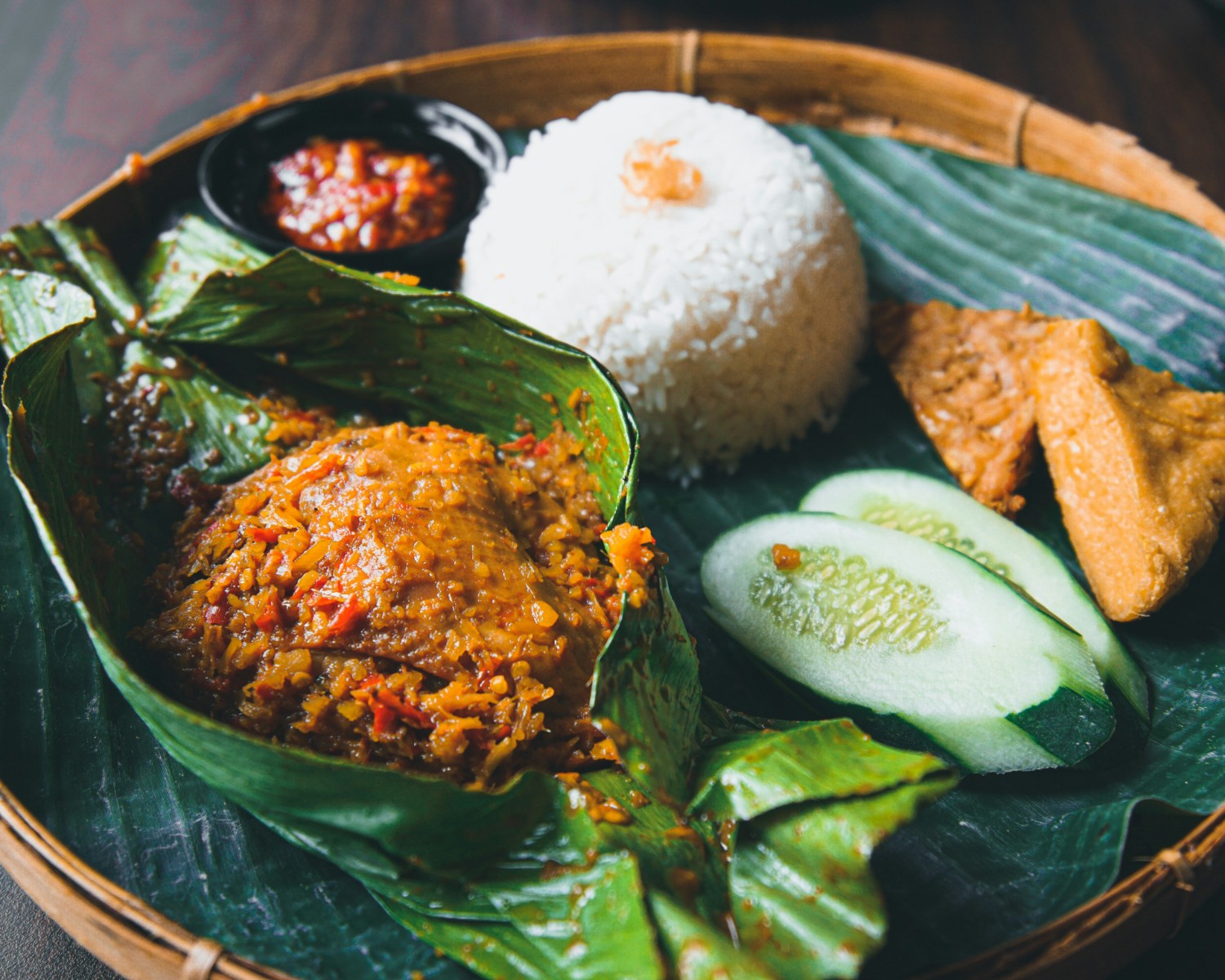
Nasi Campur (Nasi Bali)
Nasi Goreng
Babi Guling
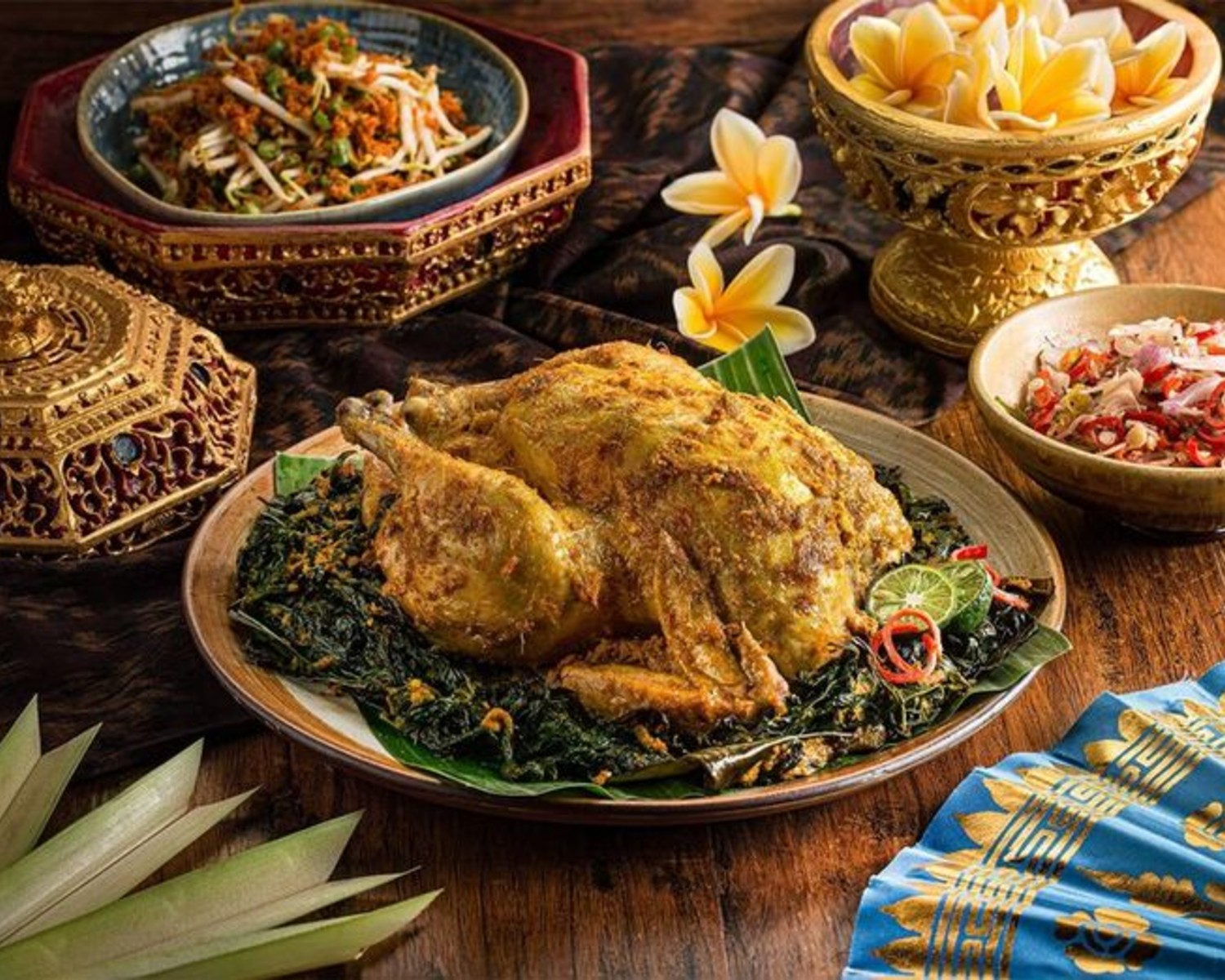
Bebek Betutu
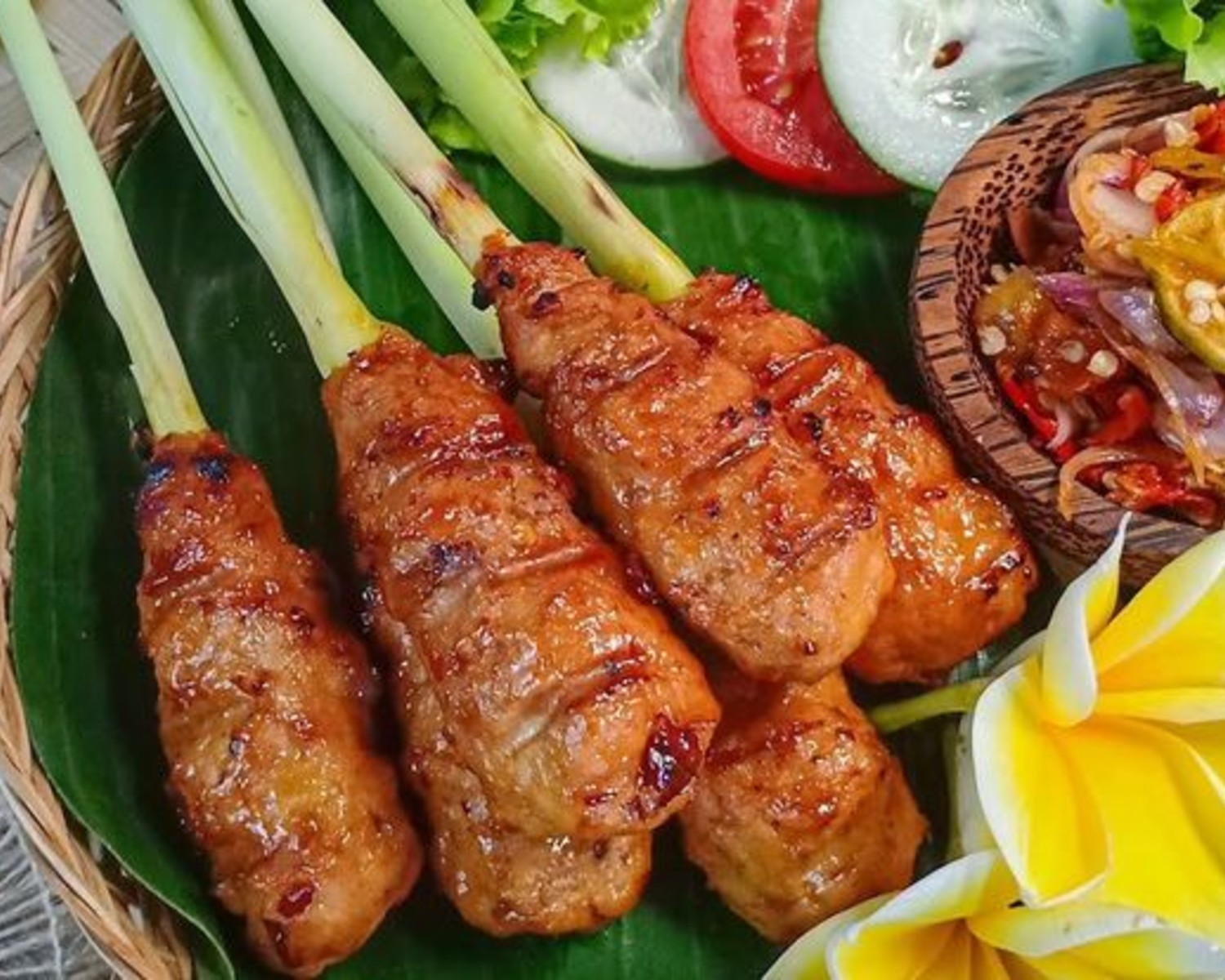
Sate Lilit
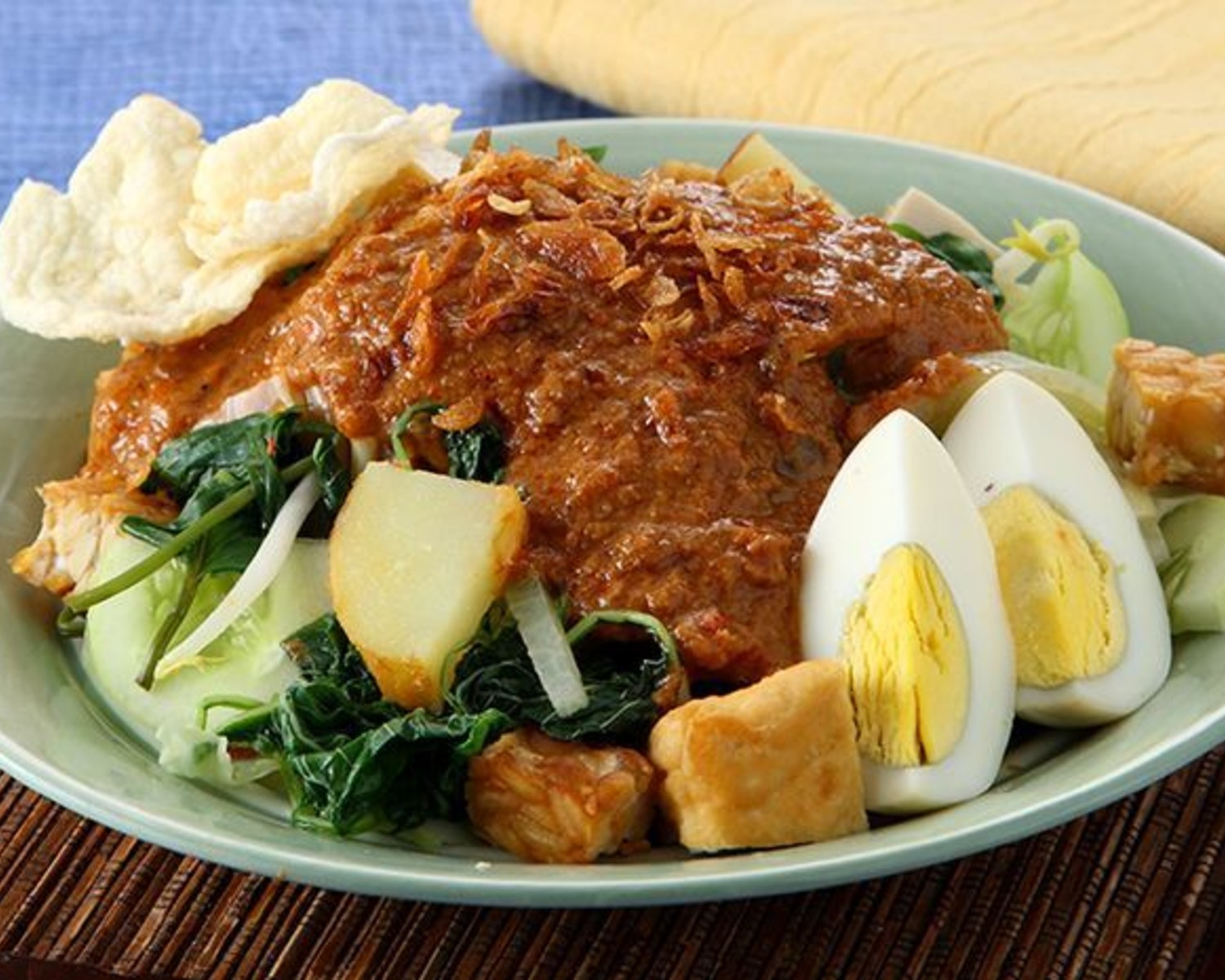
Gado-Gado
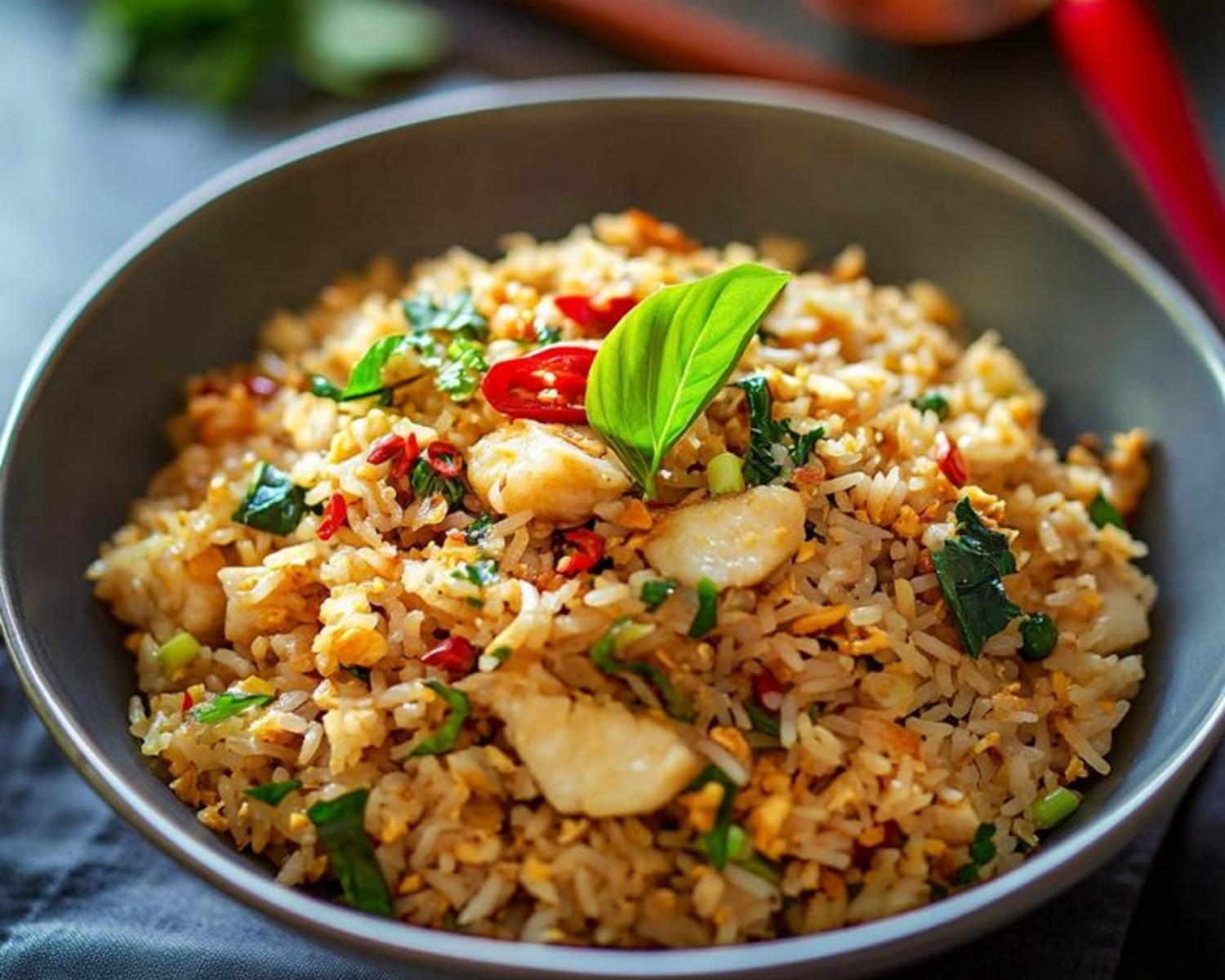
Lawar
Dining Etiquette
- • Meals are communal; sharing dishes is standard practice.
- • Eat with right hand (left considered unclean in traditional settings).
- • Finish rice; wasting staples is disrespectful.
- • Accept all food graciously—refusal offends hosts.
- • Tipping: 10% service charge usually included; rounding up appreciated.
- • Most warungs (local eateries) open 7 AM–10 PM.
- • Restaurants: 10 AM–11 PM. Many closed one day weekly.
- • Spice levels are intense; ask for 'not spicy' (tidak pedas) if needed.
Signature Drinks
Shop & Bring Home
From hand-carved wooden statues to intricate batik textiles, Balinese artisan goods are world-renowned. Markets bustle with colorful offerings; boutique galleries showcase contemporary art. Shopping blends cultural immersion with authentic acquisition.
Art & Handicrafts
Rp 50,000-5,000,000+
- Hand-carved wooden masks (topeng)
- Stone carvings and sculptures
- Paintings (traditional & contemporary)
- Ikat textiles (hand-woven)
Authenticity varies. Buy from artisans or certified galleries.
Textiles & Fashion
Rp 30,000-500,000
- Batik fabrics and clothing
- Sarongs (Balinese & Indonesian)
- Hand-woven scarves
- Embroidered dresses and tops
Ubud Markets have best selection and prices.
Jewelry & Accessories
Rp 20,000-1,000,000
- Silver jewelry (Balinese filigree)
- Beaded necklaces and bracelets
- Wooden jewelry
- Pearl accessories from Bali
Silver jewelry best value. Verify authenticity.
Spices & Local Products
Rp 15,000-100,000
- Balinese coffee (Luwak & regular)
- Spice mixes and sambal
- Coconut products
- Honey and local snacks
Markets offer best prices. Check expiration dates.