Azerbaijan
factsheet
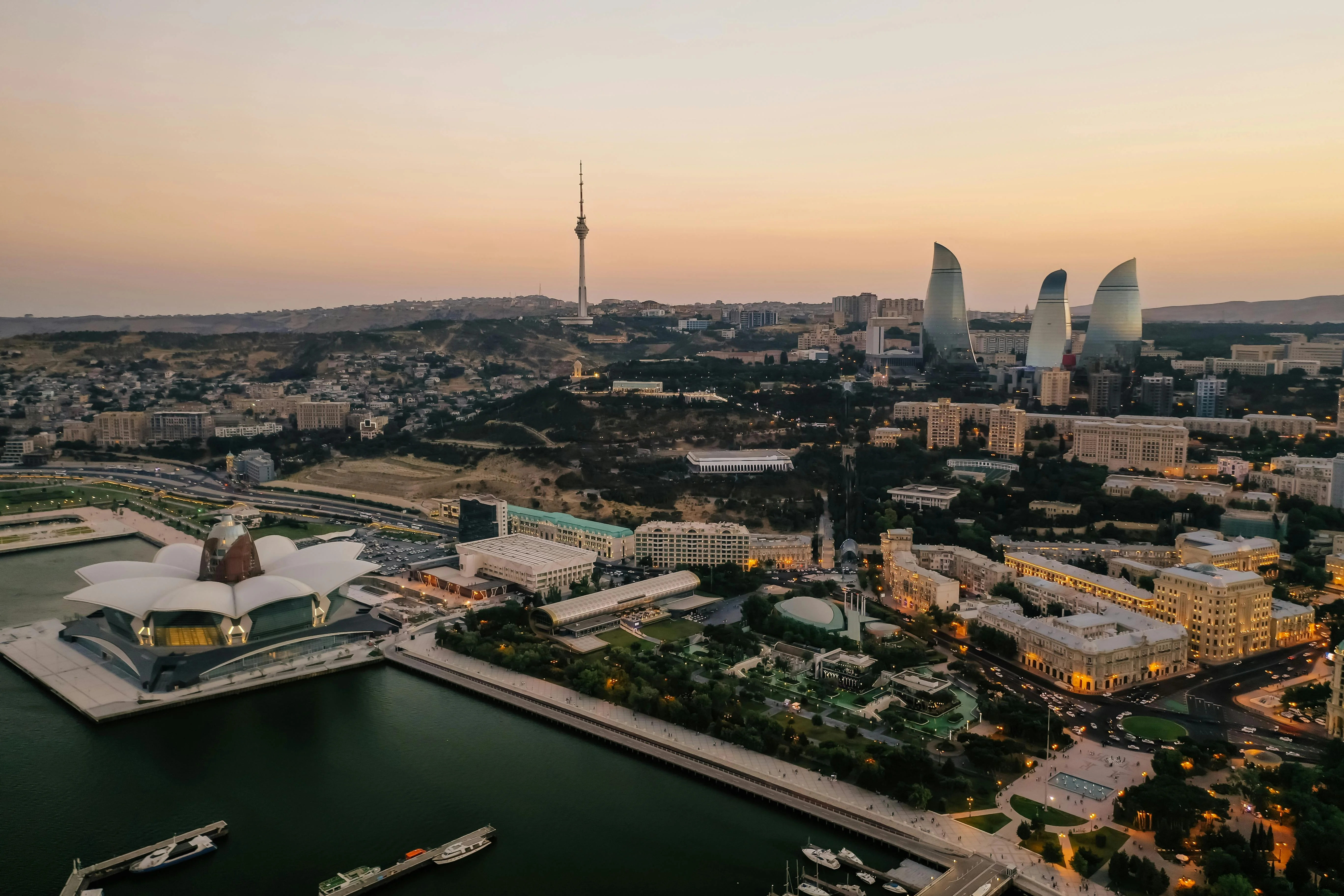
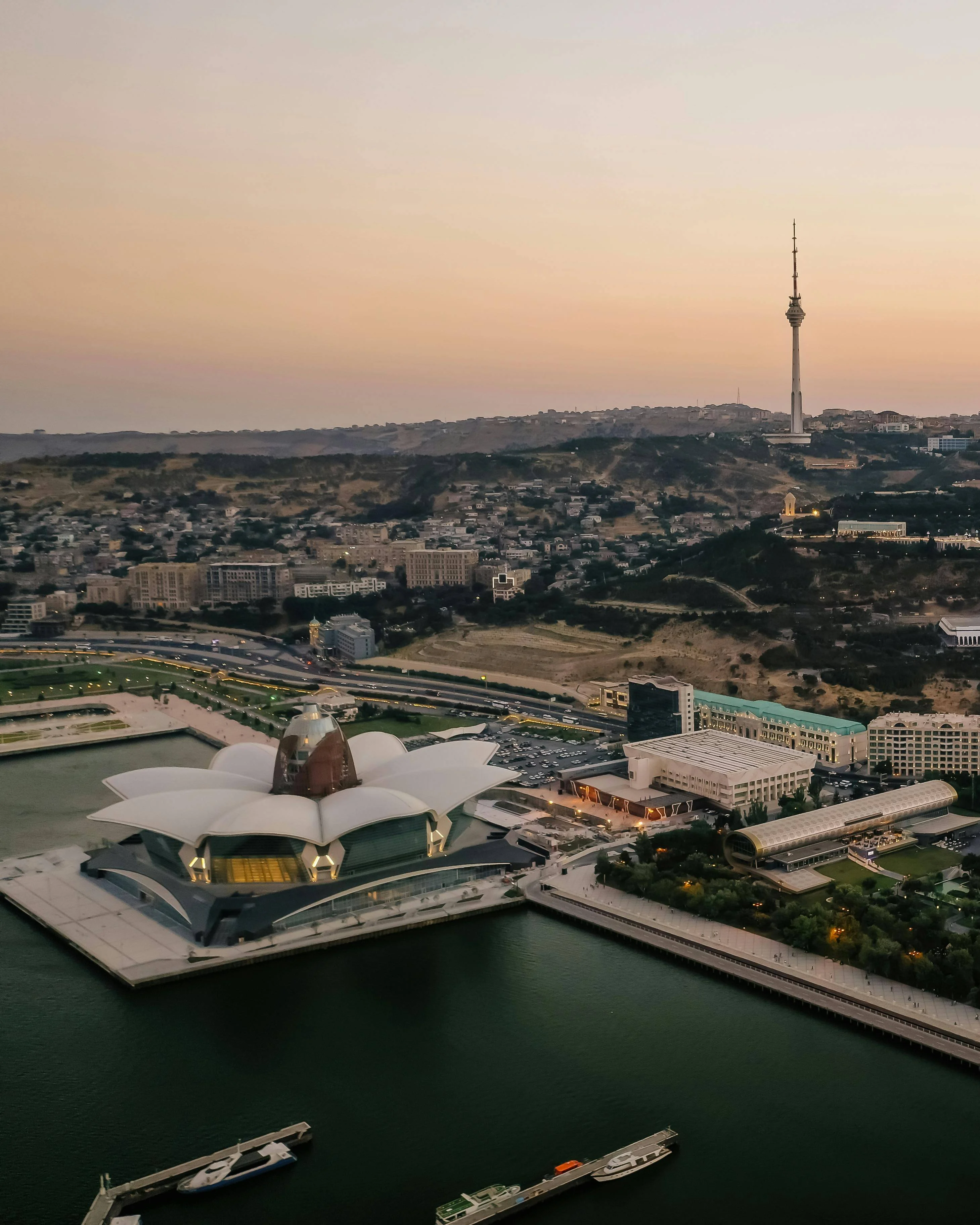
Where East meets West in a blaze of fire, ancient history, and cutting-edge modernity.
Complete Azerbaijan travel factsheet covering climate (9/11 zones), ASAN e-visa, AZN currency, culture, food, transport for Indian travelers.
The Essentials
Best Time
Apr - Oct
Currency
AZN (₼)
Climate
9/11 Zones
Time Zone
UTC+4
Language
Azeri
Visa
ASAN E-Visa
Capital
Baku
Population
10.1M
Calling Code
+994
Power Plug
Type C & F (220V)
Tipping
10% standard (₼2-5 appreciated)
Emergency
112
History & Heritage
Azerbaijan, known as the “Land of Fire” for its ancient fire-worshipping sites and natural gas flames that have burned for millennia, stands proudly at the crossroads of Europe and Asia. From the Sasanian Empire rule in the Caucasus through Ottoman, Russian, and Soviet rule, including the Soviet rule of Azerbaijan, it has evolved into a modern nation while preserving ancient traditions—making it a strong destination for a Azerbaijan travel itinerary 5 days experience.
Stone Age (8th-5th Millennia BC)
Gobustan petroglyphs (6,000+ rock engravings) testify to early human settlement, depicting hunting scenes, farming activities, and the ancient Yalli circle dance—proof of continuous human habitation for 40,000+ years.
Caucasian Albania (4th Century BC)
One of the earliest Christian kingdoms in the Caucasus, Caucasian Albania left architectural marvels like the Kish Church, blending Christian and Zoroastrian influences—a unique religious convergence.
Sasanid & Islamic Era (3rd-7th AD)
Part of the Sasanid Persian Empire, Azerbaijan saw Islam's arrival in the 7th century, transforming the cultural and religious landscape while preserving ancient fire temple traditions.
Safavid Golden Age (1501-1736)
Under the Safavid dynasty, particularly Abbas the Great, Azerbaijan became the cultural jewel of the Islamic world. Baku emerged as a key Silk Road trading hub, flourishing with Sufi poetry, Persian art, and elaborate caravanserais.
Russian & Soviet Era (1813-1991)
Following the Treaties of Gulistan (1813) and Turkmenchay (1828), Azerbaijan fell under Russian control. The 19th-century oil boom transformed Baku into the world's leading petroleum producer, attracting European architects and wealth.
Modern Independence (1991)
On August 30, 1991, Azerbaijan regained independence. In 1918, it was the world's first Muslim-majority parliamentary republic and the first Muslim nation to grant women equal voting rights. Today, Baku seamlessly blends medieval charm with futuristic innovation.
Climate & Weather
Featuring nine of the world's eleven climate zones within its borders, Azerbaijan's weather varies dramatically from subtropical Caspian lowlands to continental mountain peaks. The country experiences transitional springs, warm summers, mild autumns, and cool winters.
Time Zone
UTC+4 (AZT - Azerbaijan Time)
1 hour and 30 minutes behind IST (India Standard Time)
Best Months
April, May, June, September & October
Spring (Bahar)
Mar – May
10–20°C
Novruz celebrations (March 20-26), wildflower blooms, perfect hiking weather. Peak season begins. Rainfall moderate.
Summer (Yay)
Jun – Aug
22–30°C
Caspian beach season, mountain trekking, outdoor festivals in Gabala. Long daylight. Low rainfall, very dry.
Autumn (Payız)
Sep – Oct
15–25°C
Ideal sightseeing. Golden landscapes, grape harvesting, pomegranate season. Clear skies. Fewer tourists.
Winter (Qış)
Nov – Feb
2–8°C
Skiing at Shahdag/Tufandag. Cool weather. Cozy tea culture in cafés. Budget-friendly. Snowy peaks.
Seasonal Packing List
Language Guide
Official Language
Azerbaijani (Azəri)
A Turkic language with 30+ million speakers globally. Turkish is mutually intelligible to 80%. Russian is widely understood by older generations; English is growing fast among youth and in tourism sector.
Local Signage
Useful Phrases
Hello
sah-LAHM
Salam
Thank you
tuh-shuh-KUR eh-dih-RAHM
Təşəkkür edirəm
Goodbye
sah aw-LOON
Sağ olun
Yes / No
HUH / YAWK
Hə / Yox
Please
hah-HEESH eh-dih-RAHM
Xahiş edirəm
Excuse me
bah-HEESH-ly-IN
Bağışlayın
How much?
nuh kuh-DARE-dir
Nə qədərdir?
Where is...?
hah-rah-dah-DEER
...haradadır?
Also Commonly Spoken
Russian
Widely understood in Baku and by older generations; still used in business.
English
Growing fast in hotels, restaurants, tourist sites, and among youth under 30.
Turkish
Linguistically very similar; Turkish media, music, and TV are popular; Turks and Azerbaijanis understand each other.
Hindi/Urdu
Increasing presence in Azerbaijan due to growing Indian diaspora; some hospitality staff speak basic Hindi.
Currency & Money
Official Currency
Azerbaijani Manat
₼ (AZN) — ₼1 = 100 Qəpik
Banknotes
1, 5, 10, 20, 50, 100, 200 AZN
Coins
1, 3, 5, 10, 20, 50 Qəpik
ATMs & Withdrawal
Widely available in Baku and major cities. Most ATMs accept international cards (Visa/Mastercard). Local banks charge minimal fees (typically 1-2%). Withdraw early; rural areas lack ATMs.
Credit & Debit Cards
Accepted in most hotels, restaurants, malls, and tourist sites in Baku. However, cash is essential for bazaars, taxis, smaller shops, and rural areas. Contactless payments growing but not universal.
Tipping Culture
Service charge (10%) is usually included in restaurant bills. Additional tips of ₼2-5 appreciated for exceptional service, tour guides, and housekeeping. Rounding up taxi fares is customary. Not mandatory but welcomed.
Daily Budget Estimates
Budget Traveler
₼40-60 (~$23-35)
Mid-Range Traveler
₼80-120 (~$47-70)
Luxury Traveler
₼200+ (~$117+)
Visa & Entry
Visit official ASAN portal (e-visa.gov.az) or use authorized travel agents.
Fill application form with passport details, travel dates, accommodation info.
Upload scanned documents (passport biodata page, passport-size photo).
Pay processing fee ($26 USD) via credit/debit card online.
Receive E-Visa PDF via email within 3 business days (usually 1-2 days).
Print or save digital copy; present at airport immigration upon arrival.
Registration
Most hotels handle registration automatically upon check-in. Provide copy of hotel booking and passport.
Stays exceeding 15 days require registration with State Migration Service.
Penalty: Failure to register can result in fines (₼50-100) or deportation in extreme cases.
Visa Extension
Submit extension request 5-7 days before expiration. Contact your accommodation or migration office.
Cost: Extension fees vary; typically ₼40-80.
Requirements
- • Valid passport (must be valid for at least 6 months beyond your planned departure date).
- • Passport-size color photo (digital copy, scanned).
- • Hotel booking confirmation or travel itinerary.
- • Return flight ticket.
- • Travel insurance (recommended but not mandatory).
- • Proof of funds sufficient for stay.
Getting There & Around
Intercity Travel
Fast Trains
Modern Stadler trains to Ganja (3h), Sheki (5h), Qabala (6h). Comfortable, reliable. Book in advance. ₼8-25 depending on route.
Minibusses (Marshrutka)
Affordable regional travel from Baku Central Bus Station. Depart when full; less predictable schedules. ₼2-8 per route.
Private Drivers
Best for customized tours and reaching remote villages. Hotels can arrange. ₼40-80 per day depending on destination.
Car Rental
International driver's license required. Drive on right. Petrol widely available. ₼20-40 daily depending on vehicle type.
Getting Around
Metro
3 lines (Red, Green, Blue) covering major areas. Modern, clean, affordable (₼0.50). Runs 6 AM–11 PM.
Buses & Minibuses
Extensive network covering entire city. BakıKart or cash payment. Crowded during rush hours (7-9 AM, 5-7 PM).
Taxis (Bolt/Uber)
Recommended for safety and convenience. ₼3-8 for most city journeys. Non-app taxis cheaper but negotiate fares.
Baku Boulevard
3.4 km seaside promenade. Perfect for walking, cycling, and evening strolls. Car-free zone.
Culture & Local Life
Warm Hospitality with Modern Sensibilities
A modern, secular society deeply rooted in Islamic traditions, Zoroastrian heritage, and 'Novruz' celebrations spanning 4,000+ years. Azerbaijanis treat guests as sacred—a principle embedded in the national DNA. Contemporary society balances ancient customs with cutting-edge innovation.
Tea Culture (Çay Saati)
Served throughout the day in pear-shaped Armudu glasses. Often accompanied by jam (murabbə), nuts, or dried fruits. Lingering over tea while socializing is sacred ritual.
Bread Respect
Bread (lavash or çörek) is sacred. Never place it upside down, throw it away, or step over it. Sharing bread signifies friendship and trust.
Novruz Fire-Jumping
During the four Tuesdays before spring equinox (March 20), families gather to jump over bonfires chanting 'Happiness to me, sadness to you'—symbolizing purification and renewal.
Guest Treatment
The phrase 'Qonaq gələndə, bərəkət gələr' (When a guest arrives, blessing arrives) defines Azerbaijani hospitality. Guests receive the best of everything.
Gifting Etiquette
Avoid giving knives (symbolize cutting friendship), clocks (symbolize death), or handkerchiefs (associated with tears). Wrap gifts beautifully. Odd-numbered bouquets (1, 3, 5) signify joy; even numbers are for funerals.
Business Etiquette
Business cards are exchanged formally. Meetings begin with tea. Punctuality is increasingly valued in modern Baku but rural areas are more relaxed.
Dining Etiquette
Wait for the eldest or most honored guest to start eating. Bread is placed on the table, never on plates. Compliment the cook's skills generously. Finishing all food on your plate shows appreciation.
Food & Drink
Azerbaijani cuisine is a centuries-old ritual combining fresh herbs, succulent meats, aromatic rice, and the legendary Saffron Plov—representing the crossroads of Persian, Turkish, and Caucasian influences. Meals are social events celebrating family, tradition, and hospitality.

Plov (Pilaf)
Dolma
Qutab
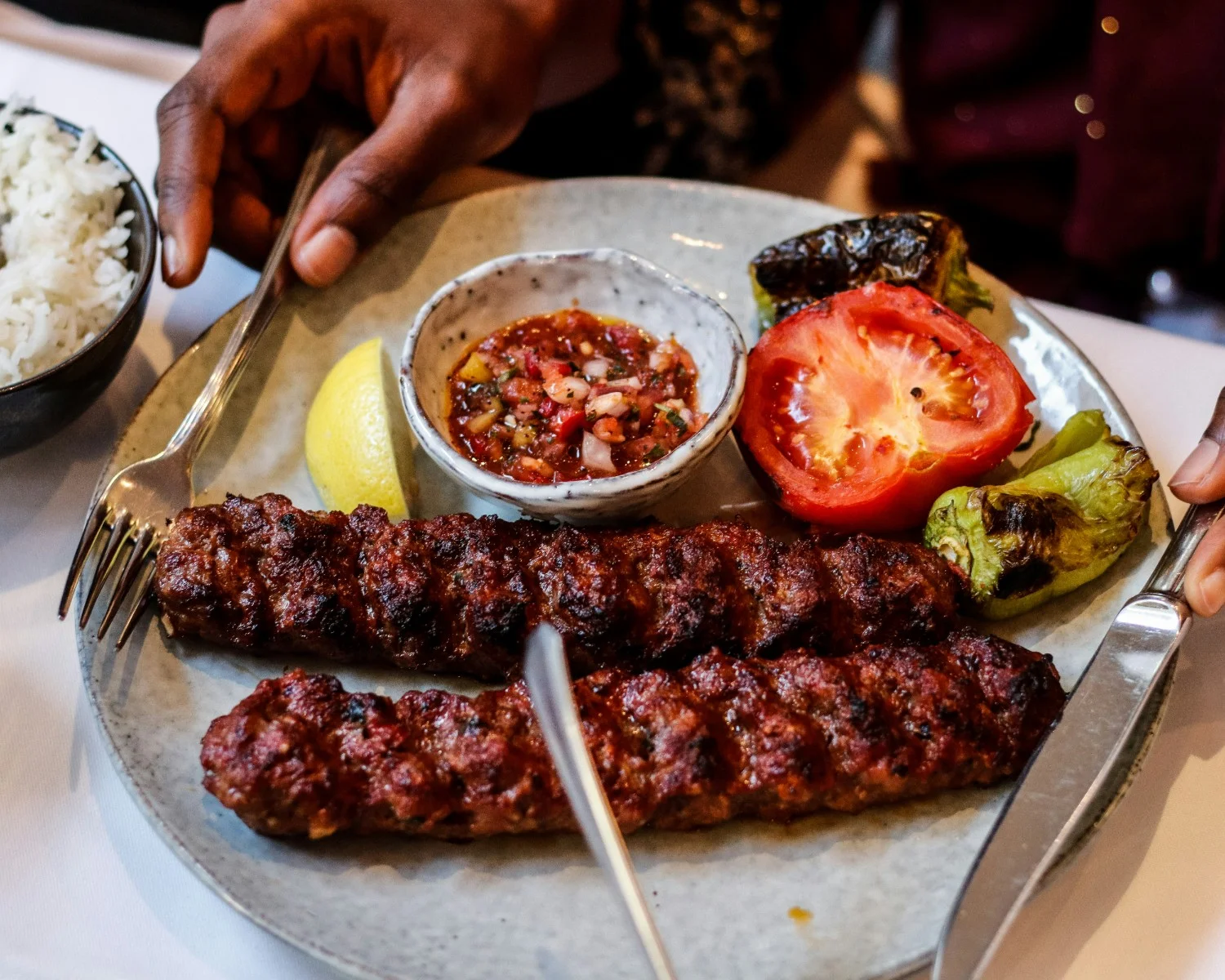
Kebab
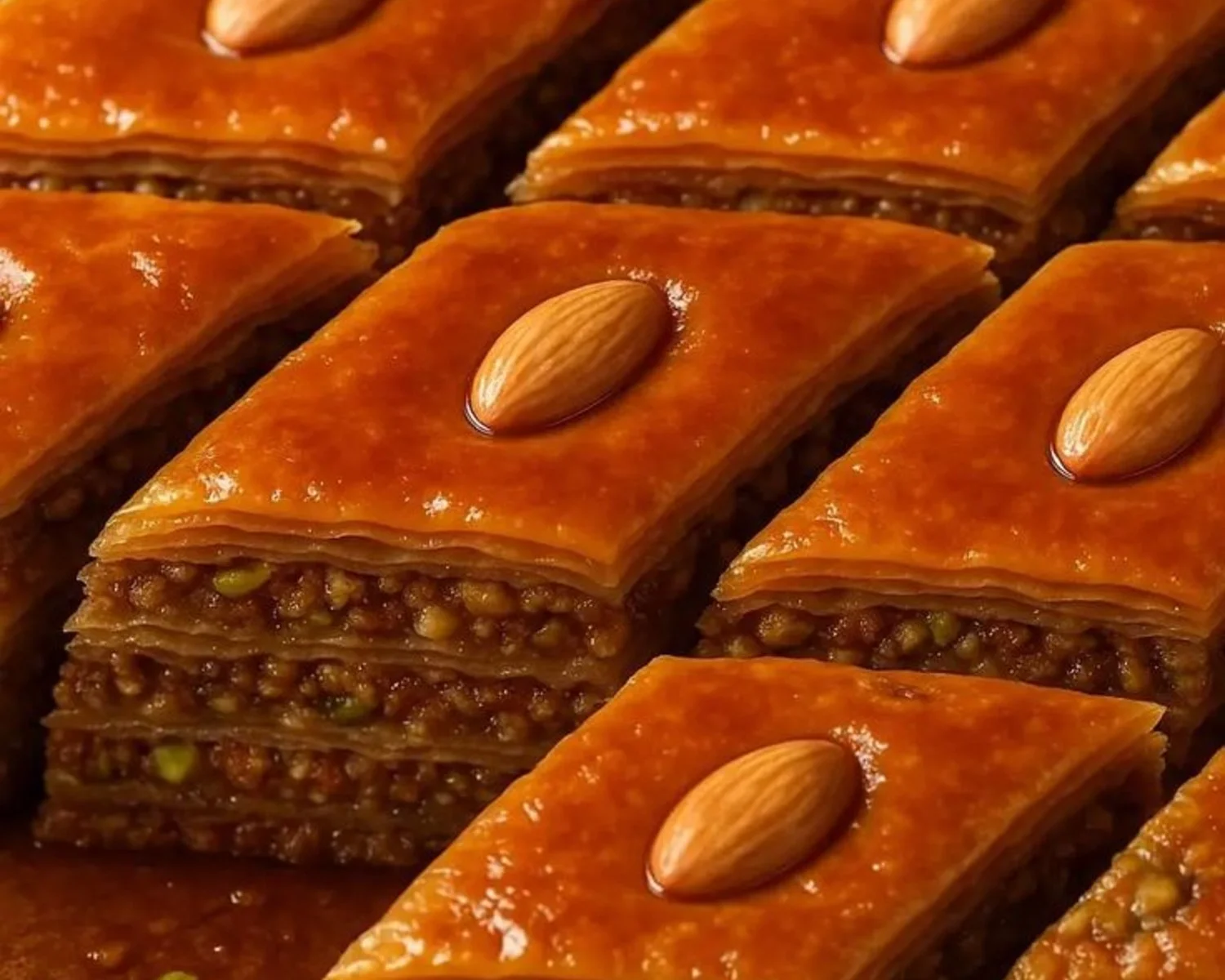
Pakhlava
Lavangi
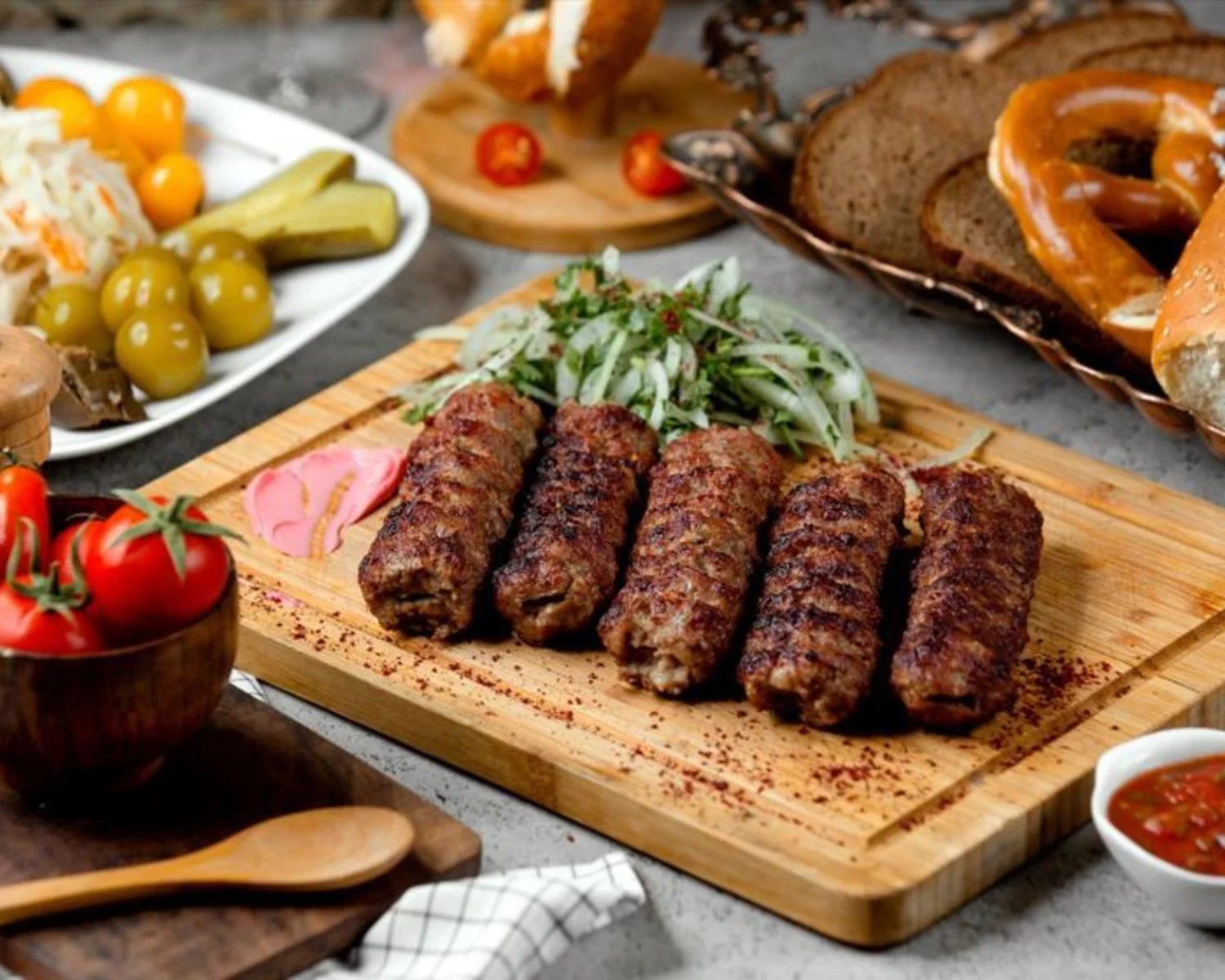
Lula Kebab
Dining Etiquette
- • Meals are social events; rush through food is considered rude. Take your time, enjoy, converse.
- • Bread (lavash or local çörek) is sacred—never waste it, place it upside down, or step over it.
- • Guests receive the best portions; hosts may serve themselves last.
- • Tipping: 10% service charge usually included; additional ₼2-5 appreciated for good service.
- • Most restaurants open 12 PM–11 PM; smaller cafes open from 7 AM.
- • Alcohol (beer, cognac, wine) available in most restaurants; Islam prohibits alcohol but enforcement is relaxed.
- • Vegetarian options exist but meat dominates. Inform restaurants of dietary restrictions in advance.
Signature Drinks
Shop & Bring Home
From intricate hand-woven carpets and traditional crafts to aromatic spices and modern Azerbaijan-designed goods, the country offers unique treasures for every traveler. Shopping blends ancient bazaar culture with modern malls.
Carpets & Textiles
₼50-5,000+
- Hand-woven Azeri Carpets (Regional patterns)
- Kelaghayi (Silk Headscarves)
- Embroidered Fabrics
- Kilims (Flat-woven Rugs)
Authentic carpets are investments; buy from certified sellers.
Gifts & Crafts
₼5-200
- Armudu Glasses (traditional tea glasses)
- Copperware from Lahij (engraved pots)
- Backgammon Sets (hand-carved wood)
- Traditional Musical Instruments
Lahij village crafts are UNESCO-recognized.
Flavors & Spices
₼2-50
- Saffron (Zəfəran)
- Pomegranate Syrup (Nar Şirəsi)
- Black Tea (Çay)
- Azeri Jam (Rose, Walnut, Quince)
- Dried Fruits & Nuts
Yashil Bazar offers best prices and selection.
Souvenirs
₼5-100
- Miniature Flame Towers
- Maiden Tower Replicas
- Mugham Music CDs
- Azerbaijan-themed Magnets
- Silk Scarves
Tourist shops in Icherisheher overpriced; bazaars offer better value.