Let's break down the best time to visit Gujarat, because it really depends on what you want out of your trip. This isn't just about "which season is nicest." It's about making sure you can actually do and see the things that make Gujarat so unique.
Gujarat: State of Seasons (And So Much More)
Think of Gujarat as a place with a distinct personality that really shines in certain months. We're not talking about extreme weather (though it can get hot!), but more about how many of its must-do activities are tied to a specific time of year.
For example:
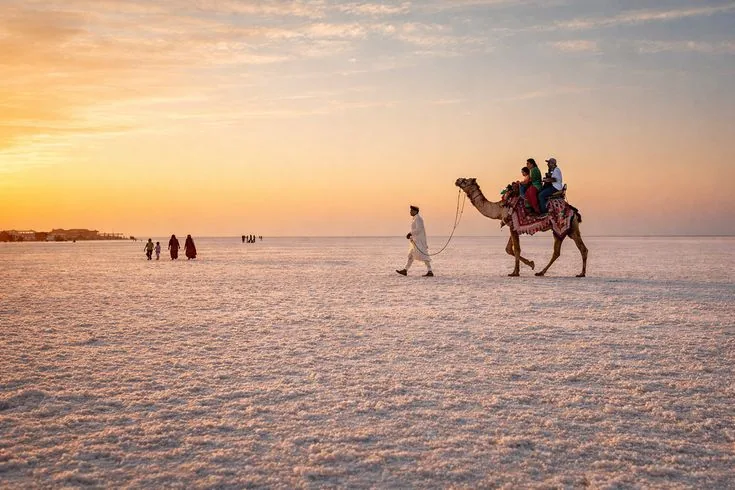
Rann of Kutch: Half the year, it's a vast floodplain. The other half? A blindingly white, otherworldly salt desert that will take your breath away.
Gir National Park: If lions are on your list, you'll need to plan around the monsoon when the park closes entirely.
Festivals: Gujarat has a vibrant festival calendar, and many of its most famous celebrations happen in the cooler winter months.
Temperature: inland districts can experience summer temperatures well above 40°C.
So, picking between winter and summer in Gujarat isn't just a preference. It's a strategic decision based on what you actually want to experience. This guide will give you the real-deal breakdown across weather, wildlife, festivals, costs, and crowds.
Big Weather Divide: Winter vs Summer
Winter (November to February)
Weather: Imagine daytime temperatures hovering comfortably between 15°C and 28°C, with nights getting cool, especially in Kutch, where it can dip near single digits. For most people, this is the most physically comfortable time to be in Gujarat.
The Tradeoff: All this comfort comes at the cost of being peak season. Expect more competition for accommodation and higher prices, especially for those sought-after Rann Utsav tent stays.
Summer (March to June)
Weather: Inland and desert areas like Ahmedabad, Rajkot, and Kutch regularly blast past 38°C to 42°C. While the humidity isn't as high as on the coast, the dry heat is intense enough to keep most outdoor activities limited to early mornings and evenings.
The Tradeoff: The summer heat is a definite deterrent, but the upside is significantly lower prices and much smaller crowds at the major attractions.
Rann of Kutch: Your Winter Decision-Maker
For many travelers, this is the single most important factor.
The breathtaking white salt desert of the Rann of Kutch is only accessible from roughly October to March. Outside this window, it's either flooded or impassable due to the monsoon.
The popular Rann Utsav festival, which is completely centered around the white desert, runs within this time frame.
Impact on your plan: If the Rann of Kutch or Rann Utsav is a must-see for you, then summer just isn't an option. This isn't a comfort tradeoff; it's a hard constraint on availability. Plan your trip around the winter months if Kutch is a priority.
Wildlife Encounters: Gir National Park's Seasonal Rules
Gir National Park closes its doors completely from mid-June to mid-October. This is for conservation purposes, during the monsoon and the lions' breeding season, not for tourist convenience.
Winter (November-February): Generally considered the prime time for sightings. The cooler weather means wildlife is more active during daylight safari hours.
Late Summer (April-June): Many animals start congregating around waterholes, which can lead to higher chances of sightings for experienced trackers.
Tradeoff: Winter offers a more pleasant safari experience, but demand for permits is high. If you're willing to brave the heat of late spring and are focused on maximizing lion sightings, the late summer can be a compelling alternative.
Festivals and the Cultural Beat
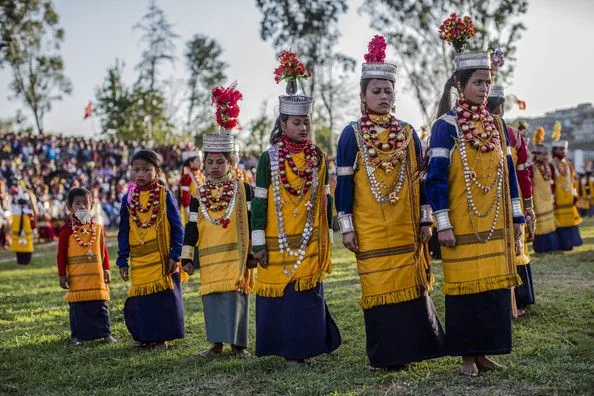
Gujarat is a cultural hotspot, but much of its action happens in the cooler months.
Winter: This is when many of Gujarat's most vibrant festivals occur: Rann Utsav (November-February), Uttarayan (the famous kite festival) in mid-January, and the tail end of the Navratri celebrations (September-October, though technically pre-winter).
Summer: The festival calendar is much quieter during the hotter months.
Challenge: If you're aiming for cultural immersion, winter is your best bet. Nearly all major Gujarati festivals take place between October and February, so a summer trip means trading that cultural richness for lower costs and fewer crowds.
Costs and Crowds: Budget vs. Comfort
Winter (Peak Season)
Crowds: Expect the busiest times of the year across most of Gujarat's key attractions, including Kutch, Gir, and historic sites in Ahmedabad. This means booking well in advance, especially for Rann Utsav and Gir safari permits.
Costs: Due to the high demand, accommodation rates will be at their peak.
Summer (Off-Season)
Crowds: Tourist numbers (both domestic and international) drop significantly. You'll find quieter historical sites, fewer people in hotels, and generally a more relaxed atmosphere.
Costs: Expect considerably lower hotel rates and more flexibility for last-minute bookings.
Tradeoff: It's a classic value-versus-comfort exchange. Budget travelers who can handle the heat and are less reliant on visiting Kutch and Gir might find summer to be a much more affordable option. Travelers prioritizing a comfortable experience and full access to all of Gujarat's highlights will likely find the winter premium well worth it.
Coastal Gujarat: A Different Story
There's one exception to the rule: Gujarat's coastline. Areas like Diu and parts of Saurashtra benefit from sea breezes, which make the summer heat a bit more manageable compared to the inland regions.
The Consideration: If your heart is set on a summer trip but you want a slightly more comfortable experience, focusing on coastal Gujarat (Diu, Somnath, Dwarka) can be a more viable alternative than trying to explore the desert and inland areas.
So, Which Season Should You Choose?
The honest truth is that the "best" time to visit Gujarat depends entirely on what you want to get out of your trip, not just on general preference.
Choose Winter If:
The Rann of Kutch or Rann Utsav is high on your must-do list.
You're after comfortable wildlife safaris at Gir.
You're keen to experience Gujarat's festivals.
Comfort is a higher priority for you than budget.
Consider Summer If:
Your itinerary leans towards the coast (Diu, Somnath, Dwarka).
Budget and avoiding crowds are more important than being comfortable in the heat.
You're an experienced wildlife traveler specifically hoping to spot lions around waterholes before Gir closes in June.
Avoid Summer If:
Rann of Kutch is a core reason for your trip. There's really no substitute in the summer.
While winter generally offers the most comprehensive experience of Gujarat's unique attractions, it's always best to make that choice deliberately. Consider what truly drives your visit, rather than going with the default.
Conclusion
Winter and summer in Gujarat aren't just slightly different versions of the same trip - they offer genuinely distinct experiences with unique costs and constraints.
Winter provides comfort, festivals, and access to Kutch and Gir, but it comes with the price of more crowds and higher expenses. Summer offers affordability and solitude, but at the expense of ruling out the Rann of Kutch entirely and requiring a tolerance for intense heat.
FAQ’s
1. What is the best season to visit Gujarat?
Winter (November–February) is generally the best season, offering comfortable weather, full access to the Rann of Kutch, and the state's main festivals.
2. Can I visit the Rann of Kutch in summer?
No. The Rann of Kutch is submerged during and after monsoon and is only accessible from around October to March.
3. Is Gir National Park open in summer?
Gir stays open until mid-June, and late summer can actually offer better lion sightings near waterholes - but it closes completely from mid-June to mid-October.
4. Is Gujarat too hot to visit in summer?
Inland areas like Ahmedabad and Kutch can cross 40°C in summer, but coastal spots like Diu and Somnath stay comparatively cooler.
5. Is winter more expensive than summer in Gujarat?
Yes. Winter is peak season, so hotel rates and safari/Rann Utsav bookings cost more and need earlier planning; summer is cheaper with fewer crowds.
6. When is Rann Utsav held?
Rann Utsav typically runs from November to February, aligned with the Rann of Kutch's accessible season.
Not sure which season is the right fit for your dream Gujarat adventure?
Bayard Vacations can help you match your itinerary to the perfect season based on what you want to see and do.
Explore Gujarat Packages
Start Your Adventure
Our travel experts are ready to plan your next dream vacation.
No spam, only pure inspiration.